














Science fiction, despite being one of the most imaginative genres out there, has a long tradition of white authors telling stories of white protagonists traveling the stars and grappling with robots. But times are changing—no longer are Octavia Butler and Samuel Delany the only sci-fi authors of color the average fan can name.
As more and more writers of color take to the sci-fi genre, it’s vital that we lift up their voices and their stories. Below are a variety of excellent science fiction books by AAPI authors that are unapologetically AAPI.
Light from Uncommon Stars by Ryka Aoki
This genre-bending novel has it all: demons, aliens, found family, a love story, a trans coming-of-age story, and plenty of interesting side characters. Katrina Nguyen has run away from her parents’ home to find herself in southern California. Meanwhile, Shizuka Satomi is in search of her seventh and final violin student to groom into selling their soul in order to free herself of her own demonic deal. At the same time, Lan Tran and her family of intergalactic refugees have settled into their donut shop in the San Gabriel Valley, but settling in is starting to feel as stagnant as the perfectly replicated donuts they sell. The three women meet by chance, and what follows is a tale of mentorship, healing, and learning to step outside of one’s comfortable bubble for the sake of love.
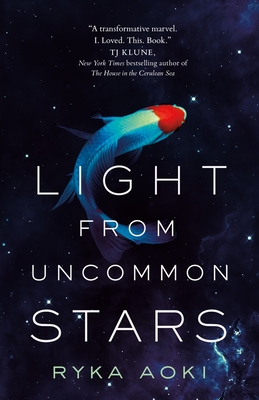
Aoki takes on a lot in this story and juggles it all with a flair that feels both real and fantastical all at once. If you like ensemble casts and hopeful endings, then you’ll love Light from Uncommon Stars.
The Infinity Particle by Wendy Xu
As a graphic novel, The Infinity Particle expertly marries a gorgeous art style with a deeply thought-provoking story. Clementine Chang has just moved to Mars for an exciting new job — and the opportunity to work with renowned AI scientist Dr. Marcella Lin. But Clem’s plans change when Dr. Lin’s AI assistant, Kyle, turns out to be more than he seems. As Clem and Kyle get to know each other, they begin to fall in love, which challenges everything that Dr. Lin and the rest of the scientific community say about AI.
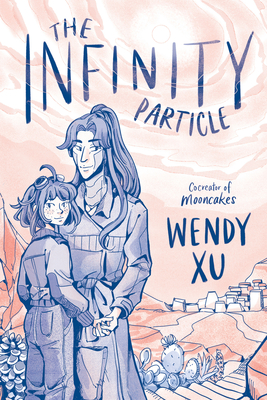
Not only is The Infinity Particle a sweet and emotional story, but it also tackles ethical questions of AI that are increasingly on real-world scientists’ minds as technology rapidly develops.
The Girl from Everywhere by Heidi Heilig
Nix Song, her father Slate, and their crew travel through time on their pirate ship, following adventures wherever and whenever they may appear. Slate, the Captain of their wayfaring crew, directs the ship by way of maps from throughout time, but there is one map that he’s been chasing for as long as Nix can remember — one that would lead him back to Nix’s mother in Honolulu in 1868. Once he finds it, though, the reality of traveling back to that one time and place becomes more dangerous than he or Nix had expected.

In the first book of the Girl from Everywhere series, Heilig weaves history with classic science fiction tropes with old legends in a way that makes all three feel fresh and immediate. Those who know their Hawaiian history and myths will enjoy pointing out references, and those who don’t will learn more than they expect.
In the Watchful City by S Qiouyi Lu
Anima is an extrasensory watcher in the city of Ora, which depends on the surveillance of beings like Anima to keep its peace. Aer life — Anima uses ae/aer/aers pronouns, much like aer author — consists only of what ae can see of the lives of other people in the city, but this changes when a visitor comes to Ora with a collection of artifacts and stories from outside. These new stories cause Anima to question aer purpose, as well as the power dynamics that keep the city running.
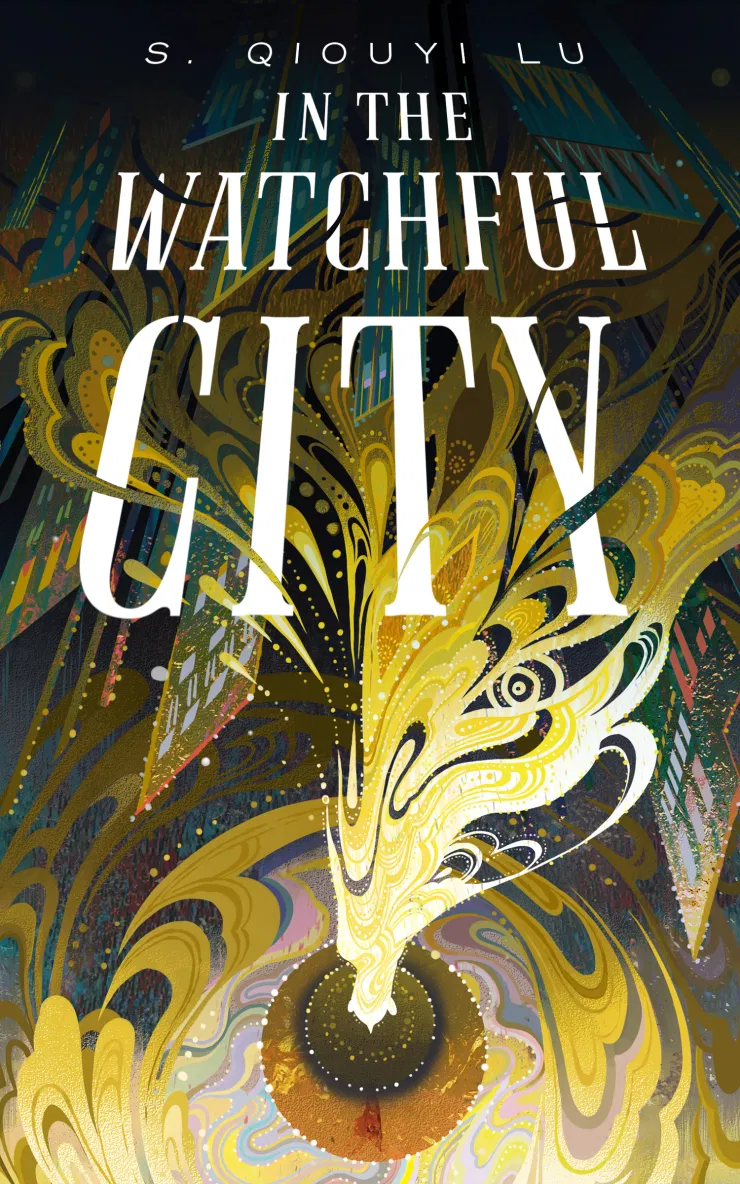
In this mosaic of a novel, Lu weaves together themes of heritage, oppression, and interculturality in a cyberpunk world. If you’re looking for the mental exercise of keeping up with all the threads of this story, you’ll find the payoff is very rewarding.
Of Wars and Memories and Starlight by Aliette de Bodard
This short story collection is provocative and thought-provoking at every turn. The stories span multiple universes, realities, and time periods — from a war-torn Gothic France to a pre-communist-Vietnamese-inspired space opera. While some stories are set in the same universes, each one follows a unique protagonist and plotline. Characters encounter shapeshifting dragons, sentient spaceships, ghosts, and more.

De Bodard does not shy away from hard themes like grief, cultural colonization, or the insidious nature of technology. For the reader looking for a whole collection of stories that will sit with you long after you’re done reading, look no further.
Science fiction knows no boundaries, especially once you go beyond the tropes and archetypes of the traditionally white authors and stories of the genre. With these five books and more, I encourage you to expand your bookshelf, your mind, and your universe.
To learn about other AAPI authors and artists, click here.
Find more science fiction recommendations here.