





There’s something about sitting in front of a blank project that brings a sense of impending doom to all creatives at one moment or another. With internet writing challenges and daily word goals looming over us, writing can be even more challenging. Not to mention, the day-to-day issues of writer’s block, imposter syndrome, and confusion over the steps to publishing. So turn over a new page with these fantastic books about writing a book.
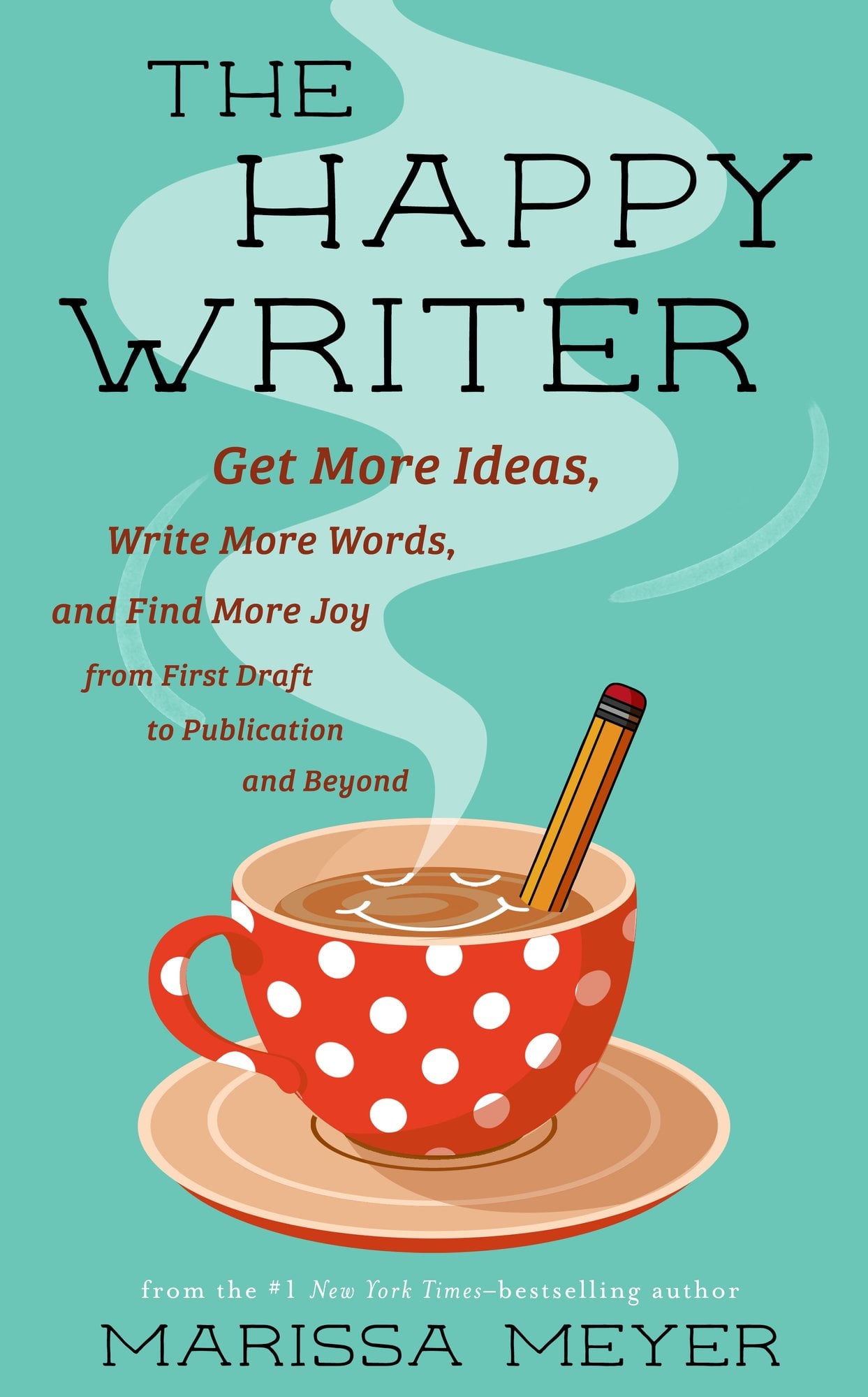
The Happy Writer: Get More Ideas, Write More Words, and Find More Joy from First Draft to Publication and Beyond by Marissa Meyer
Everyone needs some tough love from time to time, and The Happy Writer is a great place to start. Creator of The Happy Writer podcast, Marissa Meyer, helps authors find their joy while writing. Gone are the days when authors need to suffer behind a typewriter to push out good ideas; writing should be fun! From common writer’s block to how to overcome imposter syndrome, Meyer offers advice on many aspects of writing. The Happy Writer is a book written for every step of the writing journey, offering an abundance of resources for every budget, career path, and temperament.
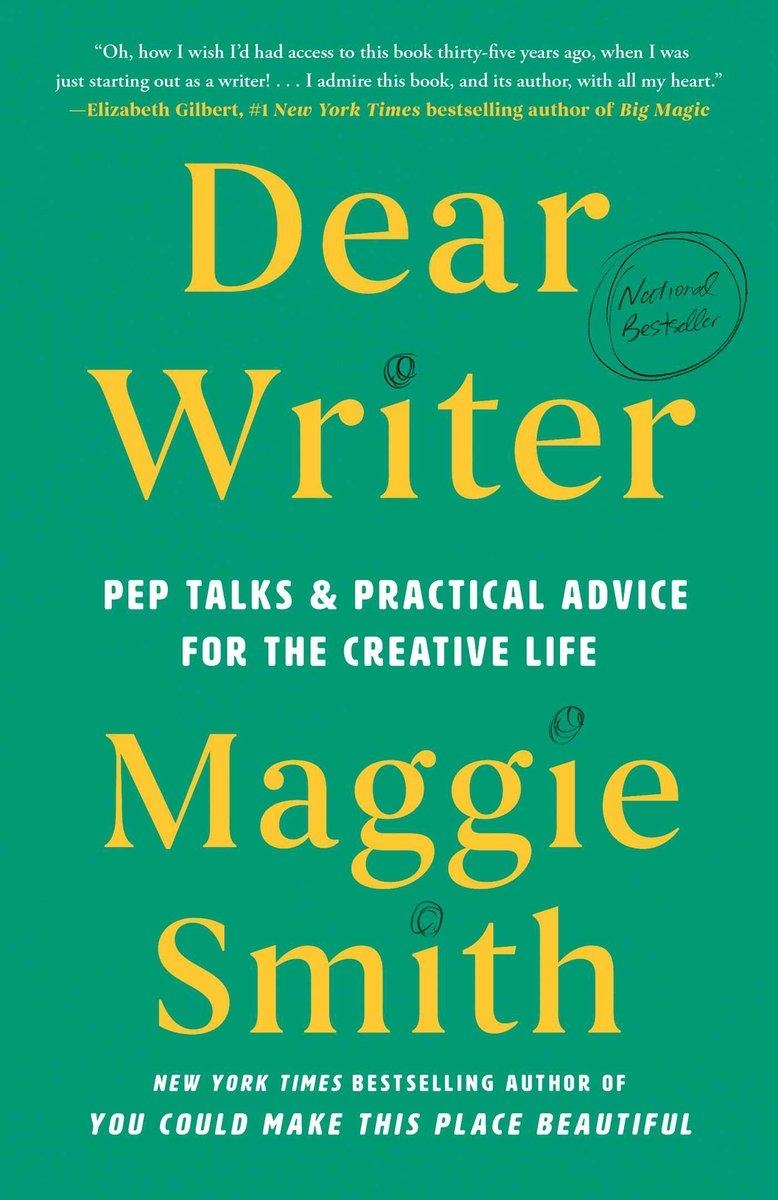
Dear Writer: Pep Talks & Practical Advice for the Creative Life by Maggie Smith
Breaking down creativity into its core components, Maggie Smith inspires authors to persevere with actionable steps. Dear Writer helps readers with practical advice that feels like talking to an old friend. Taking the time to reflect on the writing process instead of focusing solely on the product sheds new light on the preparation that authors sometimes overlook. This makes Dear Writer a fantastic addition to your shelf when you need some motivational guidance and warmth for the soul.
In Writing: Conversations on Inspiration, Perspiration, and Creative Desperation by Hattie Crisell
Spurring from Hattie Crissel’s podcast, a collection of interviews takes readers on a journey of word counts and coffee to uncover where stories come from. Funny and thought-provoking, In Writing is the insider’s guide for what happens when confidence falters and what success looks like. Newcomers to the craft and seasoned authors will find real and insightful comfort, advice, and inspiration within the covers.

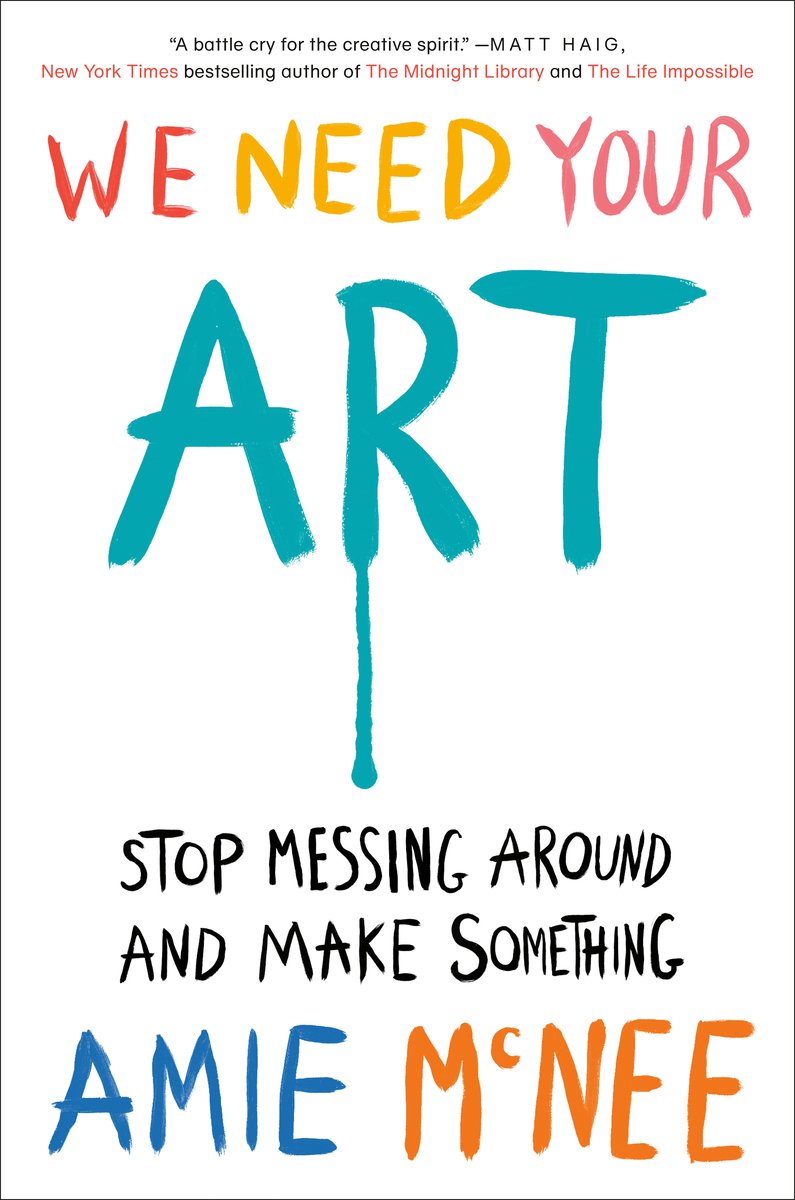
We Need Your Art: Stop Messing Around and Make Something by Amie McNee
This revolutionary title from Amie McNee invites readers to remove the shame surrounding calling ourselves artists when that’s what the world needs. With writing prompts and the creation of new habits, We Need Your Art celebrates ambition and ignites your motivational pyre within. The book also highlights aspects that we all struggle with as creatives: imposter syndrome, perfectionism, and procrastination. A truly great addition to any creative’s bookshelf, reminding us of our place in the world.
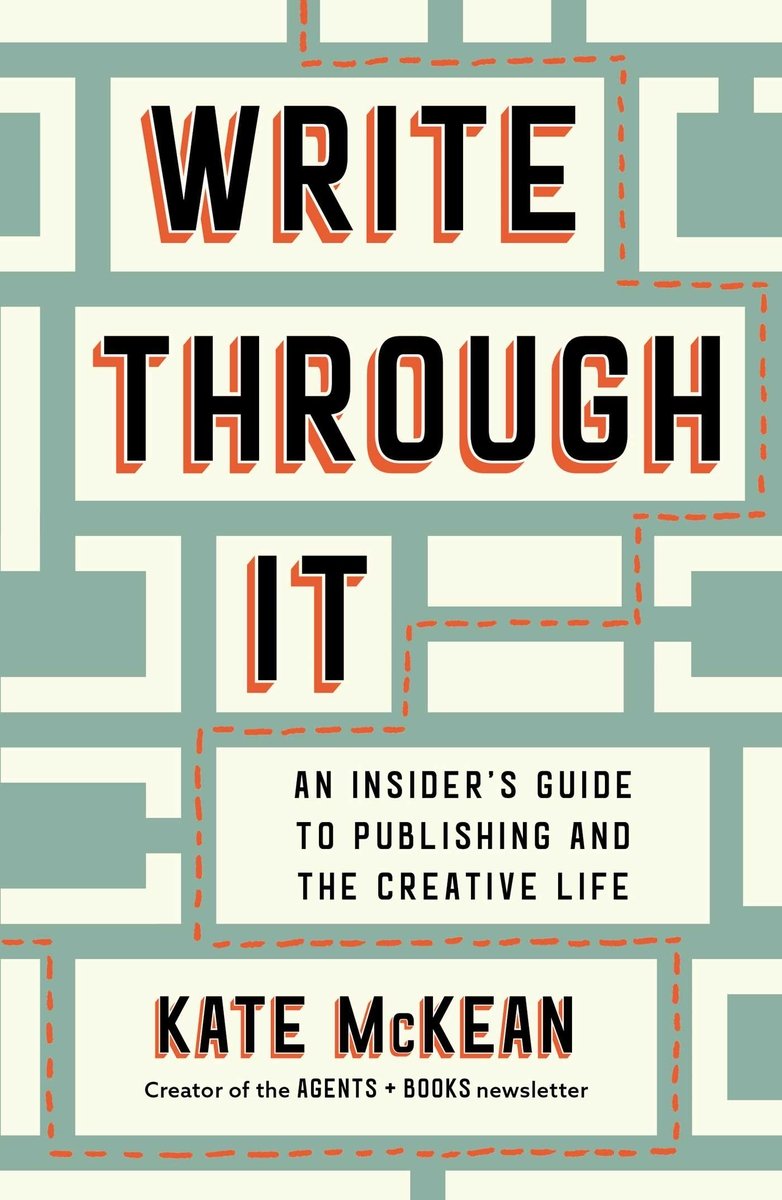
Write Through It: An Insider’s Guide to Publishing and the Creative Life by Kate McKean
Write Through It is a fantastic way to become more familiar with the publishing industry. Kate McKean, literary agent and author, takes readers into the lion’s den and shows us around. Armed with magic formulas for query letters and the ideal marketing campaign, future authors are given a roadmap to success. McKean also addresses the emotional aspects of the journey. Like all things in life, nothing is as straightforward as it seems. But by bridging the gap between the emotional and creative art of writing and the business side of publishing, readers can set themselves up for success.
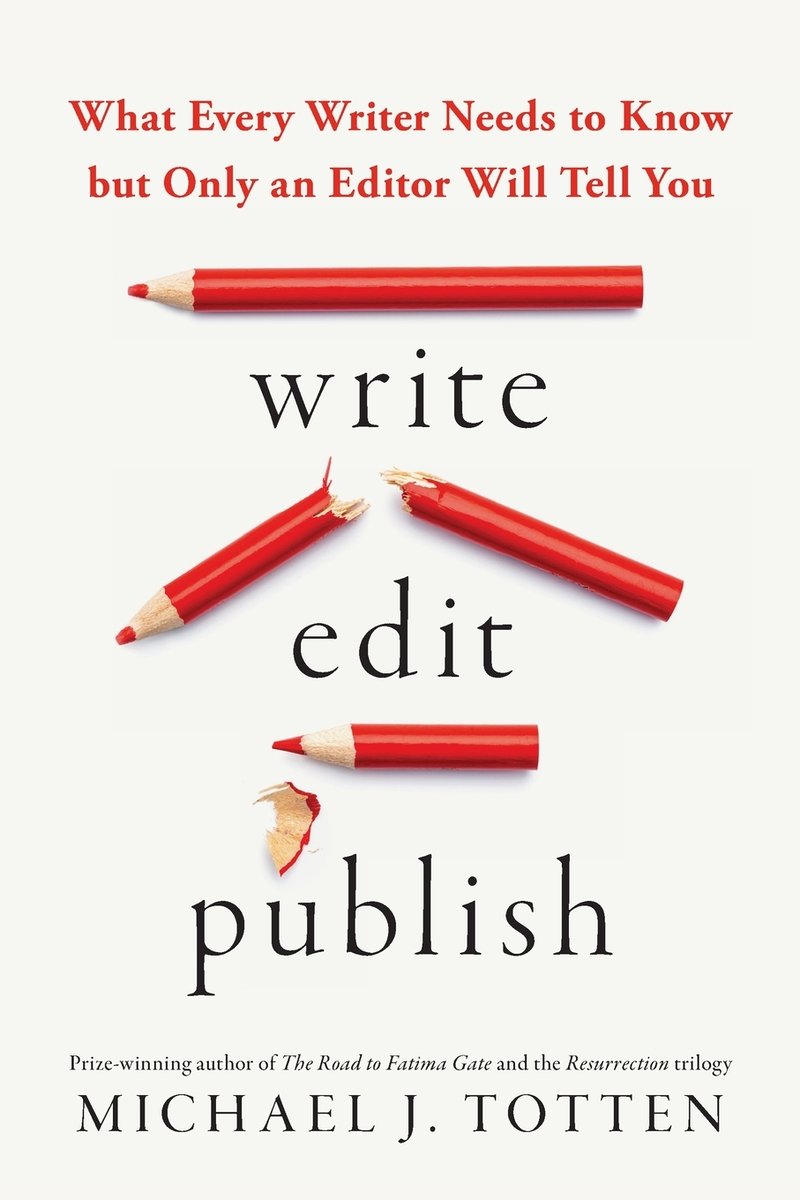
Write, Edit, Publish: What Every Writer Needs to Know but Only an Editor Will Tell You by Michael Totten
With no way to know what causes publishers to DNF 99% of the manuscripts they receive, Write, Edit, Publish is bringing writers inside the mind of an editor. Michael Totten reveals common mistakes and fatal errors that sink otherwise promising manuscripts. He doesn’t sugarcoat things either; there are plenty of books on writing a novel that do. With these dos and don’ts in your toolbox, writing your book will be a breeze.
Spring, Summer, Asteroid, Bird: The Art of Eastern Storytelling by Henry Lien
When discussing representation and diversity in literature, writers oftentimes add a Brown face to a White story. Henry Lien discusses the differences between Western storytelling and those around the world, including the East Asian four-act, circular, and nesting structures, and uses well-known examples. Spring, Summer, Asteroid, Bird is an excellent choice for expanding on your knowledge of creating compelling stories that match your characters.

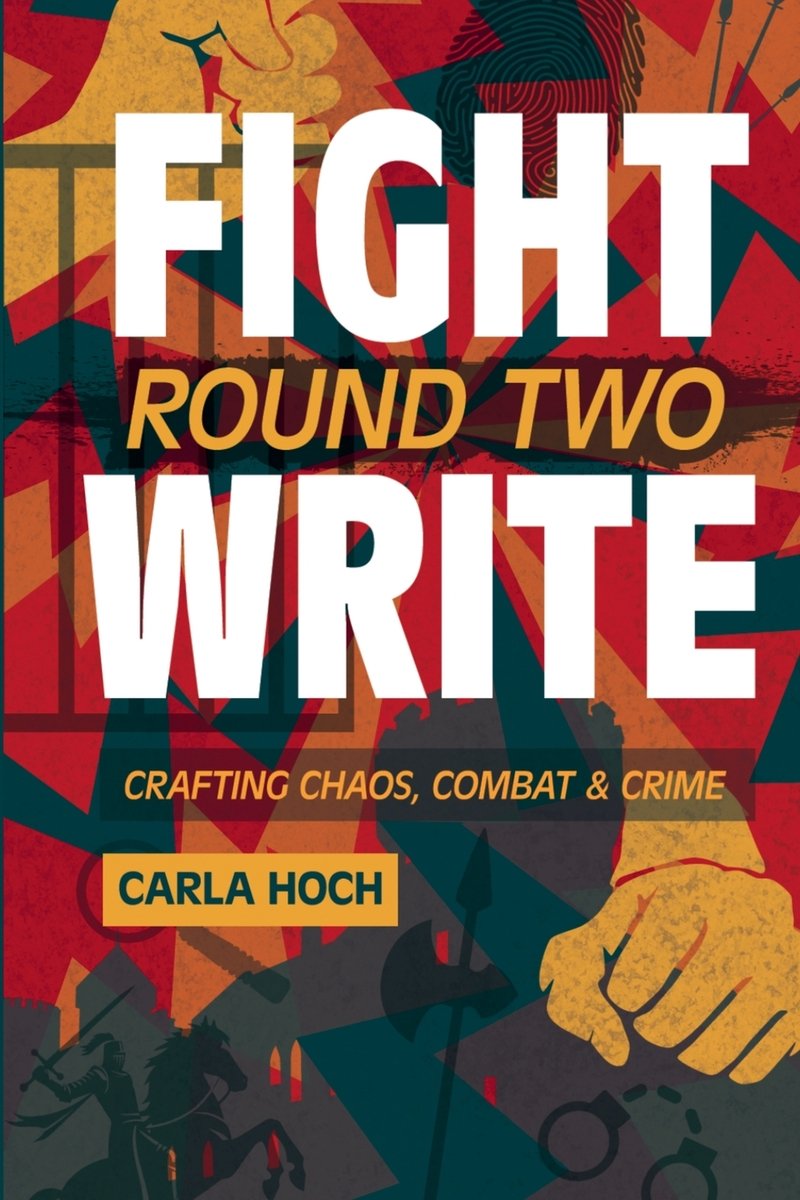
Fight Write: Round Two Crafting Chaos, Combat & Crime by Carla Hoch
Within the three sections of Fight Write, Carla Hoch teaches readers how to plan their fight scenes, write combat of varying styles, and create convincing interactions between characters in a crime scene. This all-inclusive guide takes writers through the intricacies of planning a fight, the various techniques of combat, and the logistics of crime scenes, as well as the influence of modern media on juries. With the multitude of information, this is a great addition for authors of any genre.
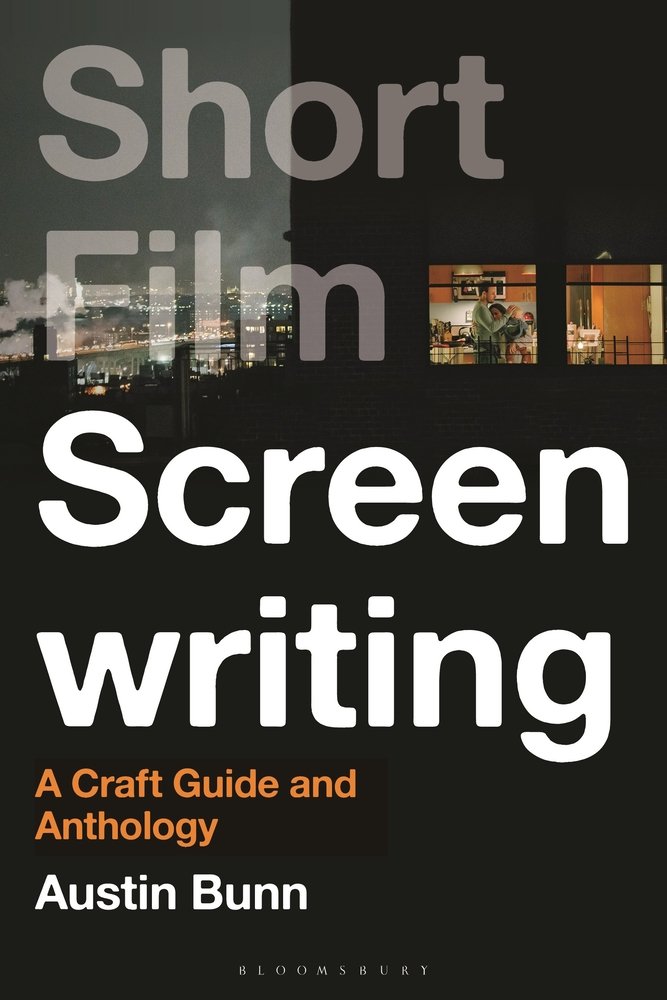
Short Film Screenwriting: A Craft Guide and Anthology by Austin Bunn
Short Film Screenwriting is a how-to guide that demystifies the screenwriting process, helping you write short films that stay with your audience long after they’ve stopped watching. Utilizing award-winning film scripts as examples, Austin Bunn walks readers through drafting, revision, production, and release of a screenplay. Each chapter dives into different aspects of screenwriting, such as characters’ inner lives, their voices, and relationships, to create rich worlds. An exceptional tool for screenwriters and novel writers alike, authors from all forms of media will find value in this text.
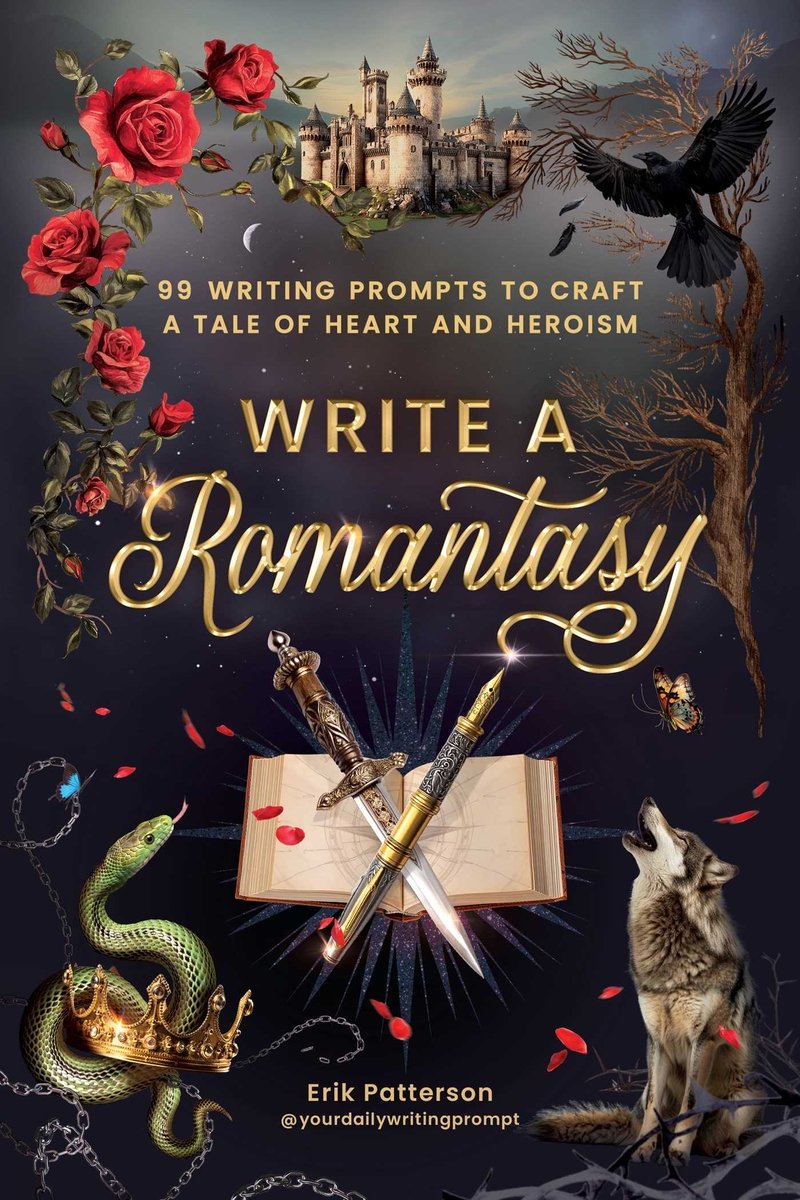
Write a Romantasy: 99 Prompts to Craft a Tale of Heart and Heroism by Erik Patterson
Write a Romantasy is a great workbook filled with 99 prompts that can help writers of any experience level. Even for those not writing Romantasy, the fundamentals for good storytelling, as outlined by Erik Patterson, are here. Highlighting the tropes and themes of the genre, writers are given guides to create their dream Romantasy novel. There are also tips and tricks for beating writer’s block, prompts to spark ideas, and advice for authors.
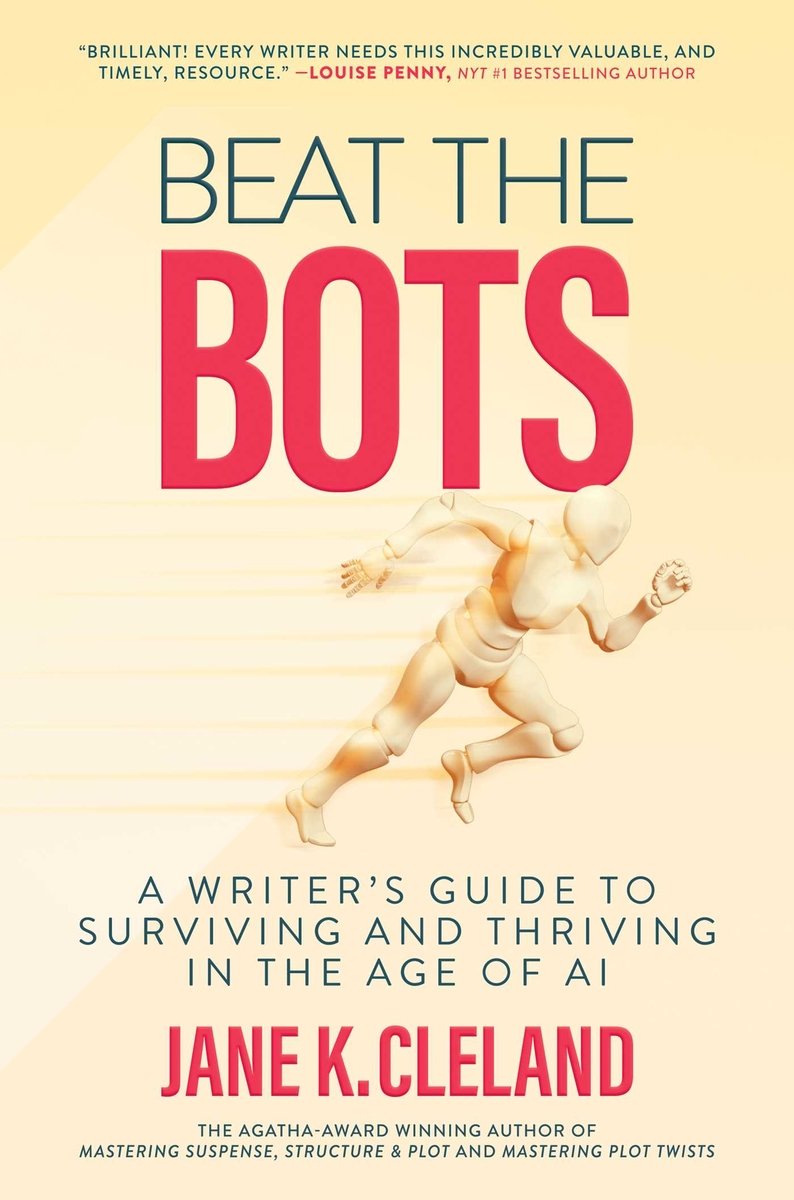
Beat the Bots: A Writer’s Guide to Surviving and Thriving in the Age of AI by Jane K. Cleland
Using techniques rooted in science, Beat the Bots guides writers through unlocking their creativity to reveal stories that machines can’t match. By definition, AI can’t use common sense to pass judgment on its work. When us writers use our human intelligence, imagination, and rational judgment, we stand out because we’re human, not in spite of it. Jane Cleland celebrates creativity in this guide with its own set of tips and tricks to bulletproof your writing in the age of AI.
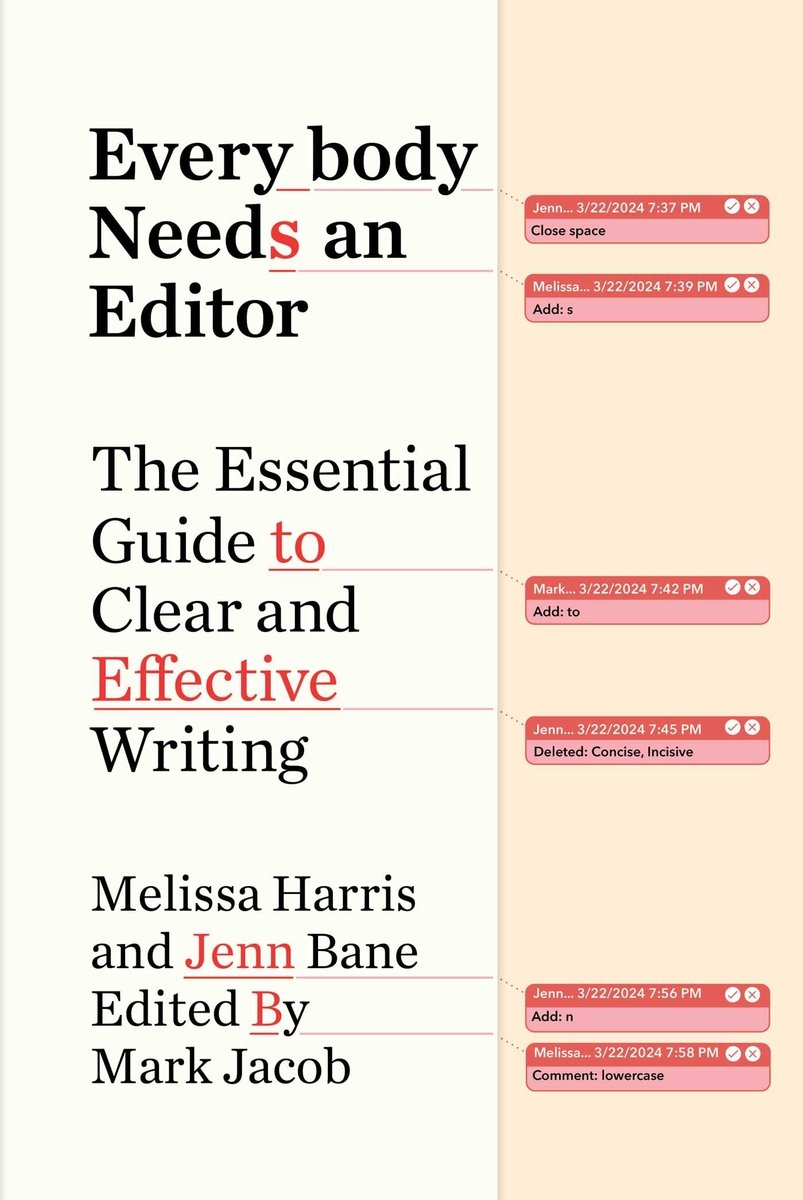
Everybody Needs An Editor: The Essential Guide to Clear and Effective Writing by Melissa Harris and Jenn Bane, Edited by Mark Jacob
A great starting point, Everybody Needs an Editor takes readers through the WTFF method: writing, topping, formatting, and fixing. Melissa Harris and Jenn Bane utilize their decades of journalism and marketing experience to teach you how to pick apart your writing so you can write clearly and communicate more effectively. As a complement to writing a novel, this book really dives into some of the effective short-form communication that is necessary for both writing and marketing your book.
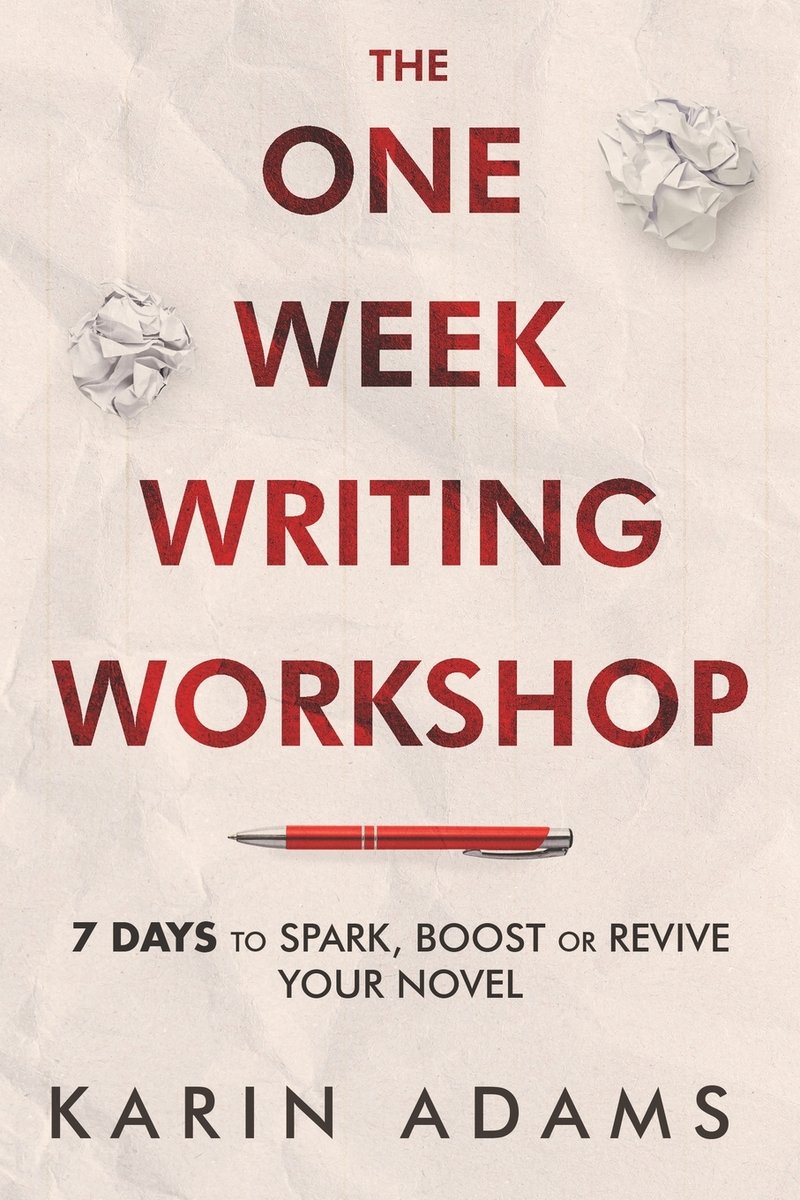
The One Week Writing Workshop: 7 Days to Spark, Boost or Revive Your Novel by Karin Adams
Karin Adams took inspiration from her in-person writing workshops and put them into book form. The One Week Writing Workshop helps you overcome the overwhelming tasks of writing a novel. With smaller, actionable tasks to complete in a seven-step method, you can be one week closer to your finished book. Written for everyone, Adams uses accessible writing language throughout the book to help new-to-the-craft authors and seasoned veterans alike. Included are a diverse array of icebreakers, lists of supplies, exercises, daily warm-ups, activities, and more, all with one goal in mind: writing your book.
As we prepare to confront the blank page, inspiration may dwindle and surge, but our findings in the books on our shelves can help us rekindle the sound of our keyboards firing at all cylinders. Let us know how you’re staying motivated amidst the writing challenges on our social media: Instagram, X, Bluesky, and Facebook!
Want to add more books to your writing TBR? Check out the article 10 Books To Read To Make Your Writing Better.
Find these books and more on our Writer Inspiration – Tips, Tricks, and Book Recs on Becoming a Better Writer bookshelf on Bookshop.org.