



Are you a lover of words? A logophile? Maybe it’s your goal in life to be disgustingly educated on the most niche topics. Or maybe you’re simply training to be the all-time Scrabble champion.
Whether you’re looking for new words that will make you look at life in a new way or words to will give your colorful language a little bit more flair, keep reading because we’ve got a dictionary for you. We have compiled a list of alternative dictionaries so you can be the most articulate and eloquent wordsmith at any brunch or dinner party.
The Dictionary of Obscure Sorrows by John Koenig
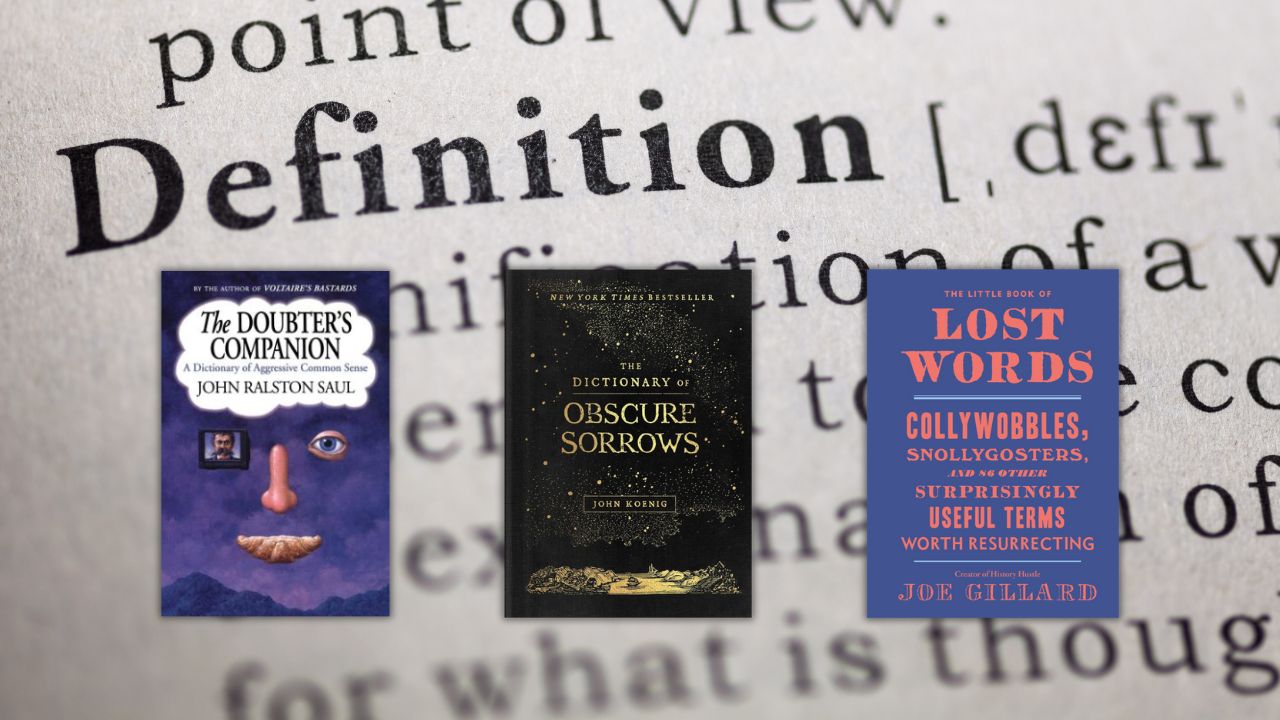
The Dictionary of Obscure Sorrows by John Koenig is just as it sounds, a dictionary meant to put a word to all of those emotions you could never name before. This is the perfect dictionary for a melancholy poet, a wanderlust traveler, or those who just enjoy observing life as it happens and taking it all in.
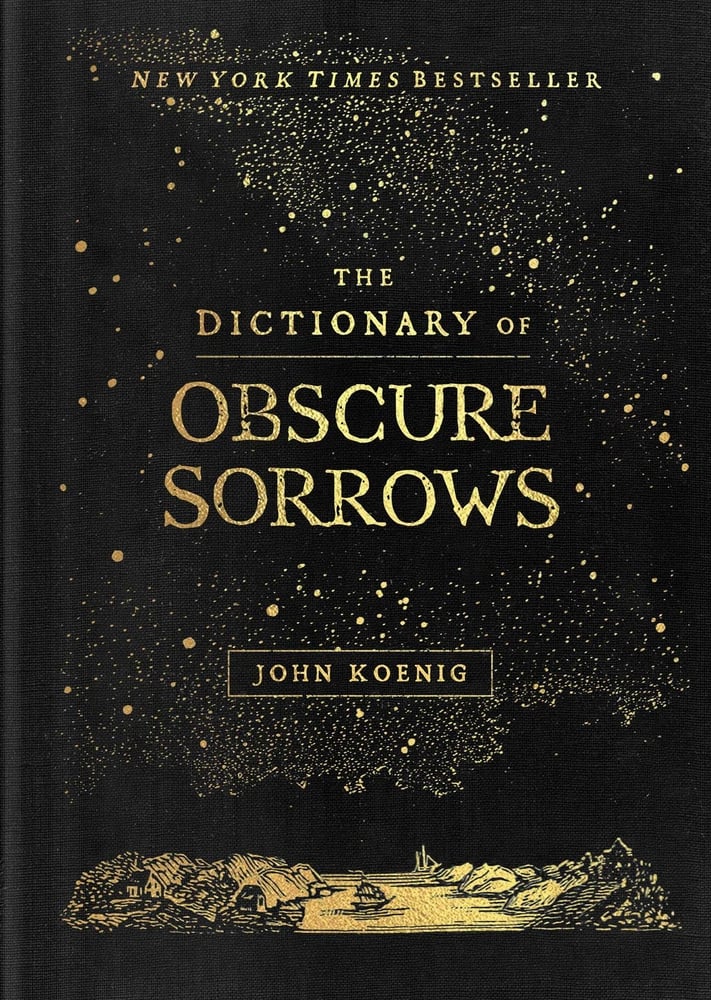
John Koenig created these terms to fill the void that many of these emotions left in him. He set out and pondered what word could describe the nostalgia for something you’ve never had or the longing to explore outer space. If you are someone who likes to ponder the meaning of these little life moments, then this dictionary is a must-read for you to expand your wonderings beyond what you thought possible. Learn more about Koenig’s dictionary here.
The Doubter’s Companion: A Dictionary of Aggressive Common Sense by John Ralston Saul
If you are looking for something a lot less whimsical, rooted in a harsher view of reality, then look no further than John Ralston Saul’s The Doubter’s Companion: A Dictionary of Aggressive Common Sense. He creates a humanist dictionary that forces people to face the harsh realities of our society through common sense by looking at words they probably use every day in a seemingly more obvious way.
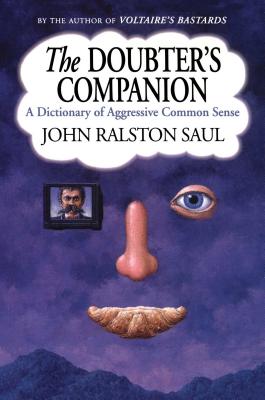
Saul reduces things down to what they really are, taking away all of the connotations that we have placed upon words. He strips words down with thought-provoking and, at times, cynical definitions. This dictionary is fit for you if you want to rethink how we humans treat language and perhaps choose your words more precisely before you speak.
Webster’s Dictionary of Improbable Words: All-Consonant & All-Vowel Words by Craig Conley
If you’ve always been a rule-breaker and a grammar-class-hater, then this next dictionary is for you. Webster’s Dictionary of Improbably Words by Craig Conley gives readers close to 4,000 weird words that defy all rules of language to exist.
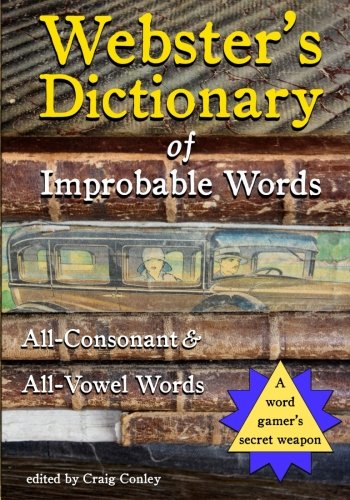
Words that are constructed with all-consonants or all-vowels in ways that almost seem unnatural and would make your English teachers cringe. These words can be found mixed throughout our world, from the Bible, to kids’ stories, to magazine features, and even to birdwatching guides. This is the perfect read for lovers of word games, giving you a whole new arsenal of words as uncommon as they come.
1811 Dictionary of the Vulgar Tongue by Francis Grose
Francis Grose’s 1811 Dictionary of the Vulgar Tongue has been essential to the historical preservation of 19th-century English slang. This unconventional dictionary departs from the more classic version of old dictionaries, which focused only on the high society English of the upper class.
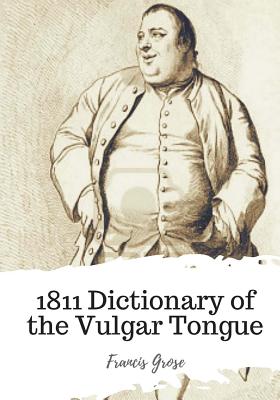
Instead, Grose aimed to document the more colorful and creative language of the lower class. This dictionary is perfect for history lovers and English enthusiasts alike, as well as anyone who wants to bring back the old vulgar language of the past.
Decoding Gen-Z Slang: Your Guide to Learning, Understanding, and Speaking the Gen-Z Vernacular by Devon Knott
If you’re less into the slang of the old and more into the slang of the new, check out Devon Knott’s Decoding Gen-Z Slang. There’s no doubt that Gen-Z has adopted a quirky language of its own, filled with obscure references to pop culture, the Internet, and memes. It can be hard to keep up with all of these terms.
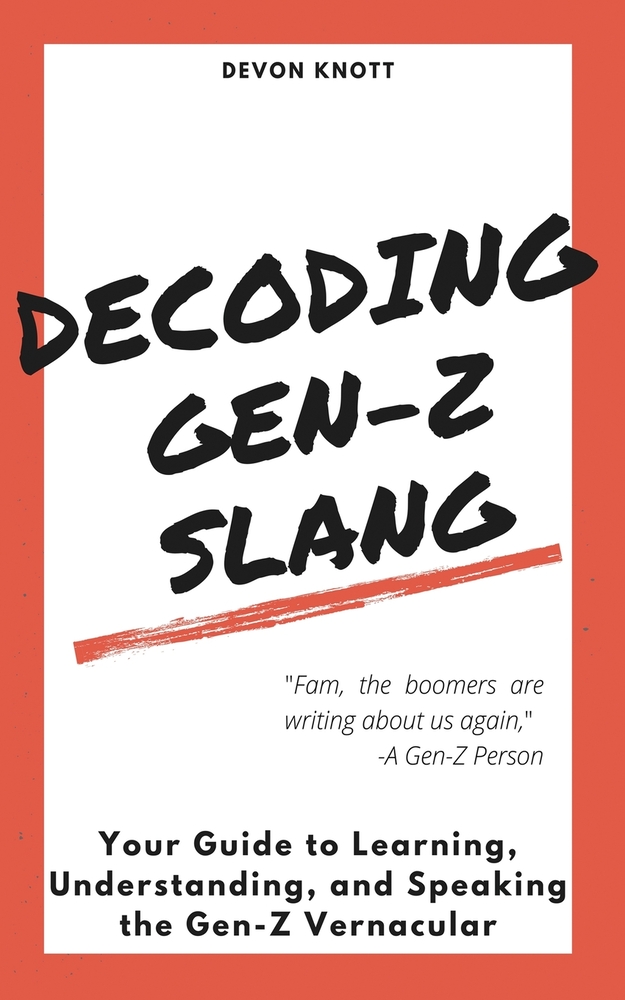
Gen-Z slang is now being accepted into everyday usage, even being added to dictionaries, so it’s more important now than ever to get with the times. The Slanguage series can serve as a dictionary to help you understand not only what these terms mean, but where they came from and how they can be used in everyday speech.
Idioms Origins & Meanings: A Dictionary of Popular Sayings, Phrases & Expressions by Jasper Hartwell
It’s one thing to speak in idioms; they definitely add a fun flair to everyday sayings, but how many people can say that they really understand what these fun little phrases really mean? Jasper Hartwell explains the origins of over 200 idioms in Idioms Origins & Meanings.
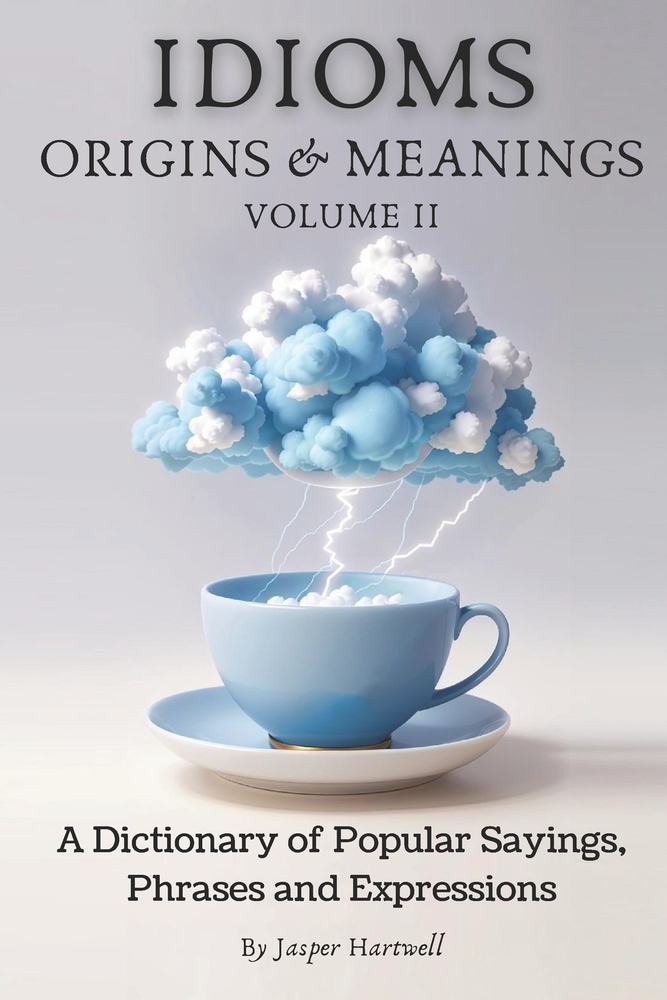
This book explains how to use the idioms correctly, the often strange backstories behind how these idioms became used in everyday speech, and so many niche facts about how we use language. The knowledge you will gain from this will certainly impress everyone you talk to.
The Little Book of Lost Words: Collywobbles, Snollygosters, and 86 Other Surprisingly Useful Terms Worth Resurrecting by Joe Gillard
The Little Book of Lost Words by Joe Gillard is filled with old, funny, and relatable terms that are just waiting for someone to bring them back. Gillard even contextualizes each term into a modern-day use, as an example of how these wild words could fit into today’s world.
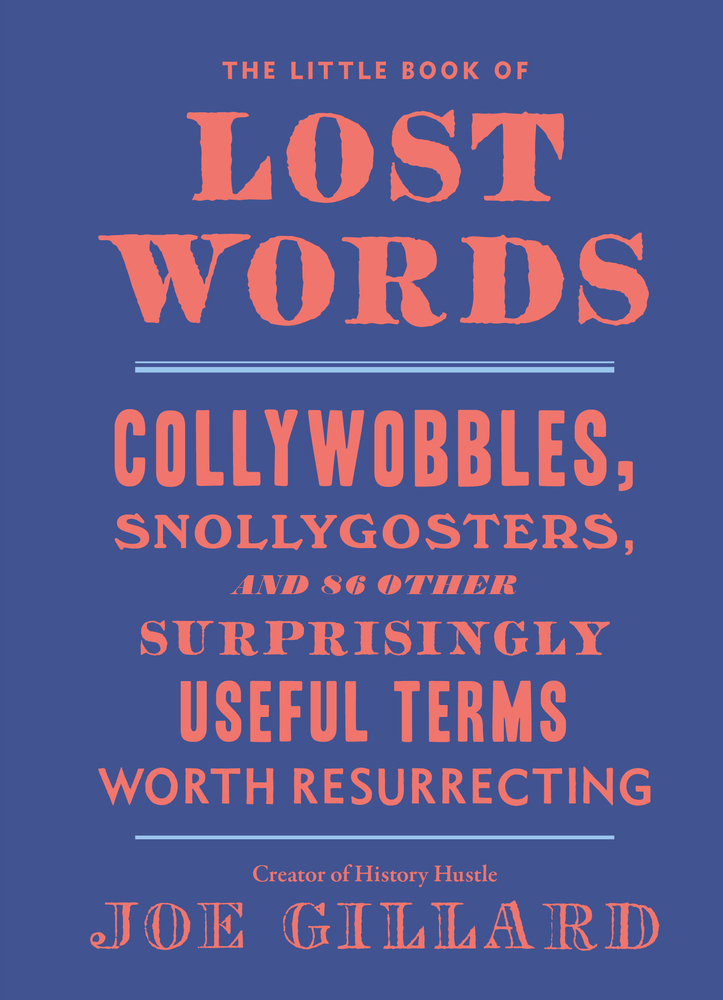
This book proves that, while certain words may have stopped being used, our world hasn’t changed all that much. It’s still filled with snollygosters and dewdroppers. This little dictionary is perfect for jokesters who want to make everyone giggle with the resurrection of these old terms.
Dictionary of Last Words by Edward S. Le Comte
Edward S. Le Comte’s Dictionary of Last Words is filled with more than 1,500 last words of some of the most famous and recognizable people of all time: kings, queens, poets, politicians, scientists, and even criminals.
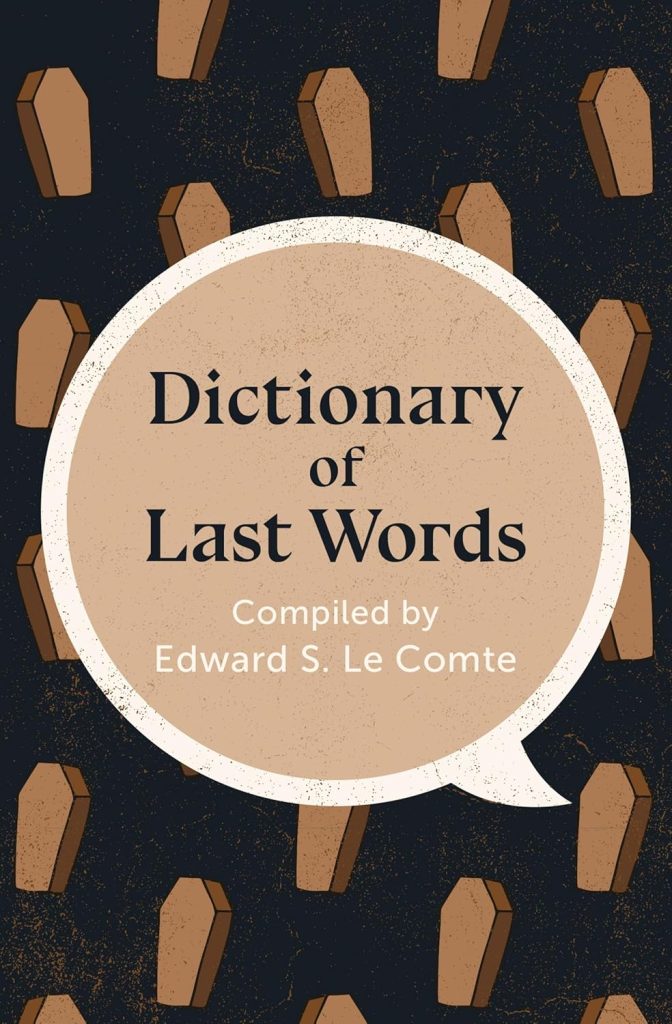
When faced with their last great sentiment, the parting knowledge they will leave with the world, and how they will be remembered, some make profound statements on the meaning of life and death, while others are simply ordinary. In this unique dictionary, it is your last words that really define you.
Lost in Translation: An Illustrated Compendium of Untranslatable Words from Around the World by Ella Frances Sanders
In Lost in Translation, Ella Frances Sanders uses drawings to define words that otherwise have no translation into English. Every language is limited by the words they have to explain things, but Sanders attempts to bridge this gap in what words are possible, while using illustrations to make up for where words fall short.
Lost in Translation helps readers to understand more than 50 words from languages like Japanese, Finnish, Swedish, Italian, and more. You will not only learn new words, but you also get a glimpse into another culture through the words that are important to them.
The Deeper Meaning of Liff: A Dictionary of Things There Aren’t Any Words for Yet–But There Ought to Be by Douglas Adams and John Lloyd
Douglas Adams and John Lloyd create funny new terms for the things and feelings we don’t have words for in The Deeper Meaning of Liff. The result is an absurd and genius collection of extremely specific terms that you may have experienced once or twice before.
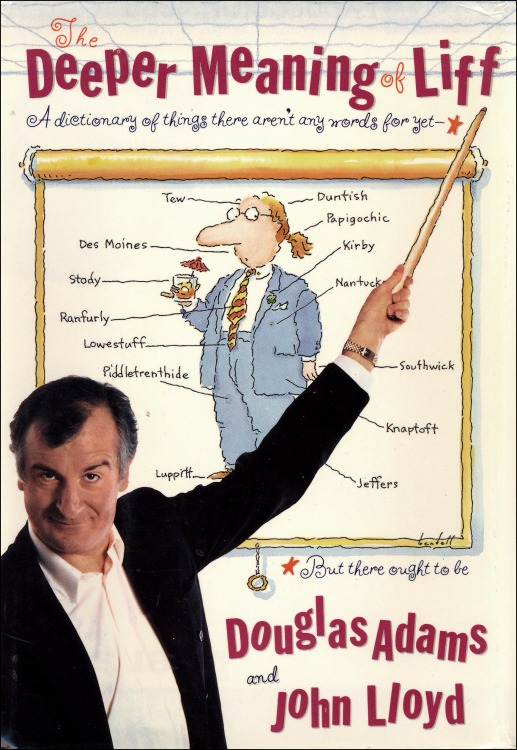
This dictionary will allow you to see the world differently and broaden your mindscapes to some insane words and confusing logic. If you have never known what to call the plastic packaging that fast-food ketchup or mustard comes in, or have always wanted a word for that specific way that people stand while looking at a bookshelf, then this book is for you. It’s extremely groundbreaking stuff.
We hope that, through these books, you can find your new favorite word and casually use it, no matter how absurd, at your next dinner party. It’s always important to broaden your vocabulary, and while they say that reading is the best way to do that, I think that owning one of these alternative dictionaries might be better.
Want to learn more wacky words? Click here.
Using these wacky words as inspiration? Check out our Writer Inspiration bookshelf on Bookshop.org.