















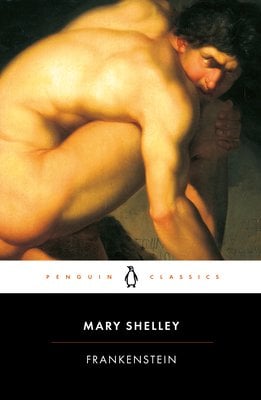
Mary Shelley’s Frankenstein; or, The Modern Prometheus was first published in 1818, making literary history as one of the very first science fiction novels. Over two centuries later, it continues to inspire readers and filmmakers alike, leading to various retellings. However, few are as eagerly anticipated as Guillermo del Toro’s new Netflix adaptation. Here’s everything you need to know about the upcoming film!
What is Frankenstein about?
Frankenstein; or, The Modern Prometheus tells the haunting story of Victor Frankenstein, a scientist who assembles a being from the body parts of the dead and creates life. But the moment his Creature opens its eyes, Victor is consumed by horror and abandons his creation. Left to navigate the world alone, the Creature’s pain and isolation curdle into vengeance, setting off a chain of tragic events.
In Guillermo del Toro’s 2025 adaptation, Frankenstein, the heart of Mary Shelley’s narrative remains intact: A man dares to defy death, and the fallout is both emotional and catastrophic. However, del Toro brings his signature style to the story, taking creative liberties that reimagine key details through a richly Gothic, emotionally driven lens. While the essence of the original survives, this cinematic retelling promises to explore the familiar tragedy.
How does the movie differ from the book?
Content warning: The rest of this article contains spoilers for both Mary Shelley and Guillermo del Toro’s Frankenstein.
There are a few key details that change in the film. In this version, the film is set in the Victoria era instead of the end of the Gregorian era. Victor’s father dies earlier than in the book, before the tragic death of Elizabeth, whose character is also significantly transformed. Rather than being Victor’s childhood friend and fiancée, Elizabeth is now married to Victor’s brother William, reversing the original romantic dynamic and eliminating the implied familial bond. Elizabeth is no longer a passive figure; she’s an entomologist with more agency, even forming a friendship and romantic dynamic with the Creature, something that never happens in Shelley’s narrative. William, who is a child in the novel and murdered by the Creature, is now an adult and is accidentally murdered by Elordi’s Creature.
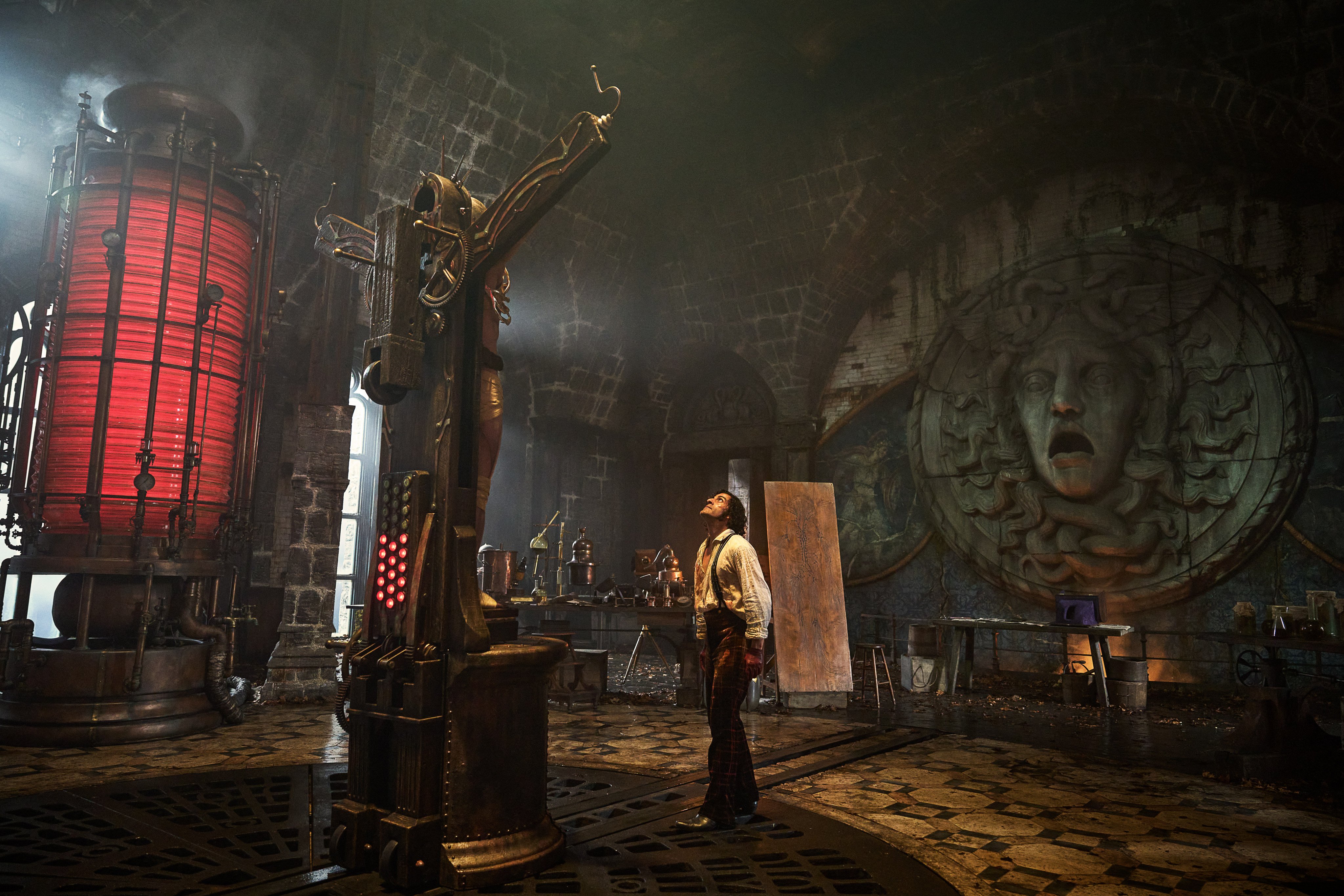
Del Toro also relocates the creation scene from Victor’s attic apartment to a more classic Gothic setting, a castle tower. The scientific process of creating life is more thoroughly explored, moving away from vague 19th-century mysticism toward a fleshed-out, believable method, where we physically see Victor attaining the dead body parts and assembling the Creature.

Victor’s friend Henry Clerval is reimagined as Henrich Harlander, Elizabeth’s uncle, who is afflicted with syphilis and obsessed with immortality. His disturbing wish to inhabit the Creature’s body ends tragically, as he dies prematurely, rather than in the book, when Henry is killed by the Creature in Ireland, and Frankenstein finds his body. Meanwhile, Victor’s reaction to the Creature’s birth is drastically different: Instead of fleeing in terror immediately, he embraces the Creature at first, only to imprison and later abuse him.
This darker version of Victor culminates in him setting fire to his own castle and lab, accidentally injuring himself and severing his leg when the blast knocks him back as the Creature cries out for help. The Creature himself also deviates from Shelley’s depiction: He lacks the iconic yellow eyes, has a deeper bond with the blind man from the family he stalks and learns English from, and, notably, survives at the end of the film, unlike the novel, where his fate is left ambiguous.
In a final twist, it is Victor, not the Creature, who accidentally kills Elizabeth, making the scientist even more culpable in the emotional devastation that unfolds. Del Toro’s adaptation shifts the tragedy from existential horror to deeply personal betrayal, creating a Frankenstein that’s as much about broken relationships as it is about man’s reach beyond nature and mortality.
How does del Toro’s character change the moral of the story?
Del Toro’s interpretation leans more into a clear contrast between good and evil, offering a sharper moral divide than the nuanced, morally complex vision Shelley originally presented. By making Victor more overtly abusive and cruel — locking up the Creature, setting fire to the castle, and even accidentally killing Elizabeth — del Toro reframes the tragedy as one of systemic, intentional harm, rather than one born from guilt or weakness. The Creature is not merely abandoned; he is actively betrayed by the man who created him.
In doing so, the film arguably shifts sympathy further toward the Creature, framing him as not just misunderstood but actively victimized, especially as he survives the story, unlike Shelley’s more ambiguous ending. It’s less a cautionary tale about the limits of defying death and more a critique of generational trauma. This reinterpretation may not possess the same philosophical subtlety as Shelley’s original. Still, it delivers a different, emotionally resonant critique.
Guillermo del Toro’s Frankenstein doesn’t seek to replace Mary Shelley’s classic; it aims to reimagine it for a modern audience. While Shelley’s novel wrestled with questions of morality and death, del Toro transforms the story into something more visceral and human. His adaptation replaces Shelley’s philosophical ambiguity with emotional immediacy, transforming Victor Frankenstein from a misguided idealist into a deeply flawed abuser of power and recasting the Creature as the true embodiment of empathy, while maintaining the theme of the need to find someone who loves him.
Learn more about the Frankenstein movie adaptation here.
Love reading the book before watching the movie? Find more book-to-movie adaptations in our Bookshop store!