


















In this edition of our 5×5 series, we sat down with five authors on how picture books can shape young readers’ minds. Picture books are often a child’s first doorway into their imagination — where words and art come together. But beyond the pages and bright illustrations, these books do powerful work: they help children make sense of emotions, relationships, and identity. To explore how picture books can shape young minds, we spoke with five authors who bring heart, humor, and honesty to their work. From tackling big topics like belonging and kindness to celebrating the small, everyday moments, each of them shares how their creative choices can leave a lasting impact on how children see themselves and others.
The Authors
Matt de la Peña
Matt de la Peña is the Newbery Medal–winning author of Last Stop on Market Street. He is also the author of the award-winning picture books Carmela Full of Wishes, Love, and A Nation’s Hope: The Story of Boxing Legend Joe Louis, and seven critically acclaimed young adult novels. Matt teaches creative writing and visits schools and colleges throughout the country. You can visit Matt at mattdelapena.com or follow him on Instagram @mattdelapena.
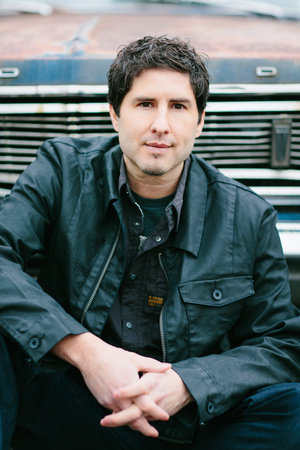
Bianca Schulze
Bianca Schulze is the founder and editor of The Children’s Book Review — a resource devoted to children’s literature and literacy — and hosts The Growing Readers Podcast. Bianca is also the author of Don’t Wake The Dragon (translated into 20 languages), now a six-book series, and 101 Books To Read Before You Grow Up (an Amazon Editors’ pick for Best Nonfiction for Kids). A passionate advocate for children’s literature, Bianca serves as the Webinar Coordinator for the SCBWI Rocky Mountain Chapter and is an active member of The Authors Guild. Born and raised in Sydney, Australia, Bianca now lives near Boulder, Colorado, with her husband and three children, where she continues to be a reader, reviewer, and devoted children’s book lover. For more information, visit https://www.biancaschulze.com. You can also find her working hard at https://www.thechildrensbookreview.com/.
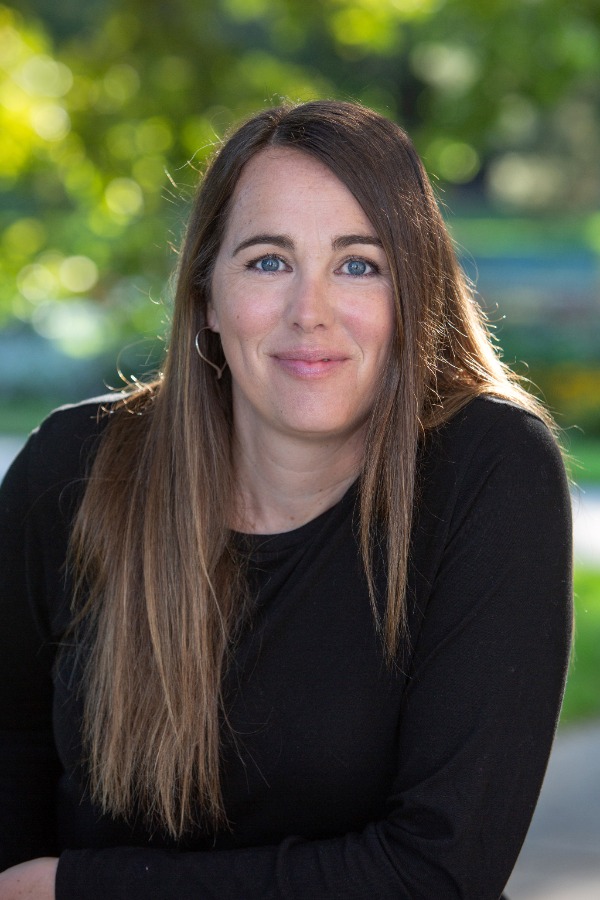
Pat Zietlow Miller
Pat Zietlow Miller has published 22 picture books and has more on the way. Her first book, Sophie’s Squash, won the Golden Kite Award, an Ezra Jack Keats New Writer Honor, and a Charlotte Zolotow Honor. Be Kind was on the New York Times bestseller list for 10 weeks, and In Our Garden is a two-time Dolly Parton Imagination Library selection. Pat lives in Wisconsin with her one wonderful husband and two delightful cats.
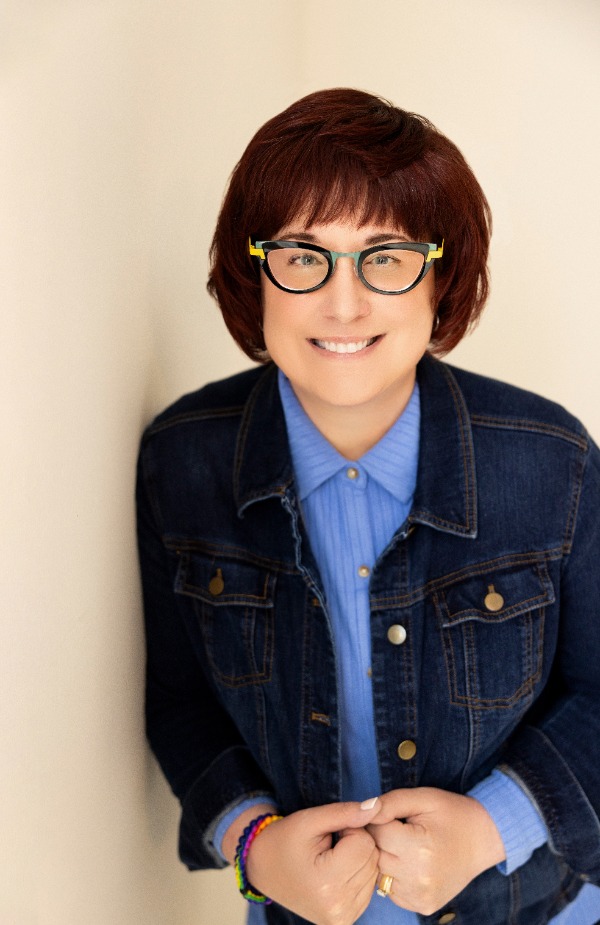
Jehan Madhani
Jehan Madhani is a South Asian-American writer and cartoonist for audiences big and small. Her first picture book, Eli and the Uncles, was published by Candlewick in 2024 and received the Lee & Low 2020 New Voices Honor. She was a fellow in the inaugural class of the Sesame Workshop Writers’ Room, and as a TV writer, she has been Emmy-nominated for her work on Karma’s World on Netflix. Her work can be seen across a number of shows, including Deepa & Anoop, Lyla in the Loop, Get Rolling with Otis, and Dee & Friends in Oz. She lives in Brooklyn with a family of unappreciative cats whom she repatriated from her parents’ Houston, Texas, garage.
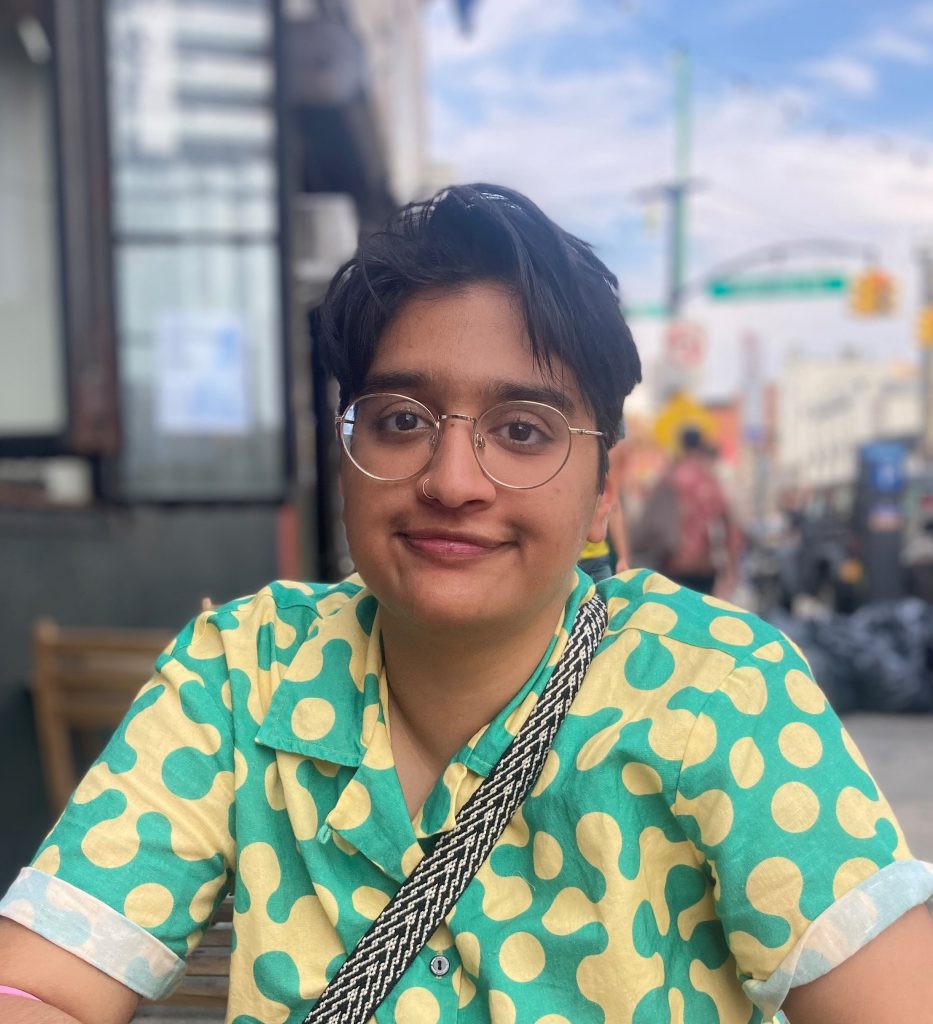
Valerie Bolling
Valerie Bolling is an award-winning author/educator who is passionate about creating stories for children in which they can feel seen, heard, valued, and validated. She’s the author of 12 books, including the SCBWI Crystal Kite Award winner, Let’s Dance!; Kirkus Prize Finalist, Together We Swim; Junior Library Guild Gold Standard Selection, I See Color; Scholastic Acorn early reader series, Rainbow Days; and a book for teachers, Goal Setting in the Writing Classroom: Building Student Agency, Independence, and Success. Sharing her books with young readers and their families — and inspiring both children and adults to write their own stories — brings Valerie immense joy! You can find her here: linktr.ee/ValerieBolling.
The Questions
How do picture books help children understand and express their emotions? Can you share an example from your own work?
Matt:I remember visiting a school in Georgia, and I read Love to a big group of elementary-aged students for the first time. This was back before the book was even published. And a third-grade boy raised his hand and told the group, in the most earnest voice I’ve ever heard, “When you just read that to us, I got this feeling. In my heart. And I thought of my ancestors. Mostly my grandma, though…because she always gave us so much love. And she’s gone now.” And then he started quietly crying. And a handful of the teachers started crying, too. And I remember being so amazed that stories and poems can help people, including the young, tap into their own hearts and reflect on their lives.

Bianca: Picture books are uniquely powerful tools for emotional development because they combine visual storytelling with accessible language to create safe spaces for children to explore complex feelings. Unlike the real world, where emotions can feel overwhelming and confusing, picture books provide children with a controlled environment in which to witness, understand, and process different emotional experiences through characters they can relate to.
Pat: Picture books should have what I call a universal moment of truth. A page or a line that makes readers of all ages think, “Oh! I’ve felt like that before.” Moments of truth draw readers into the book, show them that they’re not alone, and promote connection with other people who might not seem much like them at first glance.
My book with Eliza Wheeler, When You Are Brave, is about finding your inner courage. It has the line: “Because some days are full of things you’d rather not do.” And that is a truth that anyone — from a pre-schooler to a teenager to a middle-aged corporate executive to a senior citizen — can relate to!
Jehan: Picture books can help provide children with a vocabulary for expressing their emotions. They illustrate the things they might be feeling, and help them place them. We can give them examples to point to, even if they might not have the words yet.
In Eli and the Uncles, the focus is more on family connection. There’s an opportunity for caretakers to help children connect to their own emotions regarding seeing family, missing family, and how they might feel at the end of a family visit, though the book itself is more focused on togetherness and celebration.
Valerie: Reading and discussing books is a wonderful way to help children better understand themselves and others and to provide an outlet for them to express their emotions. Since picture books feature characters that children can relate to, they may see themselves in a story and in a character’s experience.
For example, in my book, Together We Ride, a young girl learns to ride a bike with the guidance and support of her father. Most children have learned, or will learn, to ride a bike with the assistance of a loving adult. Therefore, children can immediately relate to the character’s journey. When the girl falls while riding her bike and cries, children can connect to that emotion. Even if they haven’t fallen off a bike, they know what it feels like to fall — or to be hurt or sad.
When I read this book to children, I ask them to predict what the girl will do after her fall. Will she give up for good? Will she take a break and return to her bike another day? Will she get right back on? Giving children these options and the chance to vote for their prediction helps them explore their own feelings about what they would do in the character’s situation.
Even though the girl in the book (spoiler alert!) decides to get back on her bike, I always let children know that any of the choices are fine. What’s also great for adult readers to notice is that the girl’s father is there to comfort her but allows her to make her own decision — giving her agency — about whether she wants to continue learning how to ride her bike.
How do you tackle complex themes (like diversity, empathy, kindness, loss, or courage) in an accessible way for young readers?
Matt: I always think of a volume knob on a speaker. There are times I want to turn up the challenging parts of a story. And there are times I want to turn it down. When you take on big ideas in story, like so many of us do, it’s all about finding the right calibration for your chosen form (picture book, middle grade, YA, etc). The great thing about having illustrations is that sometimes you can allow the picture to do more of the heavy lifting. Other times, the picture can add whimsy to a heavier line of text.
Mostly, though, I just try to be as honest as possible with my reader, without ever allowing the message to outpace the story.
Bianca: In my Don’t Wake the Dragon series, I explore themes such as empathy, kindness, and self-acceptance through straightforward premises. For example, in the first book, the narrator desperately pleads with readers not to wake the sleeping dragon, while everything around the dragon becomes increasingly chaotic and tempting to interact with. Children immediately understand both the narrator’s anxiety and their own mischievous impulse to see what happens if they do wake the dragon. Rather than lecturing about empathy, I let children experience multiple perspectives — the worried narrator, the peaceful dragon, and their own role as the reader who holds the power.

Books like The Invisible Boy by Trudy Ludwig don’t tell children to include others; they show what invisibility feels like and let young readers draw their own conclusions about the importance of kindness. The key is trusting children’s emotional intelligence. They can handle big themes when they’re presented through relatable characters and situations they understand.
Pat: I wrote many of my books that deal with these themes — like Be Kind, Be Strong, and In Our Garden — in first person. I like that approach for these sorts of books because I can tell the story from inside the head of my main character.
Readers can watch the main character puzzle out what to do and think about what they’d do in a similar situation. And, because the kid main character is thinking out the solution themself, there’s not an adult swooping in to fix the situation.
Jehan: And I think the way I address or would address any complex themes for readers this age is the same — extremely simply. Eli is a goodnight book centering familial love, so while it does not get too deeply into complex themes, I think it is a good starting point for understanding diversity.
Our readers are fairly new to the world — the starting point is showing them that something is a part of their world. Make it feel familiar — make diversity the rule in the book, and then help them understand it, without making it feel novel or out of the ordinary. This is an opportunity to expand their world without those new things feeling out of place. A brown family with names like Mahmoud just is, the same way a little boy named Max just is!
Valerie: The most crucial thing to remember when writing a story for children is to make it accessible for them. If it’s interesting — with characters they can relate to and an entertaining story told in a child-friendly way — any theme will be attainable.
My book, A Flea for Justice: Marian Wright Edelman Stands Up for Change, is about a woman who is a champion for children and civil rights, and, over 50 years ago, founded the Children’s Defense Fund. Children should know about Mrs. Edelman’s life of service and contributions to our country; however, I had to figure out how to tell this story in a way that would be appropriate and engaging for them. One of the scenes in the book shows Marian fighting for justice at a very young age by switching water fountain signs, designating which fountain was for Black people and which was for white people. Some young readers may already know about segregation and can talk about other examples of discrimination. Older children may even notice examples of separation in their schools, neighborhoods, and places of worship.
For those who may not know about segregation, it’s an opportunity for them to learn about it and discuss it. All children can be encouraged to do their part to create a more equitable world.
How do your books encourage creativity and imaginative play in children?
Matt: I think the biggest lesson I’ve learned as a writer over the years is to allow as much room for the reader as possible. This encourages more agency from the child reading the story. I also love mystery and ambiguity in a story. Take a line like, “Goodnight, nobody,” in Goodnight Moon. I don’t even know what that means exactly, but I’ve been thinking about it since I first encountered the book. The author gave space for that contemplation.
Bianca: Don’t Wake the Dragon, along with all the books in this series, is deliberately open-ended and packed with interactive elements that engage children physically with the story. Each book invites readers to participate by stroking the dragon gently, singing lullabies, dancing around, rocking the book from side to side, and even hugging the book. These aren’t just cute additions — they transform reading from a passive activity into a full-body, imaginative experience where children become part of the story world.
The best children’s books, I believe, are launching pads rather than destinations. While the dragon tries to sleep, children often create their own theories about why she’s so tired, where she comes from, or what might happen if she actually wakes up. They should spark “what if” questions and inspire children to continue the story in their own minds long after the book ends. When a child finishes rocking the dragon to sleep, they might wonder what dreams dragons have, or create their own bedtime rituals for imaginary creatures at home.
Pat: When parents and kids finish one of my books, I always hope they’re inspired to make or do something. Maybe they’ll find some rocks and do impressive things with them, like in What Can You Do with a Rock. Maybe they’ll challenge their friends to a race after reading The Quickest Kid in Clarksville, or maybe they’ll find their inner scientist and test a hypothesis like in My Brother the Duck.

If a picture book is fun and engaging, the possibilities are endless.
Jehan: One of my favorite things about Eli being out in the world is having the opportunity to do story times at bookstores and libraries. I get to experience some of the fun with the readers for myself! There are more obvious opportunities for play — counting the uncles together, finding all the uncles on the pages, and trying to remember which uncle is which.
And then there are the sillier opportunities — what kind of beard would you have? What would it look like? Can we draw a beard together? Let’s make our own beards! (I wear a crocheted fake beard and we all have a great time.)
We have a lot of fun discussing textures and brainstorming colors, beards might be — I draw the beards kids describe. The book uses similes to describe the uncles’ beards — it’s fun to think of all the other things a beard might feel like! A pokey plant! A cat’s soft belly!
Valerie: I’ve written several picture books encouraging children to move, play, and be creative. Let’s Dance! introduces children to dances from around the world and incorporates diverse representation in terms of gender, race, body size, and physical ability. Children are encouraged to dance along and “bust” their own creative moves. Bing, Bop, Bam: Time to Jam! showcases musical instruments from across the globe at a neighborhood block party. Children can be musicians as they play instruments to accompany the story, or they can make their own instruments. My Scholastic Acorn early reader series, Rainbow Days (The Gray Day, The Gold Bowl, and The Orange Wall), is perfect for budding artists. Zoya and her puppy, Coco, enjoy making art together. Children may derive inspiration for their own art projects, or they may use their imaginations to write and illustrate their own stories.
How can parents and educators use your books to spark important conversations with children?
Matt: There’s no safer place to encounter a new or challenging idea than in the lap of a loved one or in the classroom of a favorite teacher. The real magic of picture books happens in the conversations that come after the story is over, especially when a parent or teacher is willing to let the child lead.
Bianca: My Dragon series can be really helpful for discussing respect and boundaries, as well as considering others’ needs. Parents can ask questions like: “How do you think the dragon feels?” or “What could the characters do differently?” These aren’t quiz questions — they’re genuine conversation starters. The key is asking open-ended questions and genuinely listening to children’s responses. Sometimes their insights surprise us and teach us something new about the stories we thought we knew.
Pat: Picture books are natural conversation starters. You read the book together and start asking questions like: “What would YOU have done in this situation?” “When have you felt this way?” “What else could the character have tried?” “What might have happened then?” “How does this story make you feel?” “What surprised you?” These questions work for fiction or nonfiction stories.
Unstoppable John sparks great conversations because many kids today don’t realize that it wasn’t that long ago that some people couldn’t get library cards because of their race. They’re often stunned to find that out.
Jehan: Eli and the Uncles is about a unique family. Without ever getting into specifics (are they eight brothers, are they cousins, are they not blood relatives at all?), Eli offers up a version of family that kids might not always see. And it might be a more exaggerated (and bearded) example, but I think it can open the door to discussing that families don’t have to look a certain way.
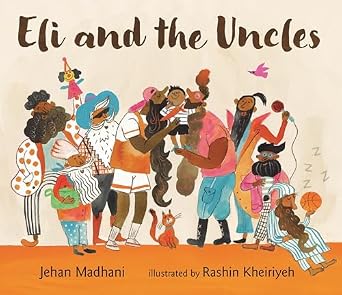
The uncles have all sorts of interests and ways of dressing. No uncle is afraid to be himself, and I hope educators use the book as an opportunity to show children that they can be themselves and be celebrated. There is also an opportunity to talk about bodily autonomy and consent. Eli chooses to kiss his uncles goodnight. He is never told to do so. He wants to. And that’s a joy! But if he didn’t want to, he wouldn’t have to!
All of these discussions take something established in the book and help children try to understand it more deeply within their own context. Take what we’ve read together and compare it to their world, and help them understand their own similarities and differences. And how those things being different does not mean they’re inherently good or bad!
Valerie: The most important part of reading a book is asking children questions before, during, and after reading. I could argue that to read a book to a child without asking questions and encouraging discussion isn’t really reading. In fact, one of the reasons some adults have issues with certain books — and even want them banned from classrooms and libraries — is because they are fearful of the questions children might ask and uncomfortable having certain discussions themselves. Books spark necessary conversations for parents and educators to engage in with young readers, and my books offer the same opportunity.
My books, Together We Ride and Together We Swim, can ignite conversations about perseverance, resilience, and independence. Learning how to ride a bike and swim are not only worthwhile life skills but also leads to independence and ensures safety. Parents and educators can ask children what else they would like to learn while acknowledging that learning — and failing at first — is a natural part of life. I See Color and A Flea for Justice are fodder for discussing a more equitable world and learning about and celebrating the accomplishments of racially and culturally diverse Americans who children and adults should know. These books also inspire conversations about what children can do to be changemakers and make them aware that, no matter their age, they can make a difference.
What do you hope children take away from your stories long after they’ve closed the book?
Matt: The world is so amazing and mysterious and beautiful, and we’re so lucky to be here to witness it. Even when the darkness creeps in, I still feel this way. And I hope to encourage young people to feel that way, too. And also, all this beauty and mystery can be found in working-class communities, too. Trust me!
Bianca: More than anything, I hope children develop a love of reading — the belief that books are for them, that their opinions about stories matter, and that reading can be a source of comfort, adventure, and connection throughout their lives.
With my Dragon books, I hope children remember that everyone deserves rest and respect, and that small acts of consideration can make a big difference. But honestly, if they just remember giggling at a sleepy dragon and feeling good about reading, that’s enough.
Pat: Great picture books are ones that linger with the reader after the last page is turned. They’re the ones kids want to hear again and again. Maybe because they’re funny, or reassuring, or remind the reader of some part of their life. I hope my books make readers feel safe, loved, and hopeful, and that they can find themselves inside the story.
I strive for this with all my books, but when I wrote Remarkably You, I especially tried to think of every type of kid and include them somewhere in the text so they could say, “Hey, that’s ME!”
Jehan: With Eli and the Uncles (and any future books), my priority is that my readers to feel warm and safe and happy. I always want my work to be a soft place to land, and I hope that feeling is one children carry with them long after they’ve put the book down, even if they might not be sure how to articulate it. More specifically, in Eli, I want them to know that little boys can be soft and gentle and love openly!
Valerie: First of all, I hope children enjoy my books. If they enjoy them, then, hopefully, they’ll want to read them again and again and also read as many books as they can. I’m a champion for literacy; I want children to love reading and writing and maybe even be inspired to write their own stories. If my books do that, then I’ve achieved my goal as an author.

Secondly, we learn by reading, and, ideally, there are some valuable takeaways from most books we read. When children read my books, in addition to enjoying them, I hope they remember and internalize one or more of the following ideas, which are present in my books:
Get up and move … and have fun!
Surround yourself with the love and support of family and friends.
Persevere, and you’ll reach your goal.
Celebrate our diverse world.
Be creative!
Stand up for what’s right.
Discover something new about yourself.
Learn about others, especially people you may not be taught about at school.
Bonus Questions
We all have a favorite picture book from our childhood that stays with us long into our adult years. We’re curious, what’s yours?
Matt: My mom claims it’s: Thy Friend, Obadiah. But can I also choose a modern classic? I love love love the picture book Watercress, and Alma, and Each Kindness, and The Adventures of Beekle, and I Want My Hat Back, and All the World. There are so many amazing picture books out there!
Bianca: I change my mind about this answer all the time — ha! Today, I’ll tell you it’s a tie between two books that shaped my love of reading. Each page of Graham Base’s Animalia was filled with incredible artwork that began with a letter of the alphabet, from A to Z. Finding all the hidden objects that started with each letter became an obsession — I’d spend hours poring over the detailed illustrations! That book, subconsciously, taught me that reading could be an active experience, rather than just a passive consumption of words.
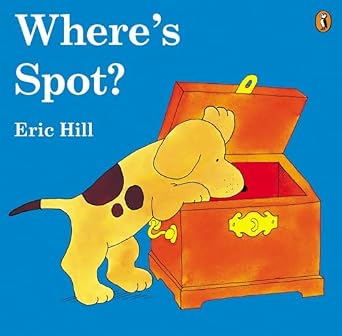
Eric Hill’s Where’s Spot? was probably the first awesome book that introduced me to the magic of interactive storytelling. Lifting those flaps to find Spot hiding in unexpected places made me feel like I was part of the story. The anticipation, the surprise, and the control I had over revealing the narrative still sticks with me today. Both books proved that the best children’s literature invites participation and rewards curiosity — principles that guide almost everything I create today.
Pat: Alexander and the Terrible, Horrible, No Good, Very Bad Day by Judith Viorst, one of my all-time favorite writers. It has one of the best first lines in the history of picture books.
Jehan: I’ll Meet You Halfway by John Schindel is a book I still think about. It’s about two friends — a turtle and a frog — who live far away from each other and agree to meet in the middle. The sweater the turtle knit unravels except for a sleeve, and the cake the frog baked is mostly eaten by birds, but they’re still so delighted to see each other (and celebrate the scarf, berries, and cream they have remaining). It’s so sweet, and it still makes me happy! And it was a book that made me feel so warm and surprised and stirred up all these big feelings when I was so young. I was sad that their gifts hadn’t made it, but so happy that they had reached each other and were happy with what had made it!
And all of it could be true at once. And I think that’s why it sticks with me — I still feel the feelings it taught me how to feel!
This next one was less about tugging on the heartstrings, but was probably the picture book I picked up the most. Pigs Will Be Pigs: Fun with Math and Money. A family of pigs needs money to go out for dinner! They all run around the house, collecting any cash they come across.
The total adds up throughout — I was enrapt. Honestly, I feel like I would still learn a lot about finances from those pigs. (I think this is what the kids call a recession indicator.) A normal answer would be If You Give A Mouse A Cookie or The Very Hungry Caterpillar, both of which I also loved, but I needed to know if those pigs were gonna make it out to dinner.
Valerie: As an author of picture books, you’d probably expect me to have a favorite picture book from my childhood, but I don’t. When I think about the books that I enjoyed having read to me as a child, and the ones I enjoyed reading on my own, they weren’t picture books, but chapter books. I liked Frog and Toad, Amelia Bedelia, Charlotte’s Web, James and the Giant Peach, and The Five Little Peppers and How They Grew. I was a huge fan of series like Mrs. Piggle Wiggle and Betsy–Tacy and Tib, and anything written by Beverly Cleary or Judy Blume.
Any new upcoming releases we should be keeping our eyes open for?
Matt: I have two picture books coming out in the next couple of years: Rafa When the Dust Clears and Sofia Has Something to Share. And my first middle-grade is coming out in 2026: The Manny Step Back.
Bianca: 101 Books to Read Before You Grow Up (Revised Edition) was just released in September 2025, so I’m still in the exciting phase of hearing from families who are discovering it for the first time! It’s been wonderful to see how the interactive elements and book selections are resonating with readers.
Looking ahead, I’m thrilled to share that Merry Christmas, Dragon will be released in 2026 — the latest addition to the Don’t Wake the Dragon series! Without giving too much away, let’s say that it’s essential to remember to slow down and remain present. I can’t wait for families to experience all the festive interactive elements.
Pat: One Can Be, written by me and gorgeously illustrated by Annie Cron, came out September 2nd from Beaming Books. It’s an ode to quiet readers and leaders of all ages with a hat tip to Little Free Libraries!

Jehan: Nothing on the immediate horizon in terms of new books, but I’m always doing author events and story times (particularly around New York!). An episode I wrote of Blaze and the Monster Machines just came out, and I have episodes of a few other shows, like Lyla in the Loop and Phoebe & Jay, on the horizon!
Valerie: My next picture book, The March for Hope (illustrated by Monica Mikai), is scheduled for release on January 20th, 2026, and a board book, Chloe’s Community Garden (illustrated by Felicia Whaley), is slated for 2027.
I’m currently working, simultaneously, on my second and third books for teachers; one will be available for sale in 2026 and the other in 2027. I’m also continuing to write and revise picture books and board books.
Thank you to these wonderful authors for taking a moment to speak with us! These authors remind us that picture books are more than just teaching a lesson — they’re about connection. Through color, rhythm, and story, they help children understand that their feelings matter and their voices count. Whether it’s sparking curiosity, inspiring courage, or simply making a child feel seen, picture books have a quiet but lasting influence.
Find Matt de la Peña here.
Find Bianca Schulze here.
Find Pat Zietlow Miller here.
Find Jehan Madhani here.
Find Valerie Bolling here.
What to learn more about indigenous children’s authors on storytelling? Click here.
Need more children’s book recommendations? Check out our mini bookworm recommendations bookshelf on Bookshop.
