








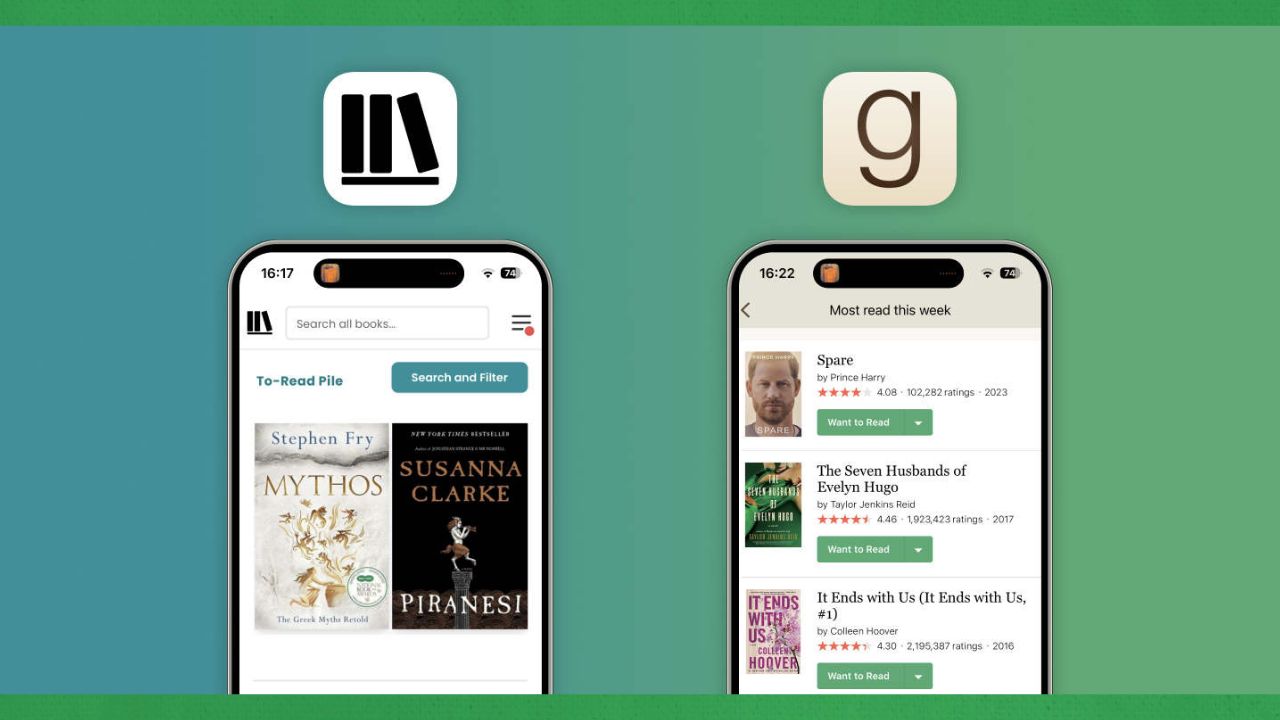
The digital age has transformed how readers engage with books, and platforms like Goodreads and StoryGraph have become essential tools for tracking reading habits, discovering new titles, and connecting with like-minded bibliophiles. But beyond their features lies a growing conversation about the ethics of platform ownership and how it shapes the user experience. As debates over Amazon’s influence persist, many readers are turning their attention to alternatives like StoryGraph.
A Tale of Two Platforms
Founded in 2007 by Otis and Elizabeth Chandler, Goodreads was born out of a desire to create a space where readers could share book reviews, organize their virtual shelves, and discover new titles. By 2013, Goodreads had grown rapidly, with over 16 million members and millions of books cataloged. This success caught the attention of Amazon, which acquired the platform, integrating it into its ecosystem and aligning it with the retail giant’s broader interests. The Chandlers justified their decision by highlighting the benefits that Amazon could bring to the platform.
“With the reach and resources of Amazon, Goodreads can introduce more readers to our vibrant community of book lovers and create an even better experience for our members.”
Otis Chandler, Goodreads
They also promised long-requested features such as integration with Kindle, which would allow users to sync reading progress across devices. Despite this acquisition, the Chandlers reassured users that Goodreads would remain independent in brand and culture stating: “Amazon supports us continuing to grow our vision as an independent entity, under the Goodreads brand and with our unique culture.”

While the acquisition brought significant resources to Goodreads, it also fueled concerns about corporate influence. Critics argued that Amazon’s involvement would prioritize commercial interests over user-centric innovation, a sentiment that continues to resonate today.
In contrast, StoryGraph emerged in 2019 as a direct response to Goodreads’ corporate affiliations. Founded by Nadia Odunayo, StoryGraph set out to provide an ethical, independent alternative to the Amazon-owned platform. With a focus on independence, innovation, and reader empowerment, the platform offers features such as mood-based recommendations, advanced analytics, and tools for tracking personalized reading goals. StoryGraph’s ethos reflects a commitment to staying small and user-driven, appealing to readers who value ethical consumption and a modern user experience.
Features Compared
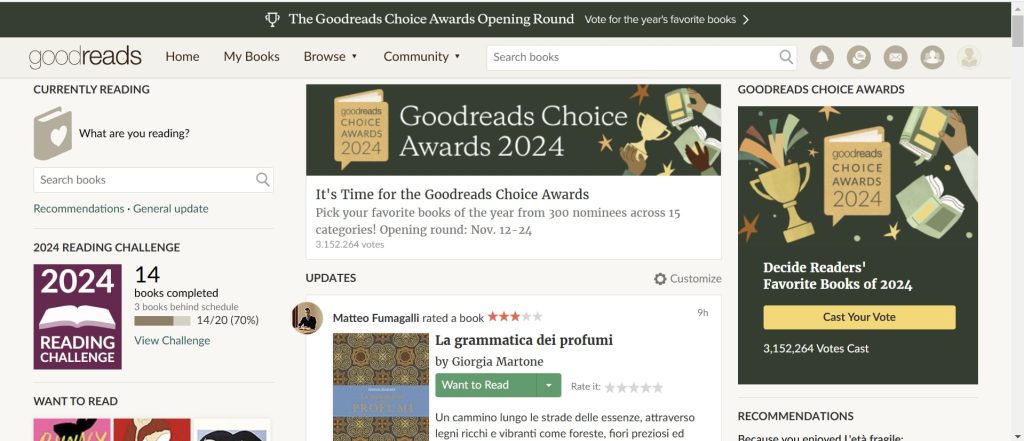
When comparing Goodreads and StoryGraph, the differences in their functionality and approach become immediately apparent. Goodreads, with its 16 years of history, has cultivated a massive library of books, reviews, and discussion forums. Users can create virtual shelves, rate books, and leave reviews, all of which are visible to an extensive global community. Goodreads also boasts integrations with the Kindle ecosystem, allowing users to seamlessly sync their reading progress and notes between devices. However, many users have criticized Goodreads’ interface for feeling outdated, with limited updates or innovations since its 2013 acquisition by Amazon.
StoryGraph, on the other hand, offers a fresh perspective on book tracking. Its design prioritizes personalization, with unique features like mood-based recommendations. Instead of simply suggesting popular titles, StoryGraph asks users to describe their preferences — such as the desired pace, emotional tone, or even the kinds of themes they want to explore — and curates recommendations accordingly. Its advanced analytics break down reading habits in new ways, offering insights such as the average page length of books read, the diversity of genres explored, or even the balance of fiction versus nonfiction.
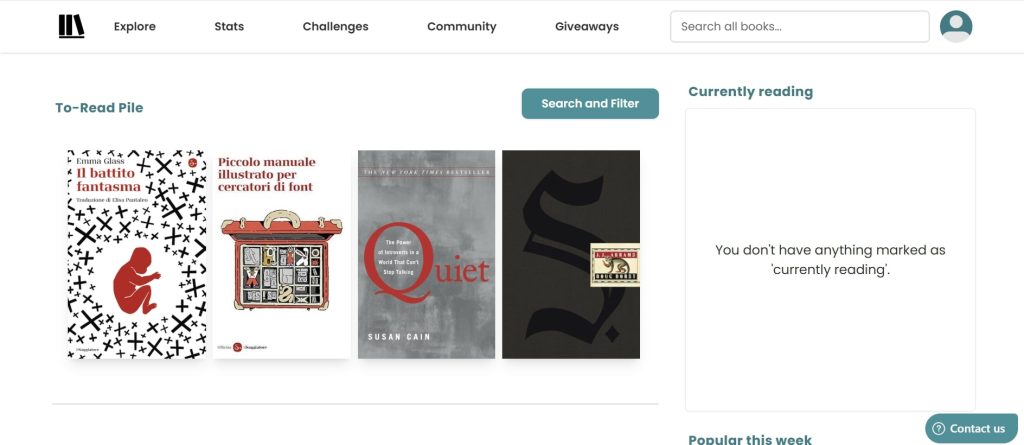
For readers with specific goals, StoryGraph also includes tools for tracking challenges, such as aiming to read more diverse authors’ works or expanding into underexplored genres. Moreover, its ability to import Goodreads data makes it easy for users to switch platforms without losing their reading history.
Despite these advantages, StoryGraph remains smaller in scale, which means its community features, like reviews and lists, are less robust than Goodreads’. The breadth of Goodreads’ user-generated content, particularly its extensive library of book reviews and recommendations, is an undeniable strength for readers looking for crowd-sourced opinions.
Choosing Your Platform
Ultimately, the choice between Goodreads and StoryGraph depends on your priorities as a reader. Are you drawn to the convenience and community of Goodreads, despite its ties to Amazon? Or do you value StoryGraph’s ethical independence and innovative features? As the discourse around Amazon’s influence continues, StoryGraph is steadily gaining traction among readers who prioritize ethical consumption. Regardless of your decision, the rise of platforms like StoryGraph reflects a growing demand for alternatives that align with the values of today’s conscious consumers.
Still not sure which one to use, then we’ve got you covered: here are 5 book tracking apps, approved by the Bookstr team!
Looking for your next great read? Visit Bookshop.org today and explore a wide selection of books curated just for you!