

















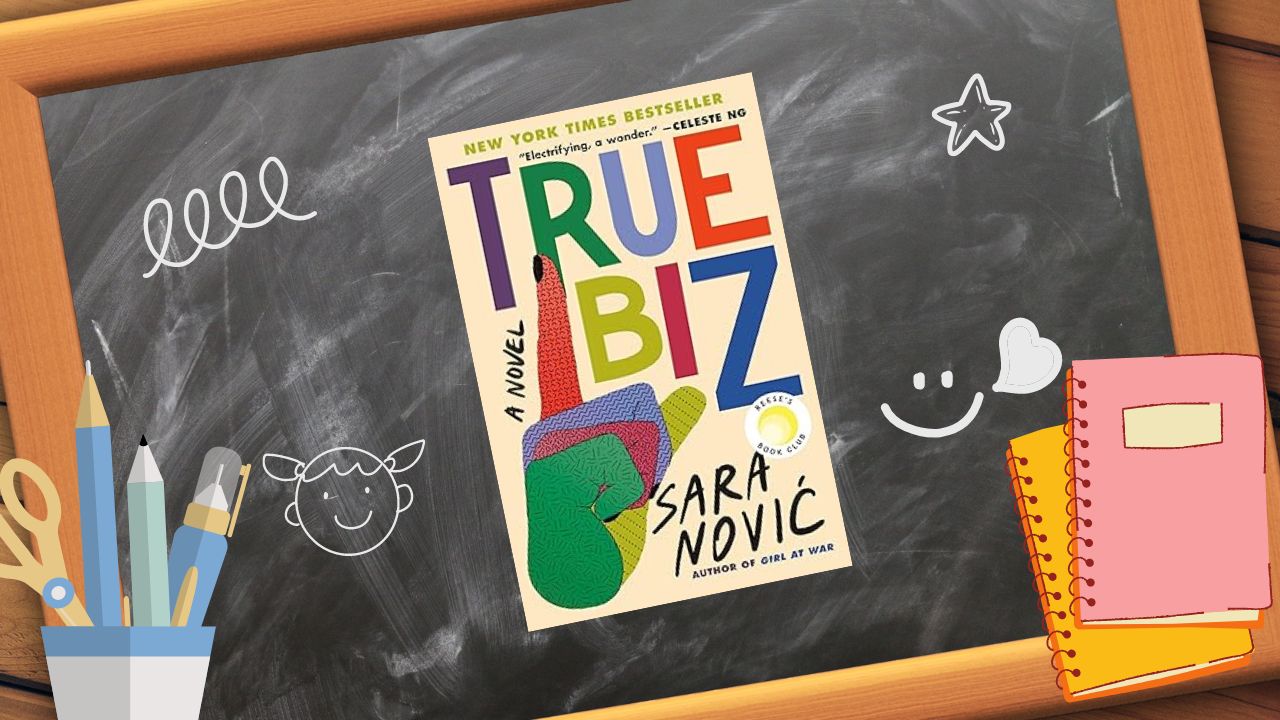
Sara Nović’s talent for writing about deaf characters shines through in her ability to create deeply relatable and multidimensional individuals who navigate the complexities of identity, communication, and belonging. Her narratives represent the lived experiences of the deaf community — capturing the unique challenges and the vibrant culture that define it. Nović’s characters are not defined by their deafness alone, but her authentic representation pulls readers into a world that is often underrepresented in literature. The Bookstr team’s own Amy Chin asked Sara Nović seven questions to gain a deeper insight into her inspirations and creative process as a deaf novelist.
Deafinitely the Real Deal
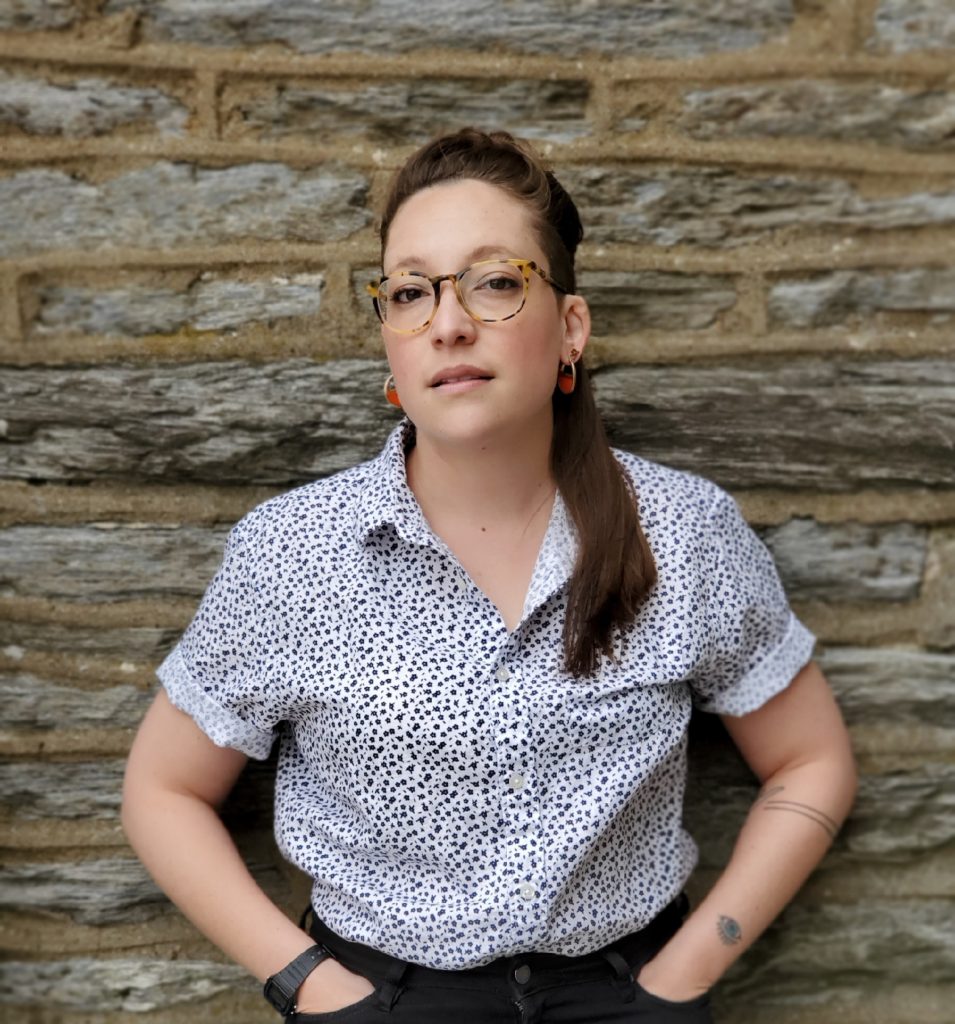
Sara Nović is a literary triple threat! Nović is an exceptional writer, a talented translator, and one heck of a deaf rights activist. Her debut novel, Girl at War, was an Alex Awards recipient. Her second book, True Biz, became a New York Times bestseller. Sara has been recognized for her work translating poems written by the Bosnian writer Izet Sarajlić, and in 2014, she was awarded an ALTA Travel Fellowship by the American Literary Translators Association. Sara Nović, who holds an MFA in fiction and literary translation from Columbia University, is a professor of deaf studies and creative writing at Stockton University. She’s also an editor at Blunderbuss Magazine and the founding editor of Redeafined, an amazing deaf rights blog.
The Deaf Experience
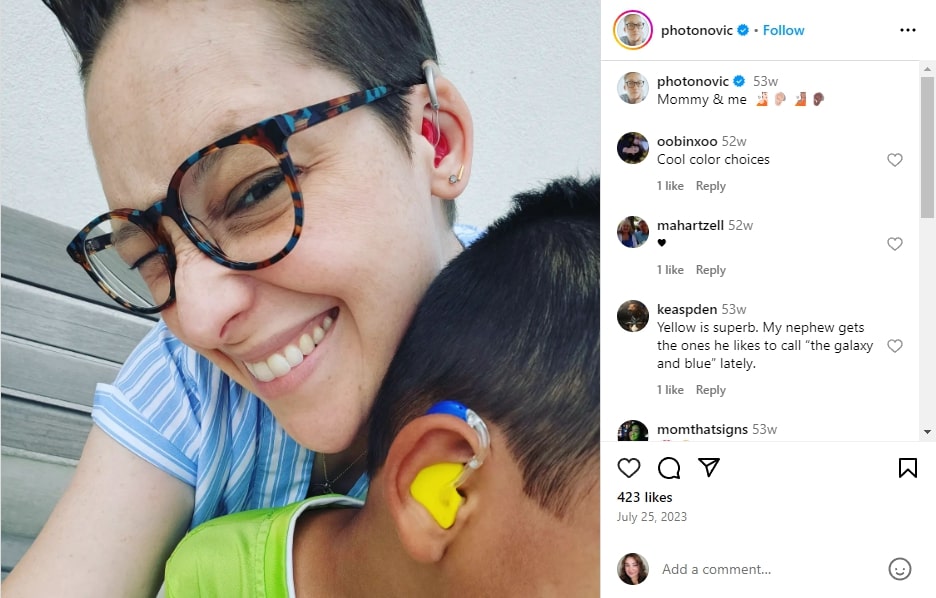
What was your experience with books that contained deaf stories, issues, or characters prior to becoming a writer?
I had really only seen a handful of deaf characters in fiction before writing True Biz, most famous among them being in The Heart is a Lonely Hunter and The Stand. Both of those portrayals were pretty problematic, yet I also remember being excited that they even existed, which was a signal to me about how starved for representation we are. Part of the idea for True Biz was to write something where there wasn’t just a token deaf person by themselves to be pitied, but part of a community, which is an important part of the real deaf experience.
Your novel, True Biz, incorporates both American Sign Language (ASL) and English. As someone who is currently taking an ASL class, I’ve seen just how vivid and visual the language is. What was the process like to make sure ASL was accurately represented?
Figuring out ways to represent ASL on the page was something I obsessed over while writing this book. I wanted readers to understand that ASL isn’t “broken English” but is, in many contexts, clearer and more descriptive than English, so I steered away from basic ASL gloss, which prioritizes word order, and thought instead about how to use space on paper as ASL uses space. That’s how I ended up with the system of visual dialogue tagging where each character speaks from a specific place, similar to how we might use role shifts or move characters around in an ASL story. I also collaborated with a deaf artist — Brittany Castle — who drew the images you see throughout the book. While I don’t think anyone can do justice to ASL in a 2-D medium, I hope the book shows hearing folks that there is a lot more to the language than they think.
On Writing
When it’s time to delve into your writing, do you have specific rituals or elements around you that you find crucial for entering the writer’s mindset?
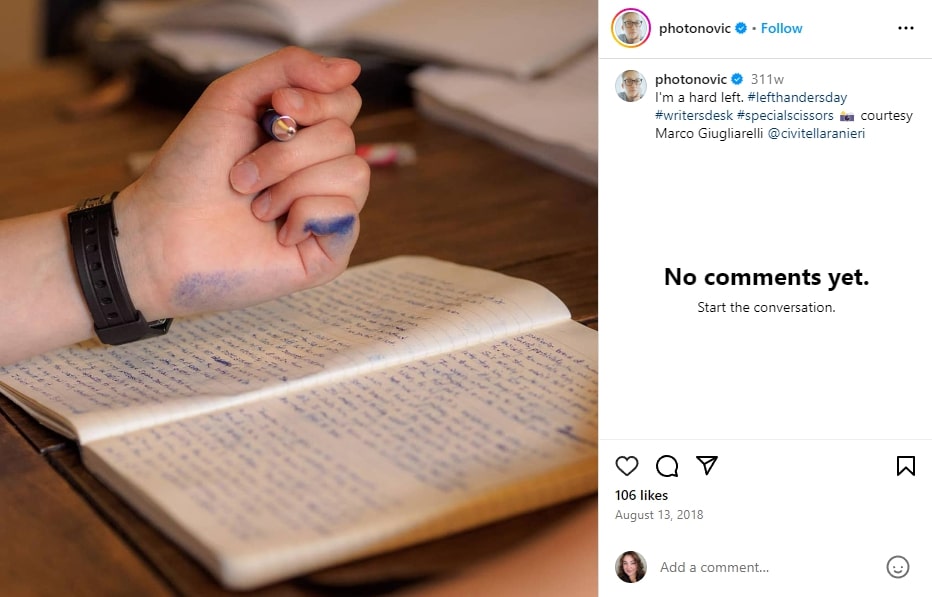
These days, because I have kids, I’m mostly just stealing any time I can get to write. But ideally, if I’m writing fiction, especially generating new material, I need to be at a table and with minimal distractions. (As a deaf person, though, somewhere like a coffee house is still fine since noise isn’t an issue.) Often, if I’m just starting something, I need to write by hand to prevent myself from deleting and writing the same sentence over and over.
Beyond your career as a writer, were there any alternative paths or professions that you considered pursuing?
As a first-gen college student, I fully intended to emerge from college with a capital-J job, something reliable. I do love teaching, and before going back to grad school I was a substitute teacher in special education settings, so I would probably teach full-time in a parallel life. Or I’d go full nerd and get my PhD studying linguistics.
If you had to choose a favorite character you’ve written, who would it be and why?
I think Ana from Girl at War is one of my favorites because she taught me so much as a writer and also because, as a young adult, she’s a little unlikeable, but there’s a reason why she is the way she is — a good reminder that we often don’t know others’ full stories.
Shout Outs and Recommendations
You’ve collaborated with Brittany Castle, a deaf graphic artist who created the sign language illustrations in True Biz. Are there other deaf creatives or writers you believe should be spotlighted?
There is so much talent in the deaf community across mediums. As for writing, here’s a (n incomplete!) list of deaf authors to check out:
https://novicnews.substack.com/p/so-that-happened.
Lastly, what are you currently reading? Any recommendations?
Currently, reading The God of the Woods by Liz Moore, and it’s a lot of fun — definitely recommend!
Sign of the Times, Great Times
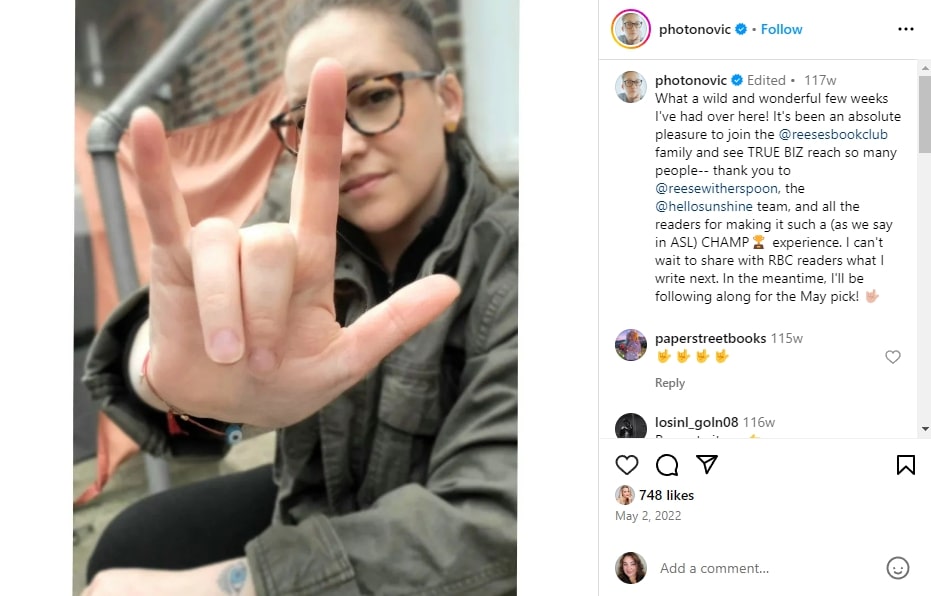
Sara Nović stands out as an impressive voice in contemporary literature — not only for her masterful storytelling but also for her authentic representation of the deaf community. Her contributions to literature and advocacy for deaf rights make her an infamous figure in both the literary and deaf communities. We deeply thank Sara — the woman who brought ASL to life for readers everywhere — for answering our questions about her personal inspirations and experience as a deaf writer.
Discover more books that redefine disability representation by clicking here!
Browse our bookshelf for more curated Bookstr team recommendations by clicking here.
