

















Mental health struggles are more often depicted in the media now than ever before. While not all representations are accurate, they are also becoming more common, raising awareness and making those who struggle feel seen and heard. Read on for some video games and books with strong mental health themes.
Trigger warning: This article discusses topics such as depression, anxiety, PTSD, psychological trauma, self-harm, suicide, death, and more, which may not be suitable for all audiences. Please exercise personal care while reading.
Video Games
Fire Emblem: Three Houses
You, the player, play as Byleth, a mercenary-turned-professor at an academy for the most promising young people in the country. It’s split into three houses based on where the students come from, and it’s your job to teach and guide them as they make their way into the world; the house you pick is also the house you fight within a brewing war.
The game isn’t explicitly about mental health, but many of the characters suffer from mental health issues. The issues they deal with — and how they deal with them, vary, but there’s one thing they all have in common: it’s easier for them to cope and overcome their struggles as they form close bonds, most notably with your character. Their mental health issues don’t magically go away, but as they confide in others and grow closer, they become easier to manage.

A prominent example is Dimitri Alexandre Blaiddyd, the leader of the Blue Lions and Crown Prince of Faerghus. He’s the only survivor of a massacre that killed his father, stepmother, and close knights, and it haunts him forever. He suffers from visual and auditory hallucinations, PTSD, and survivor’s guilt, and this only gets worse as the game goes on, until he completely breaks. But with the help of friends and Byleth’s constant support, he slowly starts to come back from where he once thought was the point of no return. While he will forever suffer from his trauma, he does recover to the point where he can function, make friends, and live a somewhat normal life, proving that recovery is possible.
Sea of Solitude
You play as Kay, a young woman who suffers from intense loneliness, depression, and abandonment. Her feelings are so strong they manifest as monsters, and her hopelessness also turns her into one. She adventures through a frowned, fantastical city to find out why she turned into a monster while confronting her emotion-monsters that try to help, but also destroy, her. She must interact with them to understand their intentions and where they came from, forcing her to face and try to overcome her flaws.
We later learn that Kay had family trouble: her parents had her at a young age, and tensions over this led to divorce; she has a brother 12 years younger than her who is being bullied; and she was in a relationship, but when he isolated from others due to depression, she fell to depression herself. Going through her past, accepting it and herself, and trying to move forward are the only things she can do to turn back human again. Kay has to learn many lessons, including the power of listening, empathizing with others, and also accepting that sometimes, a simple fix isn’t possible.
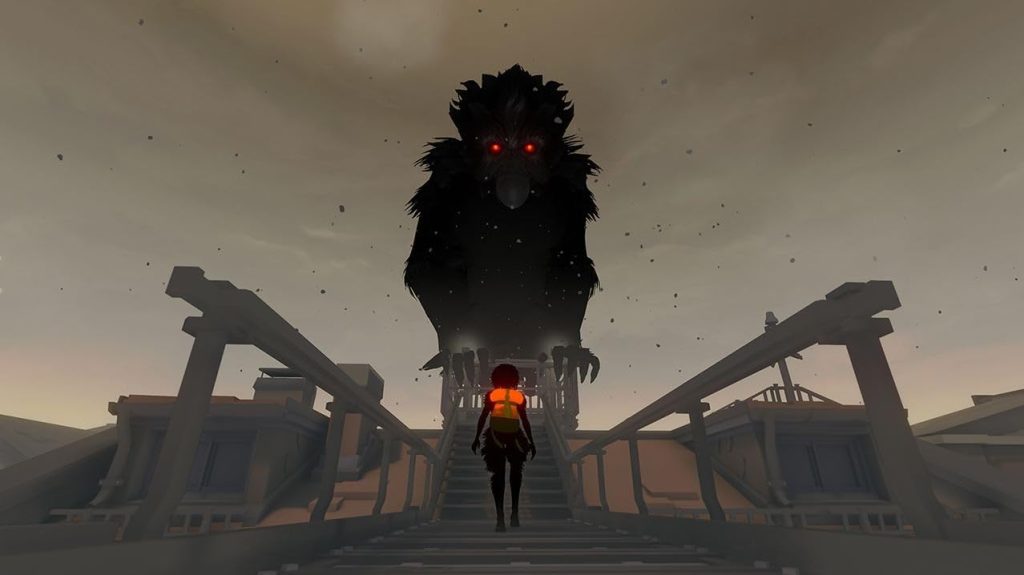
This adventure game shows that mental health issues don’t just affect those who suffer, but also their loved ones. Kay was affected by her boyfriend’s depression and her family’s situation, and she likely affected them in turn. It also shows that wallowing in these feelings only makes it worse; it may be easier to try and pretend they aren’t real, but ultimately, they just get worse until they become overwhelming. Confronting these feelings head-on may not always be a fix, but it’s a step toward healing.
Omori
You play as a hikikomori teenage boy named Sunny, as well as his dream world alter-ego, Omori. You explore Sunny’s real world and Omori’s dream world, also called Headspace, where you can either face or suppress Sunny’s memories and trauma. Sunny’s four friends are present in both worlds, though in the real world, their group fractured four years ago after Sunny’s older sister died. The ending depends on the choices you make, which can end well or in tragedy.
This game explores difficult themes of anxiety, psychological trauma, self-harm, suicide, and depression, as well as psychological horror. Sunny often sees nightmarish hallucinations, including one of a large open eye, as a result of seeing her corpse with one eye open. He represses the memory with Headspace, and each time the memory resurfaces, Headspace resets so that he doesn’t remember.
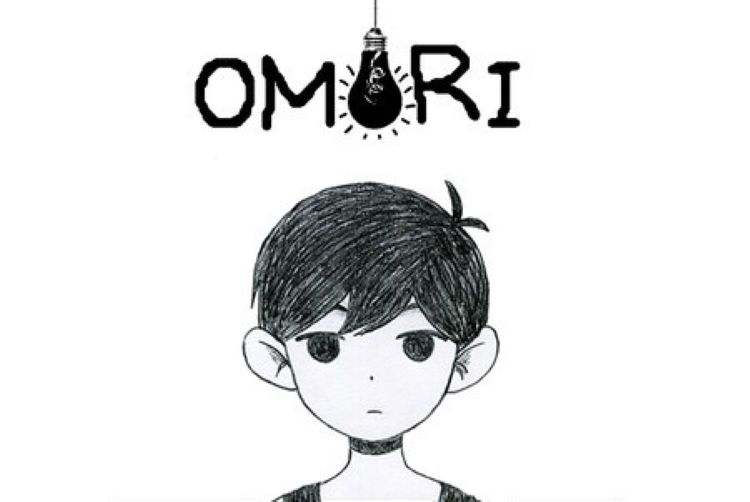
Sunny and one other friend struggled the most after Mari’s death, as both saw her corpse and were haunted by it. But they never talked about it to anyone else and instead repressed their memories. This only made them worse and can, in some endings, lead one or both of them to commit suicide. While talking about struggles like these doesn’t help everyone, bottling them up and refusing to remember them only makes it worse. If mental illness isn’t dealt with, it is detrimental and potentially fatal.
Books
Hold Still by Nina LaCour
One night, Caitlin’s friend Ingrid said that wherever Caitlin went, so would she. But Ingrid was found dead the following day by suicide, and Caitlin finds herself lost in a new life she hardly recognizes. A life where she can’t share art, music, laughter, and joy with her best friend. She doesn’t understand why Ingrid would suddenly kill herself, and in her search, she finds Ingrid’s writings and drawings. These together form Ingrid’s last days and a painful goodbye that helps Caitlin fight through her unexpected, unspeakable loss and find hope again.
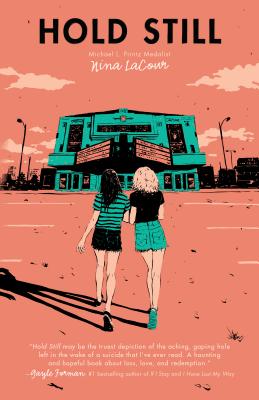
Navigating through loss is hard, but going through an unexpected one like Caitlin did is unbearably painful. Especially as she tries to piece together what happened to Ingrid, how she was feeling, and the sense of loss in every aspect of life. But learning to fight against her immense grief and her own demons through Ingrid’s journals not only helps Caitlin on her path to healing but also toward accepting what happened.
How it Feels to Float by Helena Fox
Biz knows how to float on the surface — how to be fine, okay, regular. She has her mom, the twins, her mom, and Grace. And her dad, who shouldn’t be there. She doesn’t talk to others about her thoughts: her dark thoughts, thoughts of kissing Grace, noticing the new boy Jasper, or seeing her dad. Because her dad died ten years ago. But one day, he disappears, taking all comfort with him, and Biz starts coming undone. Maybe it would be better, sweeter, just to keep floating? Or maybe she should stay and try to bring her father back. Or maybe there’s a third option — one she hasn’t yet considered.
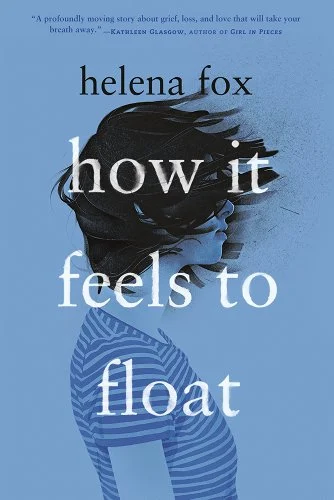
Biz hides so much of herself to pretend everything is okay, but it’s not. She keeps going until she hits a breaking point, which is far too familiar in reality. So many will ignore their health to appear “normal” but be damning themselves all the while. Only when Biz starts talking to others about her thoughts and feelings, she starts to get better. The book doesn’t end with everything magically fixed, and that’s good; it reflects reality. Unfortunately, recovering from mental health issues usually takes a long time, and some never fully recover. But there is hope, both for Biz and for real people.
Every Last Word by Tamara Ireland Stone
Samantha “Sam” McAllister seems just like the other popular girls in her grade. But underneath her stylish hair and expert makeup, she’s hiding a secret: she struggles with Purely-Obsessional OCD and is smothered in dark thoughts that she worries will never stop. Second-guessing her every word, action, and thought is exhausting, and it’s made worse by knowing her lifelong friends would abandon her if she chose the wrong crush, outfit, or even lunch.
Meeting the new girl, Caroline, is a breath of fresh air, but she has to keep their friendship a secret — just like her psychiatrist visits. Caroline invites her to the Poets’ Corner, and Sam is immediately drawn to them, particularly Andrew “AJ” Olsen, a talented verse writer. With them, Sam feels normal for once…until she finds a different reason to question her mental state and everything she loves.
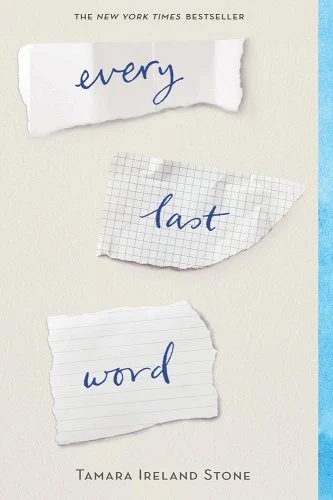
Sam’s family obviously knows about her OCD, but Sam refuses to let anyone else know, and she tries to act like someone she isn’t so that she won’t be ostracized or othered by her peers. She can’t be herself and rely on others, which worsens her stress. However, showing her true self to others and finding a healthy outlet for her thoughts helps. It doesn’t magically cure her, but it shows that having support and healthy coping strategies makes a difference when struggling with mental illness.
The more portrayals of mental health struggles in media, the more people will understand and be understood. I only hope that this trend continues.
If you or someone you know is battling with mental health-related distress, we urge you to be kind and hold space for them, and contact the 988 Suicide and Crisis Lifeline (confidential, free, available 24/7/365):
→ Call or text 988
→ Chat at 988lifeline.org
→ Connect with a trained crisis counselor
Click here for an article on the importance of mental health in literature.
Check out our Bookstr Team Recs shelf on Bookstr’s Bookshop page.
