














In this article, we will explore a carefully selected bunch of books that can help individuals not only understand agoraphobia, but ultimately overcome the challenges associated with it. By exploring these resources, readers can gain a deeper understanding of their experiences and find encouragement and tools to navigate their journey toward recovery.
What Exactly is Agoraphobia?
Although many are familiar with the concept of anxiety, different types of anxiety disorders are not as commonly explored or spoken about, making us unaware of the various types of anxiety that people face. Agoraphobia is an anxiety disorder characterized by an intense fear of situations where escape might be difficult, or help might not be readily available if needed. This fear often leads to avoiding places or situations that might trigger panic attacks or feelings of helplessness and even embarrassment.
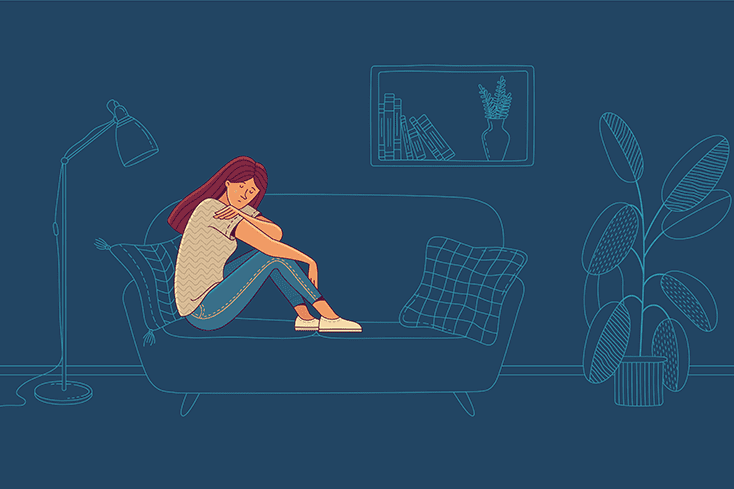
The condition can significantly impact daily life as individuals might find it hard to leave their homes, which can lead to isolation and missing out on important events and moments. Simple tasks, such as grocery shopping or using public transportation, can become overwhelming and anxiety-inducing. This can also affect professional and academic responsibilities, as some may struggle to attend work or school. Agoraphobia can create a cycle of anxiety that hinders ones ability to enjoy life and maintain meaningful connections with others.
How Can Agoraphobia be Addressed?
Cognitive-behavioral therapy is particularly beneficial, as it assists individuals in confronting their fears and developing coping mechanisms. Gradual exposure therapy can also be advantageous, enabling individuals to face and manage their anxiety-inducing situations, thereby building confidence over time.

Support groups and mindfulness techniques, too, can offer valuable encouragement and practical tools for managing anxiety. Every person is different, so it is crucial for those experiencing agoraphobia to seek professional help tailored to their specific needs.
The Anxiety and Phobia Workbook by Edmund J. Bourne
This comprehensive guide offers a variety of practical exercises and strategies to help individuals manage and reduce their anxiety. It discusses cognitive-behavioral techniques and their effectiveness in altering negative thought patterns and behavior. The book also includes self-assessment tools to identify specific triggers, as well as relaxation techniques to help alleviate physical symptoms of anxiety.
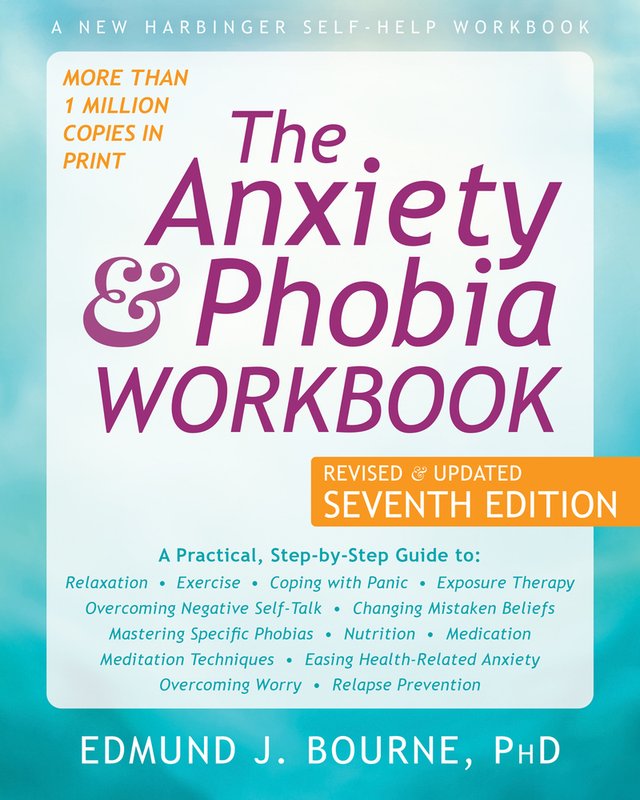
The workbook offers advice on seeking professional help, joining support groups and utilizing additional resources for ongoing support. The Anxiety and Phobia Workbook is a great read for many as it empowers individuals to take an active role in their recovery, providing them with tools they need to overcome agoraphobia and lead a more fulfilling life.
Dare: The New Way to End Anxiety and Stop Panic Attacks by Barry McDonaugh
Dare: The New Way to End Anxiety and Stop Panic Attacks by Barry McDonaugh is a standout resource because it presents a unique and empowering approach to dealing with anxiety and panic attacks. McDonagh introduces the “dare response,” a method that encourages readers to face their fears head-on, rather than avoiding them. This approach can be particularly effective for those with agoraphobia, as it helps break the cycle of fear and avoidance that can trap individuals in their homes.
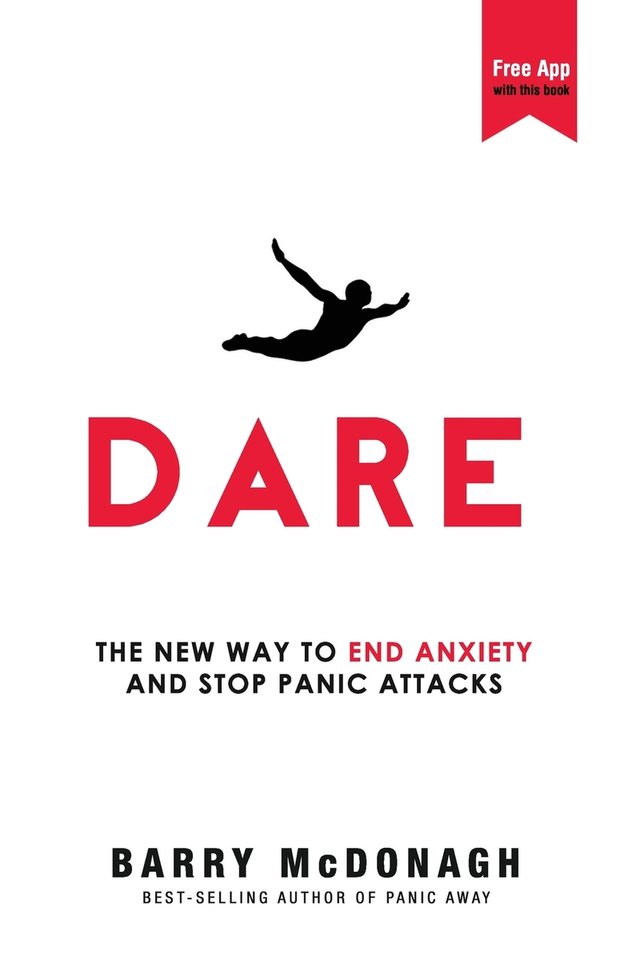
McDonagh’s writing style is engaging and compassionate, which makes the book accessible to a wide audience. He combines scientific insights with personal stories, creating a balanced narrative that is both informative and inspiring. By promoting a mindset of courage and resilience, “dare” empowers individuals to reclaim their lives from the grip of anxiety and agoraphobia.
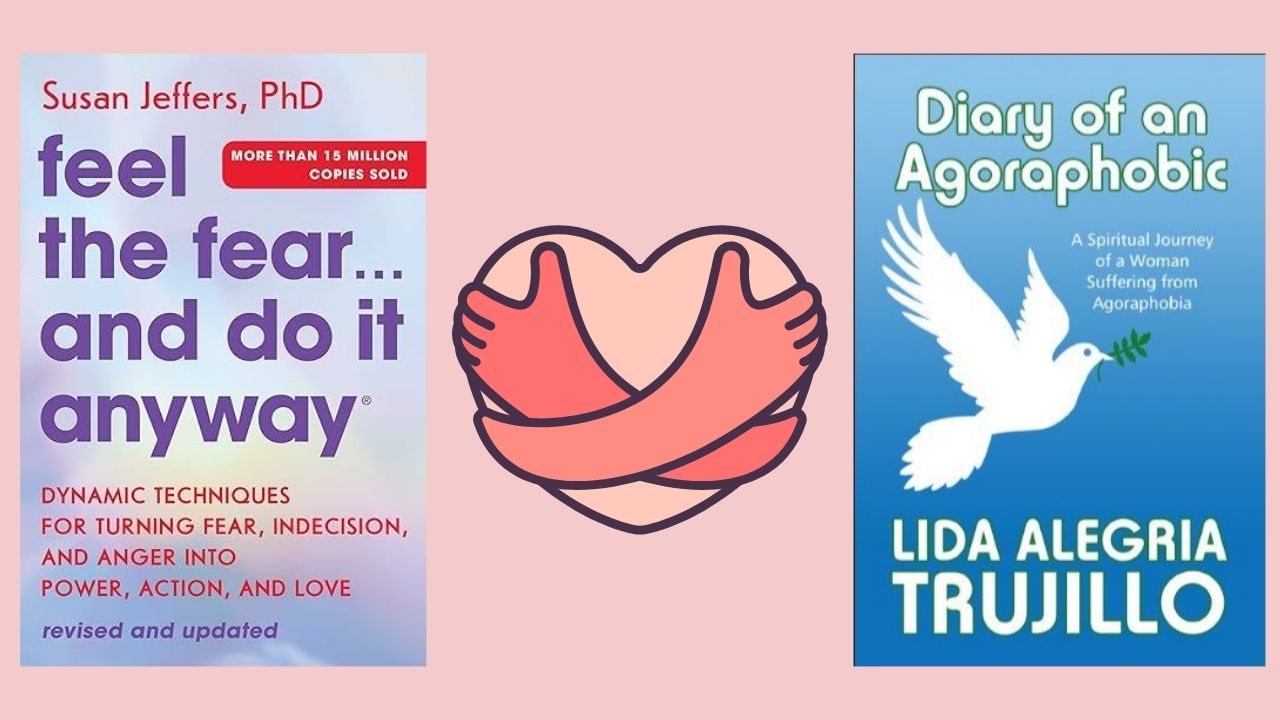
Feel the Fear… and Do It Anyway by Susan Jeffers
Author Susan Jeffers’ central message is that fear is a natural part of life, and rather than trying to eliminate it, we should learn to move forward despite it. This mindset is particularly empowering for those with agoraphobia, as it encourages them to take gradual steps outside their comfort zone, building confidence and resilience along the way.
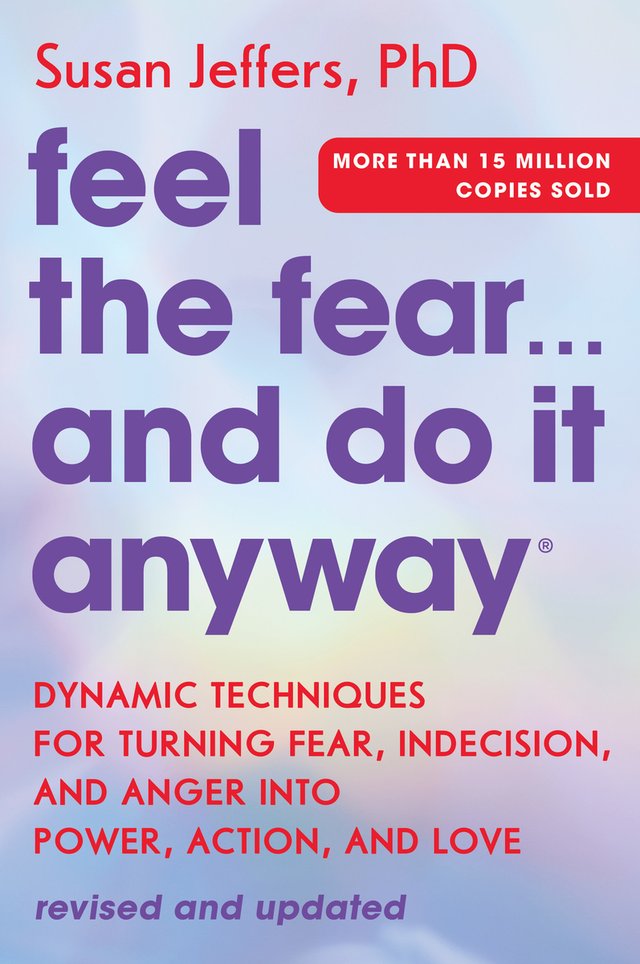
Jeffers’ writing is motivational, making her advice feel accessible and encouraging. She draws on both personal experiences and psychological principles to offer a guide for overcoming fear. By emphasizing the importance of taking action despite fear, Feel the Fear…and Do It Anyway provides readers with the tools they need to reclaim control over their lives.
Mastery of Your Anxiety and Panic by Michelle Craske
Michelle Craske, a renowned expert in psychology and behavioral sciences, provides a structured and evidence based program that guides readers through a series of steps to understand and manage their anxiety. The book includes practical exercises, worksheets and strategies that help individuals identify their triggers, challenge their anxious thoughts, and face their fears in a controlled manner.
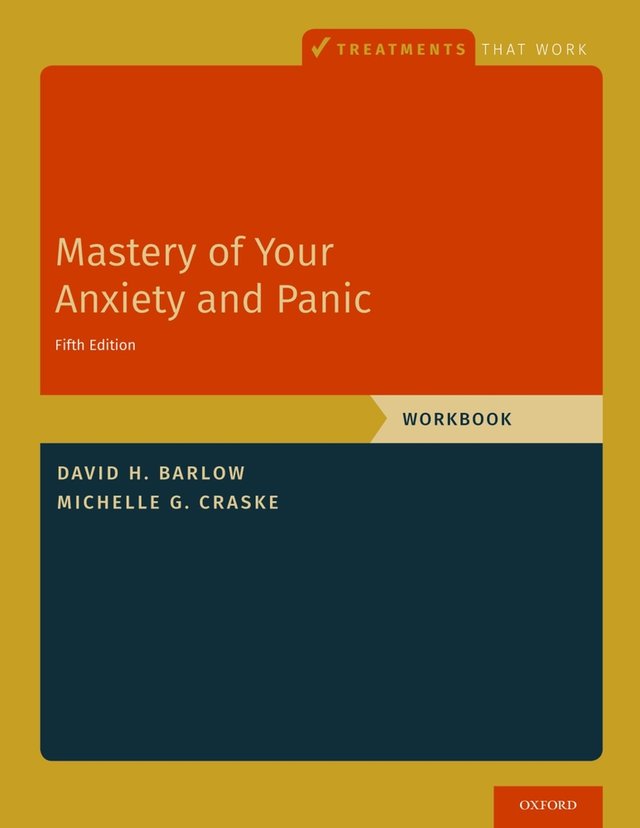
The book’s step-by-step format allows readers to progress at their own pace, building confidence and skills as they go. By focusing on gradual exposure, Mastery of Your Anxiety and Panic empowers individuals to break the cycle of avoidance and regain control over their lives.
Diary of an Agoraphobic by Lida Alegria Trujillo
Diary of an Agoraphobic by Lida Alegria Trujillo is a deeply personal and insightful account of living with agoraphobia. Unlike clinical guides or self-help books, this memoir offers a first-hand perspective on the daily struggles of someone dealing with this condition. Through her diary entries, Trujillo provides an intimate look at the daily challenges and fears she faces. Her writing is both candid and poignant, offering readers a unique perspective on the emotional and psychological aspects of agoraphobia.
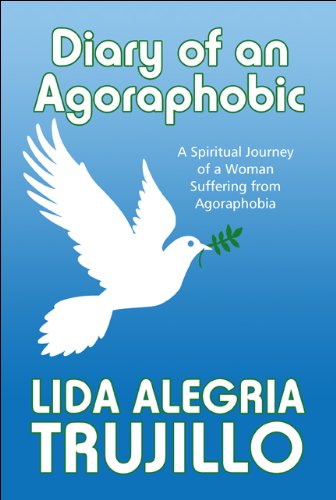
For those looking to understand the condition from a first-person viewpoint, Diary of an Agoraphobic can provide comfort and solidarity to those who are experiencing similar problems. It is a heartfelt and relatable read that highlights the importance of empathy, understanding and the continuous journey toward healing and self-acceptance.
By educating ourselves and others about the symptoms, challenges, and treatment options for agoraphobia, we can create a more inclusive and compassionate society. Awareness and knowledge are powerful tools that can help break down the stigma surrounding mental health issues, encouraging those who suffer to seek help and find hope.
To check out more of the Bookstr teams recommendations, click here.
To discover more valuable self-help books for mental health, click here.