






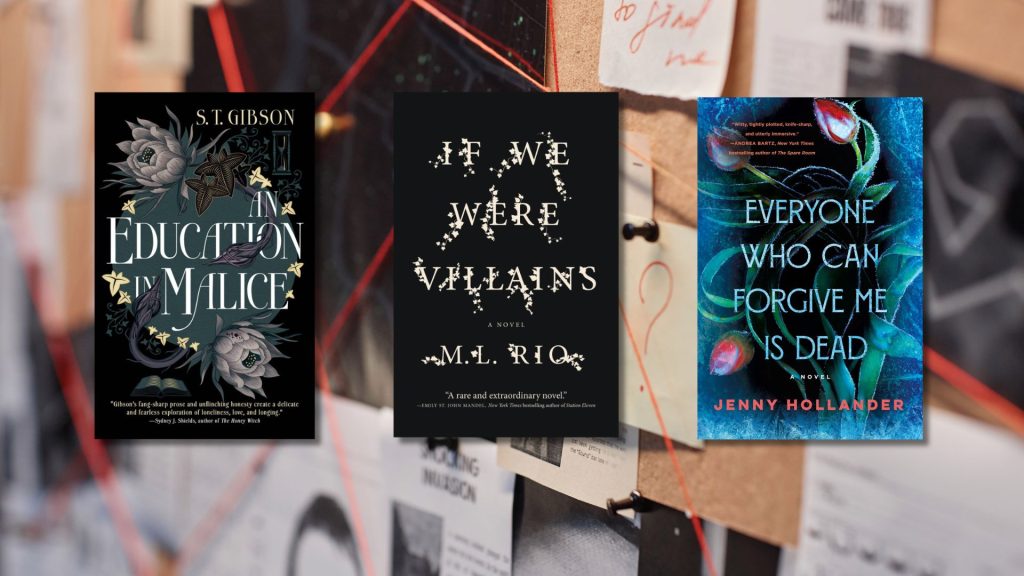



Ecology is the study of the relationships between organisms and their environment. It is about the fundamental interconnectedness of all living things and is often the focus of many specialized realms of study. Ecology has a strong foothold in academia and an even stronger foothold in the literary scene, whether in fiction or nonfiction. This literature encompasses a diverse range of voices, particularly those often overlooked by larger studies. Below is a list of queer ecology, or ecology from a queer perspective. Historically, queer studies have been neglected or overshadowed in favor of a broader societal perspective, but there have been significant strides made to address this neglect. These books all deal with ecology and the intriguing relationship between the environment and queerness.
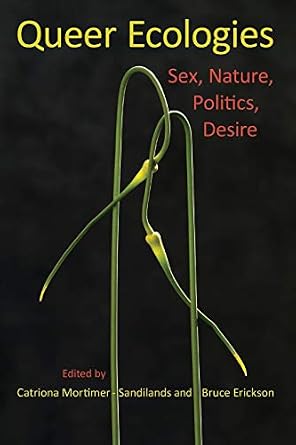
Queer Ecologies: Sex, Nature, Politics, Desire, Edited by Catriona Mortimer-Sandilands and Bruce Erickson
In this collection, which explores the intersection of sexuality and environmental studies, Catriona Mortimer-Sandilands and Bruce Erickson bring together discussions on queer issues, including gay ghettos, AIDS literature, and queer nationalities. Sandilands and Erickson present political, philosophical, and critical dimensions of sex and nature to better ask questions about queer discourse and to challenge the historical knowledge of heterosexual ecological studies.
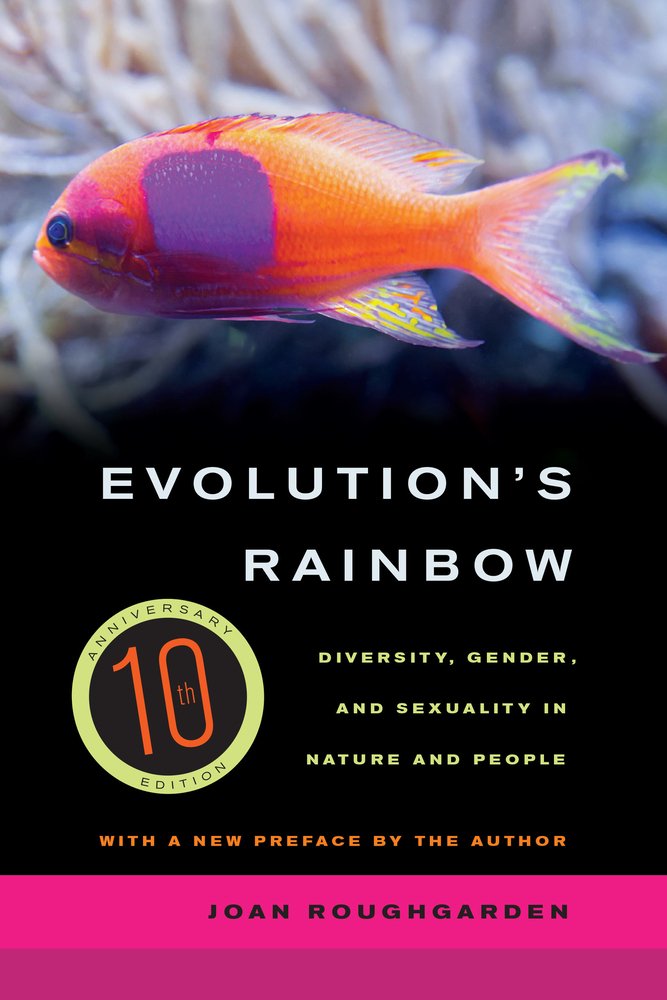
Evolution’s Rainbow: Diversity, Gender, and Sexuality in Nature and People by Joan Roughgarden
Joan Roughgarden argues for the importance of sexual and gender identity in this study against the accepted traditional Darwinian sexual theory. Roughgarden explores diversity across various cultures, critiquing outdated genetic determinism and medical views on sexuality and gender to provide an explanation against established normalcy in the natural world.
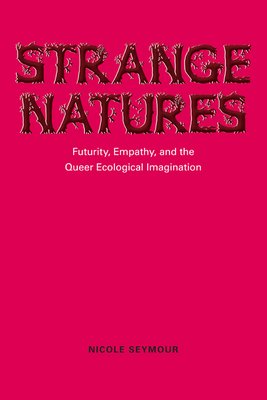
Strange Natures: Futurity, Empathy, and the Queer Ecological Imagination by Nicole Seymour
Nicole Seymour investigates how contemporary queer fiction offers insight into environmental issues through providing an explicitly queer understanding of nature, the nonhuman, and environmental degradation. Seymour explores novels such as Stone Butch Blues and Ang Lee’s Brokeback Mountain to explore how homophobia, classism, racism, sexism, and xenophobia inform views of the environment that become dominant and help to justify its exploitation.
Forest Euphoria: The Abounding Queerness of Nature by Patricia Ononiwu Kaishian
Growing up, Patricia Ononiwu Kaishian was most at home in nature near her house in the Hudson Valley. She found solace in the fungi, snakes, and snails, and even saw her own evolving identity watching their incredible development. Within them, she also found a personal path to a life of science — a life she uses as a backdrop in her novel, Forest Euphoria. Kaishian writes not only about what makes a scientist but also about the queerness that exists in the natural world. From intersex slugs to fungal species that encompass many sexes, queerness is all around us; we need only to open our eyes and see it.

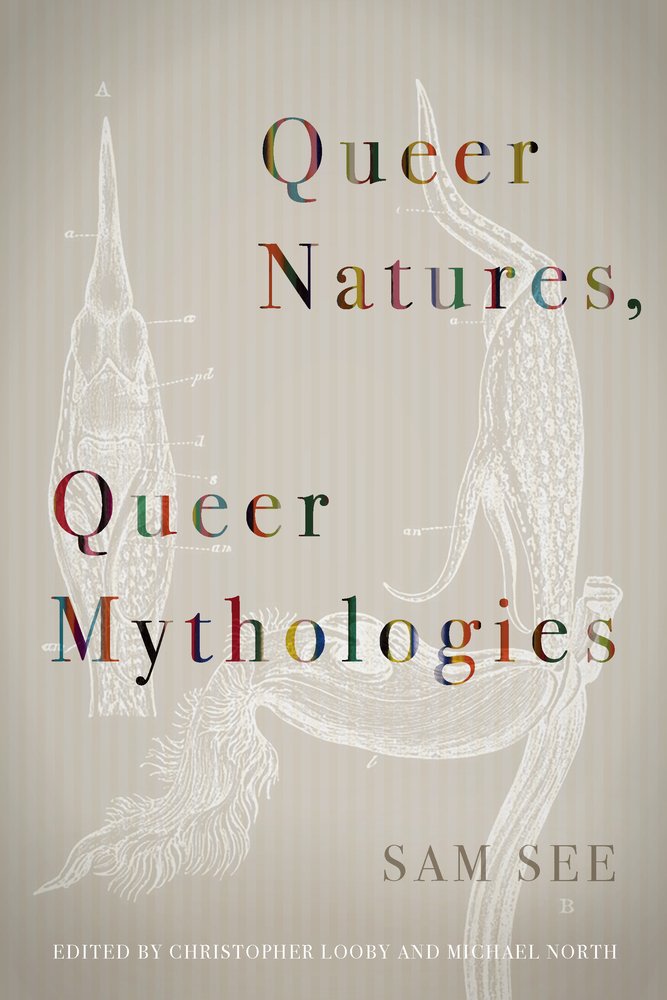
Queer Natures, Queer Mythologies by Sam See
This book combines two parts of scholarly work to examine queer nature and common queer mythology. In part 1, Sam See examines Darwin and argues for an inherent queer reading of nature. In part 2, See proposes that this queer way of reading nature may be a foundational myth for the building of the queer community. Nature operates in ways within the LGBTQ+ community that often go unremarked by a grander society.
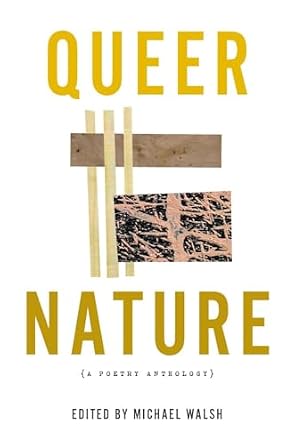
Queer Nature: A Poetry Anthology, Edited by Michael Walsh
In this astonishing collection of poems, Michael Walsh amplifies LGBTQ+ voices and perspectives by drawing on the natural world and the inherent queerness in our environmental relationships. Featuring a wide collection of poets, Walsh offers a new context and expands on our knowledge of nature poetry. While not entirely ecological, Walsh dives into a common literary theme and its importance within queer spaces.
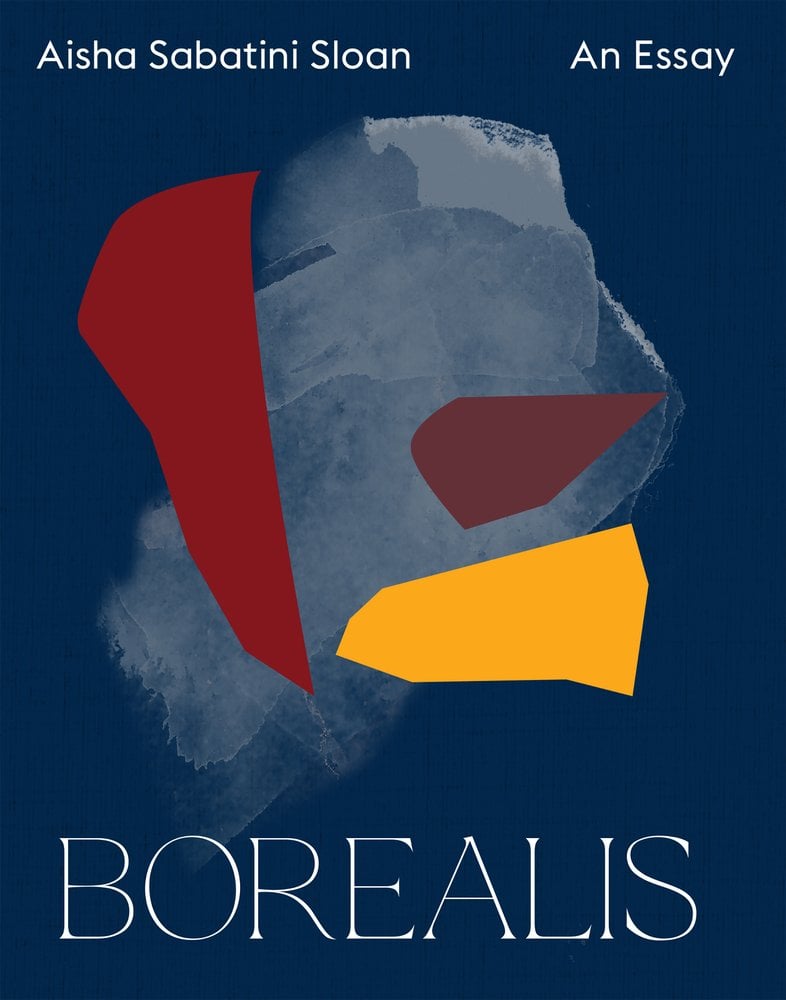
Borealis by Aisha Sabatini Sloan
Aisha Sabatini Sloan writes about her solitary summer visiting Alaska and observing mountains, glaciers, bald eagles, and herself in this incredible work on the natural world and its powerful intersections. As she attempts to settle into her surroundings, she finds her experience complicated by loneliness and the strange myth of the Alaskan wilderness. Borealis is a logbook on Sloan’s experience as a queer woman contemplating Blackness in the wilderness and the mysterious creation of art.
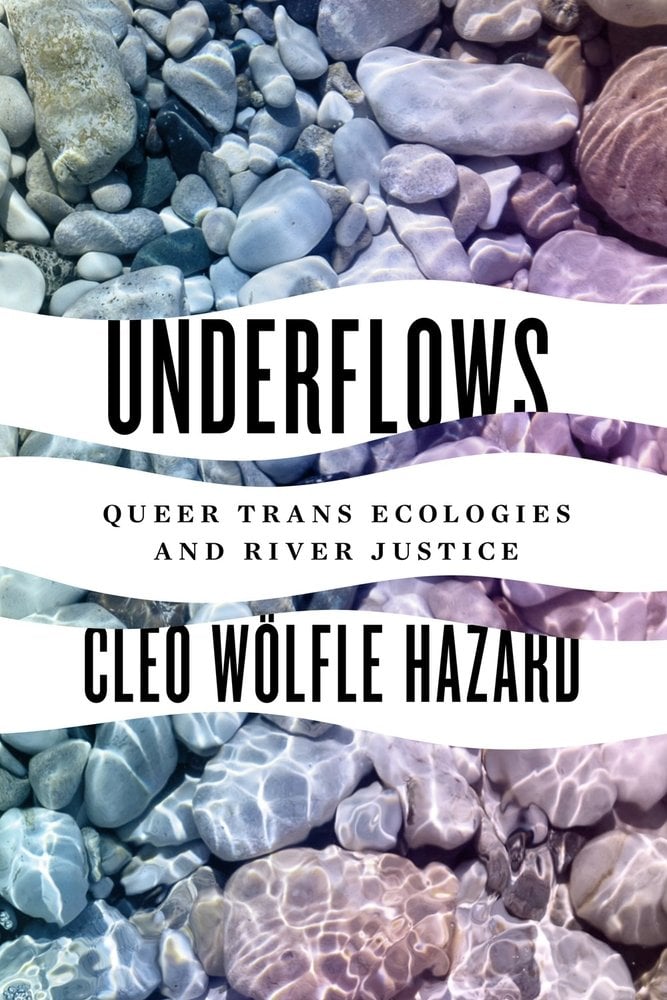
Underflows: Queer Trans Ecologies and River Justice Cleo Wölfle Hazard
Rivers are homes for multispecies communities, and their vitality requires the centering of the values of justice, sovereignty, and dynamism — which is what Cleo Wölfle Hazard argues in their book, Unflows: Queer Trans Ecologies and River Justice. Hazard explores the importance of river systems to the sustaining of communities, focusing on the politics and cultures of five systems in California, Oregon, and Washington. Incorporating work with salmon, beavers, and flood recovery projects, Hazard focuses on an inherently queer and trans oriented relationship with nature through the grief and love felt for rivers and fish.
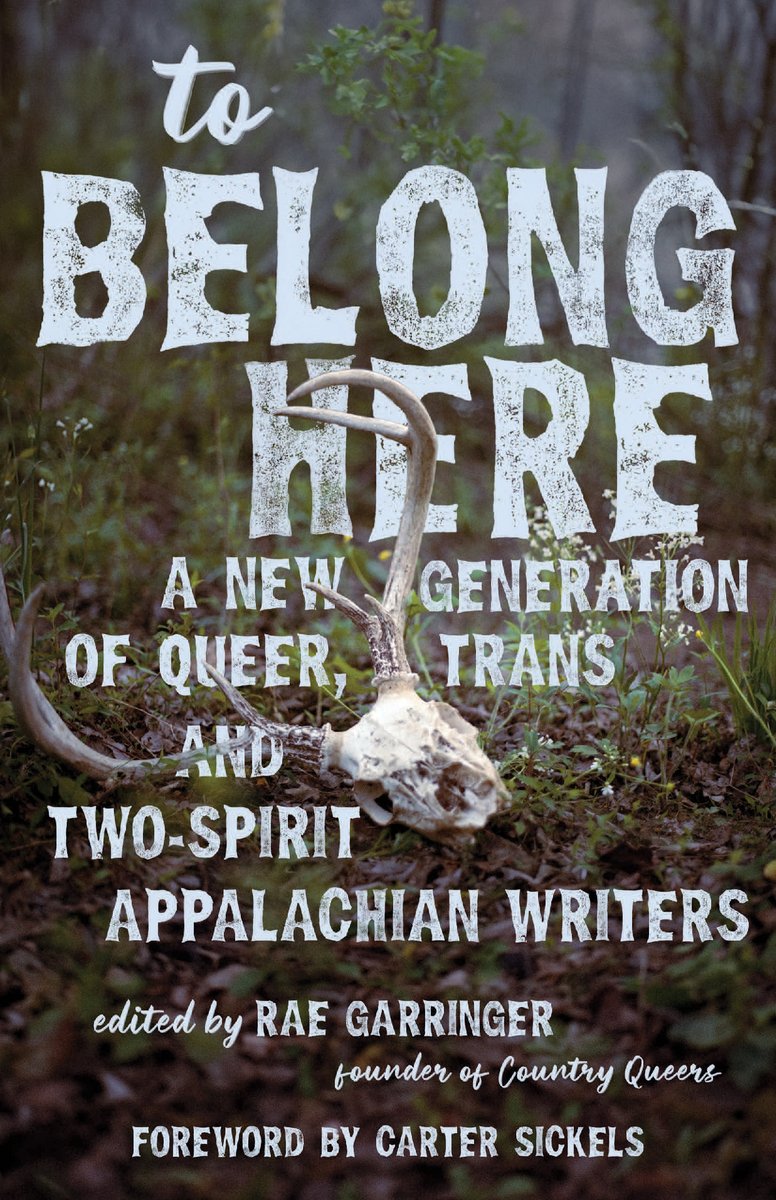
To Belong Here: A New Generation of Queer, Trans, and Two-Spirit Appalachian Writers by Rae Garringer
Appalachia has been written off as a White, Christian, and conservative place. While many Appalachians embrace these labels, there is a failure to acknowledge the communities of color, trans, and queer people who call this region home. In this collection of regional stories of the Appalachian Mountains, Rae Garringer hopes to challenge base assumptions and provide space for new voices to write about their lives in the mountains. With a strong footing in ecology, To Belong Here offers an intersectional look into the everyday lives in one of the most commonly misunderstood regions in the United States.
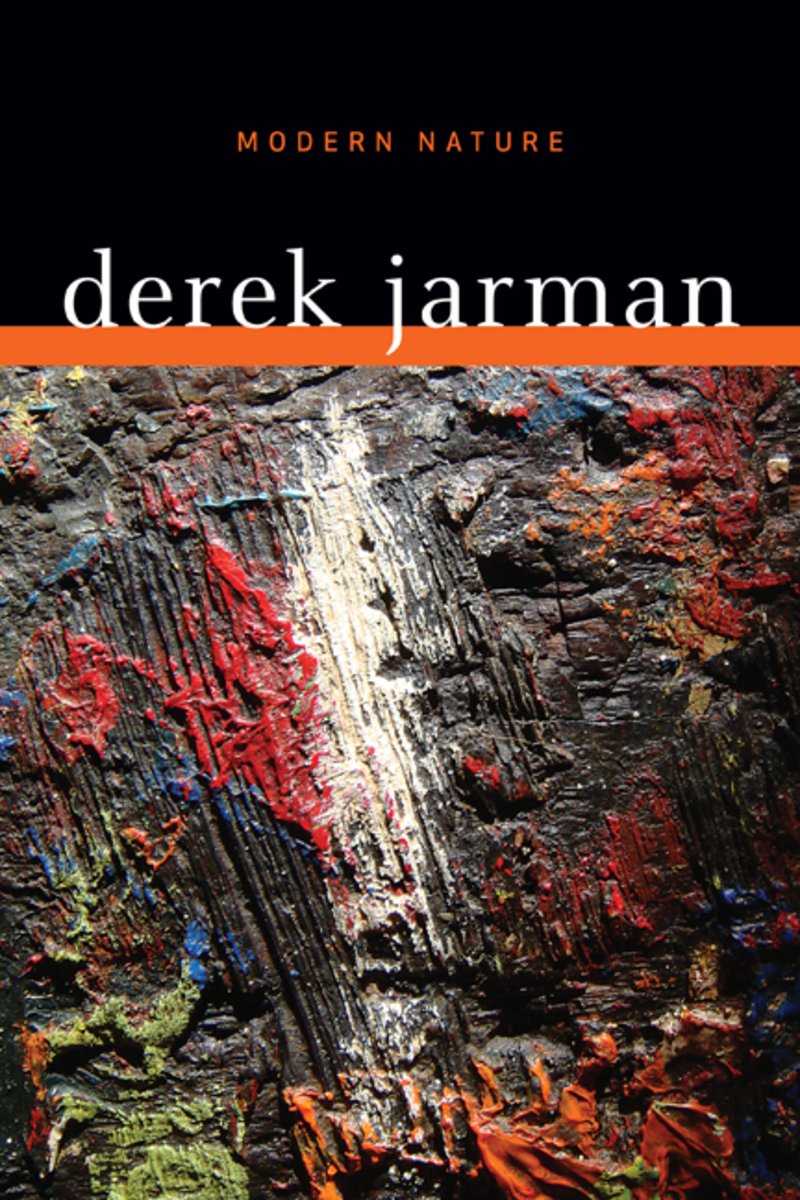
Modern Nature by Derek Jarman
In 1986, Derek Jarman discovered he was HIV positive and decided to make a garden at his home on the coast of Dungeness. He found solace in nature, especially in the growing of plants. Modern Day combines a tracking diary of his garden and meditations on a life facing an uncertain future. Jarman writes on his time as a gay man in the 1960s, his career as an artist, writer, and filmmaker, in this lament of a lost generation and celebration of gay sexuality.
The study of ecology has never been more important than it is now. We must understand the human relationship to the environment, as well as how all organisms work together to create the world we know and love. Bearing in mind this importance, we must also uplift voices that are often left out of grander studies and conversations. Be sure to check out these books and add them to your TBR. Happy reading!
Interested in more books to add to that ever-expanding TBR? Check out some more recommendations here.
Find these titles and more on our Fascinating Nonfiction Reads bookshelf.