

















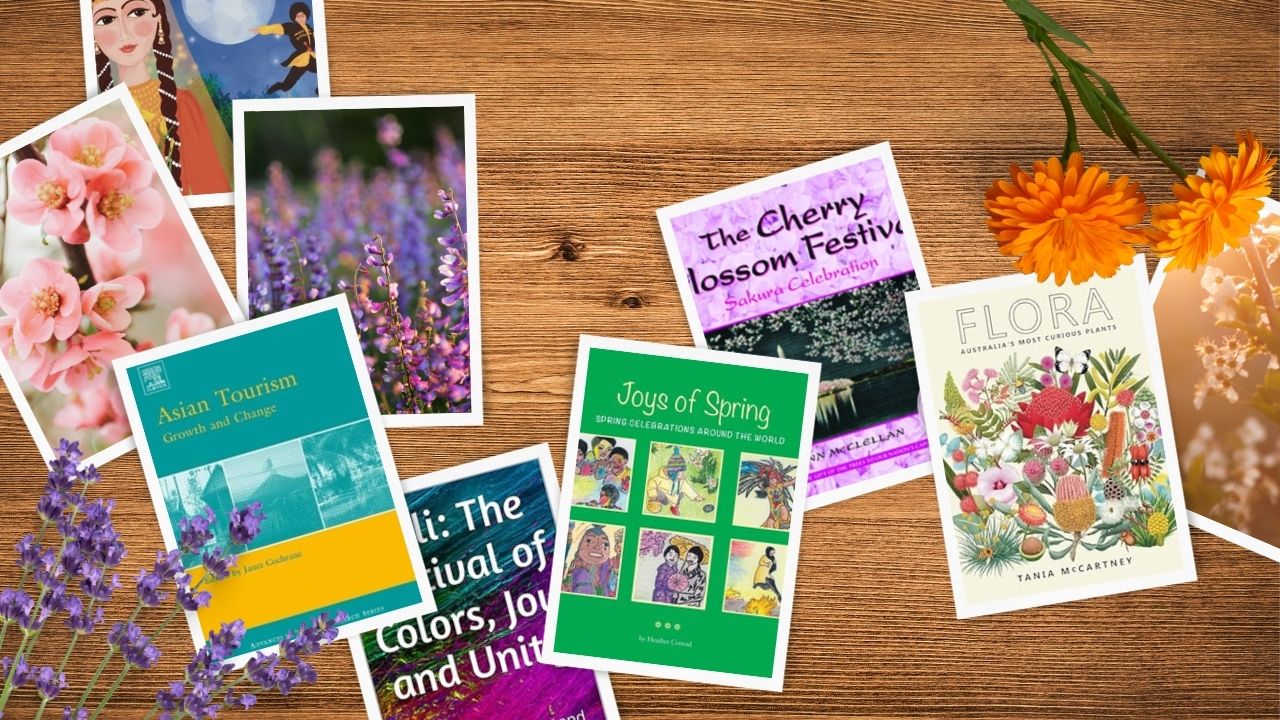
As the end of winter approaches and the flowers bloom, ready to show their colors once more, we prepare ourselves for the arrival of new life, allergies, and meetings by the pool. We prepare ourselves to receive the spring season. Due to its nature, spring has always been associated with new beginnings and the arrival of a new self. Giving people the idea that they can start anew and cleanse themselves of any bad luck they previously had.
This belief in renewal is present in traditions and cultures all over the world, and what better way to learn about them than through our favorite medium? Books! Books are a window to perspectives other than our own, and they can help us explore these traditions through history, travel, or personal narratives.
Spring as a Time Of Renewal and Rebirth
Nowruz
Celebrations and traditions during spring often symbolize renewal and rebirth, serving as a time to cleanse past grievances and prepare for the year ahead. While the underlying meaning remains similar across cultures, each country has its own unique beliefs and practices to mark the occasion.
One such celebration is Nowruz, the spring festival observed in various countries across the Middle East, Central Asia, South Asia, the Balkans, and East Africa. With a history spanning over 3,000 years, Nowruz is deeply rooted in tradition and cultural significance.
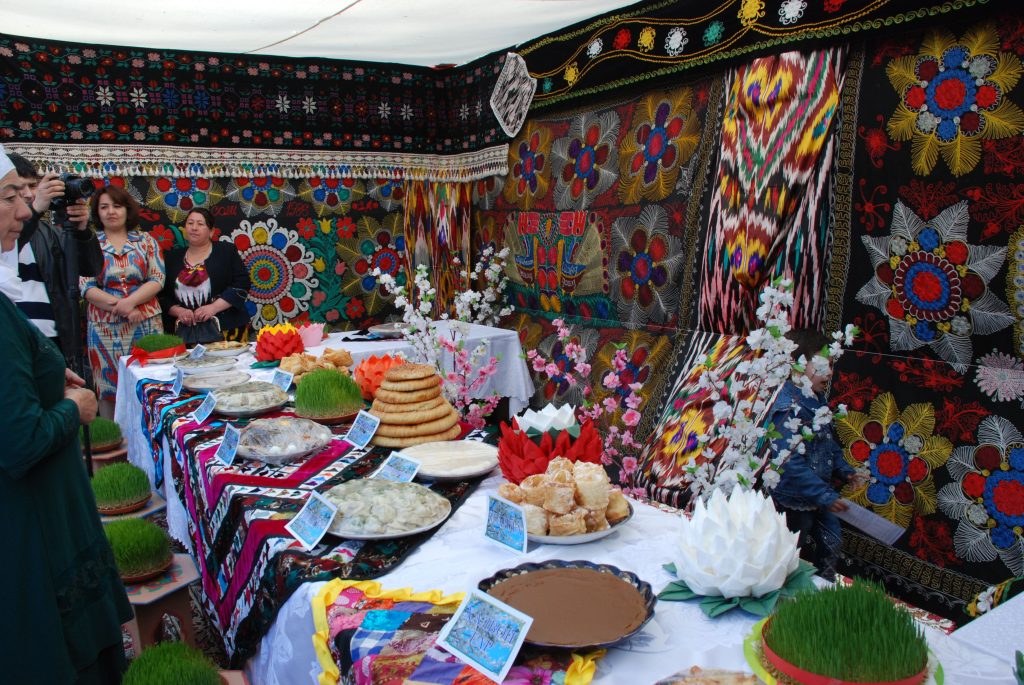
In her book The Meaning of Nowruz, Anahita Tamaddon explores the origins of the festival and introduces young readers to its essential elements. She emphasizes Nowruz as a time for people to reconnect with family, practice forgiveness, and embrace new beginnings. The book also highlights Persian art, music, and dance, encouraging readers to take pride in their heritage.
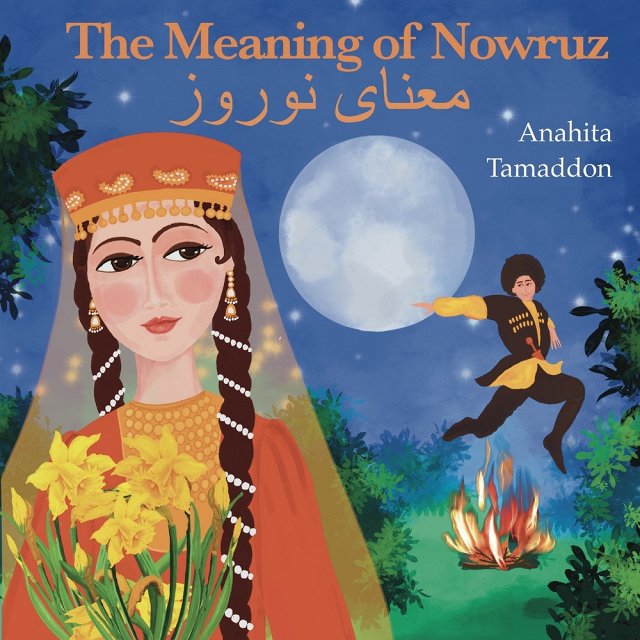
Nowruz festivities often include bonfires and fire rituals. In many regions, traditions like Chaharshanbe Suri — jumping over bonfires — serve as symbolic acts of purification, casting away the remnants of winter and welcoming the vitality of spring.
Songkran
Speaking about renewal and new beginnings, one well-known event that marks the start of a new year is the Thai Songkran Festival. Coming from a Sanskrit phrase meaning to “pass” or to “enter,” Songkran celebrates the sun’s annual passing into the Aries constellation, which marks the traditional start of the new year.
Songkran celebrations start on the first full moon of April and traditionally last for three days: Maha Songkran Day (April 13), Wan Nao (April 14), and Wan Thaloeng Sok (April 15) in the lunisolar Theravada Buddhist calendar. During these days, people engage in several activities, such as cleaning and water-pouring ceremonies, to prepare for the arrival of the new year on Wan Thaloeng Sok.

The most well-known aspect of this festival, which has become synonymous with Songkran, is the water fights. These lively celebrations represent the act of cleansing and washing away the past year, welcoming in the new one. The festive atmosphere draws tourists from around the world, eager to join in the celebrations.
For those interested in learning more about the history and evolution of the Songkran festival, as well as its adaptation to modern times, I recommend reading the book Asian Tourism (Advances in Tourism Research) by Janet Cochrane. In Chapter 25, you will find a research paper by Professors Ploysri Porananond and Mike Robinson that discusses Modernity and the Evolution of a Festive Tourism Tradition: The Songkran Festival in Chiang Mai, Thailand.

Spring as a Burst of Color and Celebration
Holi
Spring is a season of colors, joy, renewal, and new beginnings, and one of the celebrations that best embodies these themes is the Holi festival in India. Often called the “festival of colors,” Holi takes place in March on the last full moon of the lunar month of Phalguna and symbolizes the triumph of good over evil.
On the first day, celebrants light bonfires and offer roasted grains, popcorn, coconuts, and chickpeas as part of the ritual. The second day sees people take to the streets, joyfully throwing vibrant powders at each other, indulging in sweets, and dancing to folk music.
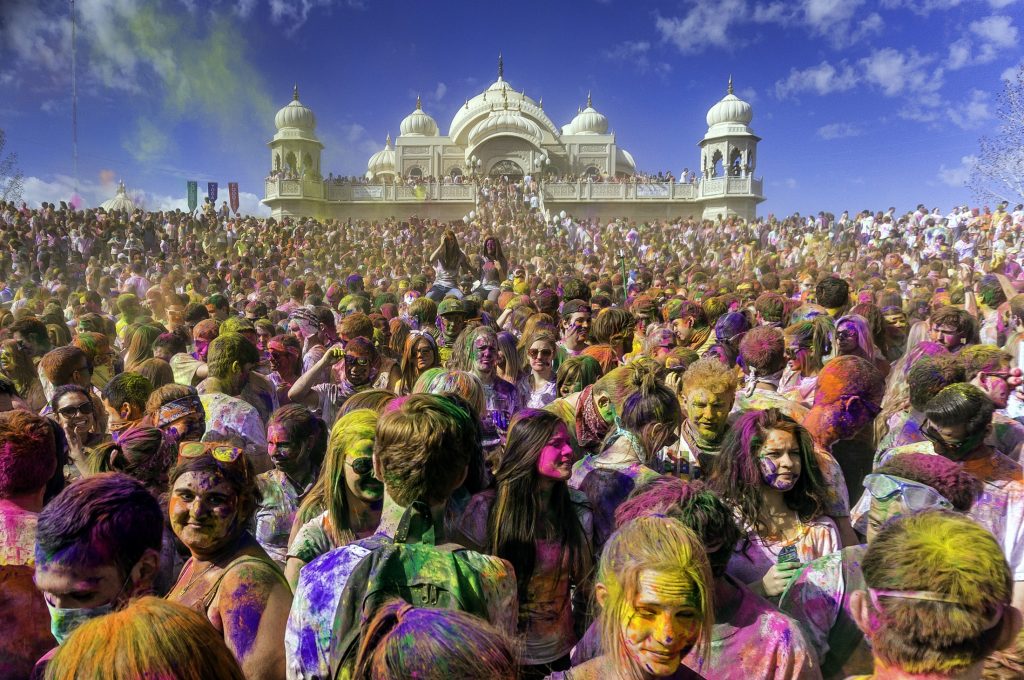
Holi is more than just a festival — it is a time to forgive, let go of past grievances, and foster a sense of unity among people of all ages and religions. The multicolored powders symbolize the blending of cultures and beliefs, reflecting humanity’s diversity.
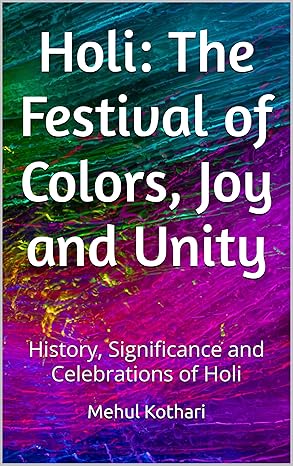
For those looking to explore the festival in greater depth, Holi: The Festival of Colors, Joy, and Unity: History, Significance, and Celebrations of Holi by Mehul Kothari provides insight into its history and traditions. The book delves into Holi’s deep connections to Hindu mythology, including the legend of Prahlad and Holika.
According to the tale, the demon king Hiranyakashipu sought to kill his son Prahlad for his devotion to Vishnu. His sister Holika attempted to burn Prahlad alive but perished instead, reinforcing Holi’s message of good triumphing over evil. Another popular story links the festival to Lord Krishna, who, as a child, playfully threw colored powders at Radha, inspiring the modern-day tradition.
Holi is celebrated differently across India, yet its core themes remain the same. In Rajasthan, traditions like “Lathmar Holi” involve women playfully hitting men with sticks, while in Punjab and Uttar Pradesh, large gatherings feature bonfires and songs. Across the country, devotees of Lord Krishna embrace the festivities with enthusiasm.
Overall, Holi is a cherished spring celebration that brings joy, unity, and a fresh start, reminding people to embrace happiness, forgiveness, and the beauty of new beginnings.
Hanami: Cherry Blossom Festival
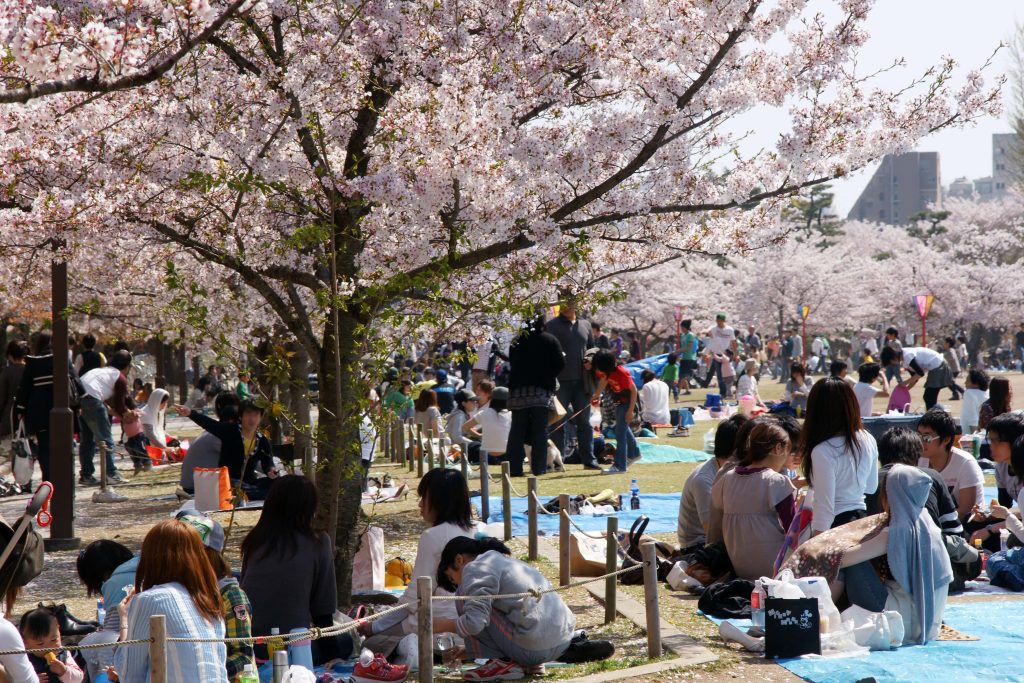
Cherry blossoms have become a prominent symbol of Japanese culture, celebrated widely in modern media and admired worldwide. The tradition of cherry blossom viewing dates back over 1,000 years, when aristocrats gathered to appreciate the blossoms and compose poems inspired by them. The Cherry Blossom Festival, or Hanami, typically takes place from March to May across Japan, where people gather under the blooming trees for picnics, share food, and enjoy performances. Securing a good spot for an early morning picnic is often a competitive affair, as many seek the perfect view of the blossoms.
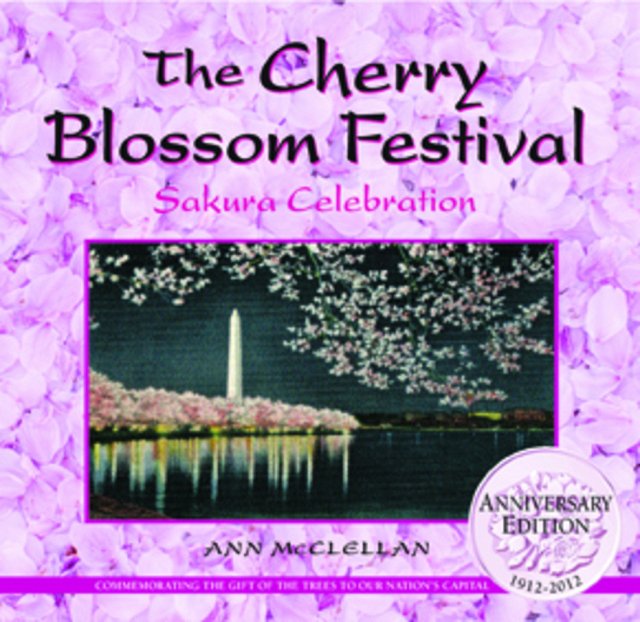
Cherry blossoms, with their delicate blooms that last only about two weeks, represent the Japanese concept that nothing lasts forever. However, their significance has grown to symbolize the arrival of spring and has expanded beyond cultural meanings to become instruments of diplomacy and landscape beautification. The Cherry Blossom Festival: Sakura Celebration by Ann McClellan explores how cherry blossoms were gifted to the United States in 1912, with trees planted around the Tidal Basin in Washington, D.C., symbolizing friendship between Japan and the U.S. The book highlights the historical and diplomatic context of this gesture, featuring key figures like Eliza Scidmore and First Ladies Helen Taft and Lady Bird Johnson.
While the book focuses on the cherry blossom as a gift, it also offers a rich understanding of its cultural significance in Japan. It’s an insightful read for those interested in how nations can form connections through shared festivities and symbolism, and how one cultural symbol can bridge gaps and enhance landscapes.
Spring as a Celebration of Nature’s Beauty
Floriade
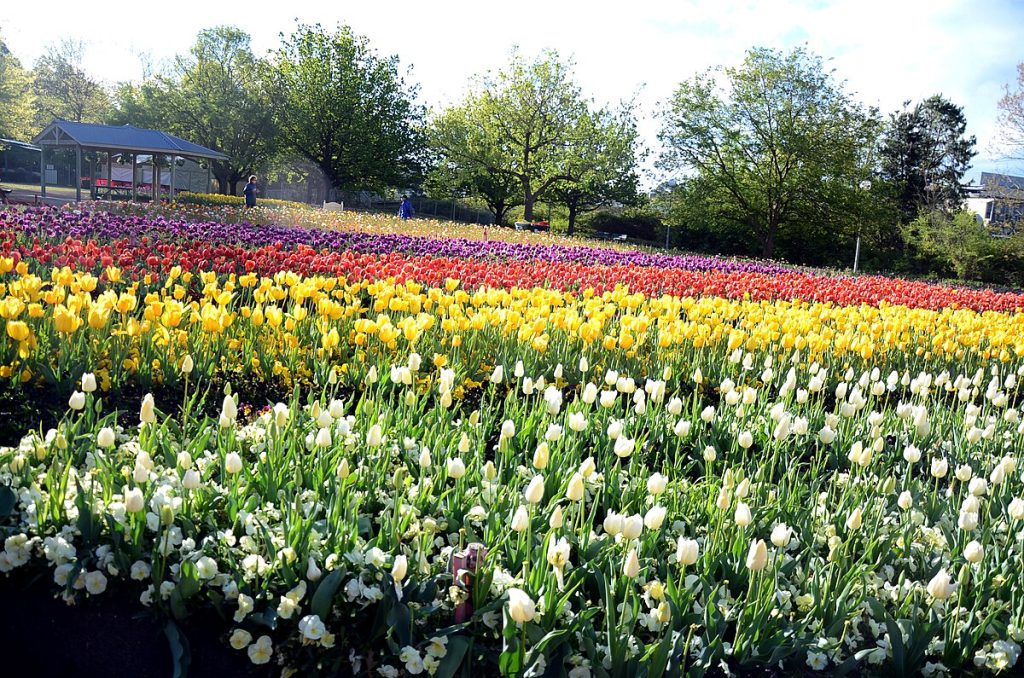
Apart from renewal, rebirth, and fleeting beauty, spring is also the perfect season to appreciate nature’s gifts, and one such celebration is the Australian festival Floriade. Created to mark Canberra’s 75th anniversary in 1988, Floriade was the brainchild of landscape designer Christiaan Slotemaker De Bruine and horticulturist Peter Sutton, with the support of the City’s Parks staff. They transformed Commonwealth Park into a breathtaking floral display for this special event.
Since its inception, Floriade has become an annual tradition, embodying Canberra’s spring spirit. The blooms serve as the perfect backdrop for a month-long celebration featuring music, cultural performances, gardening workshops, art exhibits, and activities suitable for all ages.
For those interested in learning more about Australia’s diverse landscape, Flora: Australia’s Most Curious Plants by Tania McCartney is an excellent resource. This book explores Australia’s unique ecosystem and provides insight into the plants featured at events like Floriade, highlighting their importance and the role they play in shaping the country’s natural beauty.

What is Your Favorite Spring Celebration?
Joys of Spring: Spring Celebrations Around the World by Heather Conrad showcases how traditions across cultures embrace renewal, joy, and togetherness. Whether through fire, water, color, or nature, spring is a time to cleanse the past and welcome the future.
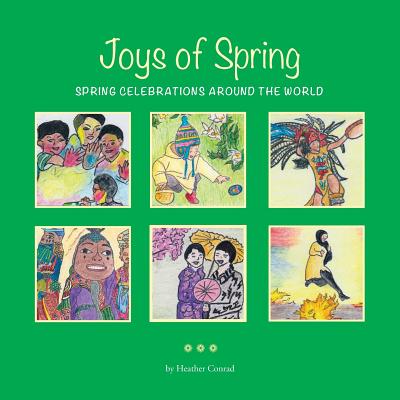
From the purifying flames of Nowruz to the lively water fights of Songkran and the vibrant bursts of Holi, these celebrations reflect the universal spirit of rebirth. No matter where we are, spring reminds us that new beginnings are always within reach.
Books serve as a wonderful gateway to experiencing these customs firsthand, allowing us to learn about their histories, meanings, and evolving practices. As the world welcomes another spring, perhaps exploring these traditions through literature can inspire new perspectives and a deeper appreciation for the ways different cultures celebrate this season of change.
Do you need more spring recommendations? Click here.
Explore the beauty of spring traditions and celebrations from around the world with our book recommendations on Bookshop.org.