


In a world of many different romance tropes, some capture our hearts while others fall flat. As someone heavily into romance, a certain trope can make or break the story I’m reading. Whether you’re a hopeless romantic or more skeptical of love, join us as we discuss our favorite and least favorite romance tropes!
Complicated Hearts
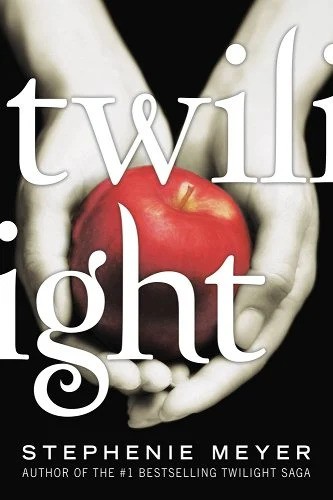
I love a good triangle! I think this is probably the most common trope I read in romance novels as I love doing the pros and cons in my head as I learn more about the opposing suitors. It’s somewhat of a guilty pleasure to fight for your favored team that always ends up forming. For example, I was all Team Jacob for Twilight, and for one of my favorite books, The Selection, I was all for Team Aspen and would fight to the death for [him and America] to be together! My favorite couple has to be Emma Blair and Sam Kemper from the book One True Loves by Taylor Jenkins Reid. Though I loved the chemistry between Emma and Jesse, I always thought and felt Sam was a better fit for her regardless of who she chose.
As for my least favorite tropes, I cannot seem to stand the fake relationship plotlines, as the chemistry always seems and feels forced when I read it. Of course, these plots always pretty much end in the characters actually falling in love after pretending, but the whole idea to me seems a little far-fetched and does not truly feel like real love. How do we know they aren’t still pretending or that the love isn’t just for looks such as in the book To All the Boys I’ve Loved Before? At least, that’s my take!
Kelly Severson, Video & Graphics
From Rivalry to Romance
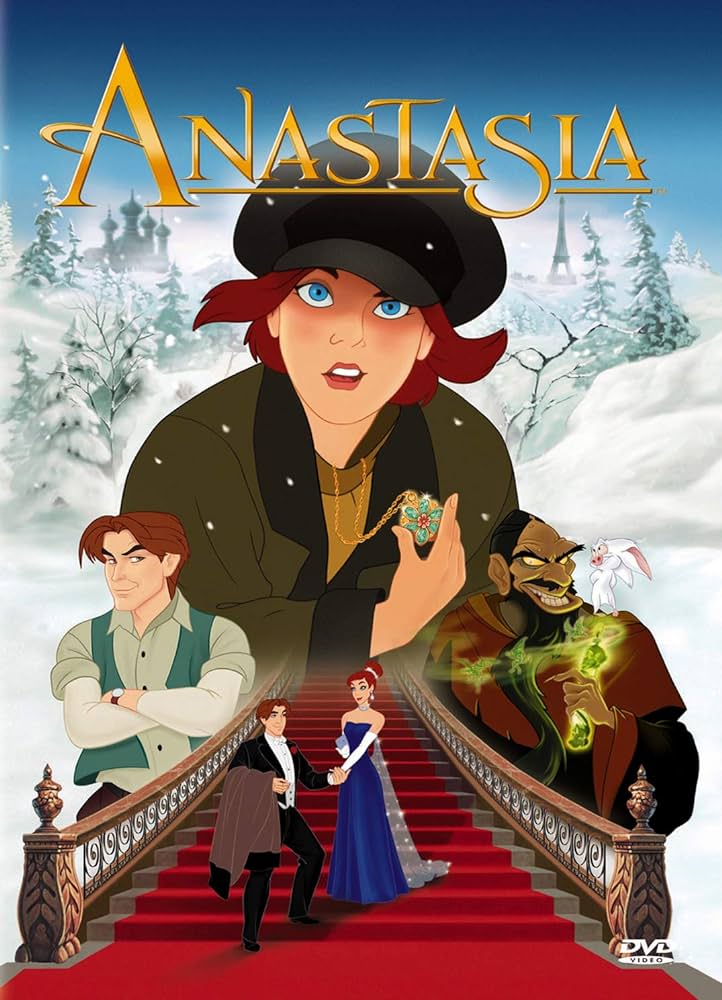
Enemies-to-lovers is definitely at the top of my list of favorite tropes. It’s just so fun! The banter, the sexual tension, the contrast between before and after. It’s a journey, and I’m hooked from beginning to end. A couple who embodies this trope perfectly is Anya and Dimitri from Anastasia (1997). They’re often referred to as the OG enemies-to-lovers, and for good reason. I repeat: the banter, the underlying tension, the before and after! And! They met as kids! So they border another one of my favorite romance tropes: childhood-friends-to-lovers! They weren’t friends, but still. Forever obsessed.
As for my least favorite trope, I absolutely cannot stand love triangles. I just can’t help but root for the first love interest or pairing I’m presented with. I want it to be simple and straightforward; whatever love story you’re promising me that’s the one I wanna see through. No diversions.
Gabriela Collazo, Editorial
“You’re My Best Friend”
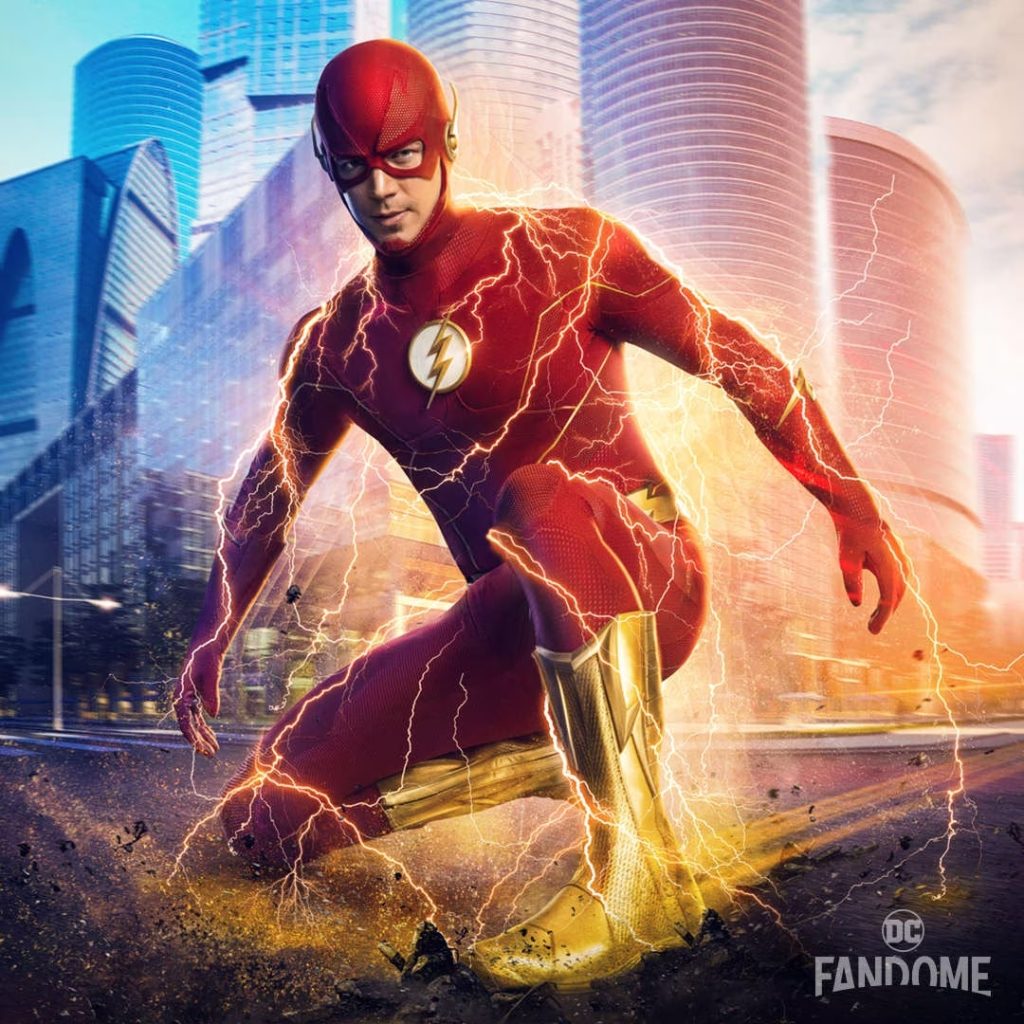
As for all tropes, it depends on how it is done. Some tropes that I don’t like as much could be done well in the story and vice versa. The best-friends-to-lovers trope is so sweet and fun because I love being able to see the friendship first and then have it transition to romance later on. One of my favorite friends-to-lovers is Barry Allen and Iris West from the CW series The Flash. I watched all nine seasons and loved the development of Barry and Iris. In the beginning, they start as friends, and in the later seasons, finally start to date. I love seeing the ups and downs the characters face and how they go through different challenges together and come out the other side stronger. Best-friends-to-lovers works because you’re able to see both a friendship and romance and how the characters develop over time.
I am not a fan of forced proximity because it feels forced. It can be fun sometimes, but at the end of the story, it just feels fake and not realistic. I don’t like the types of romances that feel forced from the beginning because then the rest of the story is not believable and does not work. I want to be able to see the development of these characters and how they interact with each other and not just get together because they were forced to spend time together.
Molly Ireland, Outreach & Editorial Intern
To Have And To Hold
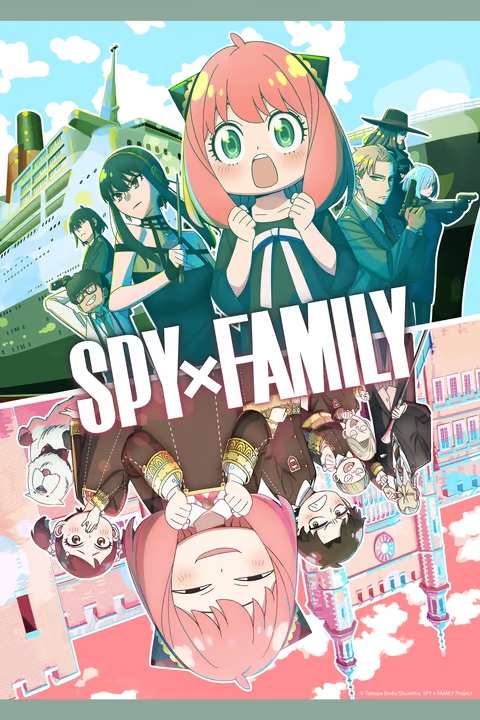
As a hopeless romantic who’s always here for a good HEA (“happily ever after”) where the couple rides off into the sunset, marriage of convenience (MOC) will always be my number one. Bonus points if it’s a slow burn, forced proximity, enemies-to-lovers, and/or he falls first, with a sprinkling of “Touch Her and You Die.” All of the above, altogether *chef’s kiss.* A favorite couple of mine from the MOC trope are definitely Yor and Loid Forger from Spy x Family — they have tons of very cutesy moments.
My least favorite — oh, there are so many — but I suppose if I had to choose one trope to roast, I’d say maybe third act breakup. Not as a whole, specifically ones that feel forced. For example, if one MC is withholding some secret/truth from their love interest that threatens the relationship and then the breakup is based around this thing getting revealed as part of the plot, then I don’t really have any qualms with that since it was most likely alluded to or foreshadowed. But when the third act breakup is just based on some flimsy conflict manufactured out of nowhere for the sake of it (looking at you miscommunication trope), I don’t like it. Further minus points for a third act breakup that happens, (a) like two pages after the main couple officially gets together, (b) even worse, happens in the last 20% or (worse even, 10%) of the book, and there’s some super rushed hatch-patch, clumsy, stitch-up resolution to the whole affair in the last few pages.
M.A. Kole, Editorial
Love at First Sight?
Not sure if the one bed really counts as a trope, but I’m including it anyway. I would hate sharing a bed with someone, but whenever characters do it, I think it’s so cute! Especially if they both just give each other the side-eye or put up a wall of pillows, which will inevitably come down sometime in their sleep. There’s something so endearing about them having to be vulnerable around each other.

Cue the over-dramatic eye roll. It’s impossible to fall in love at first sight. Being attracted at first sight is completely realistic, but love? Gag. This is especially true if they try to rush their relationship, insisting that because they have true love it doesn’t matter that they’ve only known each other for a week. This trope makes me want to scream and slap some sense into the characters.
Danielle Tomlinson, Editorial
There’re No Second Chances in Life
Something about the best friends developing a love greater than they already have makes my soul happy. Like, they already care for one another, know everything about the other, and have the most important foundational piece to a successful relationship. It brings me such an “ah yes” moment when the besties finally realize they love one another. Good stuff.

However, a second chance is bleh to me. When I read about a man doing something absolutely wild and unforgivable and then learn that she is considering taking him back… NAH. Drop him. Like I am specifically thinking of the King of Greed book by Ana Huang. That man neglected his wife for TEN YEARS. She should not have gone back to him, I am just saying.
Krysten Winkler, Graphics
Conflict-Driven Romance
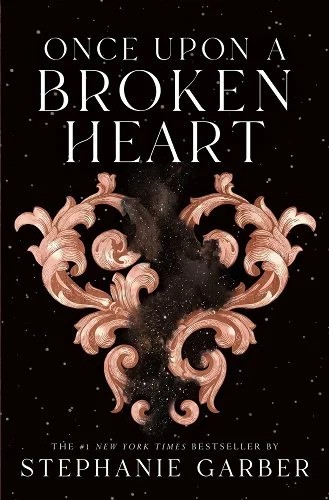
Something about rivals or enemies, whether in a school or a magical setting, falling in love just hits the spot. The tension! The angst! The will-they-won’t-they! When one is a villain and the other the hero, or even another villain, there’s just so much of a pull between the characters. I love how this kind of romance typically hinges on the plot, or vice versa, rather than being a throwaway element of the book. Some of my favorites include Eva and Jacks from Once Upon a Broken Heart and Beth and Devon from The Ornithologist’s Field Guide to Love.
Listen, in real life, I’m all for second chances. Maybe even third! But in books, I want a love interest that is down bad for the protagonist from the get-go. If they did something bad that made their previous romance end, I just don’t feel the same about their second. I don’t forgive that easily. Plus, I love the excitement and newness of first romances. Second chance romances, in my opinion, lose the sparkle I crave in my romance reads.
Fiona Hansen, Editorial & Outreach
Hooked on Enemies-to-Lovers
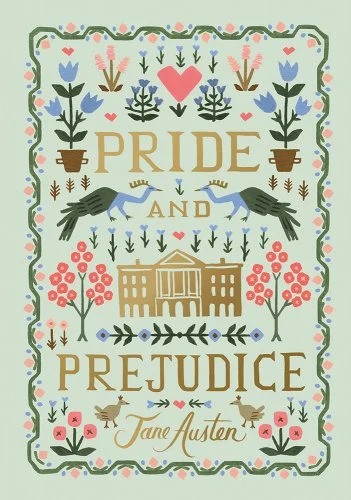
The tension between characters in enemies-to-lovers stories is my all-time fave. I love it when the love interests have conflicting feelings, dramatic reveals, witty banter, and sexual tension; it just makes for a more well-rounded book, in my opinion. I love to see my characters go through the wringer in terms of emotional development, from one end of the spectrum to the other. It’s much more fun. I love Violet and Xaden, Elizabeth and Darcy (obvi), and Prince Henry and Alex. Also, 10 Things I Hate About You, Me Before You, and The Proposal are great movies for that.
That’s probably the reason I don’t like friends-to-lovers; when there’s already a strong platonic love emotion felt toward a person, it’s not all that compelling when it makes the slight shift to romantic love. In real life, of course, I think friends-to-lovers are one of the strongest ways to build a relationship; it’s just not so entertaining to read about!
Elizabeth Beaver, Editorial
Miscommunication Mishaps
There is something about the moment when the enemies/rivals realize that the person they’ve despised all this time is just as human as them that is so satisfying. But the time before that, when both parties are just consumed by their loathing and want nothing more than to beat each other down, has great potential for snarky dialogue and tense moments of frustrated attraction. And when they inevitably become lovers, the relationship is usually full of all the passion they dedicated to despising each other. Really, no matter what stage the relationship is in, the reader can’t lose.
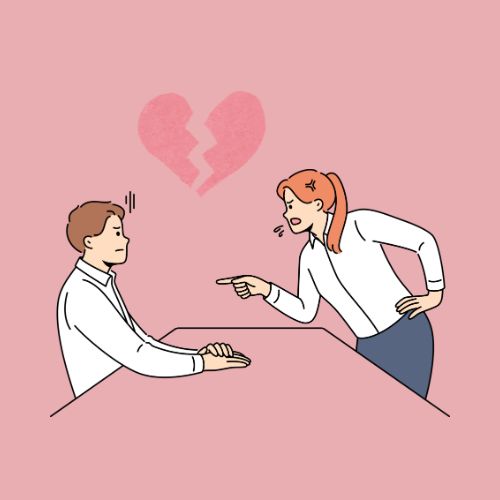
It’s probably hypocritical to say I don’t like miscommunication when the root of many enemies/rivals to lovers is miscommunication or misunderstandings, but it’s just not my cup of tea. Some authors like to throw miscommunication in during the third act to add some kind of trial for the relationship to face, and I think it’s unnecessary. There are plenty of other ways to test a couple that would be more interesting and build more character than miscommunication does. To me, the miscommunication trope is, more often than not, lazy writing.
Abby Caswell, Editorial
The romance genre offers a diverse range of scenarios and outcomes, and certain themes capture readers’ attention more than others. Whether you’re a diehard enemies-to-lovers fan or an optimistic second-chance lover, these romance tropes evoke emotion within all readers and provide fresh perspectives on love.
Want to learn more about what the Bookstr team likes to read? Click here!
Click here for our Bookstr Team Recommendations shelf on Bookshop.org!