

















Education is the cornerstone of humanity. Teachers are the lifeblood of education. Where would we be without those who dared to improve upon learning, access to education, or expectations for students? Often underappreciated and overlooked, teachers have paved the way for all great human feats and done so with the hope of making the world a better place. Let’s honor the legacy of educators who have shaped our history.
Confucius
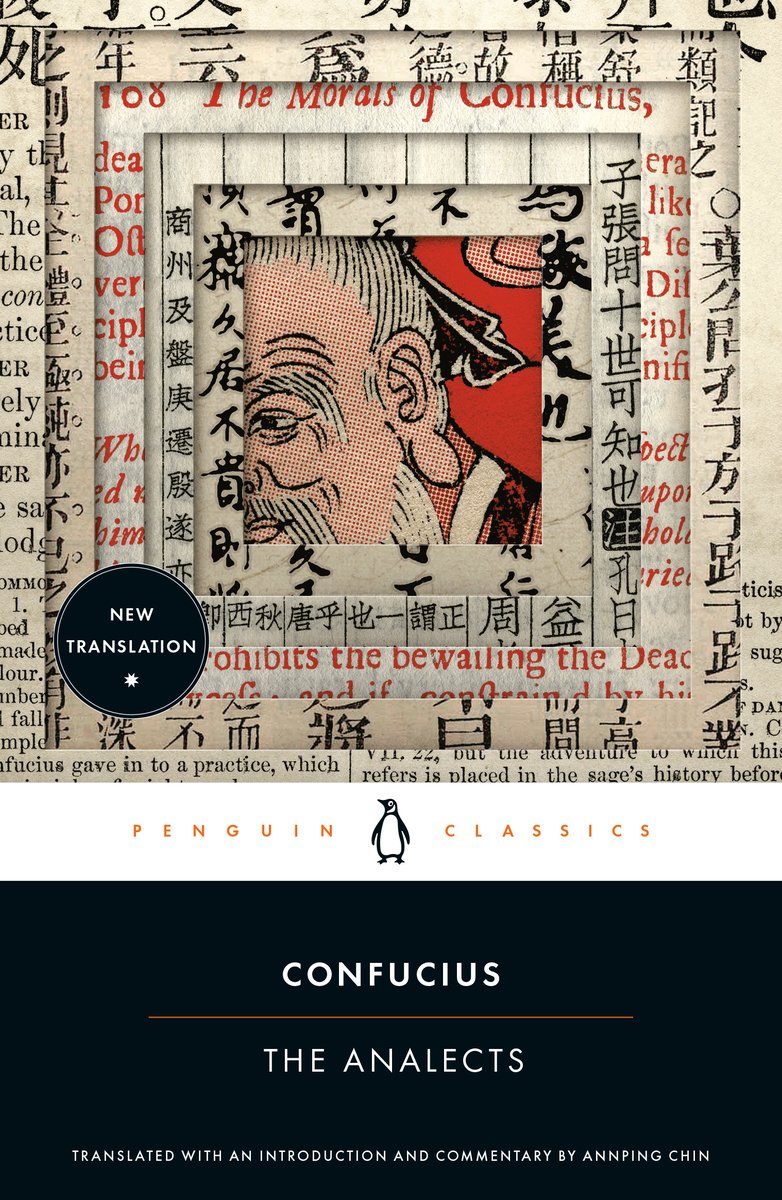
Confucius, born Kong Qiu, was a Chinese philosopher and teacher who lived from 551 to 479 BC. Confucius was known as the first teacher in China who stressed the importance of making education broadly available and was instrumental in turning teaching into a career path. In a time ripe with class division, Confucius refused to discriminate against any individual who wanted to learn and taught all who sought him out. Not only revolutionizing education in Ancient China but also instilling the moral and philosophical framework of East Asia, Confucius left behind the philosophy of Confucianism. The five main tenets of Confucianism are benevolence (Rén), righteousness (Yì), propriety (Lĭ), wisdom (Zhì), and sincerity (Xìn). When honoring the legacies of history-making educators, one must start with the man who identified the value of education and insisted upon it as a human right.
Aristotle
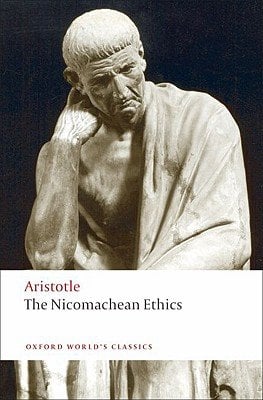
Aristotle was an Ancient Greek philosopher and polymath, alive from 384 to 322 BCE. Considered by many to be the father of logic, Aristotle was devoted to a life of learning and teaching. His writings varied widely in topics: the natural sciences, philosophy, linguistics, economics, politics, psychology, and the arts. The founder of the Peripatetic school of philosophy in the Lyceum in Athens, Aristotle initiated the Aristotelian tradition, which continued after his death and led to the development of modern science. Little is known about the life of Aristotle, but his groundbreaking teachings and methods when pursuing knowledge had a profound effect on the development of education and still have an undeniable place in philosophical discussions.
Savitribai Phule
Considered the pioneer of India’s feminist movement and the woman responsible for starting India’s first school for girls, Savitribai Phule was a trailblazing teacher, social reformer, and poet. Born in 1831 and the first female teacher in India by 1848, Phule broke down barriers around women’s intellectual capabilities and insisted upon the necessity of educating all genders. Her first school for girls had a ripple effect, and Savitribai went on to open more schools for girls and women of all economic backgrounds in surrounding villages.

Despite societal backlash and harassment, Savitribai Phule was unwavering in her pursuit of equal education. After opening the school for girls alongside her husband Jyotirao Phule, Savitribai went on to establish a shelter in 1864 for poverty-stricken women and was an indispensable part of her husband’s groundbreaking institution, Satyashodhak Samaj, created in 1873, which fought for class equality. A hero of education and gender equality, Savitribai Phule is considered the mother of Indian feminism.
Maria Montessori
The originator of what many believe to be the most effective form of education, the Montessori system, Maria Montessori was an Italian physician and teacher who left behind an immense educational legacy. Born in 1870, Maria Montessori quickly defied traditional gender roles. By 13, she was attending an all-boys technical school in pursuit of engineering, soon shifted to medicine, and by 1896, graduated as one of Italy’s first female physicians. Montessori soon became immersed in the world of education; she studied pedagogy and questioned the current methods for teaching children with learning disabilities.
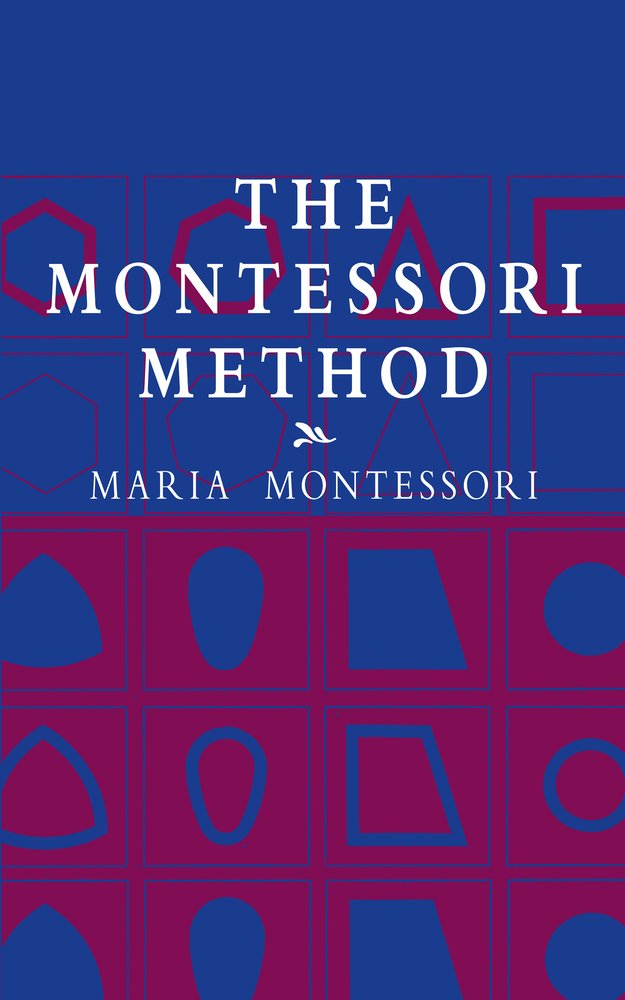
Montessori became the co-director of a new special education institute that applied scientific observation and experimentation by 1901. By 1907, she had opened her daycare for underrepresented children in the community, and soon her schools reached widespread recognition and were opened globally. Montessori opted for a child-centered educational approach emphasizing hands-on learning, a prepared learning environment, and the wish for children to proceed with their education at their own pace. Her impact on the education system is astounding and profound, with recent studies arguing that children in Montessori schools outperform students from standardized learning schools, specifically in the arts and tech. A trailblazer for educational methods and a woman who boldly defied gender politics, Maria Montessori was an astounding educator.
Mary McLeod Bethune
Mary McLeod Bethune was born in Mayesville, South Carolina, in 1875 and was the first person to be born free in her family and the first to pursue a formal education. Born into a life of poverty and oppression, Bethune would go on to achieve greatness and change the course of education. In her early days, her schooling was mostly aimed at preparing her for missionary work. Instead, she taught at schools in South Carolina and Georgia before moving to Palatka, Florida, where she established her missionary school. She then moved to Daytona Beach, where she established yet another school with only $1.50 in 1904: the Daytona Literary and Industrial Training Institute for Negro Girls. It started small with five young girls and her son, and steadily, it grew to a high school.
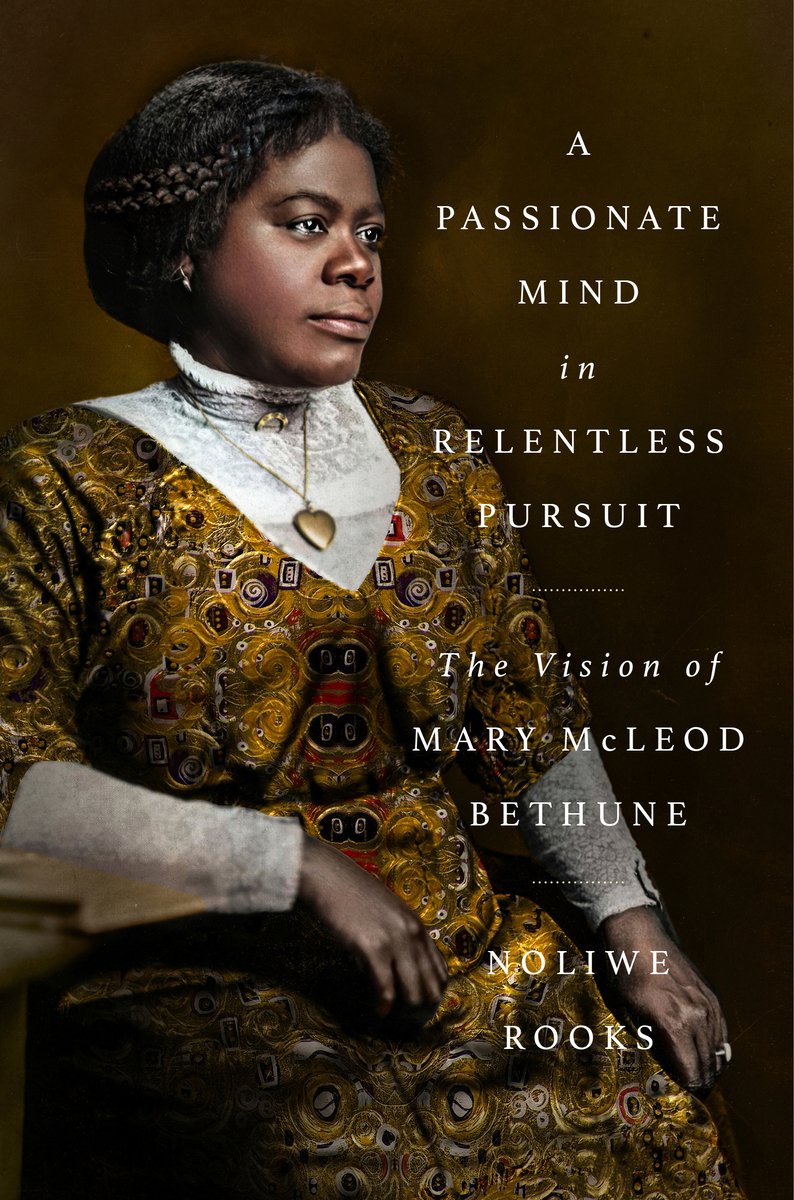
By 1923, Bethune’s school merged with the all-boys school, Cookman Institute of Jacksonville, Florida. By 1931, the school was accredited by the Association of Colleges and Secondary Schools of the Southern States, and the name was officially changed to Bethune-Cookman College. Bethune became the first African-American woman to serve as college president. During this era, Bethune’s school was one of the only places below the Mason-Dixon line where African-Americans could seek out an education surpassing a high school diploma. A leader among women, the African-American community, educators, and American citizens, Bethune defied every obstacle and bettered the lives of countless individuals.
Jaime Escalante
Jaime Escalante is famous for his work with students who were deemed “unteachable” in Los Angeles, California; under his mentorship, many of these students achieved such high grades that they were invalidated by the testing company on suspicion of cheating. Born in 1930 in Bolivia and a child of two teachers, Escalante went on to become one of the most famous educators in the United States during the 1980s and 90s. In 1974, Escalante started his position at Garfield High School in East Los Angeles, California, where he taught math in an underfunded school known for its troubled students, violence, and drugs. Escalante rejected notions of the incapability of his students and started an advanced mathematics program with a group of students.

In 1982, his students took the advanced placement test in Calculus and passed with flying colors ー much to the surprise and suspicion of the testing agency. Escalante vehemently protested the testing company and advocated for his students, insisting that his students were being profiled for being Hispanic and from an underfunded school. Months later, the students took the test again, passed, proved the company wrong, and displayed the abhorrent prejudice within our education system. Escalante went on to be the subject of books and movies and was deemed the best teacher in America.
Hanan Al Hroub
Hanan Al Hroub is an award-winning Palestinian teacher who, in 2016, was the second winner of the Global Teacher Prize, which focuses on supporting students traumatized by violence. Hanan was raised in the Palestinian refugee camp of Bethlehem and was regularly exposed to violence. When she grew up, she sought to help children escape the constant threat of danger in her classroom. Hanan Al Hroub felt a call to action after her children were traumatized by a shooting incident they witnessed on their way to school, and she started her career in primary education.

Hanan’s focus is to develop relationships based on trust, respect, affection, and honesty with her students and stresses the importance of literacy. She also provides specialist care to students unpacking experiences with violence and trauma. Hanan encourages students’ play, caters to individual needs, and rewards positive behavior. An inspiration and teacher to her colleagues, Hanan’s teaching approach has led to a decline in violent behavior in schools that were previously ripe with them. In a world of violence, Hanan Al Hroub teaches peace and pushes her students to be kinder than the world they’ve known.
From ancient times to the present day, teachers have been advocating for their students and the power of education. The wisdom, determination, and grit of these groundbreaking educators should be continually acknowledged and appreciated. With threats to education emerging every day, it has never been more important to reflect on how far we’ve come and consider where we’re headed. Thank you to all my teachers who have shaped my world in ways I’ll never be able to express. This is for you.
Looking to learn more about influential educators? Read about Nelson Mandela’s influence here.
Searching for more real-world reads? Browse our nonfiction Bookshop.
