














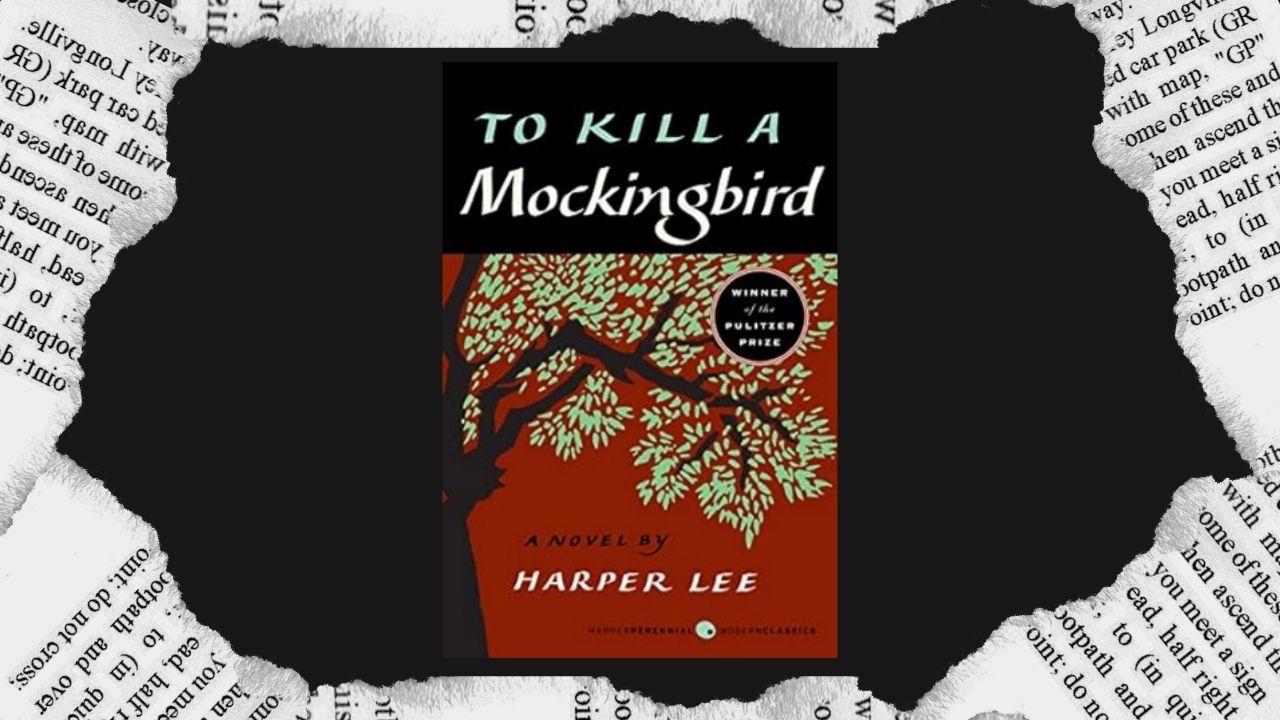
From the perspective of young Scout Finch, readers are introduced to a world where social injustice and prejudice run rampant, yet the seeds of heroism and empathy are sown by those who dare to stand against the tide. As we explore the most prevalent themes of the novel, it becomes clear that its messages resonate just as strongly today as they did upon publication. The narrative not only highlights the struggles faced by marginalized individuals, but presents a powerful commentary on exploring the relevance and significance of Harper Lee’s masterpiece in our contemporary society
One of the most striking aspects of To Kill a Mockingbird is its unflinching examination of racial inequality. Through the trial of Tom Robinson, a black man unjustly accused of raping a white woman, Lee exposes the deep-seated prejudices that permeate society. The novel’s representation of social injustice serves as a reminder of the ongoing struggles for equality and the need for individuals to challenge systemic discrimination.
Through the Eyes of Scout Finch
As readers follow the journey of Scout, they see along with her how social injustice and prejudice dominate everyday life. As a young girl growing up in the racially charged atmosphere of Maycomb, Alabama, Scout’s perspective offers a unique lens through which the complexities of human behavior and moral dilemmas are explored. She witnesses firsthand the unfair treatment of Tom Robinson, and grapples with the harsh realities of her community’s racial biases.
Scout’s innocence contrasts sharply with the harsh truths of the adult world, highlighting the loss of childhood naivety as she confronts racism and discrimination. Her father, Atticus Finch, serves as a moral beacon, teaching her the importance of empathy and understanding in the face of hatred. Scout’s journey shows her the struggles faced by marginalized individuals, but also emphasizes the need for courage and the fight for justice—themes that remain incredibly relevant in today’s society.
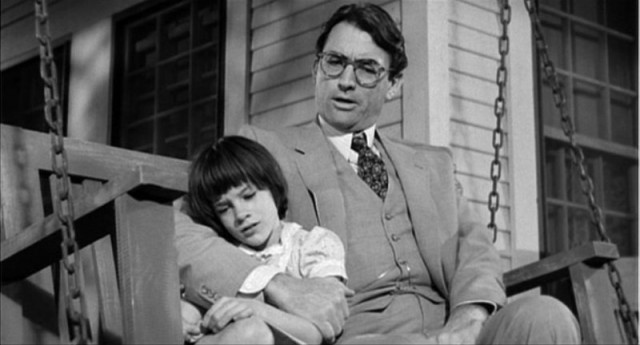
Atticus embodies moral courage as he defends Tom Robinson, teaching Scout and her brother Jem the importance of standing up for what is right, even when it is dangerous. He instills in them the value of empathy and understanding others which helps Scout develop a deeper understanding of the complexities of human behavior.
Scout learns that true bravery is not just about physical acts but also about fighting against societal norms and prejudices. These lessons shape her worldview, planting the seeds of empathy and heroism that will guide her as she navigates the challenges of adulthood. Through these experiences, Scout becomes a symbol of hope and resilience, embodying the idea that standing against the tide can lead to a more just and compassionate society.
Social Injustice
Social injustice is a central focus of the novel that reveals the inequalities that remain present in society. Through the perspective of the unfair trial, the novel exposes how systemic racism and prejudice affect the lives of marginalized individuals. Despite overwhelming evidence of Robinson’s innocence, the all-white jury convicts him, showcasing how prejudice often outweighs truth and fairness in deeply segregated societies. This case highlights the racial biases that plague not only the fictional town of Maycomb, but also real-world institutions, past and present.
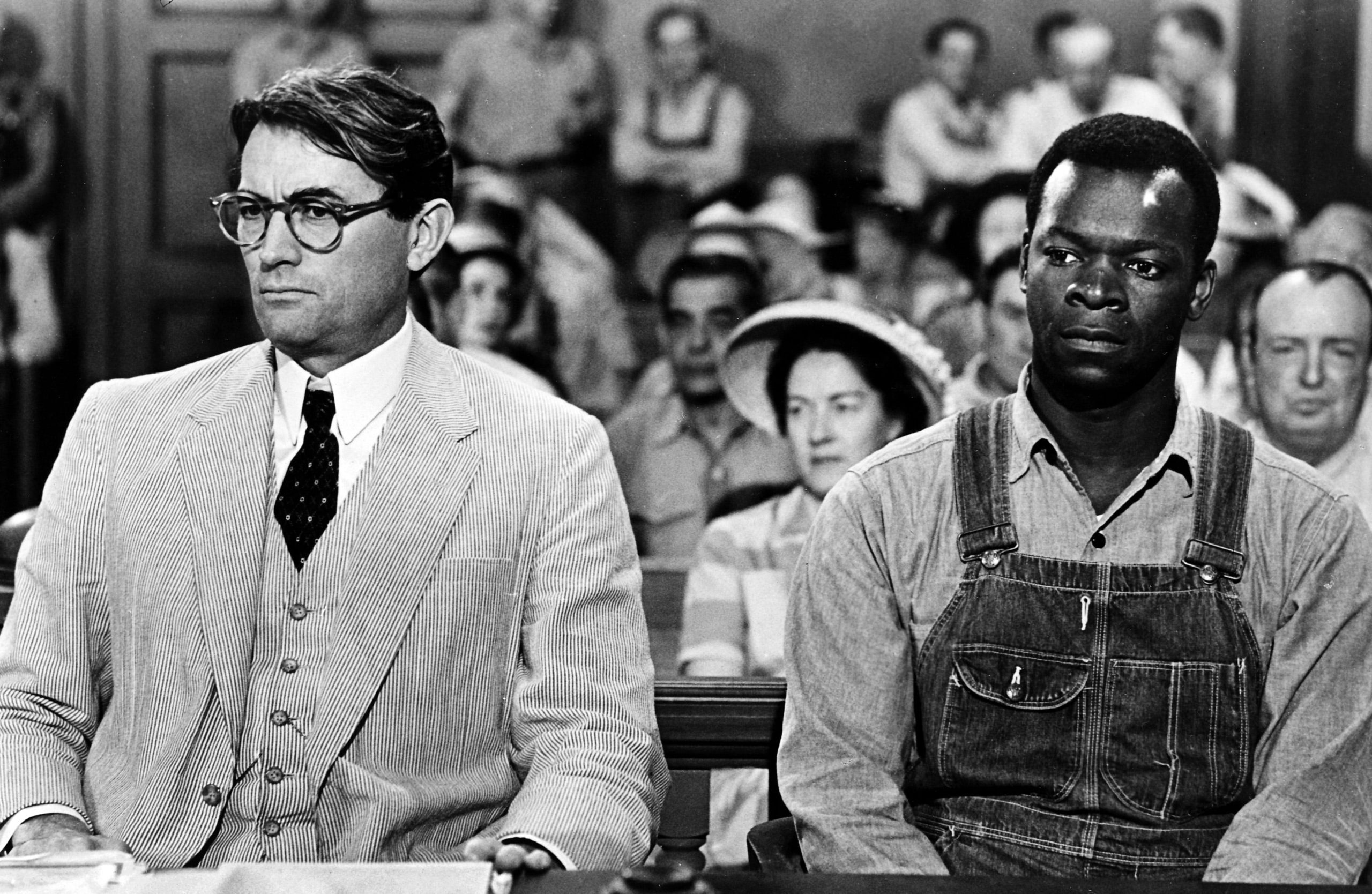
Atticus Finch, as Tom’s defense lawyer, represents the moral conscience of the community. He challenges the deeply ingrained racism of Maycomb, advocating for fairness and equality. Through his efforts, the novel illustrates the struggle against social injustice and the importance of standing up for what is right, even in the face of overwhelming hostility.
Beyond Tom Robinson’s trial, To Kill a Mockingbird illustrates how social hierarchy and discrimination extend beyond race. Mayella Ewell, though white, is ostracized due to her poverty, demonstrating that injustice is not limited to one identity but intersects with class and social standing. The book forces readers to confront the uncomfortable reality that inequalities are embedded in the foundation of society, and it challenges us to recognize and dismantle them in our own time. Let’s all commit to being more aware of the injustices around us and actively speak out against discrimination.
Heroism
Atticus serves as an exemplary figure of heroism as he takes on Tom Robinson’s case, fully aware that his efforts are likely to fail against the racially charged Maycomb. Yet, he stands firm in his principles, teaching his children that true courage is persevering in the face of inevitable defeat.
Boo Radley also embodies an unconventional form of heroism. For most of the novel, he is shrouded in mystery, feared by the children due to neighborhood rumors that paint him as a dangerous man. However, in the climactic moment, Boo emerges as a true protector when he saves Scout and Jem from Bob Ewell’s attack. His act of selflessness defies the town’s misconceptions about him, proving that heroism can come from the most unexpected places.
This theme remains significant today as it encourages readers to recognize and appreciate acts of everyday heroism in their own lives—whether it be standing up against injustice, or simply choosing to be empathetic in a world that often lacks kindness and understanding. To Kill a Mockingbird ultimately teaches that heroism is not reserved for the extraordinary few, but is accessible to anyone willing to act with courage.
Moral Integrity
Moral integrity serves as the foundation upon which characters like Atticus, Scout and Boo navigate the prejudices and injustices of their society. Harper Lee uses the novel to emphasize that true integrity means adhering to one’s principles, even when doing so is difficult.
Atticus Finch is the novel’s most striking example of moral integrity. He does not simply teach his children right from wrong—he leads by example. His decision to defend Tom Robinson, despite knowing that doing so will make him a target of criticism and even threats, demonstrates his commitment to justice. He refuses to let the racist norms of Maycomb dictate his actions, instead standing by his belief that every person deserves a fair trial, regardless of their race.

Scout and Jem’s moral development throughout the novel also highlights the importance of integrity. At the beginning, they view morality in simple terms—good versus bad. However, as they witness the town’s hypocrisy and cruelty, they begin to understand that true morality requires actively standing against injustice. Scout, in particular, learns to see past societal prejudices and judge people based on their actions rather than biases.
Boo Radley, though misunderstood, also serves as an example of this principle. He remains true to himself despite being ostracized and ultimately chooses to act with kindness by protecting Scout and Jem from Bob Ewell. His quiet heroism contrasts with the town’s eagerness to judge and exclude those who do not conform to the norms.
This theme is crucial to the novel because it challenges readers to consider what it truly means to do the right thing. Integrity is not just about knowing what is right, but about having the courage to act on it.
To Kill A Mockingbird’s Significant Impact
One of the reasons for the novel’s enduring impact is its relevance to modern discussions on race and justice. The wrongful conviction of Tom Robinson mirrors the real-world racial disparities that persist within legal systems today. As movements advocating for social justice, such as Black Lives Matter, continue to highlight systemic discrimination, To Kill a Mockingbird serves as a reminder of how individuals must take a stand against injustice.

Additionally, the novel’s exploration of courage and empathy remains just as meaningful. Atticus Finch’s insistence on understanding others encourages readers to approach others with compassion, particularly those who are marginalized or misunderstood. This message is increasingly relevant in today’s polarized world as it introduces young readers to important discussions on ethics and human rights.
As long as issues of prejudice, inequality, and moral integrity remain present, To Kill a Mockingbird will continue to be a powerful tool for teaching readers about the importance of fighting social injustices, maintaining moral integrity and being a hero when needed.
To check out more classic books for young readers, click here.
Want to check out the best quotes from To Kill a Mockingbird? Click here.