

















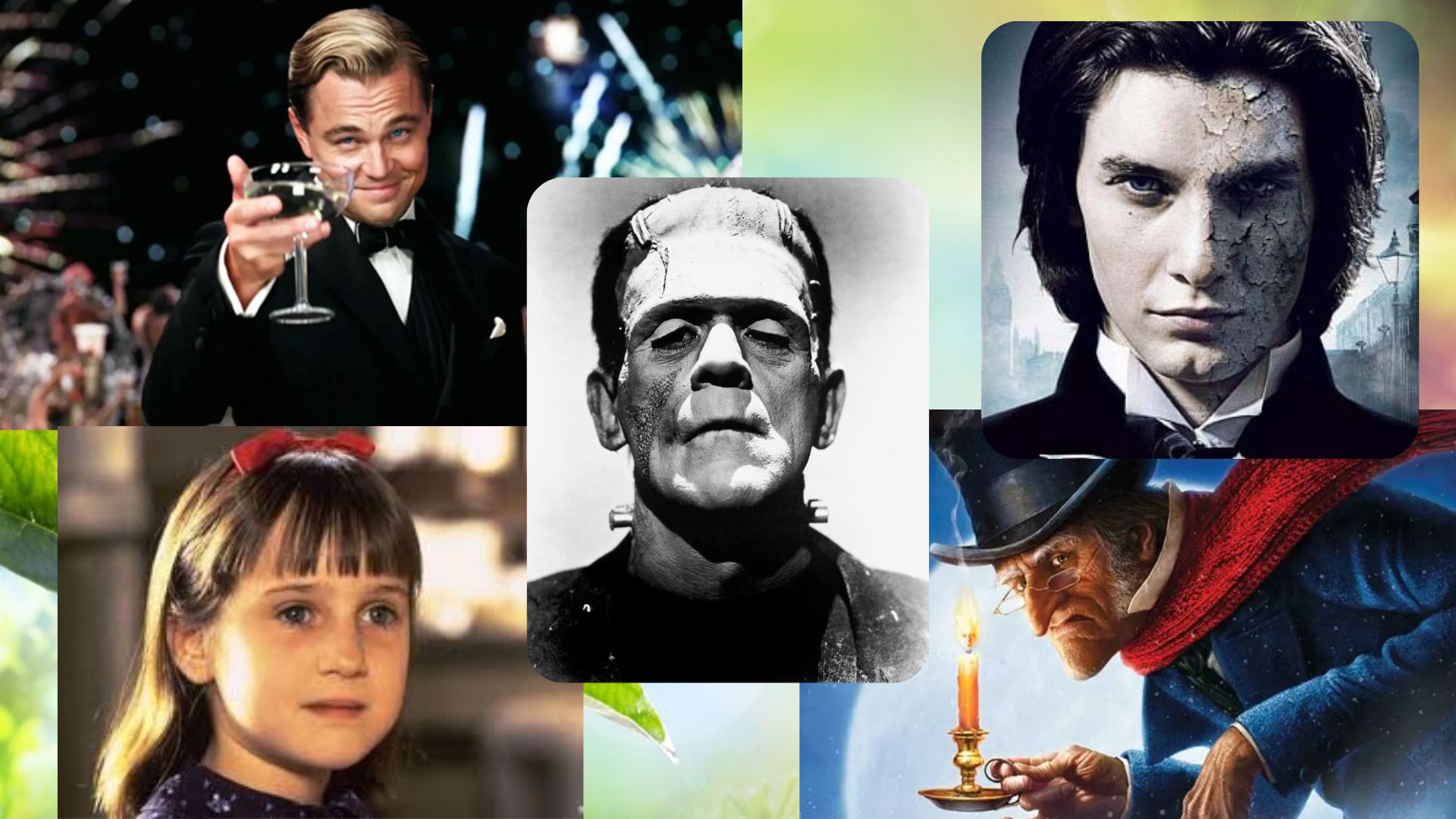
Just as spring blossoms into new beginnings, stories can unfold as journeys of transformation and renewal. Finding ourselves amid the harsh realities of doubt and hardship is a process many narratives explore, showing how adversity shapes and redefines us. These literary tales of rebirth not only highlight the strength of fictional characters but also reflect the symbolic power of transformation they have in our own lives.
Ebenezer Scrooge — A Christmas Carol
Ebenezer Scrooge, a bitter old man consumed by greed and regret, is forced to confront his past when three ghosts visit him on Christmas Eve. His obsession with wealth has distanced him from others, leaving him isolated and resentful.
Charles Dickens masterfully captures Scrooge’s transformation through this haunting yet enlightening journey. Each ghost — the Ghost of Christmas Past, Present, and Future — sheds light on the fleeting nature of life and the consequences of his choices. In this journey of rebirth, Dickens signifies that despite the constraints of time and age, there is always an opportunity for change.

Scrooge is a prime example of literary renewal, proving that even a life filled with regret can be redirected toward something meaningful. His shift from a cold-hearted, selfish man to a generous and compassionate individual encapsulates the themes of redemption, self-awareness, and the power of kindness.
The Monster — Frankenstein
Prejudice and discrimination can shape lives in ways that are not always immediately visible, often leading to resentment and regret — much like Scrooge. But what if the problem isn’t within us but rather in the society around us?
In Mary Shelley’s Frankenstein, the monster is portrayed as an abomination, cast aside by a world that refuses to accept him. He longs to live freely, love, and experience the world without fear. However, as the story unfolds, the relentless rejection and discrimination he faces drive him toward vengeance and a desperate search for understanding.
This tale explores both a literal and metaphorical form of rebirth — the monster is “born” from Victor Frankenstein’s experiments yet is never given the love or guidance needed to thrive. Shelley delves into the moral complexities of creating life while highlighting the transformative power of love and nurture in shaping individuals.
Matilda Wormwood — Matilda
Roald Dahl’s stories often carry themes of rebirth and transformation, as seen in Charlie and the Chocolate Factory and The BFG. However, one of the most uplifting tales of personal growth and self-discovery is Matilda.
Raised in a household filled with vanity, neglect, and prejudice, Matilda is no stranger to hardship — even when she enters school. There, she faces further struggles under the oppressive rule of Miss Trunchbull, enduring cruelty both at home and in the classroom.
Dahl portrays Matilda as an overlooked, misunderstood child, stifled by neglect and mistreatment. Yet, through her intelligence and a newfound sense of self-worth, she gains the strength to change her circumstances. Her journey is a testament to overcoming oppression, highlighting the power of knowledge, resilience, and personal transformation.
Dorian Gray — The Picture of Dorian Gray
Oscar Wilde’s gothic tale explores a darker side of transformation — a tragic rebirth of identity and new beginnings. Dorian Gray’s fear of aging and his realization that beauty and youth fade lead him to make an impulsive, fateful decision. Corrupted by vanity and hedonistic desires, he sells his soul to remain young, while his portrait bears the weight of his sins and moral decay.
Wilde presents Gray’s deterioration both metaphorically and literally, illustrating his descent into corruption as his outward beauty remains intact while his soul withers away. On the surface, Dorian appears preoccupied with external appearances, but his obsession ultimately leads to his downfall. Unlike the other characters on this list, Wilde explores the darker side of rebirth — one that serves as a cautionary tale about identity, morality, and the consequences of unchecked desire.
Nick Carraway — The Great Gatsby
F. Scott Fitzgerald presents a more complex take on transformation through the tragic rebirth of his characters. Narrated from the perspective of Nick Carraway, life in New York appears larger than he had ever imagined. Through Nick’s observations, the audience witnesses the reinvention of Jay Gatsby — a man who rises from humble beginnings to become a wealthy, enigmatic figure.
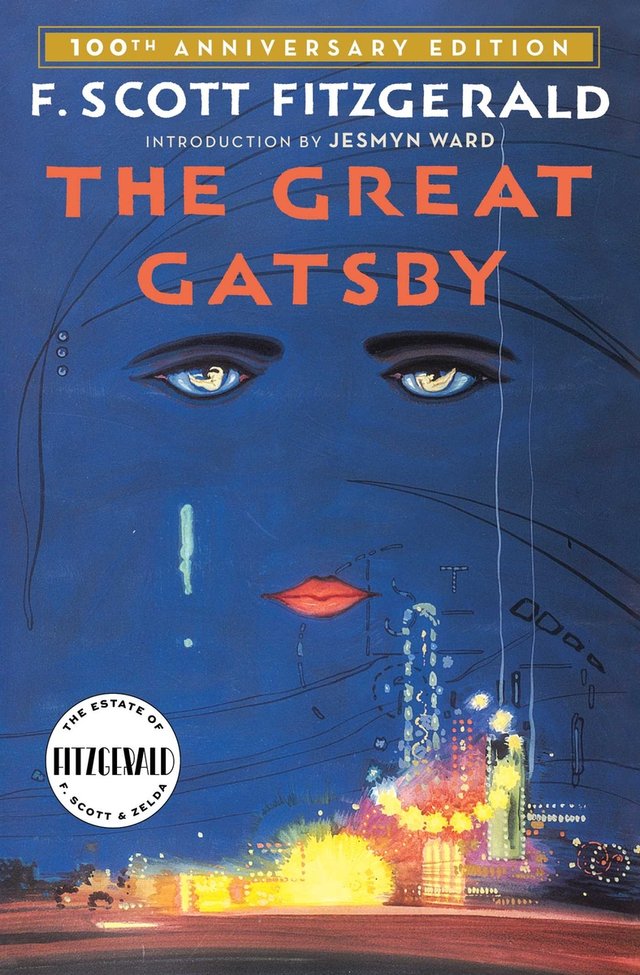
However, Gatsby’s transformation proves to be little more than a façade as he becomes trapped by his longing for a lost love. Much like Dorian Gray, Gatsby’s rebirth is ill-fated, as he is unable to escape his past or his obsession with Daisy. Fitzgerald critiques the idealized vision of the American Dream, particularly through the disillusionment of Gatsby’s self-reinvention. Ultimately, the novel serves as a critical reflection on the fleeting nature of transformation and the emptiness of pursuing unattainable ideals.
The classical tales of literary reinvention and transformation present vastly different yet interconnected portrayals of how characters evolve in response to their environments. While The Great Gatsby and The Picture of Dorian Gray may not promote positive transformation, their authors provide a profound insight into the fleeting nature of reinvention in a rapidly changing society. In contrast, other stories offer a more hopeful perspective on new beginnings, highlighting how tragic characters navigate prejudice and hardship to embrace their ideals and flaws. Ultimately, whether transformation leads to redemption or downfall, these narratives convey a powerful message about self-discovery within both personal and societal contexts.
Explore how literature continues to redefine transformation across generations.
Check out even more classic recommendations at Bookshop!
