















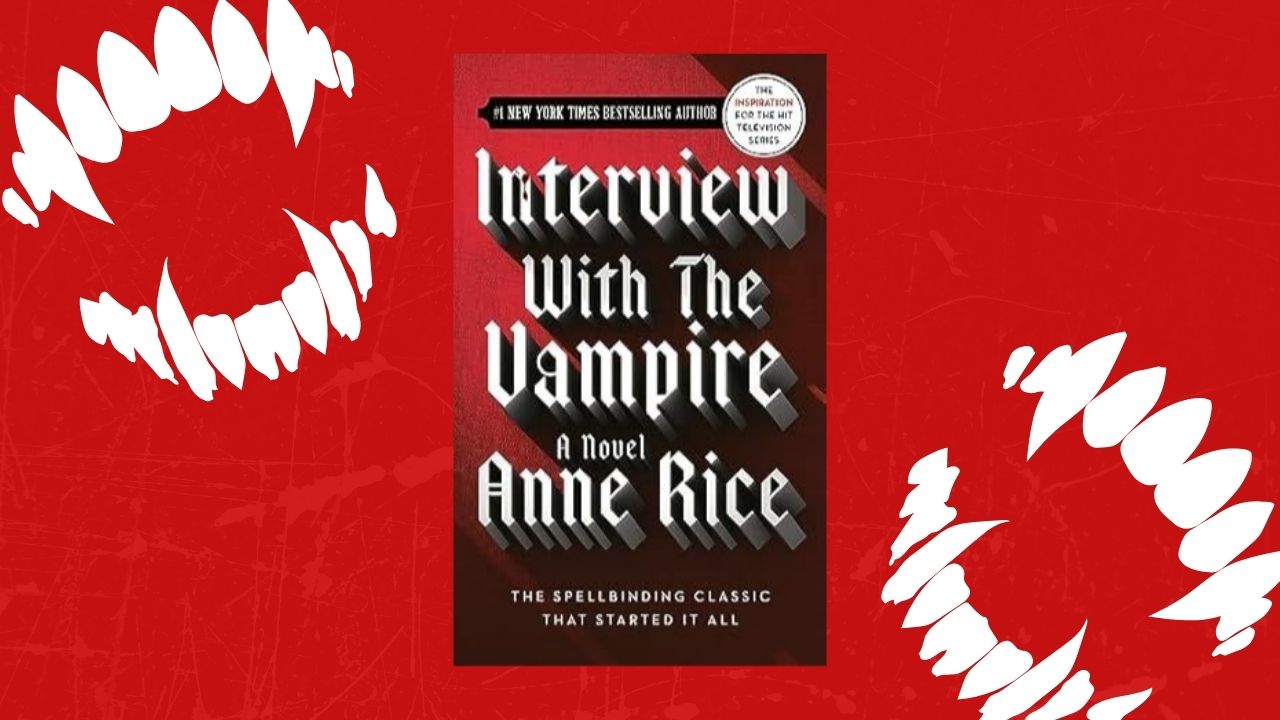
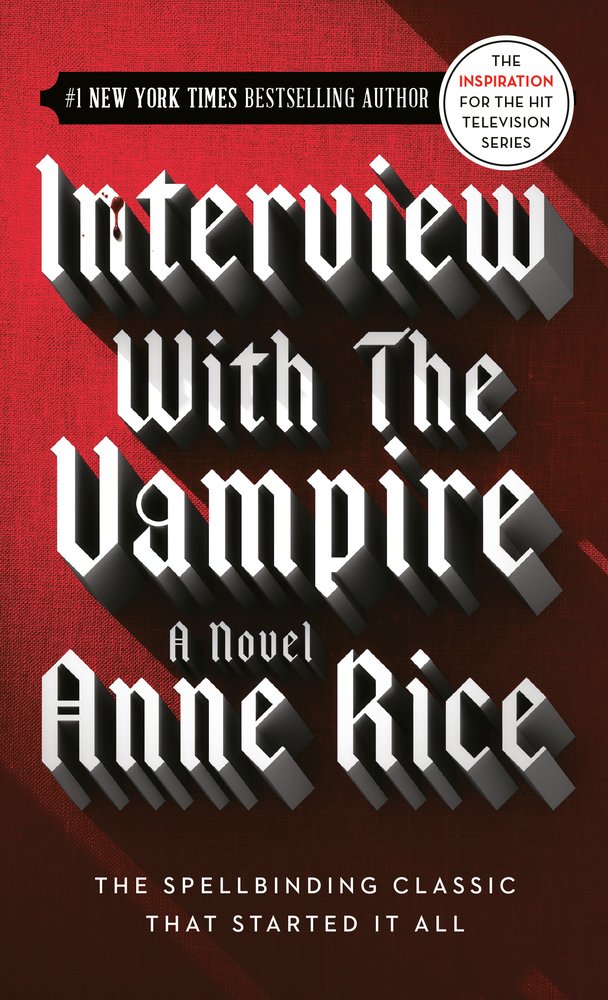
This novel does not merely explore the supernatural; it provides an in-depth look into the human condition, posing the haunting question of what it truly means to live forever. Through the eyes of Louis, Lestat, and Claudia, Rice masterfully exposes the existential despair and isolation that accompany an immortal existence.
Summary of Events
In 18th-century Louisiana, Louis, devastated by the loss of his family, is turned into a vampire by Lestat de Lioncourt. While Lestat relishes the power and cruelty of vampiric life, Louis struggles with his morality, refusing to kill humans at first. To keep Louis bound to him, Lestat turns a young girl named Claudia into a vampire, creating a complex and twisted family dynamic. Claudia, trapped in a child’s body despite her growing intellect and rage, eventually resents Lestat, leading to a violent rebellion against him.
After escaping to Europe, Louis and Claudia search for others like them, eventually encountering the vampire coven in Paris. There, they meet the ruthless Armand, who seduces Louis with promises of companionship. However, their presence in Paris leads to a reckoning when the coven vampires punish Claudia for her crimes against Lestat, ultimately destroying her. Heartbroken, Louis takes revenge before drifting through the centuries in sorrow.
Literary Impact
Interview With the Vampire redefined the vampire genre, shifting the portrayal of vampires from mere monsters to complex, emotionally driven characters. Rice’s vampires are introspective and morally ambiguous, which added a new sense of depth to horror literature and influenced countless authors and filmmakers.
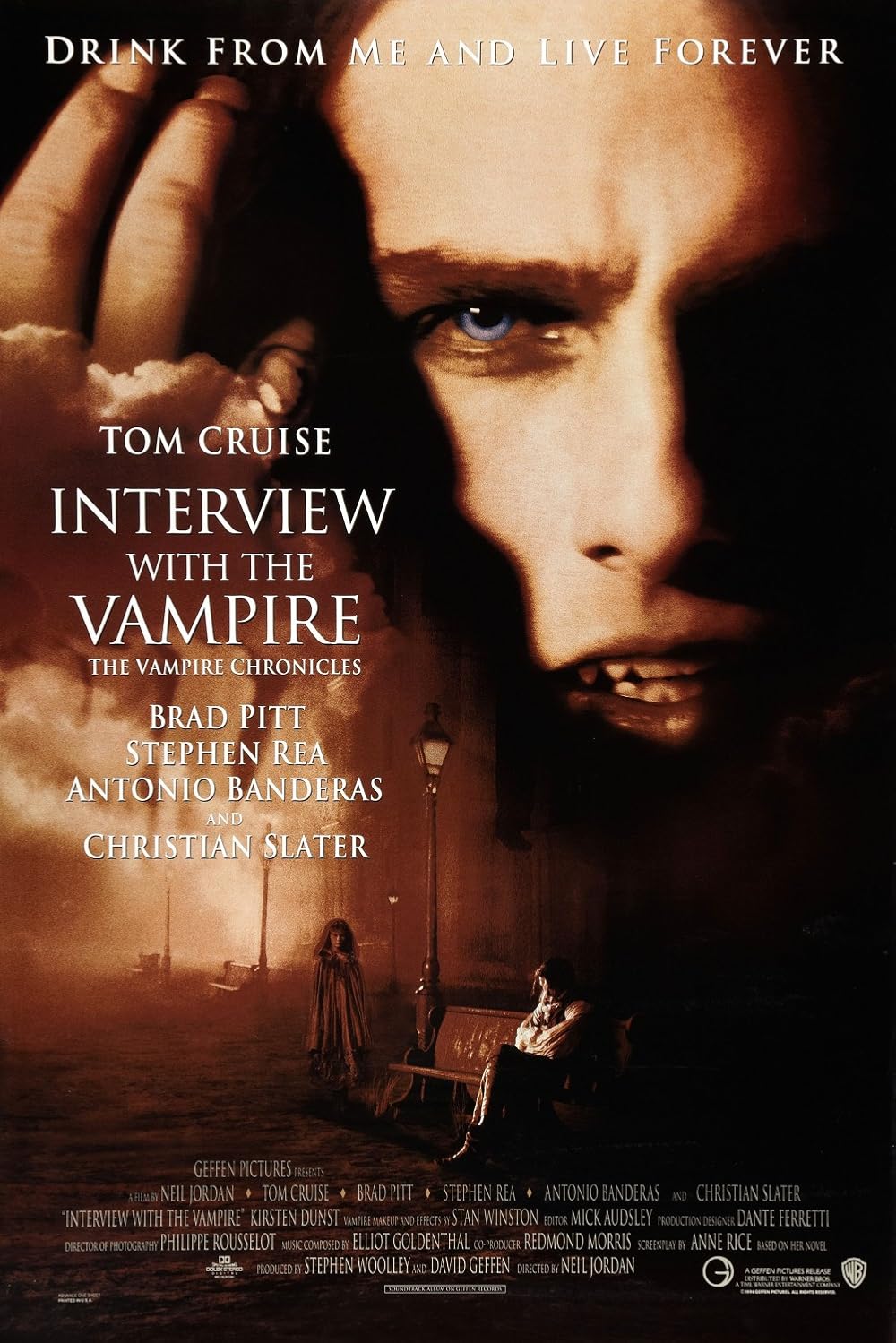
Rice’s ability to blend horror with existential questions has made the novel a seminal work, inspiring a resurgence of interest in vampire fiction and paving the way for modern interpretations in both literature and pop culture.
The Burden of Endless Time
For Louis, the protagonist of the novel, immortality is not a gift but a curse. The endless passage of time becomes a relevant burden, stripping away any sense of normalcy or progression. As decades become centuries, the monotony and repetition of existence lead to profound existential despair.
Louis’s struggle is evident in his constant reflection on his lost humanity and inability to reconcile his new existence with his moral compass. The endless passage of time exacerbates his sense of isolation and guilt, as he is forced to witness the fleeting nature of human life while he remains unchanged and trapped.

The transformation of vampires strips the characters of the simple pleasures and connections of human life, leaving them to wander through centuries in pursuit of meaning.
The Search for Meaning
As vampires, the characters are thrust into an eternal existence, prompting them to seek purpose and understanding in a world where they no longer belong. Turned into a vampire as a young child, Claudia’s character is condemned to an immortal life in a child’s body. As she matures intellectually and emotionally, she becomes increasingly aware of her predicament and the limitations it imposes on her.

Claudia’s quest for meaning is evident in her desperate attempts to break free from her vampiric existence. She yearns for a sense of identity and purpose beyond the confines of her childlike appearance. Her relationship with Louis and Lestat is marked by a constant struggle to understand her place in the world as her eternal youth becomes a prison, fueling her frustration and angst.
Claudia’s tragic fate unfolds when the vampire coven deems her existence as an abomination due to her eternal childlike form. They sentence her to death by exposing her to sunlight, which is lethal to vampires. As the sun’s rays burn her to ashes, Louis is left to witness the heartbreaking loss of his beloved companion. Her death is a devastating moment, highlighting the cruel realities of their immortal existence.
The Haunting Question of What It Means to Live Forever
While Lestat revels in the power and indulgence of immortality, Louis is tormented by his lingering humanity and the guilt that comes with outliving everyone he once loved. Searching for purpose, Louis wanders the world only to find that immortality offers no deeper truth, just an endless, unchanging existence that slowly erodes any sense of meaning.
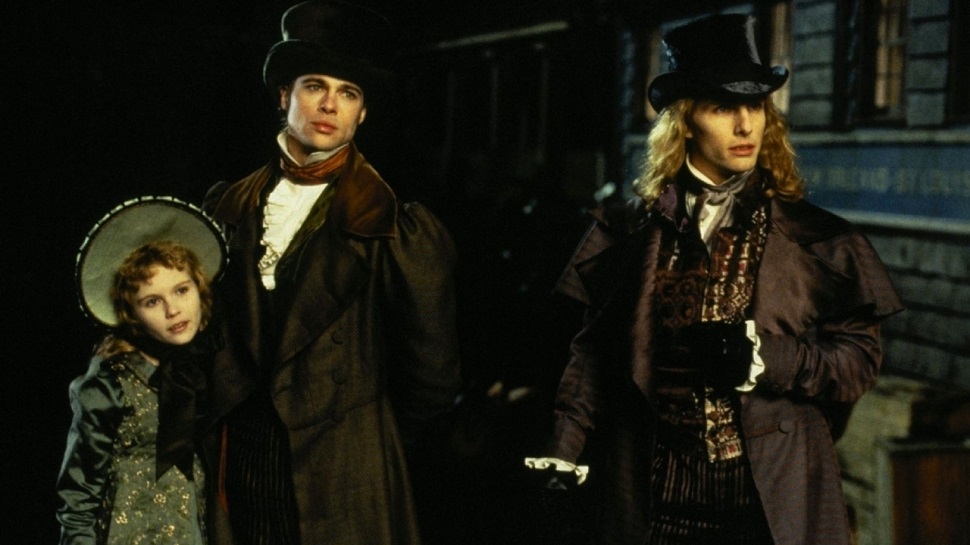
Death, which gives human life its urgency and significance, is denied to them, leaving only an eternity of watching the world change while they remain the same. The novel ultimately poses a haunting question: Is living forever truly a gift, or does it strip existence of its very meaning? Interview With the Vampire presents immortality as a tragic fate, a prison where the price of eternity is the slow erosion of purpose and self.
Through Louis’ existential torment and Claudia’s desperate yearning for escape, Anne Rice paints a haunting portrait of eternity as a prison. The novel forces us to question whether living forever would truly be a blessing or an unbearable curse, leaving us with the unsettling realization that perhaps it is mortality that gives life its true value.
To check out more authors who are redefining the vampire trope, click here
To discover more classic horror reads, click here