

















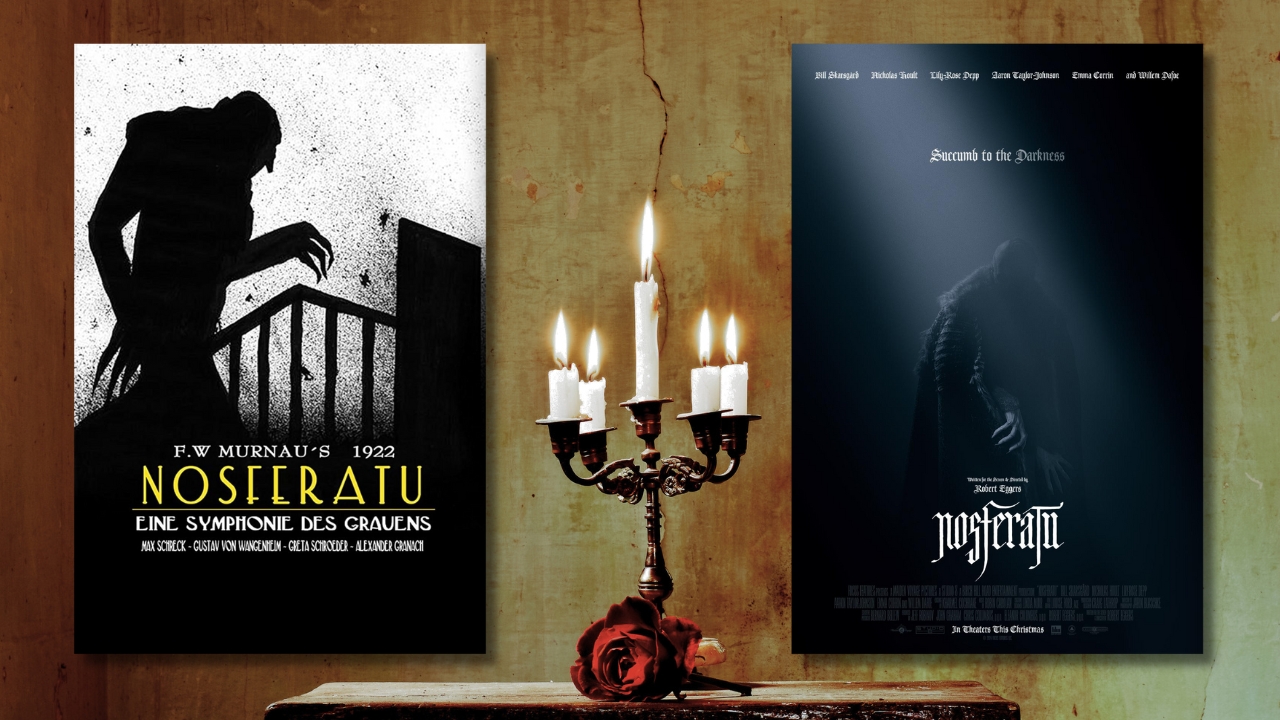
Vampires have lived in the depths of history as their stories are created and reimagined constantly in literature and film. Some sparkle, but most must avoid sunlight, and, like the media they are represented in, they live on past human mortality. Nosferatu is one of the most infamous vampires ever to exist, yet his image had been cast to the side as we shifted our focus to other types of romantic and attractive elements in vampires. With the film Nosferatu (2024), there has been a revival in Nosferatu’s story, along with the Romanticism era in which his story is told. So who is Nosferatu, and why is his revival so important to the vampire collective?
Trigger Warning: mentions of sexual assault and manipulation may be triggering for some readers. Please exercise personal care when reading.
Who Is Nosferatu?
Nosferatu was first introduced in Nosferatu: A Symphony of Horror (1922) as a silent German horror film which was an unauthorized adaptation of Dracula by Bram Stoker. In this rendition, Count Orlok, our infamous vampire, preys on the wife of Hutter, a man trying to sell a home to the count. The word Nosferatu is speculated to come from archaic Romanian as the word for vampire, however, the word’s history is unclear due to multiple interpretations in different languages.
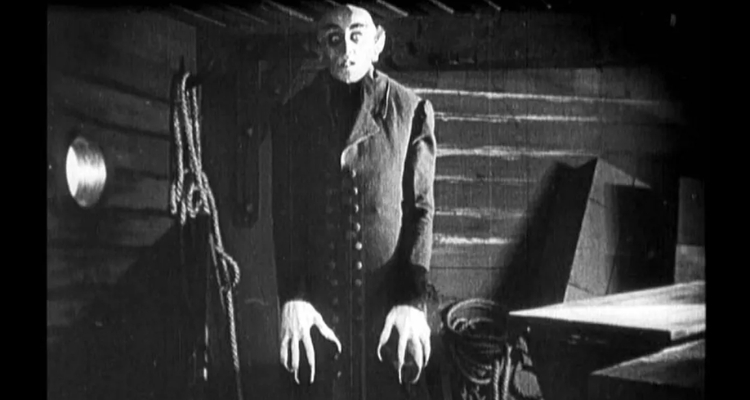
Unlike the vampires we are used to in the modern day, attractive, romantic, and sometimes sparkly, Count Orlok is not meant to be seen as a romantic attraction — although I did see the TikTok thirst traps. His on-screen presence visibly presents an aging vampire with overgrown nails and a bald head with only a few strands of what’s left of his hair, which is meant to make us uncomfortable as he preys on Ellen Hutter to manipulate and sexually abuse her.
His Presence On-Screen
As mentioned, Nosferatu first originated in 1922, but Count Orlok’s presence in the media doesn’t end there. You may remember a particular Graveyard Shift episode in season 2 of Spongebob, which introduced us to the “hash-slinging slasher” and our notorious Count Orlok. Though he is not present throughout the whole episode, his character added to the comedy of the overall episode as the audience — spoiler-alert — found out he was the one flipping the light switch the whole episode. This moment in the episode resurfaced on TikTok during the release of Nosferatu (2024).
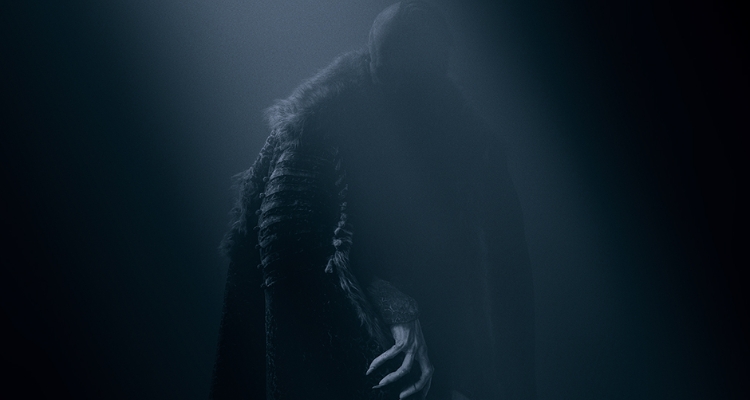
Nosferatu (2024) is directed by Robert Eggers and stars a few notable actors, including Lily-Rose Depp, Nicholas Hoult, Willem Dafoe, Aaron Taylor-Johnson, Emma Corrin, and Bill Skarsgård who plays our Nosferatu. This is not the first horror transformation for Skarsgård, as he also plays Pennywise in the most recent It films. Skarsgård holds a haunting power in his performance as he plays with the silence and space around him along with his voice as Nosferatu holds a deep voice with a reverb that sends a chill down the spine, which he trained for with an opera singer.
How This Horror Icon Revives Vampire Origins
While Nosferatu isn’t the first vampire, he still holds a lot of power in the creation of the vampire genre. Many of his attributes are taken from Dracula, but one thing Dracula didn’t do is die by sunlight. This detail becomes essential in Nosferatu’s story and later becomes a norm for most vampires as we see in many pieces in vampire media, including Buffy The Vampire Slayer in 1997.
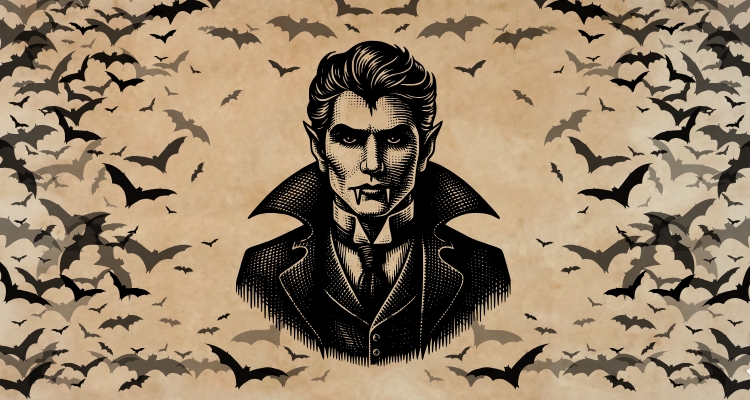
Unlike Buffy, however, Nosferatu doesn’t hold the typical sexy vampire qualities to which we are accustomed. This version gives us an older look at vampires and their mythology as he visibly ages, even if he is immortal. His attempt in trying to seduce another man’s wife creates the horror aspect of the film as this all-powerful being preys on Ellen and the community at large when he brings on a plague after underestimating Ellen’s strength. Nosferatu reminds us of the reality of villains and villains with power that can control and manipulate in more ways than one.
The vampire genre will continue to adapt as creators get more creative with their styles of vampires but they’ll never escape the origins from which they were inspired. Nosferatu (2024) brings back the origins of vampires and reminds us of the terror and history that comes with supernatural mythology.
Want to find more on vampires? Click here.
Want some recommendations for supernatural books? Check out our Vampire and Werewolf Books to Sink Your Teeth Into bookshelf on Bookshop.org.
