

















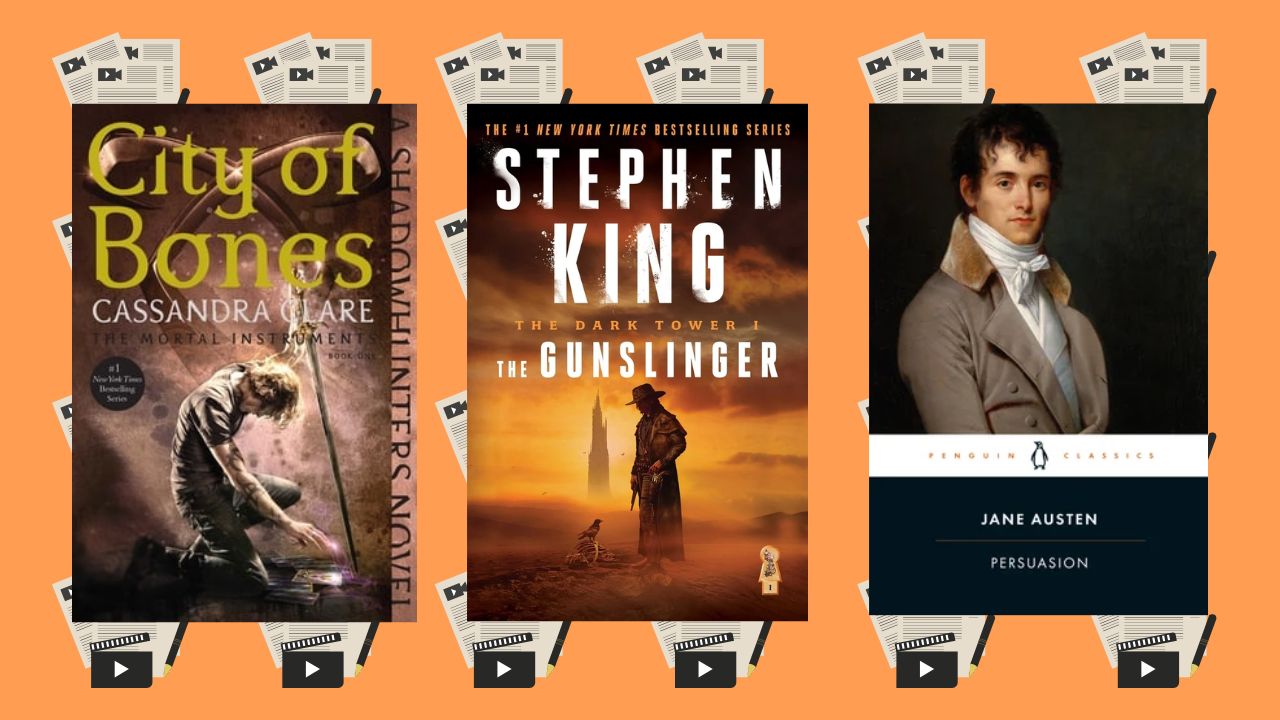
As the Academy Awards can attest to, sometimes the greatest movies come from adapting the greatest books. Past years have seen stunning adaptations like Little Women, The Silence of the Lambs, and even The Hunger Games (dystopian adaptations can sometimes suffer, as we’ll get to). Loyal readers and new audiences alike got to see beloved stories revitalized and retold beautifully, cementing them into pop culture and current literary canon. But sometimes, on their way to the silver screen, adaptations can stumble at the screenplay stage. Here are 4 examples of that.
Percy Jackson and the Olympians: The Sea of Monsters
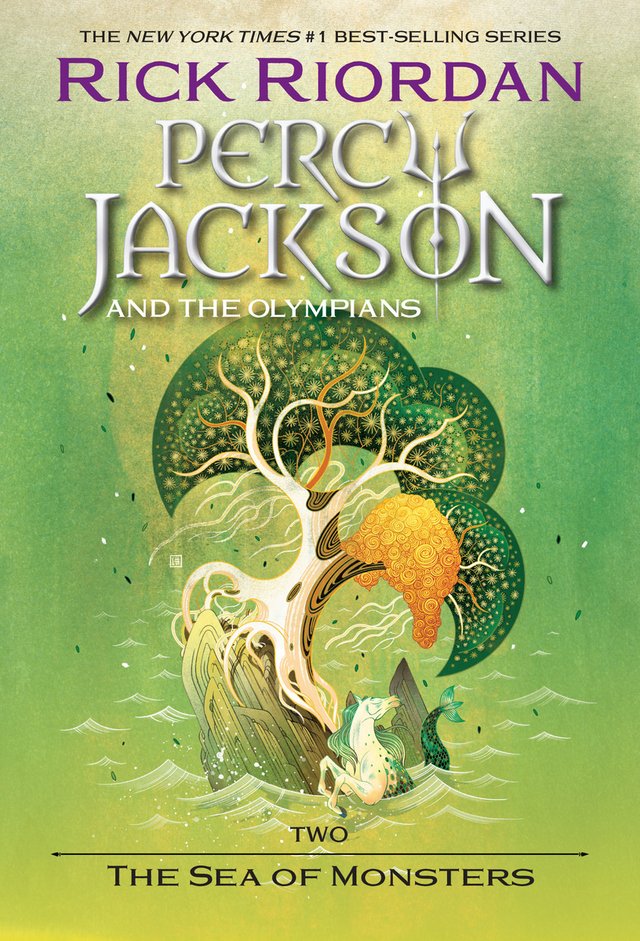
At the risk of beating a dead horse (and we know Poseidon would not approve), it’s no secret that the Percy Jackson movies are terrible adaptations. Rick Riordan had 0 involvement with the screenplay, and it’s particularly felt in the second movie, The Sea of Monsters. This 2 star review from the Guardian summarizes it best when says the “kids are charmless, the adults bemused”. The first movie is a fine movie even if it fails as an adaptation, managing to be engaging, charming, and fun (the Lotus Casino scene remains iconic). The grand reveal in this one is moved up far too soon, Percy seems a bit… er… waterlogged as a character, and the stakes feel at once repetitive and reduced from the first film. What really cements this film as the worser adaptation? It prevented a third from being made, although depending on your perspective, that’s a point in its favor.
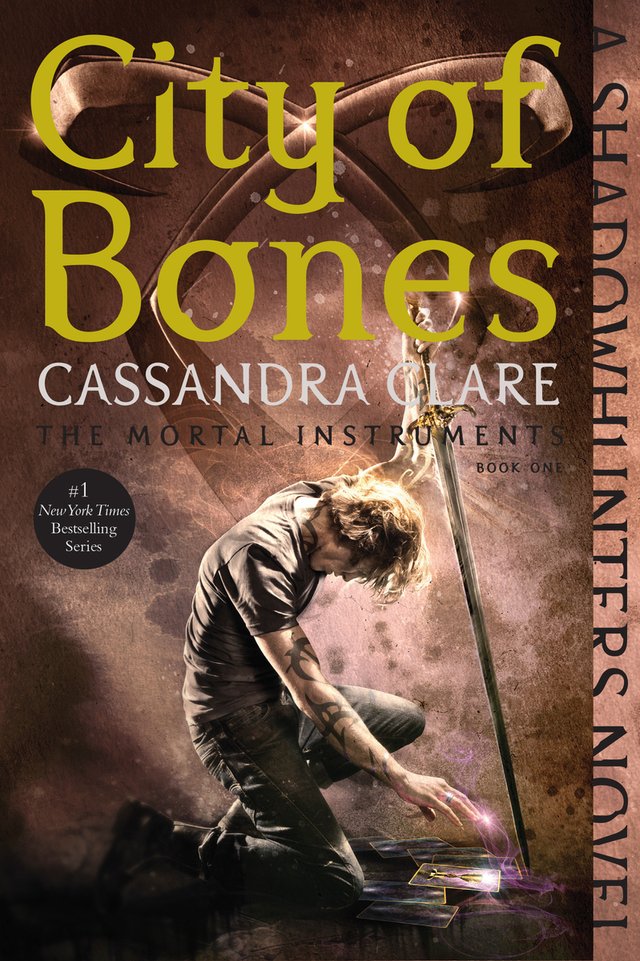
Speaking of never made sequels, the poor reception of the film adaptation of Cassandra Clare’s The Mortal Instruments: City of Bones resulted in the entire planned movie series being postponed indefinitely and then outright canceled. Although… like Percy Jackson and the Olympians, redemption was found in a generally well received television series adaptation a few years later. Is this a pattern among failed movie adaptations? In any case, the changes made to the adapted screenplay resulted in very different character dynamics, as well as a different ending than fans expected and desired. Much of Clare’s adept writing is at handling tension and tragedy in the same space. In the end, the tragedy of the movie City of Bones was being generally regarded by critics as a “ludicrous, borderline-nonsensical supernatural concoction” and had fans declaring “it should be illegal to write a screenplay on a book if you have not read it or understood it the way it was intended“.
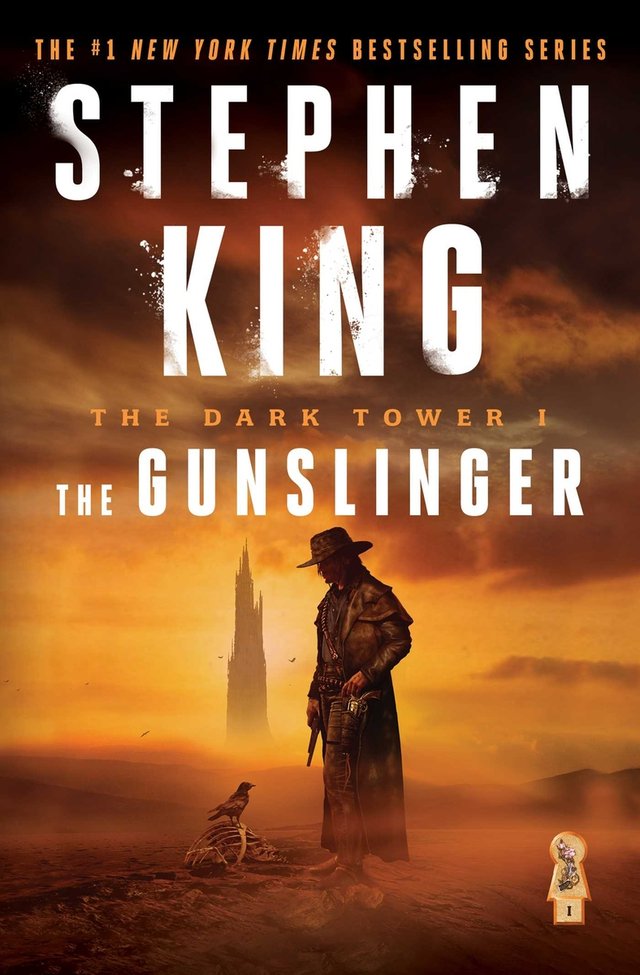
Ok, there really is in fact a pattern. A TV-series adaptation of The Dark Tower under the direction of critically acclaimed filmmaker Mike Flanagan has been confirmed since 2022. Until then, all we have is the 2017 movie. Which… based on both critical and audience reception, it’s best to stick to the books. Especially considering there’s 7 of them, and the movie mainly combines books 1 and 3, committing a disservice to both in the process. On the surface, the film seems perfectly poised for success, with stalwart stars like Idris Elba and Matthew McConaughey. However, “the shambolic script collapses when it lurches out of its first half-hour, unable to provide such basic foundational components of storytelling as ‘stakes’ or ‘character motivation'” Both actors seem lost (and not in their characters), and the screenplay combines so many elements of the 7 book series that all of them feel haphazard and meandering. Here’s to hoping the next adaptation really captures what Stephen King was able to skillfully weave together across times and worlds while still resonating in ours.
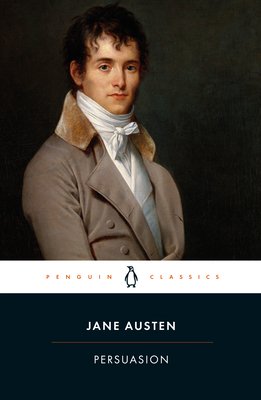
The cycle, at last, has been broken (though to what end?). There have been exactly 6 adaptations of Persuasion (with none critically acclaimed), and no plans in the works for a TV-series approach in the future. However, considering each adaptation has been received poorly, perhaps plans should be made. Plans should be made is arguably one of the big conceits of Jane Austen’s classic work. Though not as well known as the others, Persuasion is nevertheless a shining example of Austen’s mastery of adept storytelling balanced with shrewd social commentary. The 2022 Netflix adaptation fails at precisely that, clumsily adopting anachronisms for a modern audience without actually reflecting on the current culture’s relationship with identity, individualism, and love (of all forms). As one critic writes, the “incongruous bravado of [Anne, as she is rewritten] is mirrored by the film’s script”, with the past being erased for the worse.
Ultimately, many factors contribute to the strength and/or success of an adaptation. However, a screenplay that understands the story and the people within it is crucial. In the case of these 4 books, their respective adapted screenplays failed at this, often trying to put too much in too little time. Or trying to say something new without honoring what made the original a classic. But if there’s anything to take away from awards season, it’s to keep trying (perhaps as TV-series in the future).
Adaptations are more popular than ever, and now there are new classics and examples of great ones. To read the Bookstr Team’s recommendations for 2024 adaptations, click here.
Want to read the books that inspired adaptations? To see our Bookshop bookshelf with recommendations for more adaptations, click here.
