

















Since A.A. Milne’s adorable, honey-loving Winnie-the-Pooh was introduced a century ago, he has become a perennial favorite of children and adults worldwide. Be it Milne’s original stories or the popular Disney adaptations, generations have fallen for the loveable Winnie and his charming adventures with friends through the Hundred Acre Wood. This love for Pooh is perhaps why people are often shocked that depictions of the silly ol’ bear have courted controversy over the years, and media featuring him has been the subject of several censorship attempts. In this edition of Bookstr Trivia, let’s take a look down the rabbit hole — or into the honey tree, as the case may be — into the bizarre history of banning Winnie-the-Pooh.
The Real-Life Winnie-the-Pooh
Long before Winnie-the-Pooh became a household name, he was a character inspired by Milne taking his son, Christopher Robin, on frequent trips to the London Zoo. A resident of the zoo was Winnie (short for Winnipeg), a Canadian Black Bear who had been purchased for twenty dollars Canadian — about $8.31 USD at that time — by a lieutenant en route to England to fight in WWI in 1914. The lieutenant left the bear cub in the care of the London Zoo when his unit was sent to France, where Winnie quickly became a popular attraction.

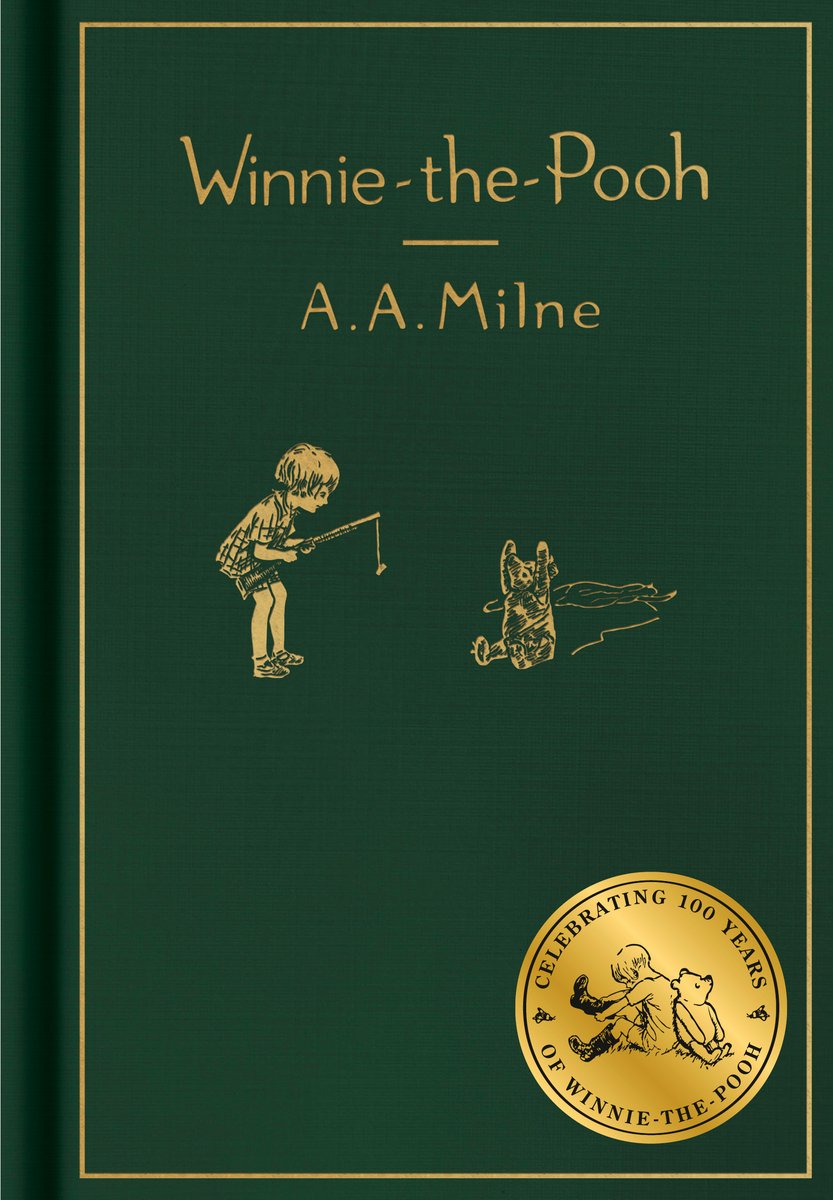
After one such visit, Milne purchased a teddy bear from Harrods department store for Christopher Robin, who named his new friend after the bear at the London Zoo. Observing Christopher with his collection of stuffed animals — including Tigger, Eeyore, Piglet, Kanga, and Roo — led to Milne developing a series of stories in which the menagerie of plush friends were real creatures residing in the Hundred Acre Wood itself, inspired by the Ashdown Forest near Milne’s country home.
Disney Adaptations and Public Domain
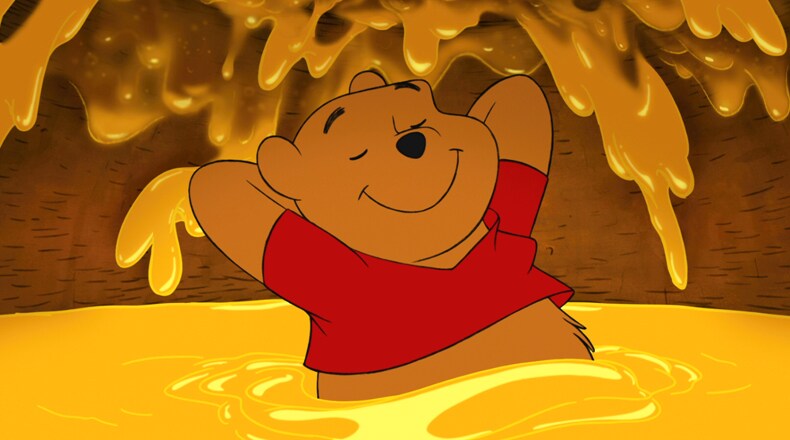
The four volumes that made up Milne’s collected stories of Winnie and his friends were a runaway success. A few years after Milne’s death, rights to the character were sold into the exclusive use of Walt Disney Productions in 1961. Thus began a slew of animated featurettes, movies, and television shows based on Disney’s design of the bear, a roly fellow with yellow fur and a red shirt.
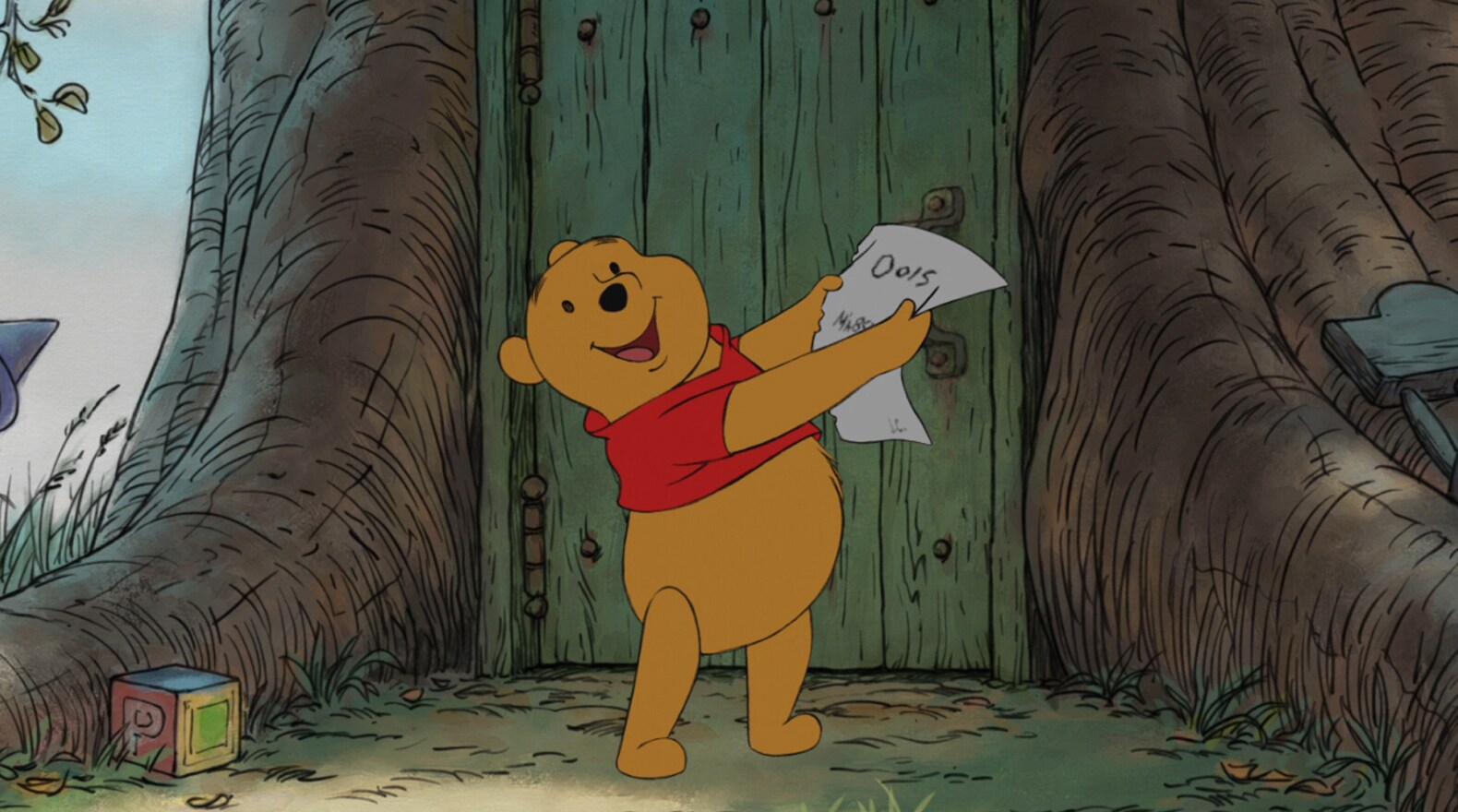
This depiction remains the dominant visual representation of the fictional Pooh, despite the character’s 2022 entry into the public domain. While several media companies have been quick to take advantage of this to create R-rated Winnie-the-Pooh films and television series, for the most part, the image that comes to mind when picturing Pooh Bear is the one created by Disney over fifty years ago.
Why Do People Want to Ban Winnie-the-Pooh?
Horror movies aside, why would people object to a character that has been universally loved for generations? Well, that’s where things get complicated. For each instance of Winnie-the-Pooh being banned by a governmental agency, the reasoning is stranger than the last.
To start, the earliest known attempt to ban the character was when Milne’s books and their Disney adaptations were briefly banned in some UK public schools in 2003. The objection in this case was not with Winnie himself, but with his friend Piglet; government agencies feared that the talking pig would offend Jewish or Muslim students and their families. Humorously, the Muslim Council of Britain soon lobbied to overturn the ruling, calling it a “well-intentioned but misguided policy.”
Then in 2006, a parent’s group in Kansas also tried to have Milne’s books removed from public library shelves. Their objection to the classic tales? That the depictions of animals talking and wearing clothes were “an insult to God.” Sadly, there’s very little information online about the outcome of this campaign.
It Gets Weirder, Folks!
In 2009, Pooh Bear was once again pulled from shelves, this time in Russia, and for reasons that had absolutely nothing to do with Milne’s or Disney’s depictions of him. That year, the Justice Ministry in Moscow released a list of banned extremist materials, among them being the mysterious entry of “Winnie the Pooh with a swastika.” After being questioned about the bizarre — and bizarrely specific — entry, the government responded by explaining that when an unidentified extremist in the city of Ufa had objectionable materials collected from their home, among them was just such a depiction of Winnie. Yet, while this extremely specific version of Winnie was technically the only version banned, he remains a controversial character in Russia.
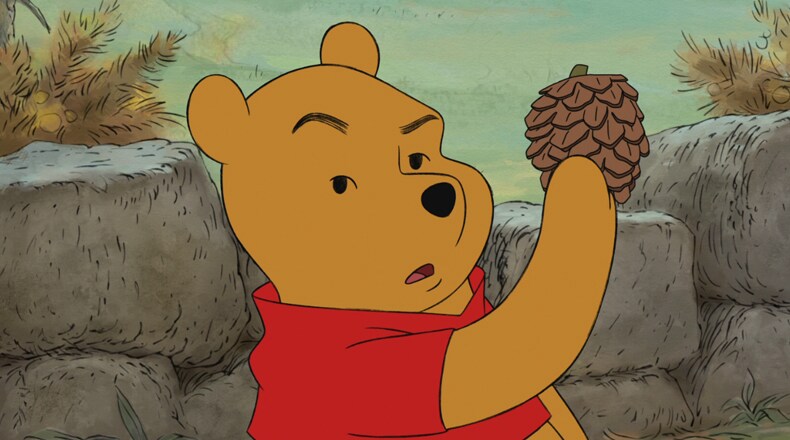
Next was an equally baffling incident in the small town of Tuszyn, Poland, in 2013, in which several lawmakers came under fire after a council session to debate a local park being named for the bear was secretly recorded and leaked to the press. In the recording, council members opposed to the ruling were heard referring to Winnie as being “immodest” for not wearing pants and complaining that his gender was too ambiguous due to his lack of visible private parts. The proposed name was ultimately shot down in favor of a different, fully clothed bear character named Mis Uszatek.
Winnie-the-Pooh, and Xi Jinping, Too
Perhaps the most famous banning of Winnie-the-Pooh is the one that has been in place since 2017 in the People’s Republic of China. It began a few years earlier in 2013, when memes began circulating on social media that placed Disney’s depiction of Winnie-the-Pooh next to photos of Xi Jinping, the newly sitting president, comparing the physical appearance of the silly ol’ bear to Xi. This resulted in the government using its already strict censorship regulations and technology to censor Winnie, along with animated gifs and images of him, across social media in China.
Winnie the Pooh is now banned in China for resembling President Xi Jinping https://t.co/o5rFYu9lQQ pic.twitter.com/hVS6yP8E3r
— The Verge (@verge) July 23, 2017
As Rongbin Han, an associate professor of international affairs at the University of Georgia, explained to NPR, it has everything to do with Winnie-the-Pooh becoming an unlikely symbol for dissonance in China, who use the meme to denounce the politics of Xi’s authoritarian regime. “Anywhere that online dissident groups are mobilizing, that’s what triggers the nerve of this state,” he said.
The Good News for Winnie-the-Pooh
There’s some good news when it comes to Winnie-the-Pooh. As of the publication of this article, he is currently not logged by the American Library Association as being banned in any public school or library in the United States. Fun Fact: the ALA maintains a permanent FAQ page on this topic, due to Winnie-the-Pooh being frequently — and incorrectly — cited as the 22nd-most banned book in the United States.
Recommended Reading for Young Readers
For those looking to learn more about the history of Winnie-the-Pooh, we recommend these stellar reads:
The Art of Winnie-the-Pooh: How E. H. Shepard Illustrated an Icon by James Campbell
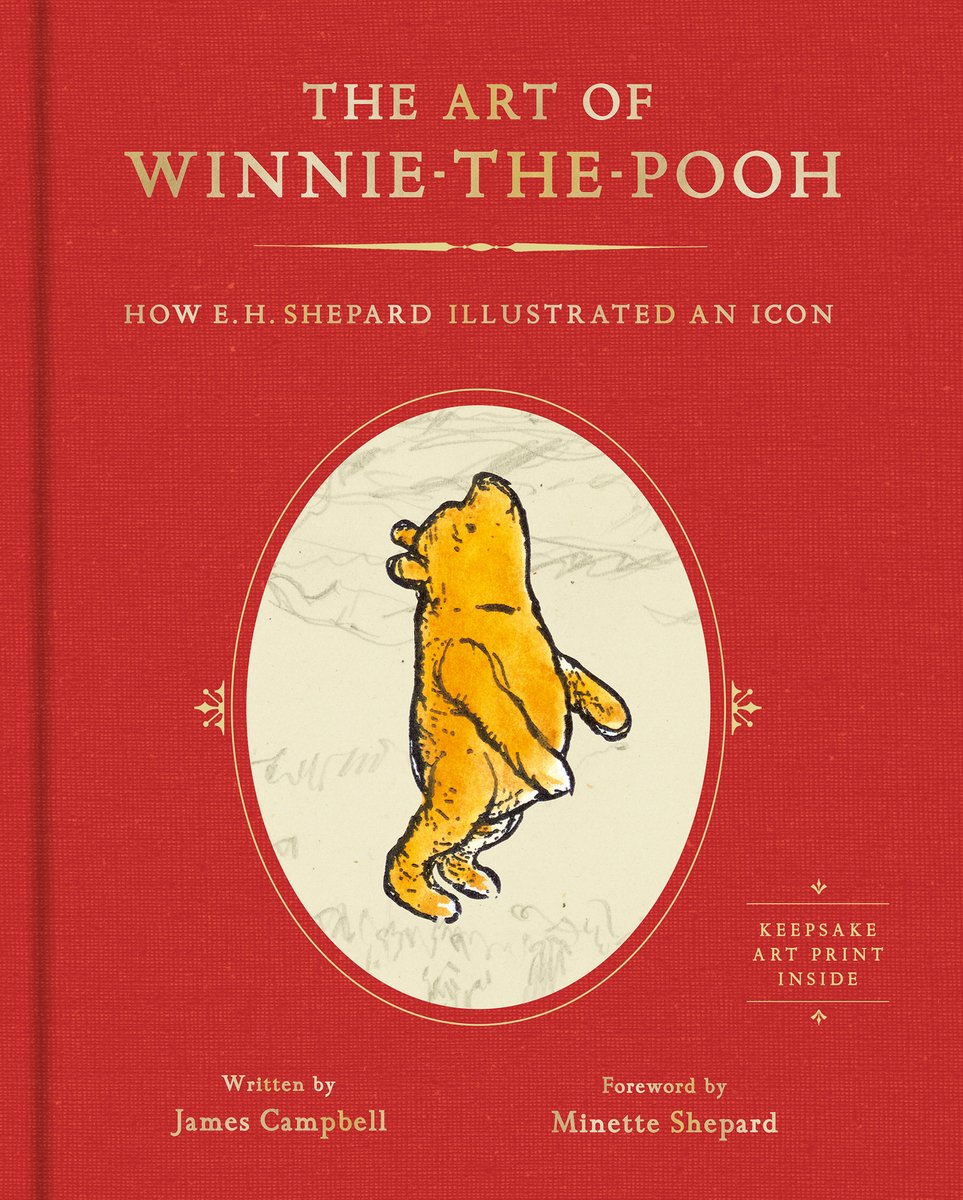
An artist’s look at the design that went into Pooh Bear, his friends, and the Hundred Acre Wood by original illustrator E.H. Shepherd.
Finding Winnie: The True Story of the World’s Most Famous Bear by Lindsay Mattick, Illustrated by Sophie Blackall
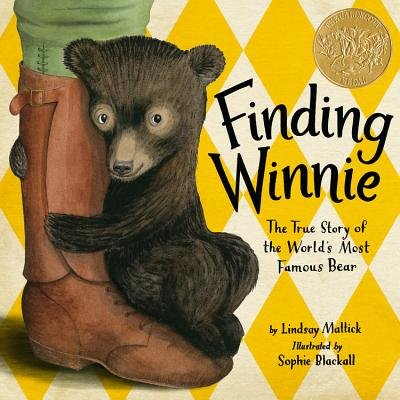
Young readers will enjoy this Caldecott-winning account of the real-life Winnie’s adventures with Lt. Harry Colebourn and at the London Zoo.
A.A. Milne: His Life by Ann Thwaite
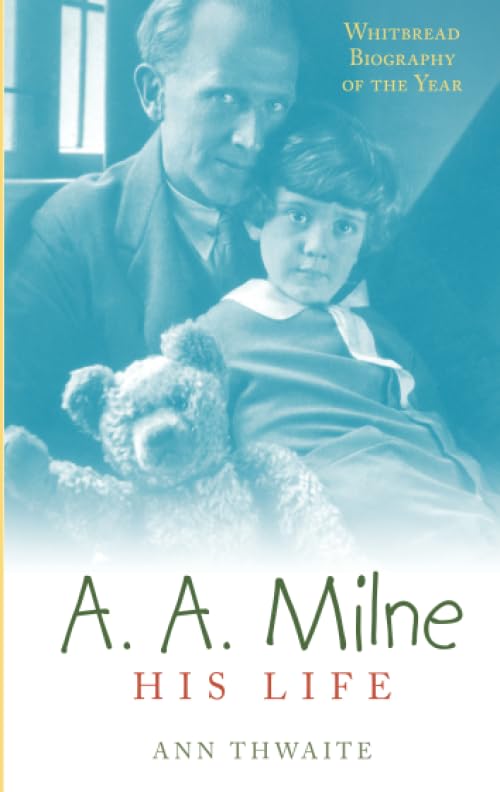
The whole family will enjoy this wonderful in-depth account of the man himself who gave young readers the classic stories of a bear and his eclectic friends.
More Recommendations for the Whole Family:
- Beyond the World of Pooh: Selections from the Memoirs of Christopher Milne by Christopher Milne, Edited by A.R. Melrose
- The Natural World of Winnie-the-Pooh: A Walk Through the Forest that Inspired the Hundred Acre Wood by Kathryn Aalto
- Tao Of Pooh by Benjamin Hoff
Thank you for joining us for this edition of Bookstr Trivia! We hope you enjoyed learning a little about A.A. Milne’s most beloved creations and his strange history of censorship. As the bear himself would say, “Oh, bother!”
For more deep dives into bookish topics, check out our Bookstr Trivia articles.
To read all of our recommendations for frequently banned and challenged books, check out our Bookshop bookshelf.
