


















It’s no secret that vampire media benefits from being dark and bloody. While sometimes comedic, sometimes hypersexual, most fictional vampire media uses its form to experiment with the more gruesome elements of creature features. Blood-drinking, bone-breaking, body-draining — in some way or another, vampires indulge in gore.
While these elements are dark and terrifying enough, what if I told you something even more horrific lurks underneath the surface?
The Problem With American Vampires
Here is the ugly truth: a lot of popular modern vampire franchises use America’s bloody history of enslavement for profit. This is not necessarily an issue — plenty of books, movies, and shows have storylines that draw on this era of America’s past, especially as it relates to Black people in the present.
The problem, however, is that vampire media isn’t known for its diversity. Aside from the late Aaliyah in Queen of the Damned and AMC’s 2022 take on Louis du Pointe de Lac in Interview With The Vampire, Black vamps are few and far between.

Given the clear controversy in centering white characters during a period of enormous Black suffering, why do so many writers focus on this era? Are they trying to capture a more empathetic view of white people during the Civil War era? Are they using vampirism to comment on the horrific violence enslavers inflicted?
Not quite.
There are several reasons outside of the obvious horror of slavery that a writer could tie into this era of American history. However, most writers seem content to use the history of enslavement as a set dressing for their characters. It’s not impactful to the story or important for the character arc, just an unnecessary implication that they probably don’t like Black folks.
Don’t believe me? Maybe I should let the vamps speak for themselves.
History Repeating Itself
According to scholar Ki Yoon Jang, American vampires as we know them come from two significant 1970s books: ‘Salem’s Lot by Stephen King and Interview with the Vampire by Anne Rice. In their essay “Louis the Plantation Owner: The Haunting of Vampiric Slavery in Interview with the Vampire,” Jang credits Rice for creating the moral anguish we attribute to so many of our favorite modern vampires:
Rice’s novel, in particular, conjured up an unprecedented version of vampires who are bound to feed on humans yet feel confused about vampiric states and suffer from ethical uncertainty
Jang discusses Louis de Pointe du Lac specifically, as he is the original bearer of this archetype. Even though he is desperate to die after the death of his brother Paul, Louis has difficulty coping with the reality of vampirism. Namely, he finds drinking from humans morally reprehensible even though his very nature calls to it.
How often have we seen this internal struggle play out? Damon Salvatore mocks his brother Stefan for his no-human policy in The Vampire Diaries; Edward refers to himself as a killer to Bella in Twilight. Several vampire-human romances shine a light on the heroic vampire’s struggle against their basic urges as an attempt to make their love for the human all the more forbidden.
Funnily enough, this inner turmoil rarely extends to other moral dilemmas.
Let’s return to our original modern vamp, Louis de Pointe du Lac. In Rice’s novel, Louis’ struggle against his vampiric needs is a key part of his character development. His reluctance to feed on humans, however, doesn’t seem to coincide with his blatant disregard for the lives of slaves.
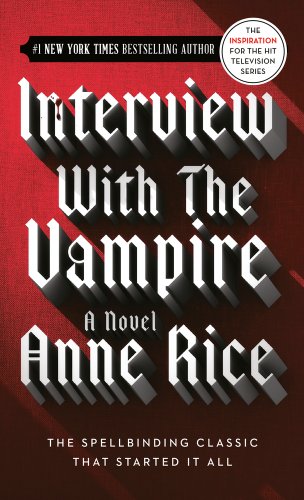
The de Pointe du Lac family owns two indigo plantations in Louisana, which is where their wealth comes from. Upon meeting Lestat, both of them return to the plantation Louis owns, where Lestat routinely feeds off slaves and other people on the plantation. Although Louis himself doesn’t feed off anyone, he doesn’t stop Lestat from feeding, either.
He also sets the entire plantation on fire when the slaves catch on to them being vampires, so not feeding on them feels like a moot point.
Lestat turns Louis in 1791, when America’s slavery empire was at its peak. Someone could argue that Rice used a plantation as a symbol of the family’s wealth and the circumstances of the time. While a valid argument, I always come back to the fact that, in a series about vampires, the author had plenty of opportunity to craft her own circumstances. Why draw on the horror of slavery only to emphasize the dehumanization of Black people through the monstrous acts of the white leads?
Even as we enter the 21st century, we still see this perverse fascination with putting characters in this time of history. Specifically, on the wrong side of history. Jasper Cullen and Damon Salvatore, from the Twilight Saga and The Vampire Diaries, respectively, were Confederate soldiers before they were turned. Their past lives as soldiers don’t play significant roles in the plotlines of either series, which begs the question: why did the writers include that detail at all?

While I am all for acknowledging the more gruesome parts of America’s history, I assume we do so for accountability. Vampires are the perfect opportunity to have the past clash with the present, but few authors ever seize this opportunity. It never seems like the characters are written with the privilege of hindsight. Instead, the writer appears to adapt to the rhetoric of the time they’re replicating.
With centuries separating us from the grim reality of America’s slavery empire, these attempts at humanizing the Confederacy are insensitive at best.
At worst? They are the uncomfortable reminder that fangs and a thirst for blood aren’t the only things that make these characters monsters.
A Necessary Revamping
Some writers, including Stephanie Meyer herself, have trouble picturing Black vampires. On the contrary, Black vampires have been around almost as long as white vampires, even if they don’t receive the same love as their white counterparts.
In fact, the first American short story about vampires centered a Black vampire. The Black Vampyre; A Legend of St. Domingo is a short story that follows a resurrected Black man who, now a vampire, seeks revenge against his captor and killer. While the story is set against the events leading up to the Haitian Revolution, it is an inexplicable anti-slavery narrative that says a few things about America’s relationship with enslavement.
Fast-forwarding about 100 years later, we get Blacula, a 1972 horror film that kickstarted a new wave of “Blaxploitation” movies. In Blacula, we see an African prince travel to Transylvania to ask for Count Dracula’s help in restricting the slave trade, only for the Count to lock him in a coffin and curse him with the name “Blacula.” Not the most creative name, but it gets its point across.
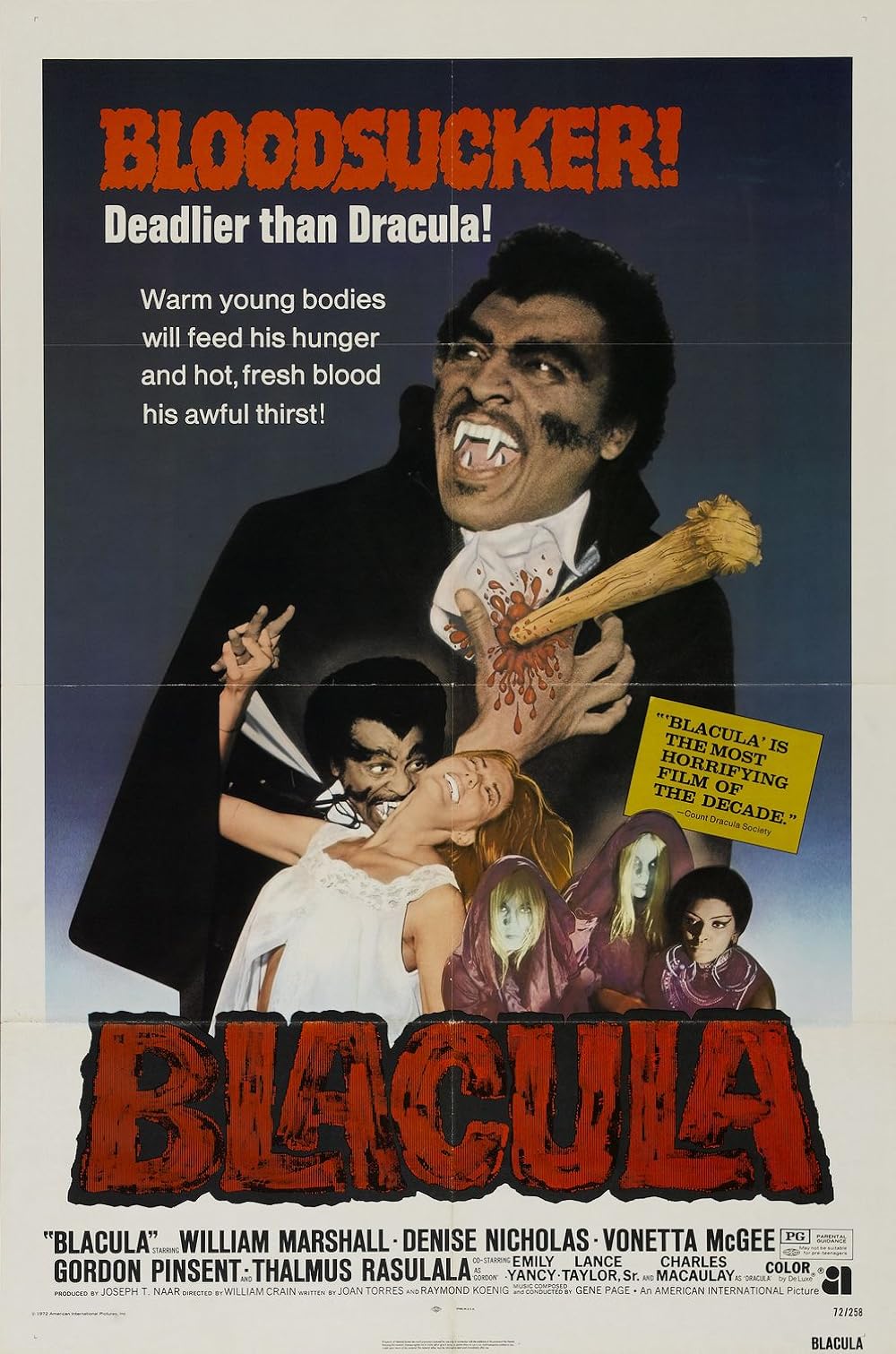
St. Domingo and Blacula are perfect examples of how an author can make slavery relevant to a story. There is also a clear anti-slavery message in both of them. It feels like being anti-slavery is a given, but as shown by the popular vamps of the past fifty years, that’s not always a foregone conclusion.
I’m not saying that I don’t want complex characters. Some of my favorite characters inhibit good and bad qualities. I just don’t think Black people should be devalued to boost the complexity of a white character.
Fortunately, some adaptation teams are finally taking risks and deviating from the original material to put their own spin on iconic stories. For all my thoughts about Anne Rice, without her Louis, we would never have Jacob Anderson as Louis de Pointe du Lac in the latest Interview with the Vampire adaptation. Anderson’s Louis still has contradictory morals in the TV series, but the writing embraces the tension of the period’s social context instead of ignoring it as Rice does in the book.
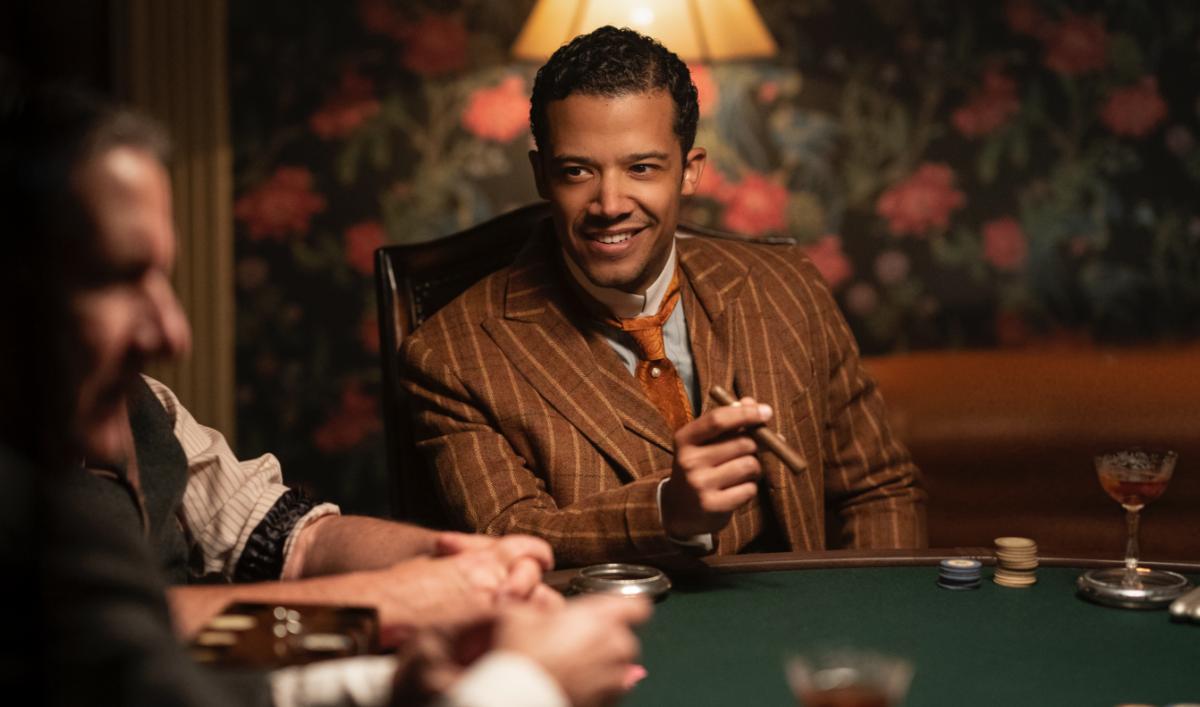
Not to mention that many of the fan favorites from the series are vampires of color!
Given the success of the show, I hope this is a sign that vampire media is changing for the better. It would be a shame for vampires to get lost in the sands of time all because its writers couldn’t get with the times.
Something To Sink Your Teeth Into
As a Black fantasy enjoyer, it is ridiculous that I and so many other Black people have to ask for inclusion in fictional worlds. It is exhausting enough to fight for my right to exist in reality, only to turn around and do the same thing in the realm of fantasy, where anything should be possible.
As history has proven, Black vampires can and do exist. Narratives that include America’s history of enslavement and not make Black people collateral damage can and do exist.
It’s important to pay homage to the literature that impacted our society. Anne Rice did invaluable things for vampire media and the fantasy genre as a whole. But we can acknowledge the parts of her legacy that disappointed us.
We have to acknowledge those parts to move forward.
Looking for more bookish takes? Check out our article on how book bans are hurting kids.
Need to satisfy your vamp craving? Browse our Vampire and Werewolves bookshelf on Bookshop.org.
