

















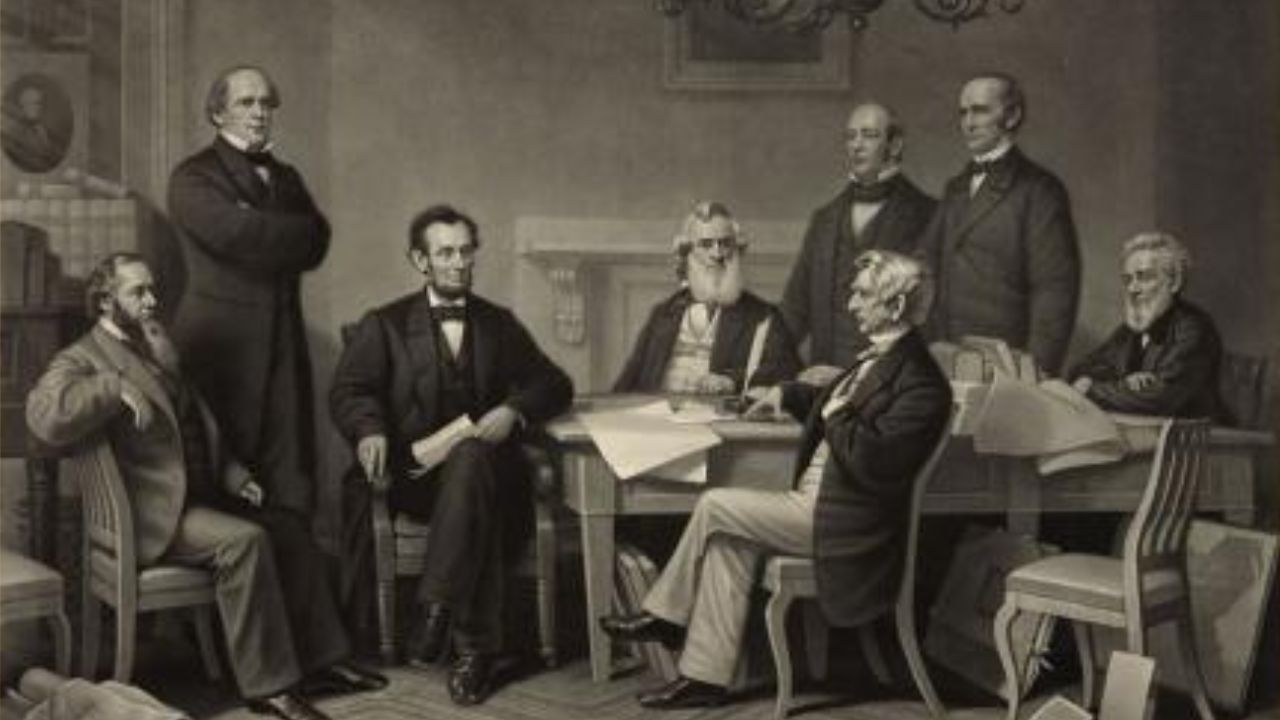
President Abraham Lincoln’s Emancipation Proclamation is often praised as the edict that ended slavery in the United States. While this certainly was a step in the right direction, it didn’t do as much as popular history says it did. Slavery wasn’t magically over just because this proclamation was put into effect; it was a long, arduous process that took years. Read on to learn more.
Impact
The proclamation was a step in the right direction and made ending slavery a goal for the Union, and it allowed former enslaved people to enlist in the Union army. It also paved the way for the 13th Amendment, which stated that slavery or servitude of any kind, outside of punishment for a person convicted of a crime, shall exist, which was a help—but not the start!—in the fight for equal rights.
However, there are many misconceptions about this proclamation. History has a way of twisting the truth, and facts sometimes get lost or muddied. The proclamation wasn’t as encompassing or as radical as it sounded.
For more on Lincoln’s views on slavery and race, read The Myth of the Great Emancipator: Abraham Lincoln’s Views on Slavery and Race.
Misconception #1: It Freed All Enslaved People
Slavery is largely associated with the South—and for good reason—but there was also slavery in the North. This is common knowledge, but it’s important to know, both for history’s sake and because of what actually happened. On September 22nd, 1862, Lincoln issued a proclamation to take effect on January 1st, 1863. It said that “all persons held as slaves within any state or designated part of a state, the people whereof shall then be in rebellion against the United States, shall be then, thenceforward, and forever, free.” The Emancipation Proclamation followed in January and reinforced this.
As significant as this was, it only applied to states that had seceded from the United States. Not only that, but any states that turned from the Confederacy to the Union between the September proclamation and the Emancipation Proclamation would also be exempt. So, slavery was still legal in any state that was loyal to the Union. It wasn’t until December 6, 1865, that the 13th Amendment was ratified, and slavery was finally abolished—except in prisons.
To learn more about the lasting effects of the Emancipation Proclamation, read Emancipation Hell: The Tragedy Wrought by Lincoln’s Emancipation Proclamation.
Misconception #2: That the Emancipation Proclamation was a Surprise
Slavery was actually one of the reasons that the Civil War started in 1861, alongside states’ rights and taxation. Tensions had been simmering for a while, but with Lincoln’s election, everything escalated. In 1860, South Carolina was the first state to secede; soon after, many other Southern states followed. They wanted to protect the states’ rights to slavery, and they believed the Union would take away those rights.
Therefore, the Emancipation Proclamation should come as no shock. The Southern states knew that something like this would happen, and most of the Union had already been pushing for the abolition of slavery. The exact wording of the proclamation, as well as the time it was declared, may have been a surprise, but not the proclamation itself.
For more on the background of the Emancipation Proclamation, read The Emancipation Proclamation.
Misconception #3: Many Enslaved People Didn’t Know They Were Free
Even though the Emancipation Proclamation was issued by President Lincoln at the start of 1863, not all enslaved people were freed. In Texas, it wasn’t until June 19th, 1865, that all enslaved people were freed by executive order. But saying that enslaved people in Texas, as well as other places, didn’t know about the orders before is wrong.
The news was covered in newspapers even down in Texas, though it wasn’t received positively. Not to mention that enslaved people had sophisticated network systems, so the news would have spread that way regardless. Everyone knew, but because there was no army to enforce the new proclamation, nothing changed—that is, until June 19th, 1865, when Union troops arrived in Texas.
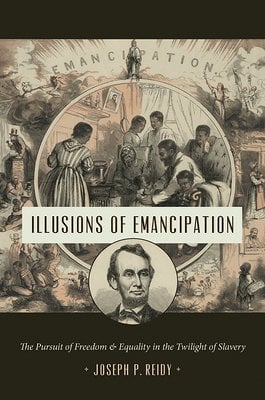
To learn more about the process of ending slavery and its impacts, read Illusions of Emancipation: The Pursuit of Freedom and Equality in the Twilight of Slavery.
For an article on literacy after the Emancipation Proclamation, click here.
Check out the Black Voices shelf on Bookstr’s Bookshop page.
