


















‘Tis the season to tell tales! As winter comes in full swing and Christmas trees all light our windows and living rooms, stories, too, soon illuminate our homes. They bring warmth, nostalgia, and cheer as animated pictures jump across screens or passed-down texts rest in our laps. Who doesn’t love Christmas stories? The themes of forgiveness, family, love, and hope are great messages and always bring peace to our hearts. I’m no stranger to A Christmas Carol, The Grinch, or Rudolph. In fact, these tales have been with me since I was a child, as I’m sure these same stories have been with all of you since you were younger.
There’s something about these stories that sticks with us and makes us want to return to them each year. Their tales of triumph and change latch on to us — and have done so since we were young. As these stories have formed many of our Christmastime memories, a question arises: From where did these stories originate?

There are countless renditions of A Christmas Carol and innumerable versions of Rudolph the Red Nosed Reindeer, but maybe you’ve never known the history behind them. In a way, these tales have become mysteries that we’ve all just accepted as part of history themselves; however, the tales behind them are just as interesting as the stories and their characters. In this edition of Bookstr Trivia, we dive into the origins of these beloved Christmas tales that have stood the test of time.
Rudolph the Red-Nosed Reindeer by Robert L. May
In January 1939, the department store Montgomery Ward was on the hunt for a promotional image for their retail advertisements. So, they turned to their copywriter, a creative-minded staff member, to design a character to accompany their promotions. Little did he know, but this copywriter, Robert L. May, would create a story that would span through decades of Christmases.
History may be a little fuzzy on whether the decision to use an animal was decided by May himself or a department head, but a reindeer character was eventually settled upon. May, who was facing struggles of his own at home, was inspired to create a saddened character for the promotion. He soon developed a reindeer that was “different” from the others, a quality drawn from his wife’s illness, setting her aside from those around her.
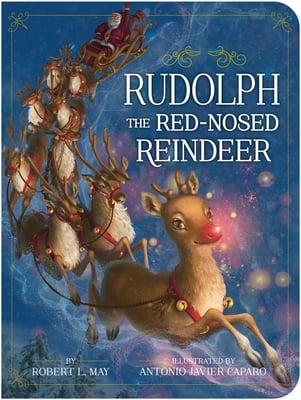
Choosing an “R” name grew difficult. May had even admitted to nearly using the name Rollo for the reindeer before deciding it sounded too cheerful for an ostracized reindeer. The name Rudolph was finally chosen, and so the tale of Rudolph the Red-Nosed Reindeer was penned. The story was handed out for free to children who accompanied their parents to the department store for the Christmas series.
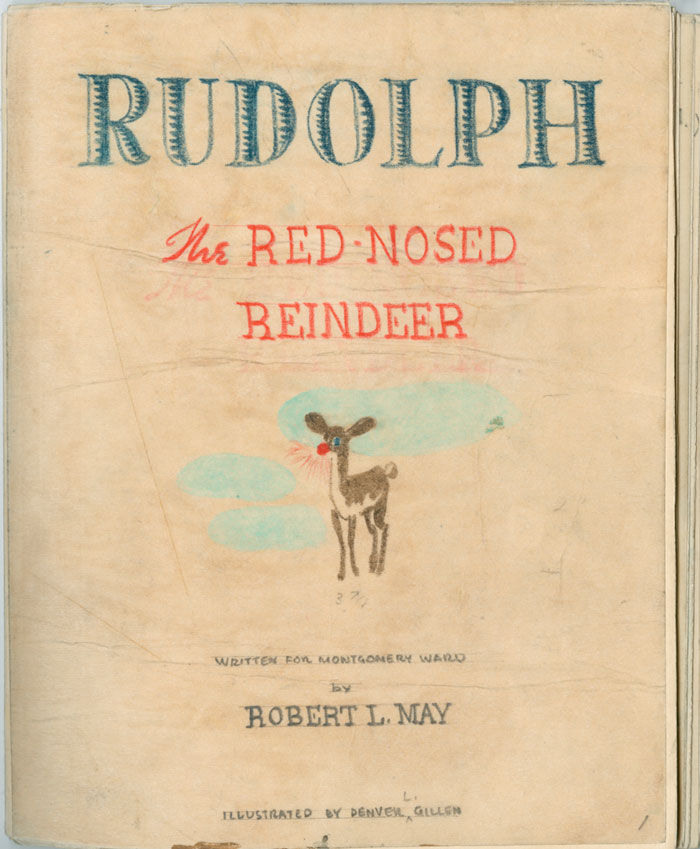
However, it wasn’t until his wife’s brother fell in love with the story that this little reindeer gained any recognition. Outside of Montgomery Ward’s publication, May’s story had been just a story that some children received when their parents went shopping. And that would’ve been the end of the tale, if it hadn’t been for May’s brother-in-law. In 1949, after reading the story, May’s brother-in-law surmised that there should be a song to accompany the tale. His brother-in-law was none other than Johnny Marks, the creator of the original Rudolph the Red-Nosed Reindeer song! The song became a hit, and soon, the story of Rudolph was known by every American.
A Christmas Carol by Charles Dickens
By the time Charles Dickens came up with the idea for A Christmas Carol, he had already built a repertoire of successful (and unsuccessful) stories. It was his unsuccessful story, The Life and Adventures of Martin Chuzzlewit, which followed the story of a young man kicked out of his family fortune, that led him to write A Christmas Carol. After his book failed, Dickens’s publishers demanded that he write another story.
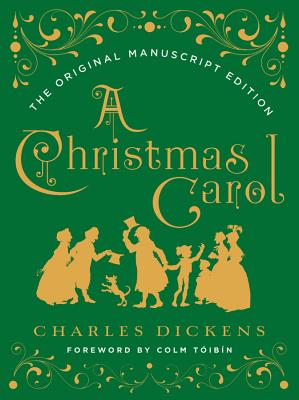
With his reputation riding on the success of this unwritten manuscript, Dickens set out on the streets of London at night to write his masterpiece. He pondered on his childhood experiences. One such prominent experience was that of his father, a man who’d been in great debt and later died. This meant Dickens, at the ripe age of 12, was forced to work to pay off his father’s mistakes. As he thought of this, he was reminded of his trip to America. In 1842, while abroad, Dickens had taken a tour of America, where he was shown the vast consequences of slavery in the country. Deeply affected by this, Dickens designed a character based on these wretched qualities of humanity: Ebenezer Scrooge.
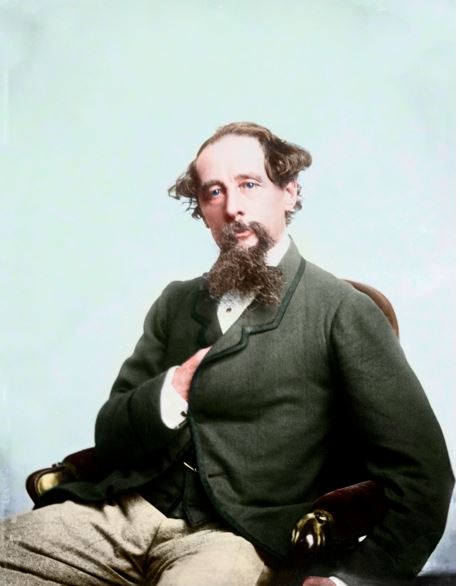
It took Dickens only six weeks to write A Christmas Carol. He returned back to his publishers, who told him that he had to finance the publications. Taking the news on the chin, Dickens proceeded to pay through his nose for the most extravagant and highest quality book he could afford. But unfortunately, all he could afford was 6,000 copies. After its publication, and only ten days later, Dickens sold out!
The story was a hit! And it continues to be a massive success around the world as its themes and characters continue to be pillars of the Christmas season.
How The Grinch Stole Christmas by Dr. Suess
One morning in 1956, Dr. Seuss — while brushing his teeth — looked in his mirror and saw something he could only describe as “grinchish.” This grinchish quality, as Seuss called it, was connected to Christmas, though he wasn’t sure how. He just knew that something about the joy of Christmas was lost on him, and he didn’t know how to get it back. As many writers do, Seuss picked up a pen to write about this problem in hopes of finding the solution. With this sight set before him, an idea sparked! But it wasn’t the story we all know today…
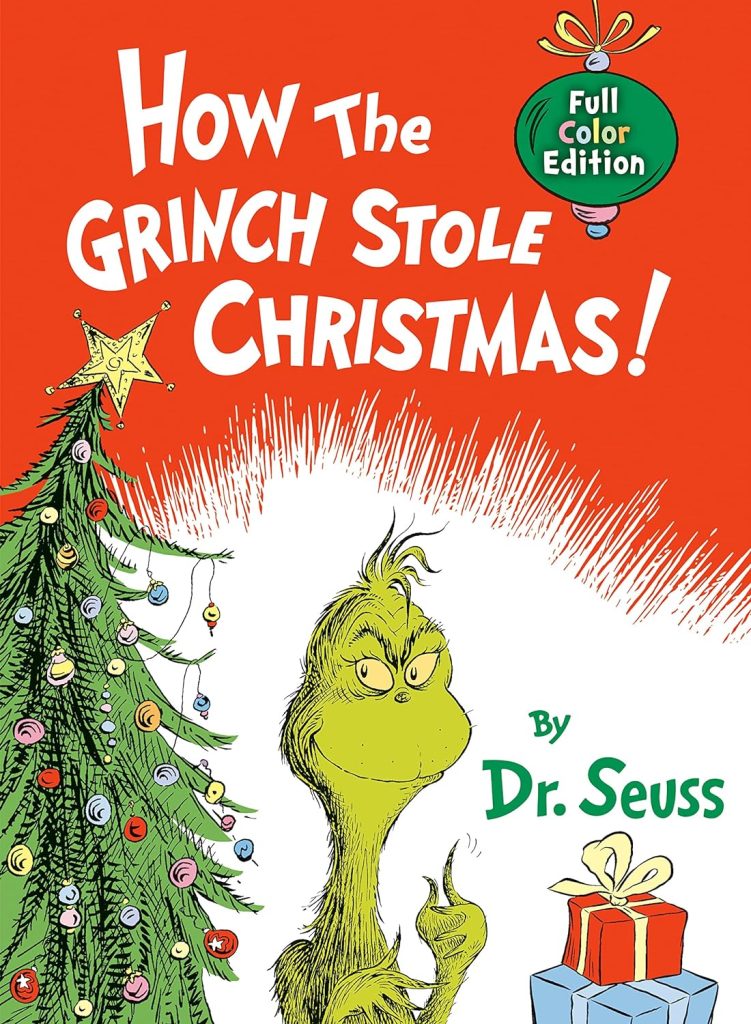
The Grinch first met readers’ attention through a short poem penned in 1955 by Dr. Seuss. The poem, Hoobub and The Grinch, displayed the first image of the Grinch — who wasn’t even green! As Dr. Seuss described him in the poem, he was a con man who sold string. His capitalistic act led Seuss to the Grinch as we know him now: the green, grouchy man who hides himself away in his cliffside cave.

Two years after Hoobub and The Grinch was published in Redbook magazine, Dr. Seuss wrote the elongated version: How the Grinch Stole Christmas.
With these stories in mind, returning to them during Christmastime will bring a whole new meaning and appreciation for the tales. Hopefully, they’ll even bring some new tales to tell: the histories of our favorite stories.
Want more Bookstr trivia? Check out the Bookstr article to find out about the true history of fictional pirates!
Want more history? Pick a book from our Bookstr Trivia bookshelf on Bookshop.
