



Books, as we traditionally understand them, are ink on pages. However, this simple storytelling production isn’t the most inclusive format for writing. Yes, the paperbacks and hardbacks we are familiar with leave out many people when telling their stories. The question is, what is an inclusive text, and who needs it?
Who Needs Inclusive Printing
Inclusive printing includes braille and audiobooks. While these forms are largely familiar to the majority of the global population, these storytelling formats are still not as near to traditional published books. Further, stigma surrounds audiobooks and the validity surrounding their ability to tell stories. Often, readers of physical books dismiss audiobooks as a form of consumption for reading. Braille, on the other hand, is rare to find in person. These copies are typically reserved for online ordering rather than displayed on bookshelves in notable bookstores.
Braille copies of novels, novellas, and book series are used by the blind. The divots in the pages, which form letters and words, tell the same stories through a physical touch. While readers of traditional books can say that the words have touched them, this format of the book allows readers to quite literally touch the words.

Audiobooks can also be used by persons with a visual impairment, but this form is also utilized by readers who may have learning disabilities such as ADHD or dyslexia. Listening to stories allows these readers to have an easier time enjoying the stories that may prove difficult to read from the page. Further, audiobooks allow for multitasking. So, readers who do have a hyper personality can keep themselves active while keeping their brains active.
Though these forms are familiar to us, they have not always been available for publishing.
The Early Beginnings
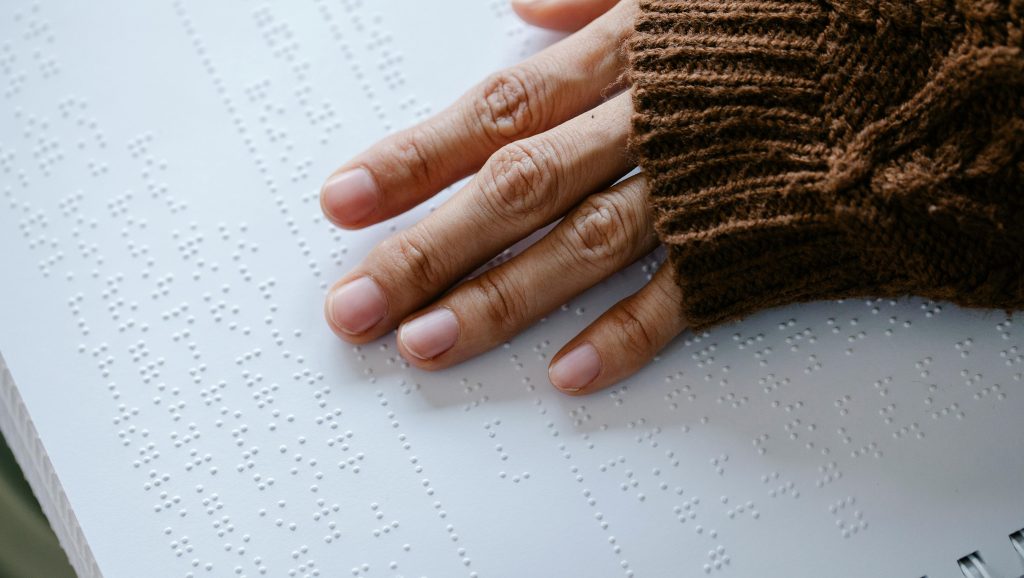
The origins of braille started with a war doctor’s invention. Charles Barbier created a form of writing available for soldiers to read in the dark of their battlegrounds. Wanting to prevent the use of light to stop soldiers from alerting opposing forces of their positions, Barbier used divots in paper Morse code to translate messages. Barbier introduced this language to a French school for people who were blind in the late 1800s. The school attempted to teach the students the language, but after the language proved too difficult to read, the code was forgotten. However, the invention inspired a young boy who was blind, Louis Braille.
Louis Braille invented his own written code, inspired by the previous inventor’s Morse code work. His language developed the letters and words in a more logical pattern for persons with a visual impairment to learn and understand. The school he attended quickly took up the language and found great success.
A Change Happening
The language that Braille invented was dismissed two years following its great improvement in children’s learning and reading due to the school’s fear that the reliance on this language would lead to the dismissal of the teachers. After Braille’s death, the French government brought the language back, naming it after the inventor himself. Then, in 1932, the United Nations intervened and named braille the universal reading/ writing language for people who are blind.
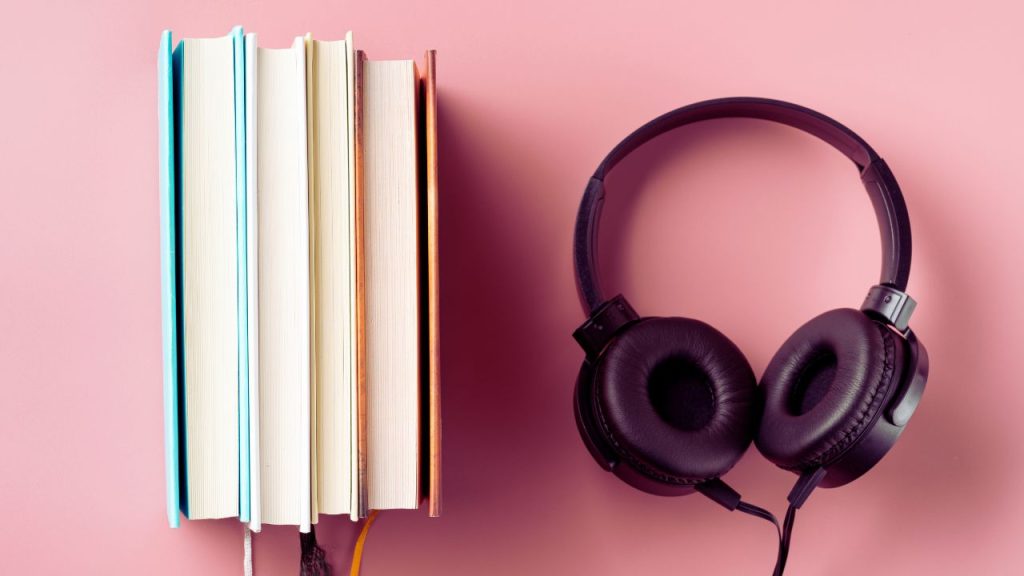
As braille was working its way around the world, another form of storytelling started developing. In 1932, the first audiobooks were recorded. While France saw the creation of braille to supplement physical books for people who were blind, America created audiobooks. The American Foundation for the Blind used recording studios to press 15 minutes worth of audio onto vinyl. Each vinyl created was two-sided, with the earliest audiobooks being Shakespeare’s plays. As years passed, listening libraries developed, as well as technology.
Cassette tapes were soon being made of audiobooks, then CDs, and listening devices themselves! Then, in 1997, Amazon released a portable piece of tech that allowed readers to listen to their books. The digital device, known as Audible, allows readers to download their book and take it on the go!
The Present Day

Now, audiobooks are accessible on your phone from a variety of apps! This book form has truly cemented itself as a veritable way of storytelling. As for braille, while it has become more commonplace, the book form has not found itself as popular as the audiobook. This could be for the wider audience that uses audiobooks in comparison to Braille, but simply to say, these books aren’t found in stores or bookshops.
Inclusivity publishing has developed so much in the last 100+ years. The years have only brought great development to the means of this storytelling. Who’s to say how these mediums will develop further in years to come?
Want to read more about inclusivity in the publishing scene? Read The Evolution of Representation and Inclusivity in the Romance Genre.
Passionate about mental health? Bookstr has you covered! Check out the books from our Bookshop collection, Amazing Inclusive Representation of BIPOC Mental Health.