


One of the great pleasures of fiction is that it allows us to experience the world through new eyes. Writers open a window into their characters’ minds, granting us access to their innermost thoughts, feelings, and desires. Some of these characters represent our darkest, most extreme impulses, acting in ways we never would in real life — but otherwise, they’re just like us. That’s what makes them so compelling — and chilling.
Curious about what goes into creating such gripping characters? Join us as we venture into the dark corners of the psyche with five psychological thriller authors.
Trigger Warning: This article and the books discussed within it may contain potentially distressing content, such as references to murder and stalking. Please exercise care while reading.
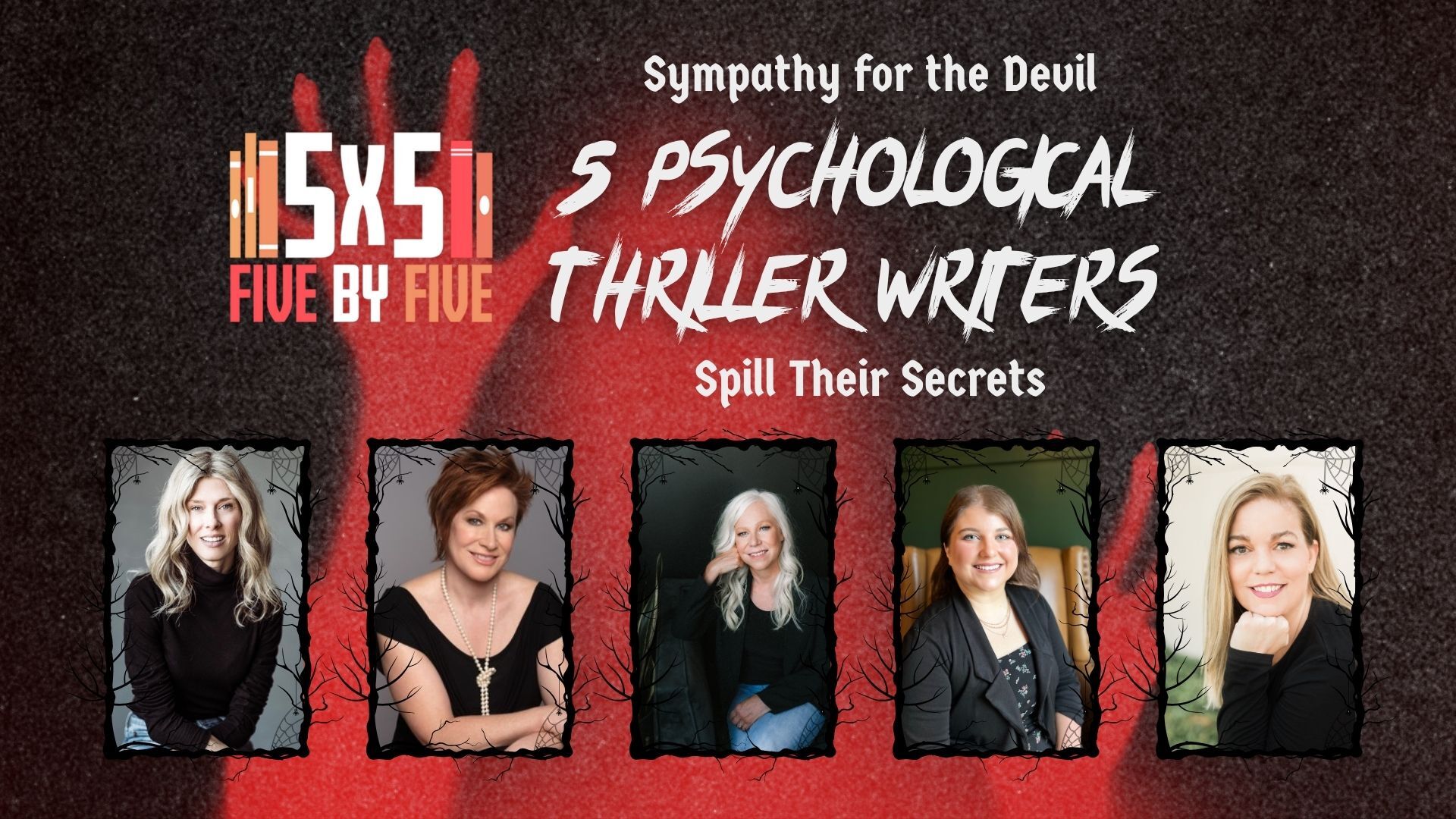
The Authors
Ashley Audrain
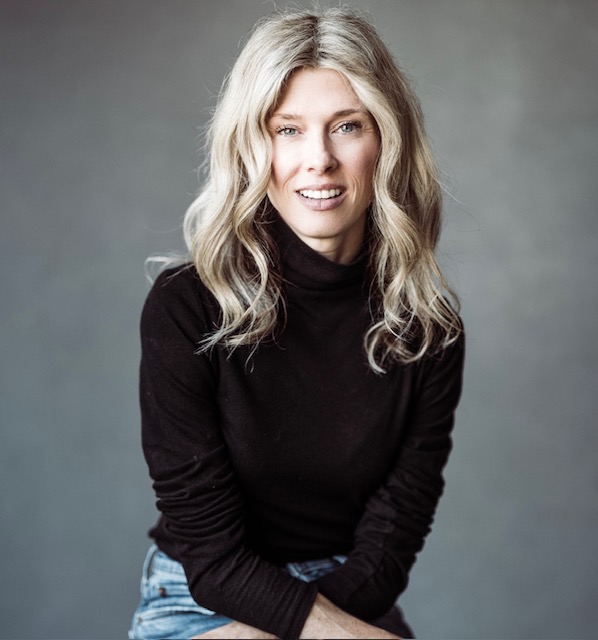
Ashley Audrain’s debut novel, The Push, was a New York Times, Sunday Times, and number-one international bestseller, and a Good Morning America Book Club pick. It has sold in more than 40 territories, and a limited television series is currently in development. Her second novel, The Whispers, is also a number-one international bestseller and has been optioned for the screen. Audrain previously worked as the publicity director of Penguin Books Canada, and prior to that, she worked in public relations. She lives in Toronto.
Christina Dodd
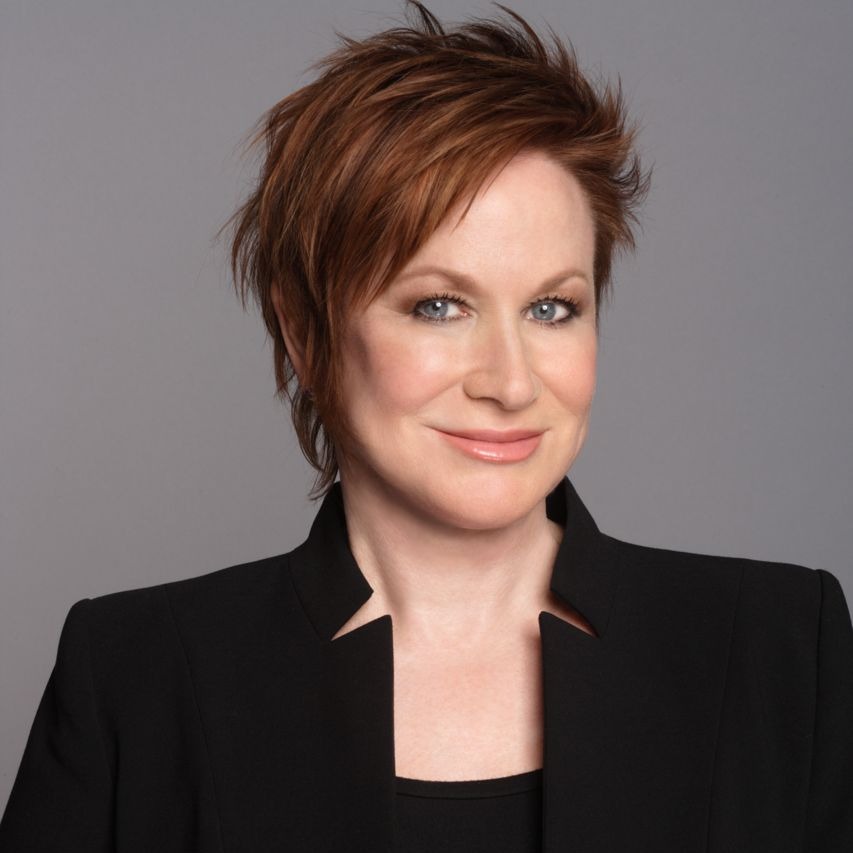
Christina Dodd is a New York Times bestselling author whose suspense, paranormal, historical, and mystery novels have been translated into 30 languages and sold more than 15 million copies in print. Praised for her “brilliantly etched characters, polished writing, and unexpected flashes of sharp humor that are pure Dodd” (Booklist), her award-winning books have landed on numerous Best of the Year lists, and, much to her mother’s delight, Dodd was once a clue in the Los Angeles Times crossword puzzle. She lives with her family in the Pacific Northwest, where her 700 lavender plants share the yard with her husband’s various “Big Projects,” including a treehouse, zipline, and their very own Stonehenge. Enter Christina’s worlds and join her mailing list for humor, book news, and entertainment (yes, she’s the proud author with the infamous three-armed cover) at ChristinaDodd.com.
Heather Gudenkauf
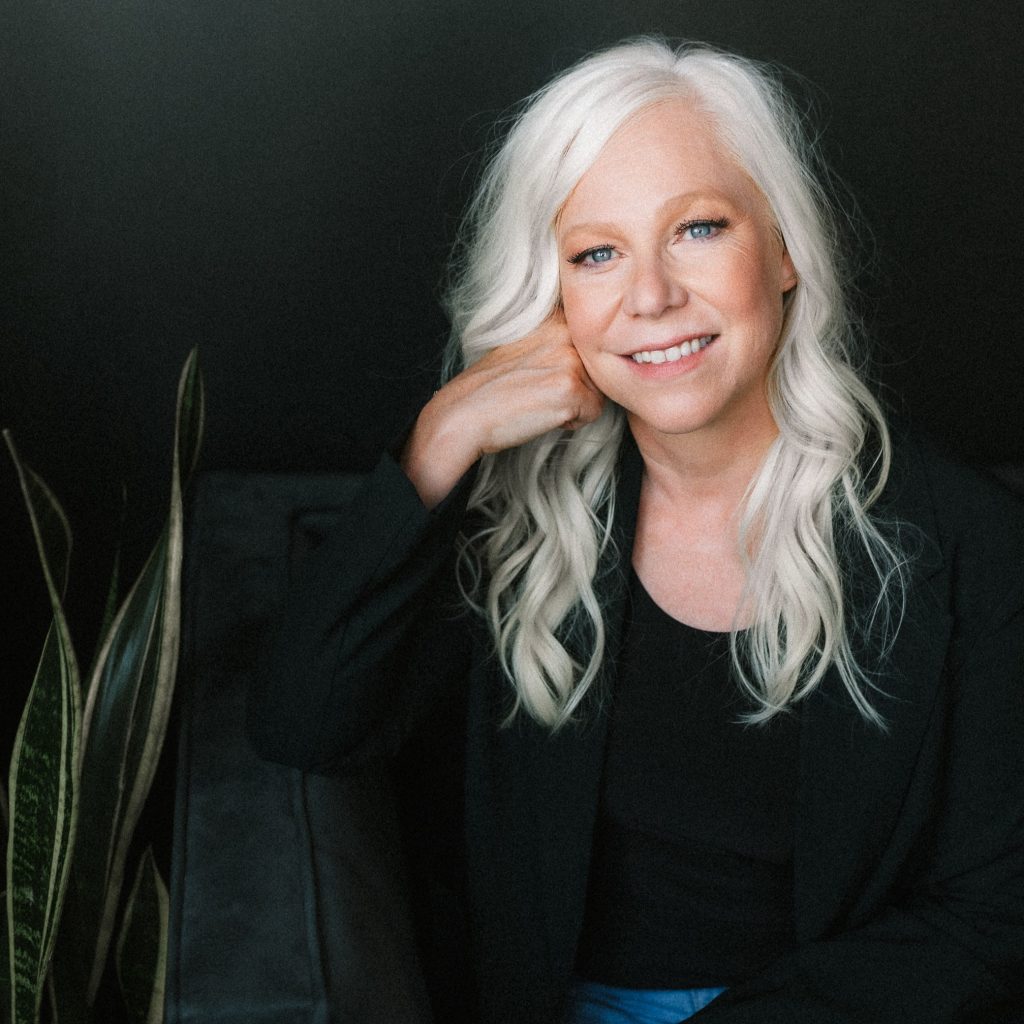
Heather Gudenkauf is the Edgar Award-nominated, New York Times & USA Today bestselling author of ten novels, including The Overnight Guest and her most recent thriller, Everyone is Watching. Her debut novel, The Weight of Silence, was an instant NYT bestseller and remained on the list for 22 weeks. Gudenkauf’s critically acclaimed novels have been published in over 25 countries and have sold over 2.5 million copies worldwide. Her books have been featured on many Best Of roundups, including lists by The New York Times, The Washington Post, NPR, Amazon, Apple Books, Goodreads, and more. Her 11th novel, The Perfect Hosts, will be released on November 4, 2025.
Kiersten Modglin
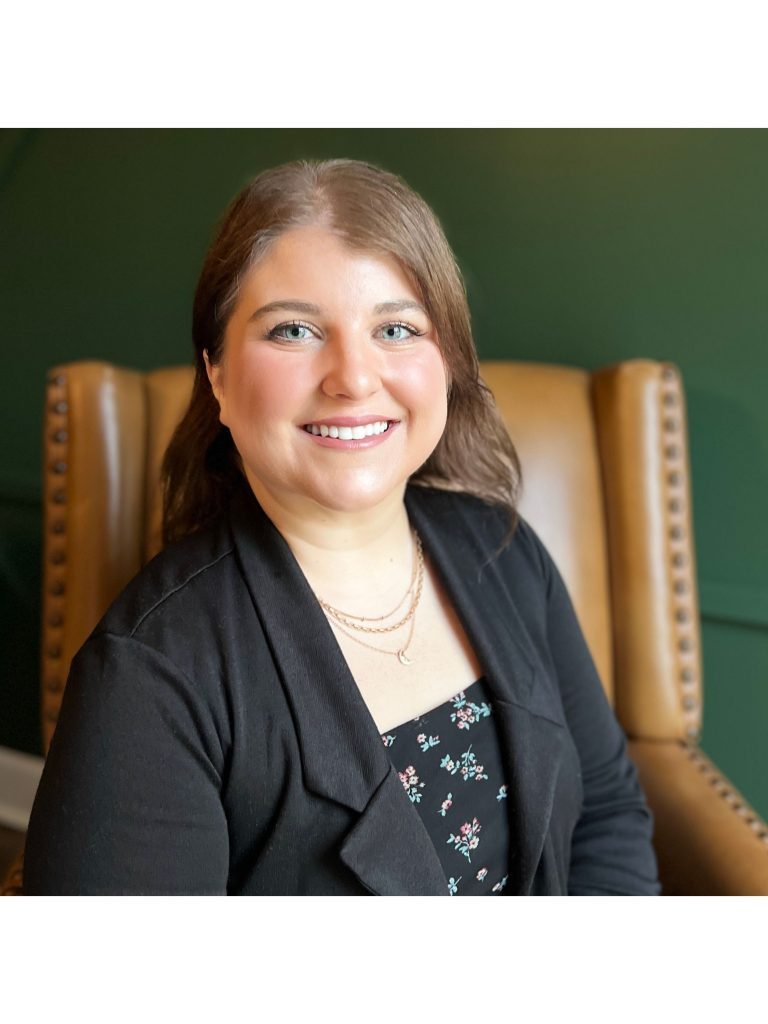
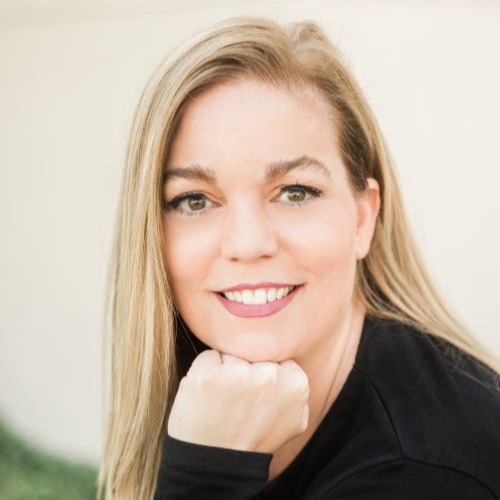
Kiersten Modglin is a #1 bestselling author of psychological thrillers. Her books have sold over 2 million copies and been translated into multiple languages. Kiersten is a member of International Thriller Writers, Novelists, Inc., and the Alliance of Independent Authors. She is a KDP Select All-Star and a recipient of ThrillerFix’s Best Psychological Thriller Award, Suspense Magazine’s Best Book of 2021 Award, a 2022 Silver Falchion for Best Suspense, and a 2022 Silver Falchion for Best Overall Book of 2021. Kiersten grew up in rural western Kentucky and later relocated to Nashville, Tennessee, where she now lives with her family. Kiersten’s readers across the world lovingly refer to her as “KMod.” A binge-watching expert, psychology fanatic, and indoor enthusiast, Kiersten enjoys rainy days spent with her favorite people and evenings with her nose in a book.
Samantha Downing
Samantha Downing is an internationally bestselling thriller author whose books have appeared on the Sunday Times and USA Today bestseller lists. Her novels include My Lovely Wife, He Started It, For Your Own Good, A Twisted Love Story, and Too Old For This. Her debut novel, My Lovely Wife, was nominated for Edgar, ITW, and Macavity awards in the US, the CWA award in the UK, and was the winner of the Prix des Lectrices award in France.
The Questions
1. How do you approach creating characters with complex psychological profiles?
Ashley: I like to live with my characters for a while before I start writing about them — I like to move through my day having them top of mind as I overhear conversations or observe other people. Would Blythe act like that? How would Whitney feel about this scenario? And then once a story is underway and the characters are forming on the page, I need a lot of revision to get deeper with them. I need to talk about them with other people, I need to dig into their psyches with my editors, and I need to take breaks from the manuscript and let things percolate while I’m busy doing other things in life. That’s when the best insights about a character come to me. Returning to them on the page after a bit of space and thinking time is so helpful in getting to the next level.

Christina: Who do you know who doesn’t have a complex psychological profile? You have all the mental twists, the emotional kinks, the dark secrets from your childhood that you’ll never tell anyone, no matter how long you know them or how much they love you. The point is to bring secrets to the surface, expose them to light, mix them with guilt (guilt is like yeast, it lives, bubbles, and grows). And when you put all of that in the right circumstances, you have a person of interest.
Maybe it’s a hero and maybe it’s a villain, and the most fascinating characters are those who teeter on the edge between good and evil. Certainly, everyone considers themselves worthy of attention, some to the point of saying to me at an autographing, “My life is so interesting, you should write a book about it.” (No, thank you.) Almost always heroes/villain/real people blame their issues on someone else (“If my mom hadn’t loved my sibling more, I wouldn’t be driven by the need to succeed/been fated to fail/become a serial killer/be constantly seeking attention.”) Taking responsibility for our own actions and the results of those actions is one of life’s hardest lessons to learn. Joseph Campbell said, “Your life is the fruit of your own doing. You have no one to blame but yourself.”
Personally, I hate that quote, which is why I often repeat it to myself.
Heather: For me, I start with what most would consider regular, everyday people: a mother-to-be, a writer scrambling to hit her deadline, a divorced mom trying to make ends meet. From there, I begin layering in the characters’ histories, hopes, and fears, as well as their strengths and shortcomings. I want readers to feel like they are stepping into the skins of my main characters, experiencing their deepest thoughts. But is it even possible to truly know someone? Because everyone has secrets, right?
In my most recent thriller, The Perfect Hosts, Madeline Drake is planning the party of the year — an over-the-top gender reveal celebration on her posh Wyoming horse ranch with 200 of her closest friends. The party begins with a deadly bang, and as Madeline’s perfect world crumbles, she discovers, right along with readers, that those closest to her all have something to hide. Creating multilayered characters with conflicting emotions and hidden motivations creates an unpredictable, thrilling ride for readers.
Kiersten: For me, it’s always just about making my characters real. No character should be all good or all bad, just as no person is all good or bad. I want my characters to make mistakes. I want to see them fail. I want to see them being greedy or selfish. I want to see them hurt someone they care about. But on the flip side, I want to see them break. I want to know their weaknesses, who they love, and why. I want to know what their comfort meal is and what brings them joy. I think, whether it’s the hero or the villain, making sure the characters are multifaceted can really ground even the most unrelatable characters, and that’s how you get readers to care about what’s happening to them.
Samantha: My books usually have a “villain” as the protagonist. The first thing I need to do is figure out that character’s belief system. My protagonists typically believe what they are doing is right, at least in their own minds, and they act according to this belief. For example, in Too Old For This, Lottie truly believes she has no choice but to kill someone who is threatening to expose her and ruin her life. This is where she is coming from, and she does not waver in that belief. Lottie does not have to justify her actions to herself; they are already justified, and everything she does is to protect her life. Readers are along for the ride, which they see from only her perspective. This is on purpose; it keeps the book contained to only how Lottie sees the world, and there is never a break from this with another POV.
2. Obsession is a recurring theme in many psychological thrillers. What makes obsession such a compelling narrative device for you?
Ashley: Oh, writing about obsession is so much fun, because we’ve all felt it at some point, to some degree — obsession with a crush, with a hobby, with a goal, or even with a person we’ve never met in real life. Obsessions can go from benign to dangerous very quickly, and as a storyteller, that escalation into a threatening place is just perfect for tension. And yet, there can still be something so subtle about obsession, in the little behaviors that give us the fix we need, and the way we might hide it from other people.
I also love how obsession can seem to justify nearly any behavior in the moment. We’ve all known people who are unrecognizable under the influence of an obsession. What compelling territory for a character to play in. I think my favorite obsessive character is Blair in The Whispers, who has a secret habit of going into her best friend’s house when she’s not home, just to look through her things, indulge her envy, and feel closer to her — on the surface, it’s unhinged behavior, especially for someone as do-good as Blair, but this obsessiveness says so much about who she is, and adds a great little layer of tension to the relationships and storytelling.
Christina: I have a friend who cleans her baseboards every week. Every week! I call that obsession, but you might say I may also have an anti-cleaning baseboards obsession. Obsession kept Edison inventing, and now we have the electric light, recordings, and alkaline batteries. Viagra was “discovered” when researching a treatment for angina, which led to the fastest change of marketing ever seen and a different obsession for almost everybody. Obsession with a single person can lead to stalking (ick) or a long love affair (yay!). Obsession is a common human trait, very relatable, yet with a light side and a dark side, and it speaks to every reader on some level of horror or comprehension.

Heather: If we’re being honest, there is that one thing that we find ourselves obsessed with: reality TV, social media, true crime, turtle cheesecake (wait, that’s me!). In psychological thrillers, we take obsession to the next level, and it provides a window into the hearts of our characters and drives the story forward at a breakneck pace. In The Perfect Hosts, ATF agent Jamie Saldano, consumed with the disappearance of his sister, returns to the scene of the crime, desperate to solve the case that has haunted him for 25 years, risking his marriage, his career, and his life.
Kiersten: Obsession is such an intoxicating thing to explore, especially within thrillers. Who among us hasn’t been a little obsessed with something or someone? It’s fun because it’s a relatable emotion that we as storytellers can then stretch to horrendous and unpredictable lengths, and once a character becomes obsessed, all bets are off when it comes to what might happen. Plus, there are so many storylines to play with when it comes to obsession! I’ve written 52 books, and there are still plenty of new obsession plots I want to play with!
Samantha: Obsession can lead to a lot of bad behavior, so it can be a great setup for a thriller. The more you feed an obsession, the more powerful and dangerous it becomes, and this can drive the entire story. In my book For Your Own Good, a high school teacher has become obsessed with teaching his students a lesson. Teddy works at an elite private school where his students are privileged and entitled, and he is determined to teach them that they will not, and should not, get what they want simply because of who their parents are. In Teddy’s mind, what he is doing is necessary because his students need to learn this lesson, and anyone who gets in his way is a problem. Without this underlying obsession, his reasoning falls apart, and so does the story.
3. Psychological thrillers often live in moral grey zones. How do you explore right and wrong without giving readers easy answers?
Ashley: Well, I think we all live in moral grey zones (although we might not like to admit it sometimes), and so it’s perfect and relatable territory for storytelling. I love the challenge of writing a character who does the wrong thing, but the reader is still with them — they completely understand why they’re behaving the way they are, even if it’s not something they’d personally do. As a reader, that’s the kind of character I want to engage with — make me consider things differently, make me feel empathy for a circumstance or behavior that I didn’t feel before. I hope Blythe in The Push is a good example of this — readers often debate, was she a good mother, or not? What even is a good mother? What is a parent’s obligation when it comes to how we love, nurture, and forgive? Although some readers might not agree with the choices Blythe makes, I hope they can understand her as a person and appreciate the complexity of her circumstances.
Christina: You can’t give readers easy answers. They have to make the journey themselves. I show the path by involving them in situations, good or bad, that they can relate to. In Obsession Falls, the heroine is alone in the Idaho wilderness where she’s been sketching. A car drives up, she conceals herself, and two men pull a kid out of the trunk and prepare to kill him. She’s armed with drawing pencils and a pad of paper. What does she do? Rather, the real question is, what would you do?
Heather: Daily, we are faced with making decisions, some so mundane we don’t give them a second thought, some with more far-reaching consequences. In psychological thrillers, where characters are placed in life and death situations, every choice is cloaked in danger. Survival is at the forefront. We all understand that committing murder is wrong — but what if someone is threatening your child? Would you do it then? Or if causing a terrible person’s death could save lives? Does that make it okay? Having characters navigate a world shaded in grey makes for poignant, thoughtful reflection, conversations, and spirited book club discussions.

Kiersten: My readers know I love ambiguity. I love books where things aren’t crystal clear, there is no right or wrong, there is only motivation. So often in life, we only know our own motivations, and while we’re often the hero in our own story, it’s more than possible we’re the villain in someone else’s. I love playing with that line and giving readers something to think about all through the book, but especially when it ends. If they’re still thinking about my story days after they’ve finished it, I consider it a win!
Samantha: I believe we all live in moral grey zones. I don’t know a single person who is all good or all bad. My characters are the same, only more extreme. What I try to do is present a whole person, the good sides and the bad, to make them as compelling as possible. My goal is always to have characters that are relatable on some level, however small, and readers may recognize a small part of each one either because they recognize themselves or someone they know. My goal is to try to create a complex character — because we are all complex — that may be horrible in one instance but sympathetic in another.
4. What do you hope readers take away from your exploration of the human psyche?
Ashley: I like to write about women who feel honest and complicated. I like to explore a very true experience of womanhood, even if it’s uncomfortable or provoking. We can learn so much about ourselves and others by engaging with this darker human psyche on the page — how amazing to really feel something when we read, and to challenge the expectations and judgments we carry. Or maybe it even validates something inside of us. It’s always meaningful to hear from people who say reading The Push or The Whispers was a deeply emotional or confronting experience. What a great thing to experience in a book. We’re here on this earth to feel things!
Christina: Hope that if you do the right thing, good (justice, democracy, kindness) will prevail. For the future, for mankind, and for themselves.
Heather: By design, psychological thrillers explore the darker side of the human mind, and it’s a fascinating journey. Although my books tackle dark and complex issues, my ultimate goal is for readers to become immersed in a twisty, fast-paced story and close the book satisfied and with a sense of hope.
Kiersten: I hope readers see a bit of themselves in my stories. My favorite moments as a reader are when an author can put into words an emotion or experience I thought was singular to me, so I really aim for that within my stories. Hero or villain, or (more likely) something in between — I try to make my characters relatable to my readers. I want them to see themselves in the pages and understand how quickly lives can change with a single decision. That’s what draws me to thrillers and psychological thrillers in particular: this idea that we’re all one bad decision away from unrecognizable lives.
Samantha: First, I hope my books provide an entertaining escape and that readers enjoy them. On the darker side, sometimes people root for my worst characters, and when they do, it makes me feel like I’ve done my job. No one would describe a serial killer as a hero, and yet they are still my protagonists, and they are the heroes of their own story. I hope that people find it intriguing and interesting that sometimes they root for them in spite of their actions — either because they are likable, or because people agree with their reasoning, even if they don’t agree with the action itself.
5. Fairy tales and children’s stories are popular stories to retell with adult twists. Which classic children’s story would you turn into a psychological thriller, and what would be the dark twist?
Ashley: Oh, hmmm, well, it’s not a fairy tale, but I’ve just started reading Pollyanna for the first time with my daughter, and keep thinking what a great opportunity it would be for her unrelenting optimism to be a deception for some juicy, dark ulterior motive… so maybe that!
Christina: Snow White. “Wicked stepmother, my a**. Can we talk about a prima donna princess teen who colors her hair black as ebony, bats those fake eyelashes until she creates a constant breeze, and spends her days warbling off-key at the birds and inviting her small furry friends into the castle to sh*t in my Cheerios? And that voice! That overly cheerful, squeaky-high voice she uses to make her father think she’s such a sweet innocent child when I caught her helping the huntsman clean his weapon, if you catch my drift…”
Heather: Oh, this one is easy! Wouldn’t Anne of Green Gables by L. M. Montgomery make for an excellent psychological thriller series? I call dibs. Think about it — orphaned Anne Shirley arrives in eerily beautiful Prince Edward Island only to find that a serial killer is stalking Avonlea. Everyone is a suspect. Does Marilla have an even darker side? Maybe this is why she is so against having Anne come to live with them — witnesses! Is Matthew really the quiet, benevolent man he appears to be (of course he is — I’m not messing with Matthew). What about Mr. Allen? Sure, he seems to be nothing more than the new minister in town — but what if he’s left a trail of bodies in his wake? And don’t even get me talking about Mr. Phillips, Avonlea’s creepy schoolteacher. Anne and her trusty sidekick, Diana Barry, are on the case — they just need to stay away from the raspberry cordial. Who knows what’s in it?
Kiersten: Ooh, well, my favorite children’s story is Beauty and the Beast (hello, library!), so I’d have to go with that one. In true psychological thriller fashion, Belle would have to be an unreliable narrator, and she’d be the witch who cursed the Beast, returning to see if he’s still just as monstrous as when she last saw him. *insert evil laugh here*
Samantha: Little Red Riding Hood. The beginning of the story would be the same: a girl is sent to take care of her sick grandmother. When approached by a wolf who pretends to be friendly, she tells him where she is going. Then, he gets to the house first and disguises himself as her grandmother.
Before the wolf attacks Little Red Riding Hood, he decides to eat the meal that she has brought for her grandmother. What he doesn’t know is that the girl was going to poison her grandmother and kill her off once and for all because the girl is tired of being sent to take care of her. The wolf doesn’t realize this until the poison begins to take effect, and the last thing he sees is a smiling Little Red Riding Hood. The moral of the story is the same: Don’t trust strangers, no matter who they are or what they look like.

Bonus Questions
6. If you could spend a day inside the mind of one of your characters, who would you choose and why?
Ashley: I really feel as though I’ve been inside all of their minds — for months and months at a time! — but I’d have to say Mara from The Whispers, as she’s in her 80s, and what an interesting time to reflect on who you are, the choices you’ve made, and the wisdom you’ve earned. I think she makes a fascinating (and dark) decision in the novel, and I’m curious about how that feels for her in the aftermath. I could have written so many more chapters about Mara…
Christina: I spend my life inside the minds of my characters, the good and the bad. Some of them make me very uncomfortable in their madness and their traumas, but Lady Rosaline Montague (Daughter of Montague) fits me best. I am not the daughter of Romeo and Juliet (yes, that Romeo and Juliet), but for me, writing Rosie takes me back to my early 20s when I knew everything, I was smarter than everyone, I faced every challenge with sarcasm and humor, and my life would be exactly as I decreed it.
HAHAHAHA! Yeah, that worked out.

Heather: I’ve put my characters through so much! Wylie, a true crime writer from The Overnight Guest, and Amelia from Not a Sound continue to stick with me. They are both incredibly resilient, resourceful, and downright bad*ss. I would love to get into Wylie’s head as she researches her next true crime book and Amelia’s as she paddleboards down a river with her service dog, Stitch.
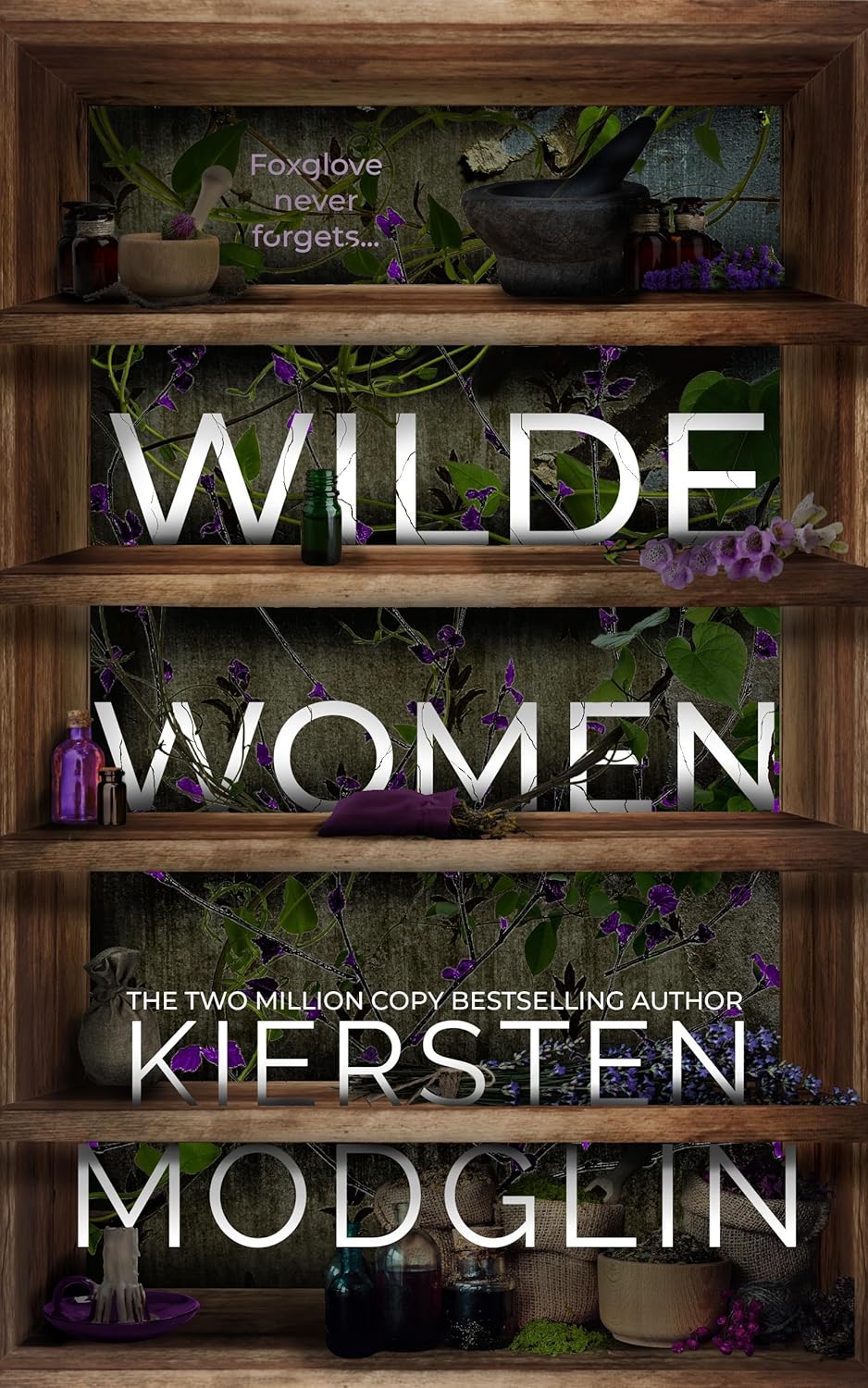
Kiersten: I would love to spend a day as Taylor Wilde, one of the main characters in my new book, Wilde Women. The story is set in a mysterious old cabin deep in the woods, and it’s full of family secrets, mysteries, and hints of something ancient stirring. I loved the setting so much, the beloved home called Foxglove, and the Wilde family. It would be a dream to spend a day there.
Samantha: I would definitely say Lottie, my 75-year-old retired serial killer. Her story was so much fun to write, which might be a strange thing to say, but it really was. I would love to spend a day — but only a day — inside her head.
7. Are there particular psychological thriller authors or books that influenced your style?
Ashley: You know, I didn’t read a lot of thrillers before I wrote The Push — I’m not even sure I realized that’s what I was writing until I was further along. But Gone Girl had come out in 2012, and then I’d read and loved The Silent Wife by A.S.A. Harrison in 2013 — these were my first tastes of how psychological suspense could work so well with the things I wanted to write about, like marriage and relationships. I started a draft in 2015, the year of The Girl on the Train by Paula Hawkins, and then the next year it was Shari Lapena’s The Couple Next Door. So those were the kinds of big books in the air while I was working through that first manuscript, and no doubt they all influenced the direction of my writing and what felt compelling at the time.
Christina: The classics: Jane Eyre (the wife in the attic!) and Daphne du Maurier’s Rebecca, with its first-person narrative from Mrs. de Winter, whom we know inside and out, yet we never learn her first name. Are you going to say those are Gothics? Yes, and Gothics are psychological thrillers with a tight focus on the character who has the most to lose. Brilliant stuff.
Heather: There are too many to count! In addition to character and plot, setting is a crucial aspect of my novels, and there are several books that I return to time and again, masterfully capturing both time and place. The Little Friend by Donna Tartt, In Cold Blood by Truman Capote, and In the Woods by Tana French all hauntingly describe life in small towns forever changed by murder.
I’m also a big fan of reading and writing books told from multiple points of view. Strangers on a Train by Patricia Highsmith, The Surgeon by Tess Gerritsen, and Mystic River by Dennis Lehane immediately come to mind. And the fact that The Silence of the Lambs by Thomas Harris is told through six different points of view permitted me to play around with multiple perspectives in my own work. I love how this style of writing weaves storylines together and moves the plot forward in unique, propulsive ways.

Kiersten: Gillian Flynn is the first author who comes to mind. I absolutely admire the way she writes women and how she pulls no punches with her storylines. Gone Girl forever changed the way I look at storytelling and is what drew me to psychological thrillers in the first place. Jodi Picoult is another author I admire for the way she brings real issues into her work in a way that feels seamless and makes readers look at all sides of the things that haunt us.
Samantha: Gillian Flynn was the first modern thriller author I read whose books do not have someone in law enforcement as one of the main characters. A marriage thriller, or domestic thriller, was new to me, and it had a huge effect on the way I thought about thrillers.
Thanks to all these amazing authors for speaking with us! They sure know how to keep readers on the edge of their seats — and we can’t wait to meet more of their fascinating characters.
Find Ashley Audrain here.
Find Christina Dodd here.
Find Heather Gudenkauf here.
Find Kiersten Modglin here.
Find Samantha Downing here.
Click here to read our interview with five female horror authors.
Find more nail-biting thrillers at our Bookshop.