














Every November, writers of all kinds from around the world take on the challenge of writing an entire novel, or 50,000 words, in just 30 days. It’s fast, it’s chaotic, and it’s wildly rewarding. But diving in headfirst without a little preparation can leave you feeling burned out before you’ve even hit the middle of the month. If you’re gearing up to join Write a Novel November, here’s how to prep before November 1st hits.
Define Your Goal
Maybe you want to write 50,000 words in November. Maybe you just want to finish a draft, stick to a daily writing habit, or finally chase that plot idea you can’t get out of your head. Decide what “success” looks like for you this month — and keep it realistic! For some writers, success means hitting the classic “novel-length” benchmark for their genre, while for others it might mean writing every single day, even if that’s just 200 words at a time. Knowing your personal definition of success keeps you motivated and prevents comparison burnout when you see other writers posting big word counts.

Map Out Your Writing Routine
Instead of winging it on November 1st, figure out your “plan of attack” now. What time of day works best for you — early mornings, lunch breaks, or late at night? Even 20-30 minutes of consistent writing each day adds up quickly. Try experimenting with timers, the Pomodoro method, or a focus tool like Focus Friend to help you stay on track.
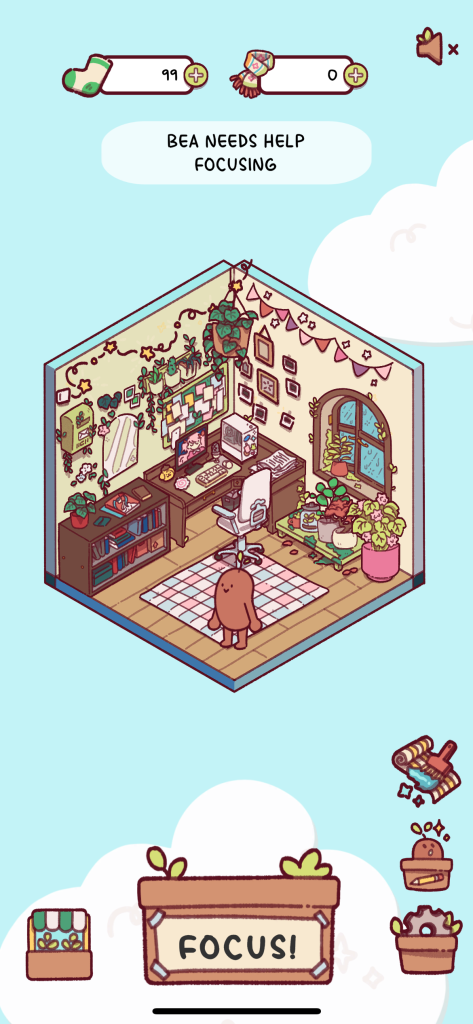
This is my little focus friend bean, Bea, and the more I focus on my work, the more time she has to knit socks and scarves. You can decorate your little bean’s room (and unlock other rooms around their house!) as you accumulate socks and scarves to buy fun items. Focus tools like this add a fun gamified element to writing—it’s a lot easier to hit your goals when your digital bean is counting on you. Find what helps you stay present and lean into it.
Prep Your Story Toolbox
A little work now means fewer blank-page meltdowns later. Depending on your style, you might:
- Outline the big beats of your story (or jot down just enough to get started).
- Character profiles — who are they, what do they want, and what stands in their way?
- Build your world — a Pinterest board, playlist, or mood board can help anchor the setting and vibe of your story.
Think of this as packing your backpack before a big trip — you don’t need everything mapped out, but having a few essentials ready to go will keep you from getting lost along the way. Even a handful of bullet points or a character name list can be a lifesaver once you’re deep into November and need direction.

Set Up Your Writing Space
Clear a corner of your desk, stock up on your favorite pens and sticky notes, or test out a distraction-free writing app (Novlr is a great AI-free option). The goal? Create a warm, cozy, and welcoming space that makes you actually want to sit down and write. Add candles, a playlist, or even just a good blanket — whatever makes your writing sessions feel like a treat instead of a chore. The more intentional you are about curating your space, the easier it becomes to get in the writing zone.

Find Your Support System
Writing doesn’t have to be a lonely process. Tell friends about the challenge, connect with other writers online (Reddit or Facebook both have great communities for this!), or set up accountability check-ins. If you like the idea of camaraderie, try writing sprints — short, focused bursts you do at the same time as other writers — to keep your energy up. You’d be surprised how much more productive you feel when you know someone else is also furiously typing away at the same time, even if they’re miles away. Having a group to share wins, frustrations, and encouragement with can turn the whole month from intimidating to exciting.

Plan Your Rewards (And Sweet Treats)
Big goals feel more achievable when you break them into milestones. Plan small rewards for hitting word count benchmarks — whether that’s your favorite snack, a cozy night in with a comfort show, or treating yourself to a new book. Some writers even create a “reward jar” filled with slips of paper listing little treats or activities, drawing one every time they hit a milestone. Celebrating progress keeps motivation high, even on the tough days (because some of those are inevitable when tackling a challenge like this).

Progress Over Perfection
Writing an entire novel in a month is ambitious. Even if you don’t finish — or if your draft is a beautiful mess — you’ll still walk away with more words than you started with and a stronger writing habit. That’s progress worth celebrating. Think of November as training: it strengthens your creative muscles and teaches you discipline. The rough draft you create now is a foundation you can polish later. Remember, no one publishes their November draft on December 1 — it’s all about getting words down first.

Whether you’re a meticulous planner with a color-coded bulletin board of plot points or a chaotic “fly by the seat of your pants” kind of writer, prepping now will help you dive into November with energy and excitement. At the end of the day, it’s not just about crossing a finish line — it’s about showing up for yourself and your story, one writing session at a time.
Ready to keep the momentum going? Check out our article on writing communities that you can join, here!
And if you’re looking for craft inspiration, browse our curated Writer Inspiration list on Bookshop.org.