


Like the rest of the publishing industry, romance suffers from a lack of racial diversity. Since 2016, The Ripped Bodice has released a yearly report documenting the state of racial diversity in romance publishing. While the results show an overall increase in the percentage of romance novels published by BIPOC authors over the past decades, they also demonstrate just how slowly this progress is moving.
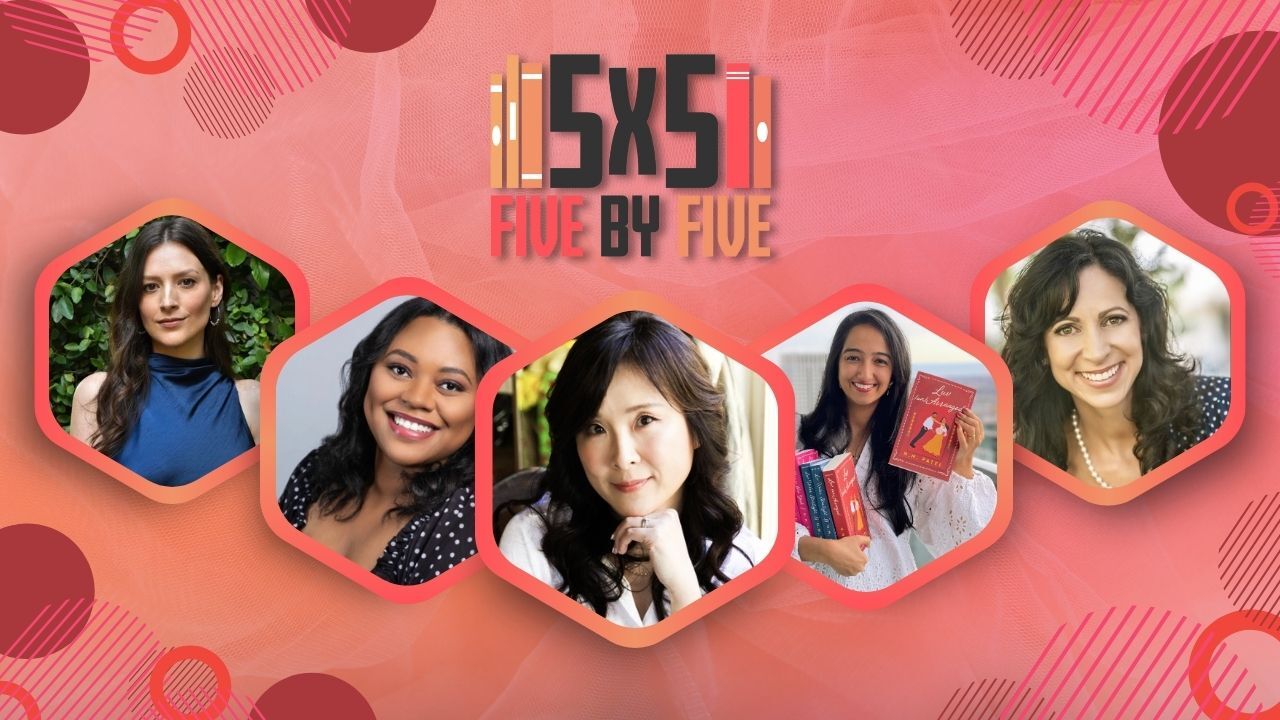
We’re sitting down with five BIPOC romance authors to get their side of the story. Read on to hear their perspectives on breaking barriers and crafting love stories that resonate with all readers.
The Authors
Priscilla Oliveras
Priscilla Oliveras is a USA Today bestselling author who writes stories that stir your heart. Proud of her Puerto Rican-Mexican heritage, she brings authenticity to her novels by sharing her Latinx culture with readers. Her books have earned starred reviews from Publishers Weekly, Kirkus Reviews, and Booklist, along with praise from O, The Oprah Magazine, The Washington Post, The New York Times, Entertainment Weekly, and more. Priscilla earned her Master of Fine Arts in Writing Popular Fiction from Seton Hill University and now serves as adjunct faculty in the program. She also teaches the online class “Romance Writing” for ed2go.com and is a book coach/developmental editor with Your Best Book. A long-time romance genre enthusiast, Priscilla’s also a sports fan, beach lover, and Zumba aficionado who enjoys practicing the art of hammock napping. For more information, visit www.prisoliveras.com.
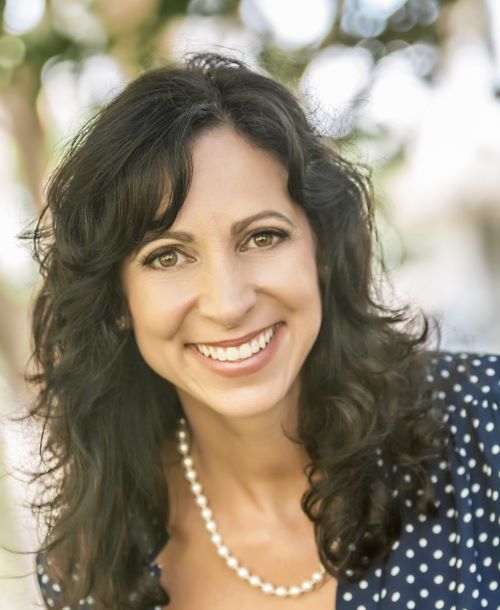
N. M. Patel
N. M. Patel is a passionate author who writes romance novels inspired by her love of Bollywood movies. Her books are filled with humor, steam, and plenty of love, featuring strong heroines and swoon-worthy heroes. Get ready to be transported into a world of Desi culture, unforgettable characters, and a romantic escape that will leave you feeling warm and fuzzy inside.
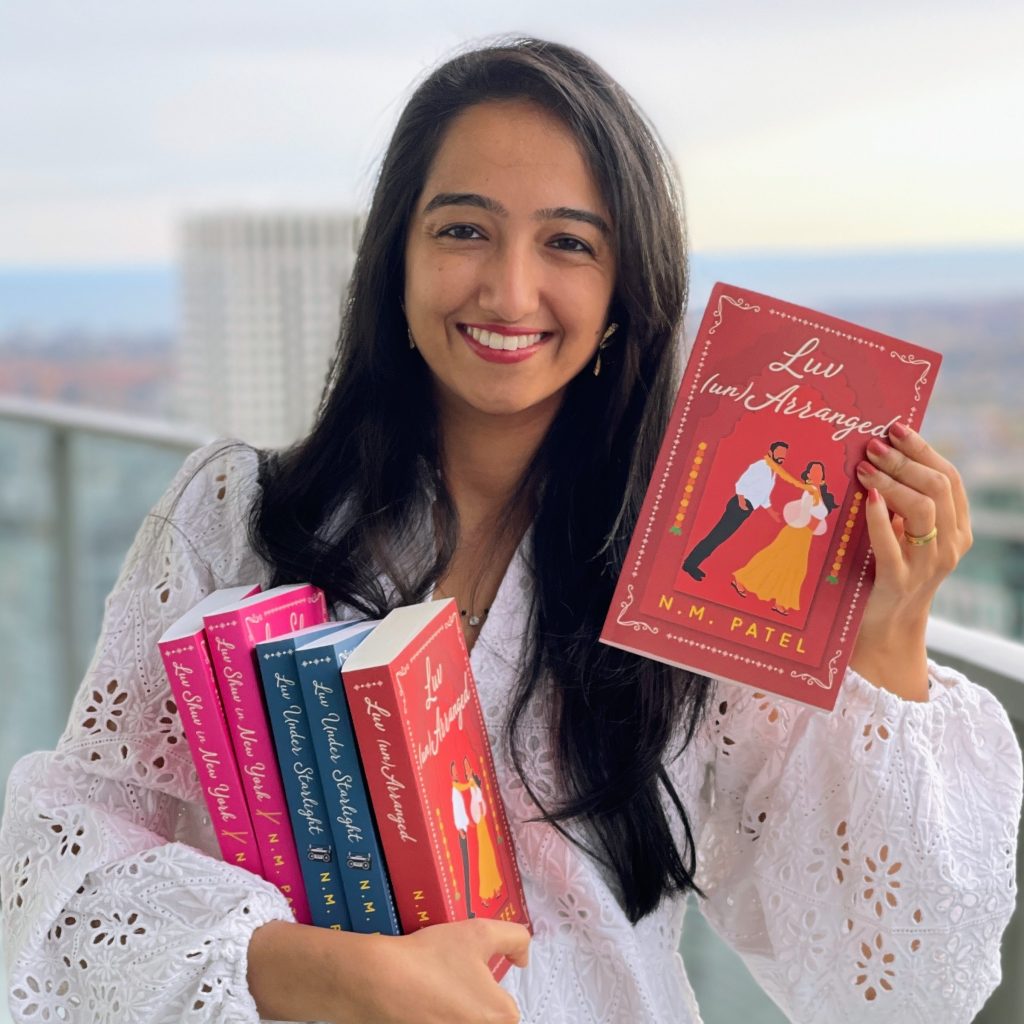
Myah Ariel
Myah Ariel is a USA Today bestselling author of contemporary romance novels, When I Think of You and No Ordinary Love. Her early love of movies led her from Arkansas to New York City, where she earned a BA in Cinema Studies from NYU’s Tisch School of the Arts. She also holds an MA in Specialized Journalism for the Arts from USC Annenberg. For several years, Myah worked across multiple roles in the film and entertainment industry before pivoting to work in academia. As a medical mom and a hopeless romantic, Myah is passionate about inclusive love stories.
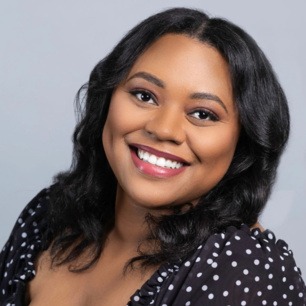
Jayci Lee
Jayci Lee writes poignant, sexy, and laugh-out-loud romance featuring Korean American main characters. Her books have been in O, The Oprah Magazine, Cosmopolitan, Entertainment Weekly, Hollywood Reporter, E! News, and Women’s World. Jayci is retired from her 15-year career as a litigator because of all the badass heroines and drool-worthy heroes demanding to have their stories told. Food, wine, and travel are her jam. She makes her home in sunny California with her tall-dark-and-handsome husband, two amazing boys, and a fluffy rescue.
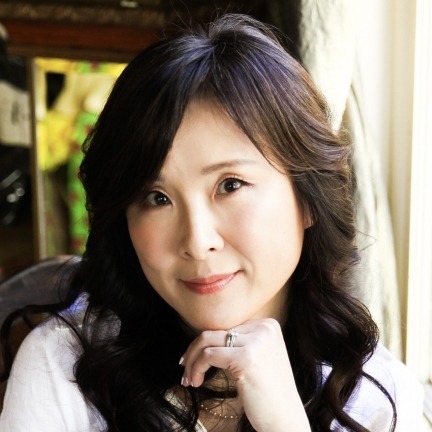
Danica Nava
Danica Nava is an enrolled citizen of the Chickasaw Nation and works as a Chief of Staff in the tech industry. She has her MBA from the USC Marshall School of Business. She currently lives in Southern California with her husband and daughter.
The Questions
1. The publishing industry has historically pressured BIPOC writers to whitewash their characters to make them more marketable and “appealing” to a broader audience. How have you overcome this challenge and stayed true to creating diverse characters with all their cultural richness and authentic qualities intact?
Priscilla: It’s a challenge many of us have faced — the idea that in order to reach a “wider audience,” we need to tone down who our characters are or smooth out the cultural texture of our stories. But I’ve always wanted to write stories that felt like home. I’ve also always believed that love is universal — but so are family quirks and tradition. My characters are Latine because I’m Latina, and that’s the world I come from. Their cultural identity isn’t a plot device. It’s part of the rhythm of their lives: the food on the table, the music in the background, the way their families love hard and meddle harder.
In Anchored Hearts, for example, Alejandro and Anamaria’s Cuban heritage influences everything from their values to their conflict, but the story is still about healing, second chances, and finding your way back to love. When I see readers connect with those details, it’s proof that we don’t need to edit or erase ourselves to be relatable. Readers want what’s real, and that authenticity is what makes the love story resonate.

N. M. Patel: I was afraid of this very thing happening to my stories and characters, and that’s why I decided to self-publish my books. The Luv Shuv series features a large Indian family and is set in New York (book one) and India (books two and three), showing different Indian cities, festivals, and all its culture and traditions. I didn’t want to take anything away from the books and whitewash my characters.
Myah: Fortunately, I started my writing career in my early to mid-30s, which has been a time in my life where I’ve come to fully embrace and understand the facets of my identity as a Black woman. So I can honestly say I don’t feel pressure to adapt or dilute my characters to fit any kind of mold. If I’d started writing romantic heroines in my teens or early 20s, it’s possible that I might have succumbed to societal or industry pressure to whitewash these women to make them more “relatable” to broader audiences — similar to the ways I myself tried to adapt to my surroundings growing up. But in my books, When I Think of You and No Ordinary Love, I’m centering Black women who work in industries (film and music) that greatly benefit from our talents while simultaneously exploiting our identities. So it was important for me to draw from my own experiences and not hold back.
Jayci: I have never been directly pressured by my publishers to whitewash my characters, but I believe some might overlook my books when they realize the main characters are Asian American because they feel like they “can’t relate”. Or they think my books are meant to “educate” them because they have diverse characters, and they don’t want to put in the effort to “learn” when they just want to read a fun romance. Conversely, some expect my books to teach them about my culture and are disappointed when I don’t delve deeply into the characters’ cultural identity.
Such internalized biases against books written by BIPOC authors about BIPOC characters are not challenges that I, as an author, can overcome. That is up to the individual. It is up to each person to discover and own their biases. It is also up to them to want to and strive to change. All I can do as an author is write my Asian American characters, true to my own lived experiences as well as perceived experiences, and focus on telling a good story — a really good story.
Danica: I have been really fortunate that my team at Berkley has never asked me to “whitewash” any of my characters. My editor, Angela Kim, has loved my specificity of details I have included for my Native characters. I think when non-Native authors write Native characters, they often rely on stereotypes or repeating things that have been written before. I try to keep my characters grounded, and especially since Ember was so personal, I added a lot of personal lived experience. It’s important that all characters feel real and dimensional with a purpose.
2. With the much-needed growing acceptance of BIPOC stories in the publishing industry, are there any remarkable changes you’ve witnessed as a published author? What changes would you still like to see in supporting BIPOC authors?
Priscilla: I’ve definitely seen progress. We’re seeing more BIPOC authors on shelves, bestseller lists, and leading key conversations in the industry. There are more festivals and reader spaces that center BIPOC voices, and that visibility matters to both authors and readers. We’re having more conversations about representation and more opportunities for our stories to be told and celebrated. But there’s still work to do, especially when it comes to long-term support. We need and deserve investment in our careers beyond a debut launch, equal marketing, and access to the same platforms as our peers. Our stories deserve staying power, not just moments.
N. M. Patel: With the increasing number of South Asian romance books getting published, I’ve definitely seen more South Asian readers reading and promoting South Asian romances. I’ve definitely felt an increasing support and demand for own-voice romances among the BIPOC community. However, I would love to see more support for self-published South Asian authors, not only from the Bookstagram and BookTok community, but also from the traditionally published South Asian authors.

Myah: I’m seeing incremental changes that are promising — such as Danica Nava’s books being the first traditionally published Indigenous romcoms and both becoming bestsellers, or Kennedy Ryan, once again, making the NYT list with her Black romances. But by and large, I’d love to see publishing reflect the sweeping inclusivity that we’ve seen across other creative industries like film and television. And I’d love to see the general readership embrace and support our work at that scale. Overall, whether it’s deal announcements, adaptations, displays at major book chains, or viral posts on social media, Whiteness remains pervasive while BIPOC authors are pushed to the margins. I would also love to see publishers invest in BIPOC authors not just on a book-to-book basis, but on a career level. Because for us, it may take a few tries to really break out into the market and build a strong readership.
Jayci: I’m not sure I see a growing acceptance of BIPOC stories in the publishing industry. What I do see is a frustrating and heartbreaking dance of one step forward and two steps back, on repeat. I don’t think supporting BIPOC authors should stop at acquiring our work. We need more marketing, publicity, and sales support from our publishers to counteract the internalized biases of society, social media, and their algorithms.
One size does not fit all. Real effort has to be put into researching how BIPOC books should be marketed differently in order to achieve the level of success that they deserve. It is easy to accept the status quo when it benefits you, even when it is at the detriment of others. I believe that apathy needs to be shattered before any real change can happen.
Danica: Watching so many authors of color getting massive book deals, film/TV deals, and hitting bestseller lists has been the most incredible thing I’ve seen in recent years! I would like to see publishers put more marketing dollars on all their BIPOC acquisitions. I have personally seen books get acquired and released with no support, and then the publisher blames the authors for not meeting “expectations,” and that is wrong. There are huge authors that will sell a million copies without all the marketing money; some of those funds should be diverted to the BIPOC authors, especially debuts.
3. Successfully marketing BIPOC stories and getting them in the hands of BIPOC readers is incredibly important. What difficulties have you faced in working to achieve this feat, and how did you overcome them?
Priscilla: One of the biggest challenges is making sure our stories are visible to all readers, but especially those who’ve been waiting to see themselves in Romancelandia. That visibility doesn’t always come automatically with a book deal. I’ve been incredibly fortunate to receive publisher support for some of my titles, but I’ve also leaned heavily on grassroots efforts to build meaningful connections with readers. That’s involved visiting local libraries, saying yes to book club speaking invites, connecting with Latinx and BIPOC reading communities, and engaging in social media spaces that celebrate culture, community, and joy.
I’m endlessly thankful for the readers who’ve helped spread the word. When a reader says, “You’ve got to read this, she gets us,” that kind of word-of-mouth is the heartbeat of this work. My debut, His Perfect Partner, opened doors for me with readers who were craving characters and families that felt familiar, and I’ve been thankful for the readers who shouted out and shared every one of my books since my debut. That kind of support — grounded in shared identity and mutual joy — is what keeps stories alive and thriving.
N. M. Patel: First, I’ll tell you about the challenges I’ve faced as a self-published author getting my books in the hands of BIPOC readers:
As a self-published author, I don’t have the budget or the backing that traditional publishers do. So, my resources are extremely limited. All I could offer a BIPOC reader was digital copies of my books in exchange for reviews. But most popular BIPOC Bookstagrammers and BookTokers charge a fee to promote your books (especially indie books). I don’t blame them, but that’s certainly a roadblock when you don’t have that budget.
Second, a lot of South Asian readers are hesitant to give a chance to fellow South Asian authors, afraid that they would feel misrepresented. And a lot of White readers don’t give South Asian books a chance because they think they might not connect with the characters. In the end, we’re stuck between a rock and a hard place.
What I did to overcome the obstacle:
I consistently marketed my books on social media. Thankfully, some of them went viral in India, and I gained the support of Indian readers, especially for book two of my Luv Shuv series.
As someone who’s lived in India as a reader, I know how Indian readers don’t get many opportunities for physical arcs and PR boxes. I knew I would get a lot of support and excitement for book three if I centered my marketing around my Indian readers. I exclusively targeted South Asian readers from India and some in the US and Canada, and book three became my most successful book so far.
Myah: My first two books center Black romance, so it was incredibly important that Black reviewers, book creators, and readers be prioritized in the outreach plans. But as an author, I’m not intimately involved with the marketing strategies that are spearheaded by the publisher’s in-house departments. At best, I can make requests and suggestions.
I was grateful to be able to create an early reads sign-up list targeted toward BIPOC reviewers that allowed me to get ARCs into the hands of readers who shared the identities of the characters featured in both of my books. I was also able to suggest niche media outlets such as Blavity and Black Love for publicity to pitch to. But as an author, I believe our focus should primarily be on the book itself. Within the industry, we need marketers who are knowledgeable and skilled at identifying, cultivating, and stewarding audiences (both BIPOC and general) to engage with our work in meaningful ways. Because we know when this is properly done, it moves the needle.

Jayci: I wholeheartedly agree with the first statement. It is incredibly important. Sadly, I have not been able to overcome those difficulties. I feel as though I have screamed on the rooftop at the top of my lungs until my throat was raw, but my desperate cries do nothing when nobody hears me. But one thing I have learned in publishing — in life — is that I need to be as tenacious as f*ck. I will keep shouting about my books as long as there is breath left in me, even if only one person hears me. I’ll shout until one, five, ten, 50, 100, and more hear me. Change takes time, but it will happen.
Danica: Sheesh, have I overcome them? Me and so many of my friends are out here fighting for our lives to have a single copy requested in bookstores. The market is so strange right now. Romance is selling more than ever, but it’s the same authors who blew up on BookTok in 2020, and the general reader, especially on BookTok, prioritizes these stories and authors. So if I ever overcome this, I’ll let you know.
The beauty of BIPOC romance stories is their ability to reflect real BIPOC experiences in a relatable way.
4. How do you weave a character’s cultural and ethnic background into their love story organically?
Priscilla: Culture lives in the background and the foreground — it’s the music playing in the kitchen while two characters dance around their feelings, it’s the tia giving well-meaning advice, it’s ingrained values and beliefs, it’s the tension between what’s expected by the family and what a character wants. I don’t plot a story to teach someone about being Latina or to tell a “Latine romance.” I write characters who are Latine. And because of that, their culture is baked into the narrative.
In West Side Love Story, the characters’ Mexican-American identity comes through in family traditions, mariachi music, their language, food, and even the way the characters wrestle with expectations. These elements aren’t part of an agenda — they’re part of who these characters are. I let culture emerge naturally, just as it does in life. Readers don’t need a glossary — they just need a story that feels genuine and full of heart.
N. M. Patel: I don’t actively think about how I’d like to incorporate my culture into the characters. I write Indian characters, with two of my books set in India, and my characters live and breathe Indian culture and traditions. Their thoughts, their struggles, their concerns, their clothes, their food, their personality, every pore of them is the culture I’ve grown up with. It’s what I’ve lived and loved. Maybe that’s why readers who are born and brought up in India or a Desi household connect with the characters.
Myah: I think weaving a character’s cultural background into their love story is as simple as writing that character as a full, three-dimensional human that lives and breathes on the page. For example, a Black woman is going to have a completely different experience on a dating app than a non-Black woman is. Statistically, she’s going to get fewer matches, and she’ll likely get some questionable messages, too. And as a romance writer, it’s my job to illustrate that nuance.
Likewise, a Black woman is going to have a particular experience sitting at a conference table as the only melanated face in the room. I get to choose how to depict that as well. Is she going to quietly seethe and repress her response to a micro-aggression? Or is she going to call it out and potentially get slapped on the wrist by HR? These creative choices may not take up the bulk of the narrative, but they add color and texture to the story that helps bring out the authenticity of a character’s experience.
Jayci: Weaving cultural and ethnic background into my stories is not an intentional or deliberate endeavor, if that makes sense. It’s something that happens organically because of who I am. I write the characters that each book calls for, doing my utmost to make them as fully developed and authentic as I can. Sometimes my character’s culture is very subtly depicted, and sometimes the story calls for a character to explicitly think about something unique to their culture.
For example, Give Me a Reason, my upcoming Persuasion retelling, doesn’t delve deeply into Korean American culture because I didn’t feel the story called for it. It’s more subtle, like you’ll feel like you’re watching a K-drama while reading it. On the other hand, That Prince is Mine, my 2024 romcom, touches on a lot of Korean American culture because it was foundational to the plot. Perhaps the one consistent theme for my Asian American characters is that they are Americans, they are people, they are lovesick fools. If I did my job right, they are the characters that my readers will root for and long to see get their happily ever after.

Danica: I try to ground my characters, and the five senses really help with the details. What does Ember’s aunt’s home smell like? Burning sweetgrass? Grease on the stove from frying fry bread early in the evening? What is she wearing? Beaded jewelry her best friend made? What kind of clothes is she wearing? Ember is on a budget, and her entire wardrobe is thrifted. To me, she is a real person, and a real person experiences life with the filter of all their life experiences. She is a little jaded, but also so hopeful that if she just works hard enough, then she will achieve all her dreams. Anyone from any walk of life can relate to that.
5. BIPOC stories often feel most relatable and authentic when drawn from real experiences. How have your lived experiences as a person of color influenced your storytelling?
Priscilla: So much of what I write comes from the little things I grew up with — multi-generational households, cousins who feel more like siblings, the joy and chaos of big familia gatherings. There’s such richness in those spaces, and I love writing that into my stories. Being Latina has shaped how I view love, family, responsibility, and celebration. That lens adds texture and depth — but it also adds real joy. There’s so much joy in seeing your world reflected on the page with warmth and respect.
N. M. Patel: I was born and brought up in India. I’ve lived 25 years of my life in India. As a Hindu person living in an upper-middle-class family, I’ve lived a privileged life in India, parallel to how a White person lives in the US. I had never experienced racism or casteism in my life. When I moved to the US, it was the first time I felt like “an other”, as if I was considered different from the “norm”. And I hated it. So, in all my books, I don’t let my Brown characters feel that otherness. I write characters and stories that celebrate my culture. Of course, Indian culture has its own set of challenges, prejudices, and biases. I try to highlight social issues that I’ve seen growing up as authentically as I can. But at the end of the day, I write books that celebrate the uniqueness of Indian culture.
Myah: I like to say that my debut, When I Think of You, is inspired by real life, the movies, and a lot of imagination. Like the main character, Kaliya, I studied film in New York before moving to Hollywood, where I worked as a receptionist at a movie studio with hopes of “working my way to the top” to become a movie producer. So I naturally infused a lot of my real-life experiences into crafting her story. The theme of her knowing she checked all the boxes, but still somehow was seen as “not enough” by an industry she so desperately wanted to break into, I think, is a feeling that’s relatable to many women of color and women in general.
In film school, there were fewer than a handful of students who looked like me in my classes. And outside of my African American Cinema class, our faculty didn’t highlight our contributions to the art form. So it was important to me to write a love story between two Black film nerds whose passion for movies grew into a passion for each other that eventually stood the test of time and life’s challenges.
Jayci: This is a hard question. Haha. As a daughter of immigrant parents, I became an attorney and practiced law for 15 years before I pursued my lifelong dream of becoming an author.
Parental expectations and complicated family dynamics, as well as an emphasis on the importance of family (and the extended family), are likely running themes in my books, such as Booked on a Feeling, which is about a burnt-out lawyer leaving law to become a bookstore owner. (Sounds familiar?) Other influences are more subtle and less overt, so much so that I wouldn’t know what they are myself. But I think my lived experiences as a person of color are so interwoven into my stories and my characters that my stories won’t coalesce if you switched the color of my character’s skin and made them White.
Danica: Yes, it is no secret that the entire premise of Ember’s story was inspired by my experience applying for corporate jobs after I finished my bachelor’s degree. With Love is a War Song, I wanted a cowboy story, and not some weird Taylor Sheridan version of the West and how he thinks Native Americans live, but how we really do.

Bonus Questions
6. Are there any particular BIPOC romance authors who inspired you to create your own diverse love stories? Or rising stars whose novels you recommend?
Priscilla: Absolutely — there’s a long list of authors who’ve inspired and encouraged me throughout my journey. Beverly Jenkins is a true icon and champion of diversity in romance — her stories show us that BIPOC characters belong front and center in our genre, in every era. I’ve also admired Brenda Jackson, who, like Ms. Bev, has long been a powerhouse in our genre. Both women have paved the way for so many of us — crafting heartfelt stories that center BIPOC characters and building loyal readership. They’re an inspiration to us all!
Closer to home, the Encanto series from Kensington will always have a special place in my heart. It was the first romance line I saw that celebrated Latine culture front and center — with one book featuring a novel written entirely in Spanish as well as in English, all focused on Latine characters and familias. Authors like Berta Platas, Caridad Pineiro, and Lara Rios were part of that series, and it planted a seed for me — showing that our stories belong on shelves. Kensington later became my first publisher, which made that connection even more special.
As for today’s voices, I’m constantly in awe of Adriana Herrera, Alexis Daria, Mia Sosa, Natalie Caña, Zoraida Córdova/Zoey Castile, Annette Chavez Macias/Sabrina Sol, and Diana Muñoz Stewart. They’re unapologetically writing with so much heart, passion, joy, and pride. We’re fortunate to have them in the genre.
N. M. Patel: Nalini Singh has been my biggest inspiration of all time. The way she writes multitudes of genres and crafts her worlds — it’s awe-inspiring. Other South Asian authors that I also love and admire are Victoria Woods, Anna P., Ruby Rana, Ava Rani, Bal Khabra, Esha Patel, Varsha Chitnis, Riya Iyer, and so many more.
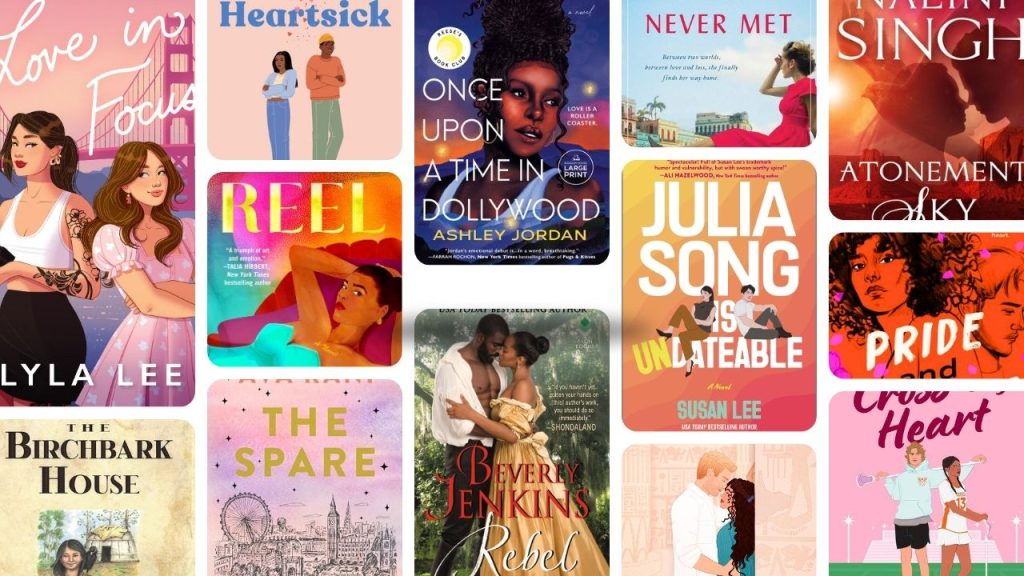
Myah: I don’t know a contemporary Black romance author who hasn’t been inspired or influenced by Tia Williams and/or Kennedy Ryan. As a hopeless romantic and cinephile, Kennedy’s Reel was the book that literally and figuratively sent me reeling. Though I’d been a romance reader for many years, hers were the first books that I’d encountered that showed me a cast of characters that reminded me of myself and my friends — similar to the shows I’d grown up watching in the ‘90s and early 2000s, shows like Girlfriends, A Different World, and movies like Love Jones and Love & Basketball. These were the kinds of stories I wanted to experience more of, so I decided to try my hand at crafting my own. As for upcoming writers, I’m excited for Ashley Jordan to debut this month with Once Upon a Time in Dollywood, and I can’t wait to get my hands on Kristina Forest’s next YA, Heartsick.
Jayci: I debuted as the first traditionally published Korean American romance author in February of 2020. I desperately wanted to see Korean American main characters in the genre that I’ve loved reading since I was 13, and my book, Temporary Wife Temptation, became the first such novel. I think 14-year-old me would be very proud of me.
I’m excited for Susan Lee and Lyla Lee making their adult romance debut this year! Lyla’s Love in Focus came out on May 27th, and Susan’s Julia Song is Undateable is coming out on October 28th!
Danica: Louise Erdrich, Beverly Jenkins, Marcella Bell, and the friends I have made since publishing — Nikki Payne, Myah Ariel, Naina Kumar, Etta Easton, Keshe Chow, Nisha J. Tuli, Isabel Cañas, and Jill Tew — all inspire me.
7. We can all agree that there needs to be more BIPOC romance adaptations, so, if your romance stories were to get adapted for film and television, who would you love to see play your main characters?
Priscilla: Ooh, seeing my characters come to life on the screen is definitely on my vision board. And you’re right, we most certainly could use more romance adaptations centering BIPOC characters and our stories. If I were casting some of my novels today, here’s who I think could step into my characters’ shoes and have audiences swooning.
- His Perfect Partner: Sofia Carson and Diego Calva
- Island Affair: EJ Bonilla and Anya Taylor-Joy
- West Side Love Story: Melissa Barrero and Diego Boneta
N. M. Patel:
- Sam: Jamie Dornan with glasses or Tom Hiddleston with glasses
- Akira: Alia Bhatt
- Luke: Chris Hemsworth
- Meera: Taapsee Pannu
- Aakar: Vicky Kaushal or Ram Charan
- Kriti: Sonakshi Sinha
Myah: DeWanda Wise is captivating on stage and screen and, of course, audio — she masterfully narrates the audiobook for When I Think of You. And she is the image I’ve had in my head for Kaliya Wilson since I began drafting the story. For Danny Prescott, I picture someone like Aaron Pierre (that’s Mufasa) or perhaps even Alfred Enoch. For No Ordinary Love’s Elladee Robinson/Ella Simone, I imagine someone with undeniable star power, like Zendaya, paired with Michael B. Jordan as Miles Westbrook. Otherwise, for Black romance, I’m a big fan of Aja Naomi King, Nicole Beharie, Aldis Hodge, Damson Idris… I could go on for days because the talent pool these days runs DEEP.
Jayci: I would love to see Nine Tailed and King Foretold (coming 8/26), books one and two in my romantasy series inspired by Korean folklore, adapted into television. I think it would be absolutely dreamy for it to be an animated series!
Danica: I would love to see Tatanka Means, Braeden Clarke, Amber Midthunder, and Siena East in adaptations! I wrote Mr. Stevenson with Kevin Kline in mind, lol.
Thanks to all these wonderful authors for speaking with us! If you’re looking for new romance authors to add to your TBR, consider checking out their work. Let’s show publishers that BIPOC stories are worth the investment!
Find Priscilla Oliveras here.
Find N. M. Patel here.
Find Myah Ariel here.
Find Jayci Lee here.
Find Danica Nava here.
Want to hear from more romance authors? Click here.
Find more spellbinding love stories at our Bookshop.