


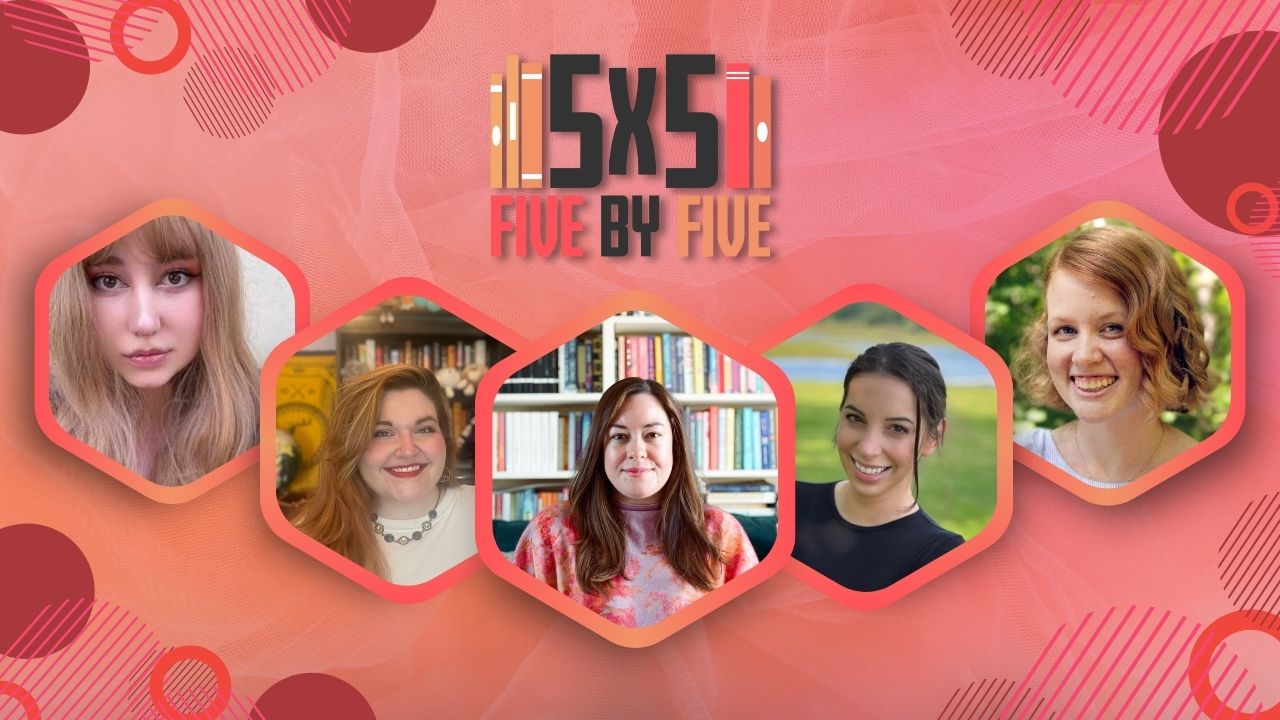
In this edition of our 5×5 series, we’re talking to five romance authors to talk about the art of building relationships in romance novels. Writing a romance novel isn’t as easy as making two characters fall in love. It requires a great deal of knowledge of the human psyche to create believable and relatable characters, a captivating plot where the love interests’ feelings develop naturally and audiences witness the tension between them, and a profound layer of emotional depth that suits the audience and story to enthrall readers in the characters’ journeys. There is a lot that goes into making a marvelous, swoon-worthy romance; these are just a few ingredients! Let’s take a look at what romance authors have to say about the genre and the creation of romantic relationships in their novels.
The Authors
Veronica Lancet
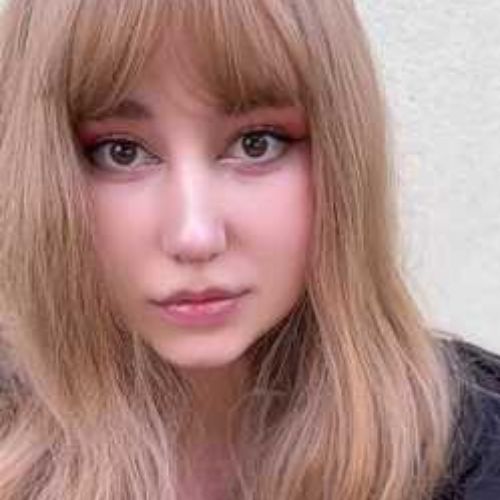
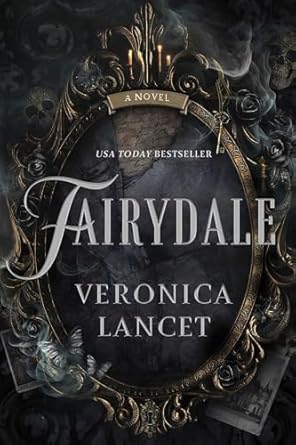
Veronica Lancet is a doctoral student by day and an author of dark, epic love stories by night. She loves to tread the line between right and wrong, exploring the many shades of morality through flawed heroes, forbidden desires, and the razor-thin edge between love and obsession.
Martha Waters
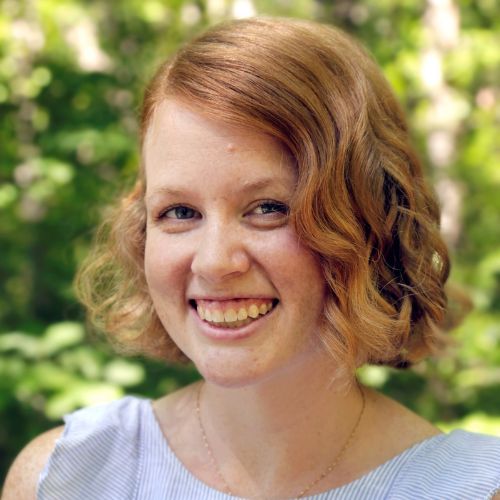
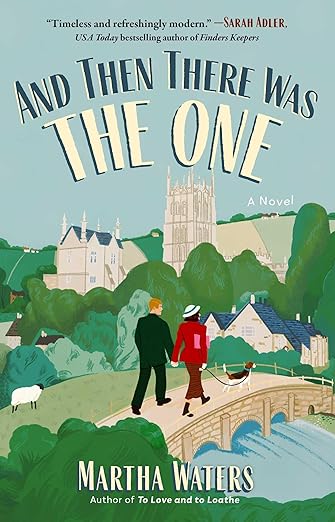
Martha Waters is the author of And Then There Was the One, Christmas Is All Around, and the Regency Vows series, which includes To Have and to Hoax, To Love and to Loathe, To Marry and to Meddle, To Swoon and to Spar, and To Woo and to Wed. Originally from South Florida, she is a graduate of the University of North Carolina at Chapel Hill and currently lives in London.
Laura Wood
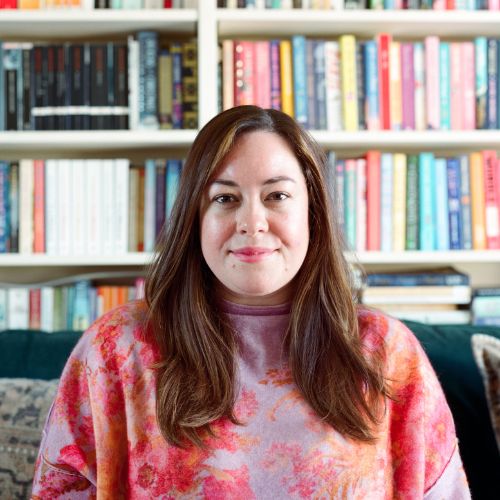
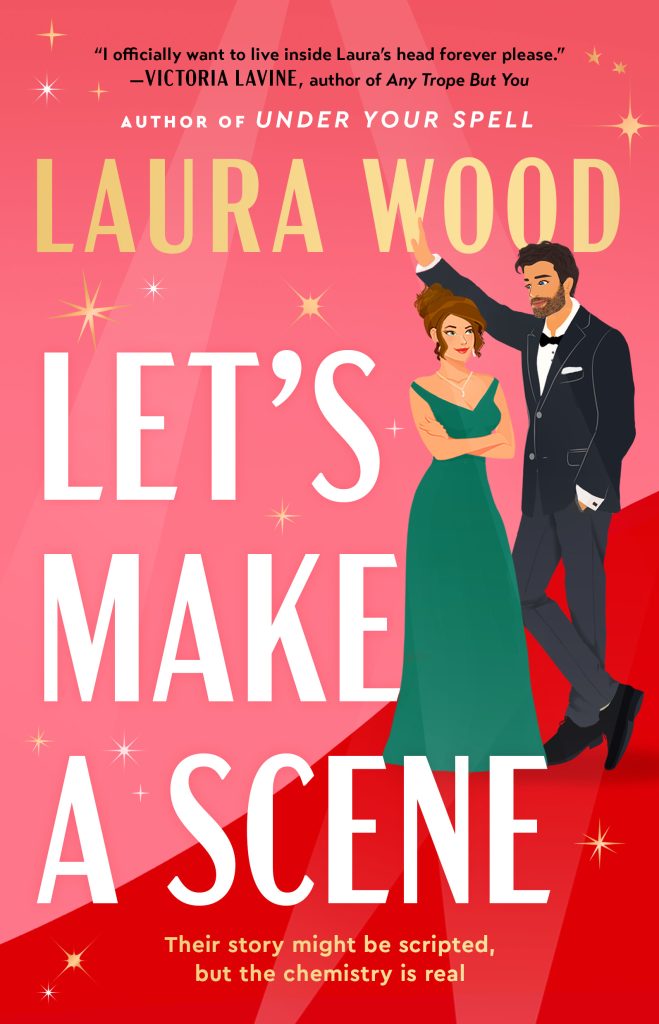
Laura Wood is a bestselling and acclaimed author of children’s and young adult novels. She is also the author of the adult novels Under Your Spell and Let’s Make a Scene. With a PhD in 19th-century literature, Laura lives in Warwickshire, England, with her husband and their dog, Bea. Visit LauraClareWood.com and follow her on Instagram @LauraCWood and X @LauraClareWood.
Katie Chandler
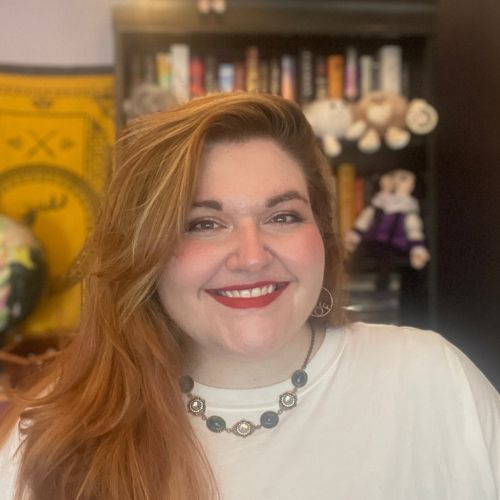
Katie Chandler is a romance author who loves adding a speculative twist to her kissing books. She is passionate about writing joyful queer love stories that are full of tenderness, angst, and spice. You can usually find Katie writing with a full caffeine iced beverage, a Taylor Swift album blasting, and her yellow lab, Blue, who makes sure her feet are toasty and that she takes regular breaks to give him treats. When not writing, Katie spends her time watching tennis with her snuggly black lab, Bunny, chasing her thieving chocolate lab, Bear, who thinks her socks are his chew toys, and wondering where her glasses are (they’re nestled in her hair).
Ellie K. Wilde
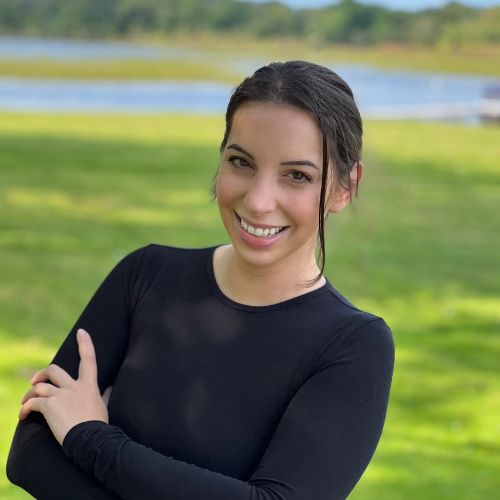
Ellie K. Wilde is a Canadian writer of contemporary romance and romantic comedies that make you laugh, swoon… and maybe require a cold shower or two to recover. She enjoys writing stories with dirty-mouthed cinnamon roll heroes and the fiery women who bring them to their knees. When she’s not daydreaming about her next book, you’ll find her devouring other romance novels, bingeing reality TV, and snuggling with fur babies.
The Questions
1. Romance is a genre that has often been associated solely with women. Is there anything you do in your writing to subvert that expectation, or do you prefer to decenter men in your stories?
Veronica: I would like to think that men can read my stories, too. I never start out writing a story thinking it will be for women only. Although romance is at the core of all of my stories, they all center around strong plotlines and have ethical and moral dilemmas that make one ponder. Aside from that, one thing that subverts the expectation of a woman-centric romance novel in my experience is having the book be entirely from the point of view of the hero (Of Ice and Villains).
Martha: Historically, romance readership has definitely been dominated by cisgender women, though I want to acknowledge all the trans folks and even some cis men who read the genre, too. It’s not necessarily something I’m explicitly thinking about while I’m writing, but I think there’s undeniably an aspect of the female gaze at work in a lot of romance novels, which both authors and readers find empowering, particularly in the portrayals of intimacy and female pleasure. Given how much media has historically depicted sex and desire and female bodies from a male perspective, it’s something that’s always felt a bit revolutionary about romance.
Having said that, when I’m writing my books, I’m not doing so with the idea that only women will be reading them, and I hope there’s plenty in there for people of all genders to enjoy. I actually think the complications of gender are one of the reasons I enjoy reading queer romance so much — it’s so interesting to see what authors of those books can do in terms of tropes and relationship dynamics when they’re not bound by the restraints of depicting a traditionally gendered relationship.
Laura: I don’t think it’s so much about decentering men as it is about being interested in seeing the world through the female gaze. Historically, there’s so much art that’s created from a male perspective, and I think one of the things romance does so well is to talk about the rich internal lives of women and to give those lives and experiences weight and consideration. I would love to see more men embracing romance novels and the insight they offer.
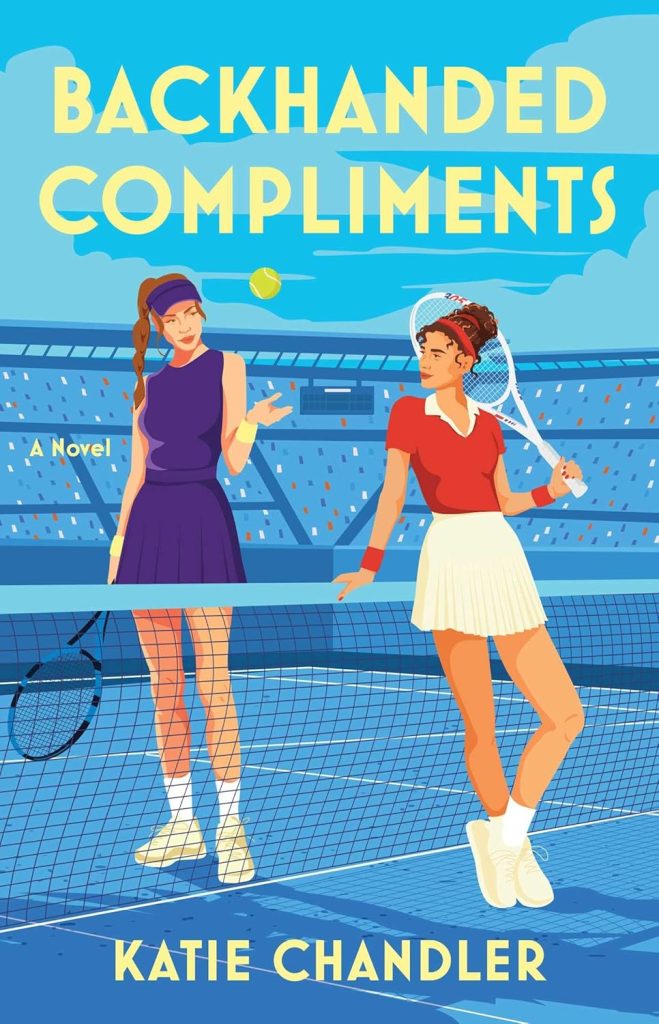
Katie: Subverting expectation is not at the top of my mind when I’m writing stories, especially just for the sake of subverting expectations. I wouldn’t consider it a subversion, but I do write stories that center and focus on queer joy, with Backhanded Compliments centering the sapphic experience and love between women. As an author, I enjoy exploring nuances with all types of characters; women, men, everyone in between, and not on any spectrum. For me, it’s less about decentering men, but rather centering all people and centering joy, regardless of identity.
Ellie: What’s beautiful about the romance genre is that there are plenty of fantastic love stories featuring all types of diverse couples, many of which don’t feature women at all! That said, in a world where women are often undervalued and heavily and detrimentally impacted by the whims of men, it makes perfect sense that stories centering around women exist. Particularly because these stories often depict what many women want: to have healthy, balanced relationships and to be valued, supported, and fulfilled in all aspects of their lives. This is the lens through which I write my own stories. Though they’re told in alternating chapter points of view between the leads, where both the woman and man have individual character arcs, their respect and admiration for their counterpart is a constant, central presence. Both characters hold the other in high regard and consistently evaluate how their individual decisions will impact the other and their life together.
2. When writing multiple romance books, it can be quite difficult to make every character and relationship distinct from the ones that came before. Do you have any tricks for making them all unique yet equally lovable to the reader?
Veronica: I am a bit odd when it comes to writing because it takes me a long time to mentally acquaint myself with the characters before I start writing. They need to feel like real people with wants and desires in my mind first, so I tend to daydream about characters for months in advance before their story makes its way onto the page. This helps me get a thorough understanding of who they are and find all their little quirks and what makes them special.
Martha: I think it’s important to dedicate a lot of time before writing to doing character work and really getting to know the character yourself beyond a simple archetype so that each one feels distinctive to the reader. If you know enough about the quirks and intricacies of a character’s personality, you won’t need to worry about them not feeling unique. This is also where the basic structure of romance comes into play: since it’s about the relationship between two people, rather than focusing solely on a single main character, you can really get to know the characters not just on their own merits, but in terms of how they relate to each other, and how that dynamic exists between them, which can help to make them feel distinct. Also, broadly speaking, I try not to write two books in a row with characters who have similar temperaments, so that they don’t run together for readers who read my books as they come out.
Laura: It definitely is tricky. I suppose I don’t think about it consciously, but when I’m writing a character, I want to know everything about them — even if it doesn’t make it onto the page. When that happens, I think there’s a natural distinction between your characters — no two real people are the same, so no two characters would be either.
Katie: The key for me as a writer is to create unique, interesting, and fully fleshed out characters that feel like real people, or else I’ll be bored with my own writing and stop before I ever finish it. And any of my critique partners and alpha readers will tell you that my drafts are famously only vibes and no plot, but full of character. So, all of my ideas start with the seedling of an idea for a character. There is a certain je ne sais quoi when I first imagine a character; they hold a shape in my mind, and I will know certain aspects of who they are. For example, Luca holds a soft shape. I knew she had a gentle and fragile heart, the whispers of anxiety coiling tight and squeezing in from all sides. Juliette, on the other hand, was a crackling flame, carved sharp by ambition, and desperate to be noticed and applauded.
I usually also have an idea of what they look like, how they talk, and how they feel about themselves. From there, it’s about building other aspects to create a unique and well-rounded person. This includes questions like: What is their family like? How did/do their parents/siblings/grandparents/kids shape them? What romantic relationships have they had? Friendships? What’s their attachment style?
On and on, it spirals until I have pages and pages of notes on how they would react to situations and how they think and feel. I don’t always reference these notes as I write, but having explored them in a stream-of-consciousness way gives me pathways while writing and an understanding of how they would behave. Which, then, informs how they interact with the other characters, and how those other characters interact with them, which might shift their perspective.
It’s a lot of moving parts, but some of this is instinctual and can be a little messy in early drafts, which is then honed with my editor and critique partners and many, many developmental edits. Once I know my characters, I can craft their relationships around that. Every character is different, so every relationship is different, and circumstances (aka plot) change those dynamics, and so even if I reuse my favorite tropes, they’ll be executed differently.
Ellie: It all comes down to thoughtful characterization. As in the non-fictional world, it’s near-impossible to find two people who are exactly alike. They all have backstories, trauma, and experiences that influence their view of the world and the way they make decisions. That means that an entirely different path to their happy ending unfolds on the page. It’s what makes writing (and reading) romance so exciting!
3. How do you go about balancing the emotional connection between the characters in a relationship with physical intimacy?
Veronica: I LOVE slow burns, and I am guilty of writing too many of them. I think one of the most recurrent themes in my books is that physical intimacy comes after a certain level of trust has been established between the characters. There might be attraction at first, but the characters must have a certain level of emotional connection before taking things to the next level.
Martha: Ultimately, I think that the physical intimacy in my books exists to serve the emotional connection; sex scenes don’t exist for their own sake, but to tell you something about the characters and their relationship to each other, and how it is changing and evolving. So the two things feel very intertwined to me, and like each supports the other. Each book is unique in terms of the pace of the development of that physical connection; most of my books are pretty slow-burning on that front, but there are a couple where the intimacy happens earlier (To Love and to Loathe, for example, is about a sort of sex bargain between the hero and heroine, so unsurprisingly that one gets steamier, earlier!). You just have to write each book in a way that suits the needs of the characters and their emotional arc.
Laura: For me, the parts of the book that feature physical intimacy are completely driven by emotional connection. The emotion comes first, and the physical intimacy is another facet of that — two sides of the same coin. I’d say it’s a really instinctive process, finding that balance. I’m definitely guided by the characters.
Katie: The truth is, once again, it all comes back to character. (Something something broken record!) I know I need to emotionally connect to my characters to feel as though the story is told effectively. And I know readers feel the same about books, especially romances! I often don’t balance this perfectly in my drafts, especially since I am more of a discovery writer and enjoy the exploration of how the characters in my head behave on paper.
In revisions, I focus more on story structure and ensuring the emotional connections are infused throughout the physical intimacy. Even if the characters are more physical, emotional connections are being formed, even if it is subconscious for them and subtextual for readers. The balance is less important to me than ensuring that the emotional beats feel earned and satisfying.
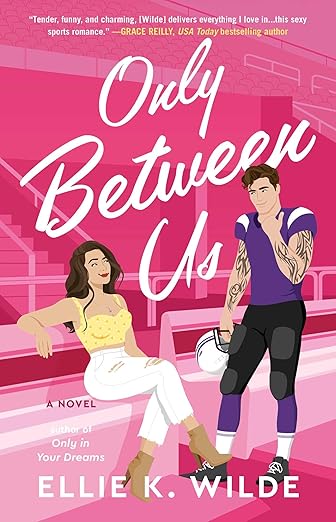
Ellie: In my own stories, physical intimacy goes hand-in-hand with emotional connection, regardless of whether it’s a kiss shared between past lovers (as in Only in Your Dreams) or a steamy scene between characters who distrust each other (as in Only Between Us). The physical intimacy inevitably causes a shift in their emotional connection and perception of the other, which influences the rest of the story. And any physical intimacy occurs at a point in the story that feels true to the characters and helps drive their particular relationship forward.
4. Do you ever feel pressure to write more steamy scenes, even when it doesn’t feel true to your characters or the story? If so, how do you manage staying authentic to your style and voice while meeting others’ expectations?
Veronica: Not really. I have books that are a little bit more steamy and some that don’t have any steam at all. I don’t think about it too much while writing the story. I just let the characters guide me, and when the time is right for them to do the deed, it happens. It becomes a bit more complicated after the book is done, and it’s time for marketing. I think because people have different expectations of steam levels, it’s very hard to put a label on it. At the start of my career, I was stressed over this. Now I don’t ever advertise the steam, even when it’s there. I want the story to speak for itself; the steam is just a little bonus.
Martha: I don’t worry about this too much; my books include on-page sex, but I wouldn’t say they’re particularly graphic by the standards of the genre, and I think readers of my work who have read several of my books by now more or less know what to expect on this front. Of course, it varies from book to book, in terms of how many steamy scenes there are, but I try to let the needs of the book and the characters guide me, rather than any perception of how many sex scenes I’m “supposed” to include.
Laura: Fortunately, I’ve never felt this pressure! I really love a steamy scene, but personally, I like there to be a narrative purpose to it too. I like it when a steamy scene tells us something about the characters or their relationship. I think those moments are really vulnerable and telling… as well as being very hot! I don’t really consider ‘what is the right amount of spice?’ when I’m writing, it’s more ‘how will this moment feel earned and truly satisfying?’
Katie: I find writing steamy scenes to be quite fun and enjoyable to write, so I rarely feel pressure to write them. Sex and physical intimacy are often a bit part of relationships. Even the lack of sex, or the choice not to have it, is important within real relationships, not just fictional. For me, it always comes back to the characters and what is authentic to them. Sex is a place where vulnerability blooms and allows characters (and real people) to be stripped down to their truest selves, both literally and metaphorically. Within my romance novels, this is where my characters feel safe being intimate, and I enjoy exploring how different characters feel about themselves and their partner/s before, during, and after sex. Plus, I won’t lie, I like to entertain, and sex scenes can be very entertaining (😉)!
However, if the characters call for it, physical intimacy might not fit my artistic vision for a future book. But luckily, and fingers crossed, this continues, I haven’t felt outside pressure to change the spice level of my books or add more spice! And ultimately, my main goal is emotional connection, whether obtained through physical intimacy or not!
Ellie: Not at all! I write what feels authentic to me and my characters.
5. How do you think romance books shape the way we view love and relationships? Do you ever feel obligated to model healthy relationships for your readers?
Veronica: My readers expect a certain level of craziness that comes with my stories. But there is one thing that all my books have in common — themes of acceptance, loyalty, unconditional love, and redemption. I don’t think romance novels should be a guide for real-life relationships, but that doesn’t mean there aren’t things we can learn from them and other forms of fiction. We can experiment with different scenarios and put our limits to the test in a safe space.
Martha: I actually think this is a really great and important thing about the genre! You hear so many stories of readers who started reading romance by stealing books from their mom’s or grandma’s bookshelves or nightstands when they were teenagers, and I love the idea that there are readers whose introduction to sex and relationships comes from these books, which is why I do try really hard to depict healthy relationships. I also try really hard to ensure that the power dynamics feel equal in my work (which is something that can be a bit trickier to manage in a historical romance), and it’s because I do feel a responsibility to show relationships that feel like equal partnerships — even in the 1800s!
Laura: Yes, I do. More so with my young adult books, where I feel like there’s a greater responsibility, but I guess in all the romances I write, I want to write about healthy relationships. For me, that comes down to the fact that I think a healthy relationship is the one that will last, so if I want readers to believe in the happily ever after I’m creating, then the relationship has to be built on that kind of foundation: respect, trust, and communication. And I also truly believe that all of those things can be hot and can create really swoony moments! In both Under Your Spell and Let’s Make a Scene, the male protagonists have had therapy and talk about it on the page, and I find that kind of emotional intelligence really sexy — I think a lot of readers do.
Katie: In my opinion, all books shape who we are as people. Learning shapes who we are, and books are a beautiful place to explore ideas and identities we may not have considered before. So, of course, romance shapes the way people view love and relationships. I believe romance books can show us healthy ways to communicate, to understand, and to accept love. There is a larger conversation about how certain books might influence and harm readers, but that’s a bit beyond the scope of this question.
For a book to be a romance, it must end in happily-ever-after or happy-for-now, and so in that sense, I am obligated to have the story end happily. To me, that isn’t an obligation because that is the type of story I want to tell at this point in my career. I don’t shy away from writing adults with nuanced personalities and lives. People are inherently flawed, so no relationship is perfect, but showing the navigation of how they move into healthier patterns is key. The relationships within my romance novels will be imperfect, but full of love, connection, and community. I take care to hopefully write a healthy relationship and write their development in a way that, yes, provides entertainment and escapism, but also gives hope for the reader, and shows them that they deserve to be loved, no matter who they are.
Ellie: I don’t feel obligated to do anything but depict a story that’s authentic to me and my characters! I think that romance readers — like readers of any other genre — will take away from a story whatever they need, whether it’s pure escapism or aspirations for their own relationships!
Bonus Questions
6. If the main character in your latest book made themselves a dating app profile, what would it look like?
Veronica: OMG. I’m thinking about The Wishing Game (my latest release) and the hero, Ze, has no idea about human technology, so I would imagine him making one just to get the attention of the heroine. Likely, the caption would be something like: This is only for the heroine. Swipe right if I deserve more bonus points. If anyone else swipes right, your soul will be destroyed by my sword.
Martha: Georgie, the heroine of And Then There Was The One, would 100% refuse to make herself a dating app profile, full stop. There is not enough money in the world. Sebastian, the hero, would meanwhile absolutely love dating apps and would have a profile featuring photos of him playing tennis, rowing crew, perhaps posing atop a horse in an expensive sweater, and wearing glasses while reading a book in an attempt to look intellectual. He would always message the women first, be exceedingly charming, and ask them out for a drink immediately — no ghosting, ever.

Laura: I know that neither of them would ever be on a dating app unless their friends put them on there as a joke (this is very possible, in Let’s Make a Scene, the prank war gets slightly out of hand!)
Katie: In Backhanded Compliments, the main characters could not be more different from each other in terms of looking for love! (Plus, with the soulmate aspect, I imagine dating profiles might look different! But for the sake of this question, let’s be within our world!) Luca is absolutely not making one after one disaster attempt in college. She’s like, “People I don’t know having access to me! No way!” She is also canonically a bad texter, so I don’t think she’d do well with forming connections that way.
Juliette is the complete opposite. As an amateur photographer, she would cultivate a curated aesthetic that gives both artistic and athletic, but also inherently sexy and more than a little slutty (affectionate). She’s on Raya because she is a professional tennis player and needs to have more of a barrier to access. Essentially, the core of her profile is simple: DTF 🦄
Ellie: From my latest release, Only Between Us, Siena’s profile would be as playful as she is. She’d use flirtatious, tongue-in-cheek pick-up lines and share pictures of herself on her favourite sailboat. I couldn’t imagine Brooks, the male lead, using a dating app at all — both because he’s a high-profile athlete who’s had terrible luck on the dating front, and because he only ever got around to creating an Instagram account (or three) to follow Siena!
7. What romcom movie is your favorite to binge? Has it inspired your writing at all?
Veronica: I don’t watch romcoms. I actually don’t really like watching romance movies. I prefer action/thriller ones over it, mostly because I like the romance to simmer and take time to develop, and I think movies in general don’t have enough runtime for that to happen. But Asian dramas? Bring it on! I’ve been a huge fan since 2010, and I think they have definitely inspired my writing, especially when it comes to the tension/longing, since Asian dramas are notorious for their slow-burn. My favorites are: Eternal Love, Someday or One Day, My Lovely Runner, Leh Lub Salub Rarng.
Martha: My favorite-ever romcom is actually an oldie (but goodie!): The Philadelphia Story. There are a few aspects of it that haven’t aged well, since it’s from 1940, but it’s so funny, and full of hijinks, and features the most incredible banter, which has absolutely been an inspiration for my writing.
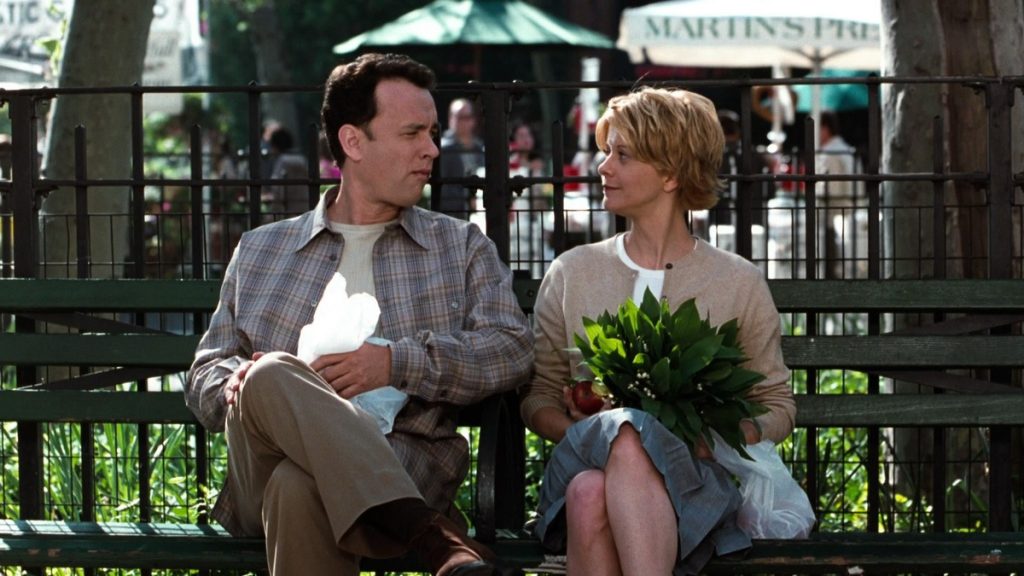
Laura: I love so many romcoms, and they ALL influence my writing constantly! I’d say You’ve Got Mail has to be up there at the top, and that one definitely inspired Let’s Make a Scene with its enemies-to-lovers vibe. Also, Sense and Sensibility and Pride and Prejudice! I’m a sucker for an Austen adaptation, and those films are exactly the sort of movie I imagined Jack and Cynthie were making in the book. All that yearning! I love it.
Katie: I’m more of a romdram girlie than a romcom, and we aren’t necessarily flush with queer romcoms, so I tend to prefer to read my romcoms. But here are a selection of my favorite romance movies, which are included by not limited to: Love Actually (the perfect Christmas movie), Pride & Prejudice (2005) (I did reference a hand flex within Backhanded Compliments), The Proposal (the publishing world lover in me was born from Sandra Bullock reading a manuscript on a stationary bike), 10 Things I Hate About You (one of my favorite Shakespeare retellings, true perfection), Romancing the Stone (an oldie but a goodie!), and But I’m a Cheerleader (a great queer romance as well as a coming of age movie!) Honorable mention because I can never resist mentioning her, but The Mummy (1999) is not only an excellently written, wonderfully thrilling, and beautifully shot movie, but cultivates such a vibrant and realistic romance.
Ellie: I’d happily watch any movie — romcom or not — with an exciting love story in it! If I had to choose one romcom, it might be How to Lose a Guy in 10 Days. The chemistry between the leads is through the roof, and the antics are always good for a laugh.
A huge thank you to these amazing authors for speaking with us! We have learned so much about their process for writing romances and are so excited to see what’s next for them!
Find Veronica Lancet here.
Find Martha Waters here.
Find Laura Wood here.
Find Katie Chandler here.
Find Ellie K. Wilde here.
Want to hear more from romance authors? Check out our 5×5 with male romance authors.
For romance book recommendations, browse our Love is in the Air: Contemporary Romance collection on Bookshop!