


















In this edition of our 5×5 series, we’re talking to male authors making their mark in the romance genre. While romance is dominated by female voices, these authors are demonstrating that love stories can be told by whoever when it comes to heartfelt storytelling, swoon-worthy moments, and deep emotional resonance. Each of them brings a unique perspective to the genre, crafting romances that explore love in all its forms — whether through slow-burning tension, heart-wrenching angst, or playful banter. Let’s meet the authors and discover how they’re shaping the romance genre.
The Authors
Robert Thier
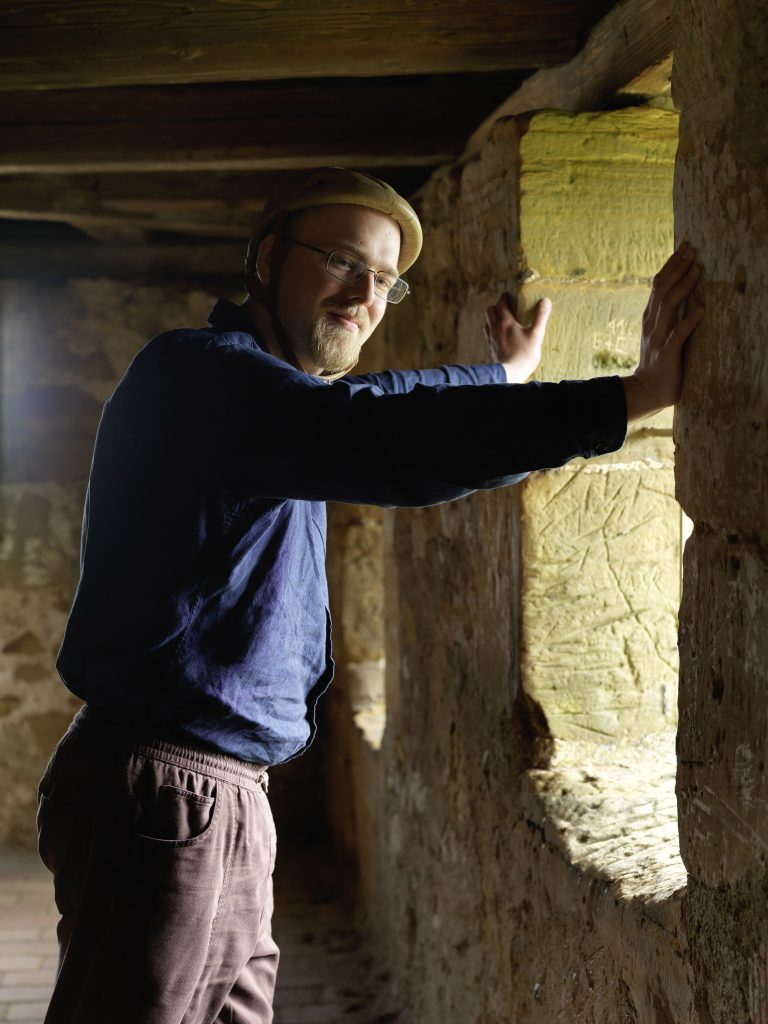
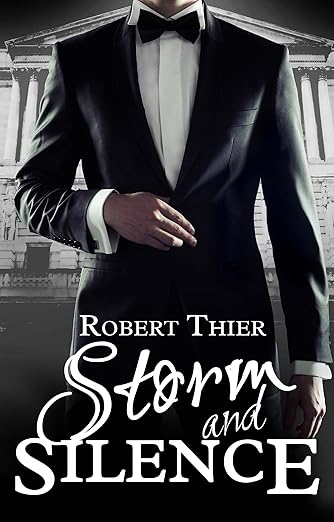
Robert Thier (pronounced like the tear trickling down the face of a tragic romance heroine) is a German writer and creator of the bestselling Storm and Silence series. His particular mix of historical fiction and romance, always with a good deal of humor, has gained him a diverse fanbase ranging from teenagers to retired grandmothers. His other works include the Robber Knight Saga and the WARNING! Fairy Tales series.
Philip William Stover
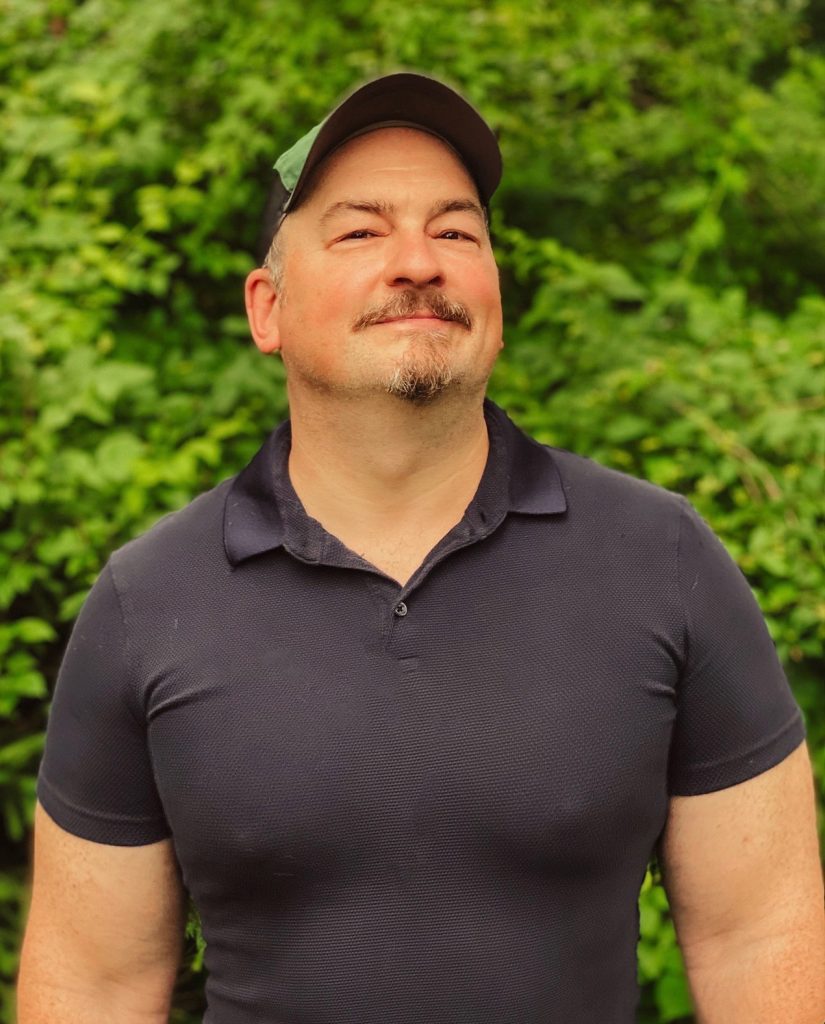
Philip William Stover lives in Bucks County, Pennsylvania, and New York City. He has an MFA in writing and is a clinical professor at New York University. He was the launch author for Harlequin’s Carina Adores line with his small-town romance series, Seasons of New Hope, and short-listed for The Vivian for There Galapagos My Heart. He grew up tearing the covers off the romance novels he devoured so he wouldn’t get teased at school. Now he enjoys traveling the world with his husband and would never consider defacing any of the books he loves.
Liam Livings
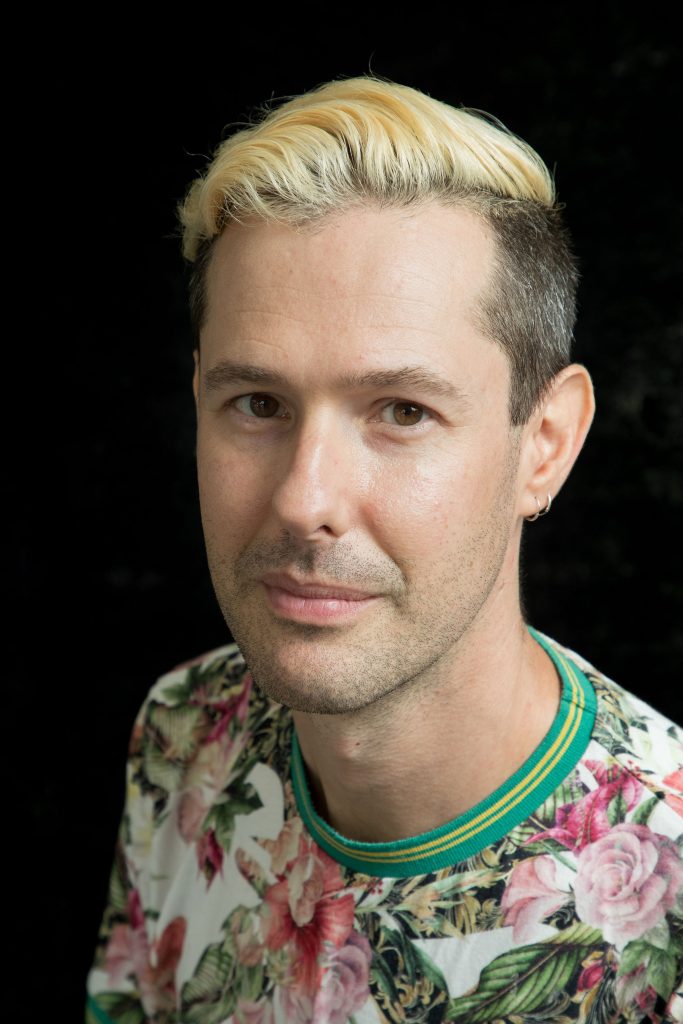
Liam Livings is an award-shortlisted gay romance novelist. His sweet-to-sensual stories have humor and guaranteed HEAs. As Charlie Lyndhurst, he writes crossover mainstream romantic fiction for Hera Books. He lives with his boyfriend and cats. He bakes to indulge his dangerously sweet tooth, admires unaffordable classic cars, and drinks pink wine with friends. His favorite sport — of which he’s a gold medal winner — is reading a romantic novel in a long hot bath.
Daryl Banner
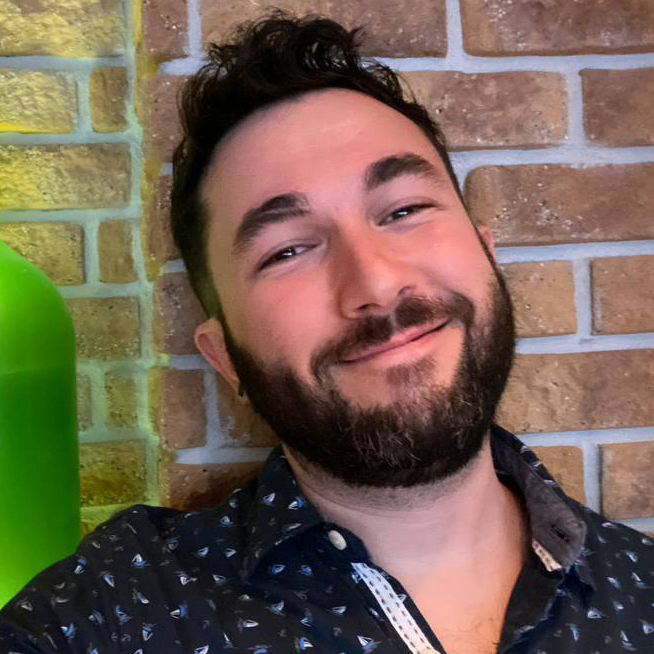
Daryl Banner is a USA Today Bestselling author, composer, and performer. He graduated magna cum laude from the University of Houston Honors College with a degree in Theatre and Psychology. He is happily married to his piano. Theory suggests this is why he writes romance.
A.J. Truman
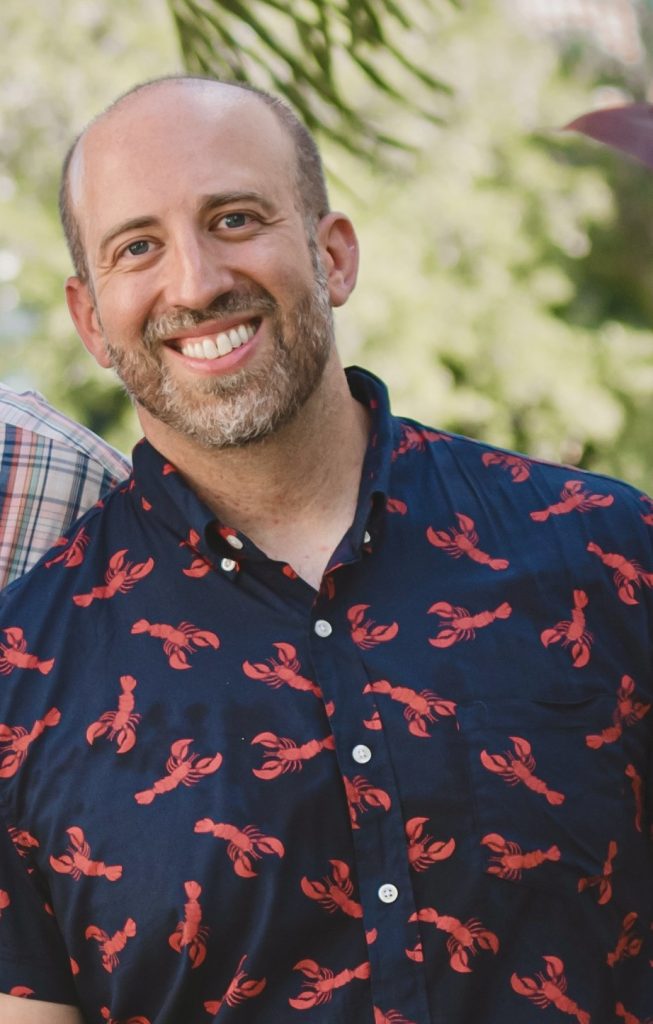
A.J. Truman is a gay man living in the middle of Indiana with his husband, son, and pets. He writes books with humor, heart, and hot guys. Think LOL meets DTF. He loves spending time with his family and occasionally sneaking off for an afternoon movie.
The Interview
What made you decide to write romance over the other genres?
Robert Thier: Well, to tell the truth, what I was always fascinated by and wanted to write about was history, myths, and legends. Unfortunately, as attested by my snoring classmates in my history class back in high school, not many people share my fascination. Hence, I asked myself — what DO people like to read about? Then I combined what many people want to read with what I want to write, and I must say, I’ve enjoyed the result immensely. Romance presented a challenge, precisely because it was the last thing I would have thought about writing if left to my own devices, and precisely because of this challenge my work as a writer has remained interesting over the years.
Philip William Stover: I grew up reading romance, but I was often bullied for it, so I tried to keep it hidden. I would go to the bookstore in our town, sneak over to the romance stacks, wait until no one was around, and quickly turn the books over and dash away. Then I’d return to read the blurbs thinking no one would know. When I was checking out, I’d say something like, “Oh, these are for my sister.” Sometimes I would hide the books inside “boy” books at school. I loved the stories so much. I was determined to read them and protect myself.
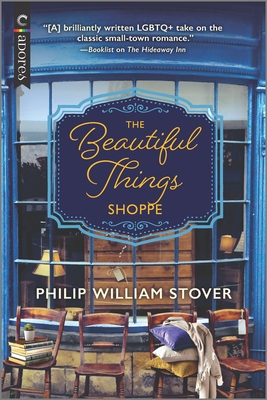
For many years I wrote tween books, mostly for girls with Simon & Schuster. At the time, there wasn’t a market for gay romance, and certainly not one for romances written by gay men. Then I saw a call for a new line of gay romances from Harlequin with Carina Adores. I was their launch author with my small-town romance series Seasons of New Hope and the first book in that series was The Hideaway Inn followed by The Beautiful Things Shoppe. These books came out during the height of the pandemic. Boxes of books sat unopened in stores because no one was there to unpack them. That was very hard. I hope people are finding their way to these books now because they had such a difficult birth and they are the most romance-y of my romances.
Liam Livings: I don’t think I consciously decided to write romance over other genres, it was a genre that I enjoyed reading and I am endlessly fascinated by people and their relationships. Therefore, romance or romantic fiction was a logical genre for me to write in. My first few stories aren’t actually romance, they are coming-of-age, gay fiction, such as my Kieran series or The Regiment of Majestic Gays which is an ensemble story, of gay friends, who’ve known each other since university, reaching their forties and sharing their pain and joy. But the majority of my stories are gay romance such as my Close Connections series which starts with Silver Daddy, Jingle Bells inspired by Pretty Woman, with a gay romance twist with a festive feel. Although I write what I know, which is often from the perspective of gay men falling in love, there are many ways to know something, other than from experiencing it first-hand.
Daryl Banner: My own crippling loneliness! Just kidding. Actually, maybe there’s some truth to that. It was in 2014 that I semi-spontaneously quit my day job at a movie theater to go on the road with a traveling musical. I had only written a couple of fantasy and sci-fi books at the time, which sold next to nothing, so my book “career” was certainly more of a hobby. And when the tour came to an unexpected end, I was lost, with zero income, and had no idea what to do. I didn’t want to return to the movie theater with my tail tucked, but it seemed like I would have no choice.
That’s about the time that an author (Madeline Sheehan) got a hold of one of my fantasy books, devoured it, and then asked the golden question: Why don’t you try writing romance? I hadn’t felt any connection to the genre at that time. But after suffering an epiphany that my daily life was full of unrequited love and loneliness and longing for my dream guy to fall into my lap (or crash into me like some kind of adorable rom-com meet/cute), I realized I had all the tools inside my head already to write romance. But most romance I knew (and all the romance my mom devoured on her Kindle daily) were straight.
So, the trick was to write romance from my own perspective as a gay man — with fleeting faith that anyone would actually read them, let alone enjoy them. I’m thinking now of Football Sundae, my first full-length gay romance and the start of my most popular series set in a fictional homophobia-free small Texas town called Spruce. Rather stunningly, 2015 proved to be a transformative and defining year for me, as I discovered many readers resonated with my stories, and before I knew it, I had begun my career as a romance author.
A.J. Truman: I grew up in the golden age of modern romantic comedies. Watching movies like My Best Friend’s Wedding and You’ve Got Mail over and over made the genre imprint itself on my DNA. I love the heightened world, the witty banter, the archetypes. When I decided to start writing books, I naturally gravitated to the romance genre.
When crafting your novel, how do you avoid typical romance clichés while still giving your readers the familiar emotional satisfaction they expect from romance? Or, do you lean into the clichés?
Robert Thier: Clichés are clichés for a reason. They are often connected to deep-seated parts of the human psyche. So, instead of avoiding clichés, I prefer to engage with them, only to give them a twist that (hopefully) nobody expects. In my experience, that tends to create an enjoyable read both for those who like a little cliché in their romance novels and those who do not.
Philip William Stover: I don’t think it comes into play while writing a book. I think about the characters and the circumstances. How would this person behave in this particular circumstance? I try to let the story come from that place. Of course, I want to meet reader expectations, but it turns out their expectations and my expectations are often very similar, so I don’t have to worry about avoiding or embracing clichés. All genres have tropes, repeating themes, and stock characters, from literary fiction to crime thrillers. Romance happens to be very upfront about them, but romance isn’t doing anything other genres aren’t.
Liam Livings: I don’t see them as clichés, I view them as genre expectations and building blocks to create a satisfying romance story. So, for example, a makeover scene, a couple kissing in the rain, the big apology with a rush across town to an airport and a public proposal, the meet-cute, and much more.
They’re not clichés; they’re why romance readers are voracious readers, they want to read those, again and again, the same, but different. And they’re definitely not cliché, as each of these different building blocks of a romance will vary so much depending on the characters, their conflicts, emotional wounds, and the setting of the story. Mistletoe Kisses deliberately, and in a slightly meta way, leans into all the clichés, especially the ones found in Christmas romantic films and books.
Daryl Banner: Little known fact: My background is actually in playwrighting and acting (one of my degrees is in Theatre) so I’ve always been a “character-first” kind of writer. Avoiding clichés and making interesting, unexpected character choices is what I strive to do in my stories. One of the most exciting things as an author is surprising my readers, especially in a genre where tropes clichés and plot formulas are so often used. I want to give my readers something they’re not used to and help them experience love unfolding in new and unexpected ways.
My book Raising Hell was read and loved by Colleen Hoover, as well as by BB Easton, author of 44 Chapters About 4 Men upon which Netflix’s Sex/Life was based. I’m proud of this book for being daring and defying clichés with a messy self-deprecating main character who may be tough to crack into at first but is definitely worth the dive. Lots of tears, feels, and inappropriate laughs in this one.
A.J. Truman: I lean into the clichés. They’re clichés for a reason. People love them! It’s those clichés that make romance a comfort genre for its readers. The familiarity gives them a sense of security, and they get to experience the highs those clichés bring. The key is bringing your personal flavor to clichés. Readers want fresh but familiar. I think of writing romance like writing a network television show. When people tune into an episode of Law & Order: Special Victims Unit, they want a fresh case but one that hits all the familiar beats and is filtered through the unique SVU voice.
As a male romance author writing in a female-dominated genre, how do you ensure that your portrayal of female characters and relationships resonate with a largely female audience?
Robert Thier: Lots and lots of reading. By now, I have probably read hundreds of romance stories from all kinds of sub-genres and eras. I must say, it has been enlightening. I count myself lucky that I enjoy reading as much as I do because, due to health reasons, I have to spend most of my time indoors, which does make it somewhat difficult to gather practical romance experience. However, I chose to see this as an opportunity rather than a problem, and thus often spend hours in a quiet corner, with a book in one hand and a warm cup of cocoa in the other, doing my “professional research.” But despite how much effort I put into it, I wouldn’t be where I am today without the countless bits of feedback from my awesome readers, who have helped me finetune and improve my writing in general, and my understanding of female characters in particular, over the years. Thank you!
Philip William Stover: Is it? I think a few years ago or more that would definitely have been true, but I think that has changed. The messages I get are from a mix of people and many, many gay men. I want all of my characters to feel authentic and resonate with readers.
In my latest book, My Mother’s Ridiculous Rules for Dating, a guy lets his mom be in charge of his dating life and the relationship between mother and son is as important as the romantic relationship. I drew upon my own relationship with my mother to help deepen their understanding of each other. Sometimes readers say the mother in that book is a bit over the top but if you had ever met my mother, you would know I actually toned it down. A lot!
Liam Livings: I don’t think about female characters differently from male characters; people are people. My female characters are developed in the same way as my male characters. My Charlie Lyndhurst novels include gay male characters, but there are more straight female characters and although I’ve received some 1-star comments, I’ve not received negative feedback about the female characters. There are many ways to be a woman (and a man) and I try to show that with my characters.
I always ensure characters are well-rounded, they have a back story that influences who they are. Being a straight woman isn’t a personality in and of itself. Similar to how being a gay man or a lesbian aren’t personalities.
Gay men, straight women, everyone, is so much more than one thing. In The Grooms Wore White, Harriet is homophobic, is dating an unsuitable man, has parental expectations that are crushing her, and is self-medicating against deep sadness. I could have written her as a posh, homophobic, spoiled daddy’s girl. But I think it’s more interesting for her to be neither completely good nor completely bad. Human beings are rarely totally one of those things. In The Cosy Cat Society, Mim appears to have a wealthy life of leisure, but she’s hiding a deep emotional wound, she’s also in a loving physical relationship, into her sixties, which isn’t often seen in fiction.
Daryl Banner: Well, with writing gay romance, you might imagine the majority of my readers are gay men, but in fact the majority are women. In fact, Read My Lips is the only straight romance I have out right now, featuring a female lead and a deaf male lead. But when I write a character, I approach them relatively the same, regardless of gender: What do they want? What are they willing to do to get it? What are their dreams? What do they eat for breakfast? Do they bite their nails when they’re anxious? It’s important to me that readers connect to my characters in a human, vulnerable, and open way, so that you feel you truly know and understand them, and hopefully root for their happiness.
“Read My Lips” – This is my only straight romance, with a female lead and a deaf male lead.
A.J. Truman: Since I write gay (M/M) romance, I typically don’t write about female relationships. When I write female characters, I try to make them fun. Humor is such a powerful tool for connection. It disarms and lets people in. I also try to show that they have a life outside the story, which makes them feel more three-dimensional. In Marshmallow Mountain (co-written with M.A. Wardell), Preeti, the best friend sidekick, is focused on mounting a comedy show to take her career to the next level. She has a whole project she’s working on in between doling out dating advice to the main character.
Has writing romance changed your understanding of relationships and storytelling?
Robert Thier: Absolutely. Mostly, it has made me understand that the two have little to do with each other. If real people with real relationships tried the kind of stuff done by the various main characters of romance novels, they would find themselves in jail faster than you could say “ButI’mAMainCharacter!” Yet, to a certain degree, that is the point of romance and all fiction in general: to be able to dive into a different world and experience things that, in reality, you wouldn’t be able to.
Philip William Stover: I grew up in a time when being a gay man meant certain doom. I never dreamed about getting married or having a family because that was impossible. Gay marriage, or as we call it in our home, marriage, is part of the fabric of our lives now. Of course, there have always been romantic same-sex relationships, but having the option of marriage makes it much easier to believe in happy endings.
Writing romance has taught me the importance of imagining happy endings for myself and for readers. I’ve been with my husband for many years, and while most romance books are about finding love, there is always a part of each relationship in each book that draws upon a dynamic of our long-term relationship. In our relationship, my husband tends to be the more romantic of us, believe it or not. Last Valentine’s Day, he surprised me by bringing me to the exact spot where we met many years ago — a gym in Chelsea. The gym no longer operates, but he made arrangements with the new business for us to have some quiet time and share a toast in the former gym space, now offices. I still have the roses he bought for me that day. I keep them in the butter compartment of the fridge, and they always make me smile.
Liam Livings: When I create characters I always give them an interesting emotional wound and backstory. I like to put characters together whose emotional wounds will ultimately work together well when they fall in love. Locking together like two Lego bricks. For example, in Silver Daddy, Jingle Bells, the rent boy has grown up with very little and yet is very confident about his sexuality; the older TV personality grew up with everything but is only now, in his forties, understanding he may be gay.
I love asking real-life couples how they met and it endlessly fascinates me how different real-life couples can appear to be, yet somehow they work together. For example, Say You’ll Be Mine has a fey pop star searching for love and a brooding muscular backing dancer who only does one-night stands.
Having read hundreds of category romances, I have a much clearer understanding of the building blocks of how to tell a story about two individuals overcoming emotional and plot-based obstacles, to be together. These building blocks could be seen as clichés, but as I describe above, they’re merely stages of a romance story. If you write a murder mystery where the mystery isn’t solved and the murderer isn’t revealed, readers of that genre will be dissatisfied. Romance readers are the same.
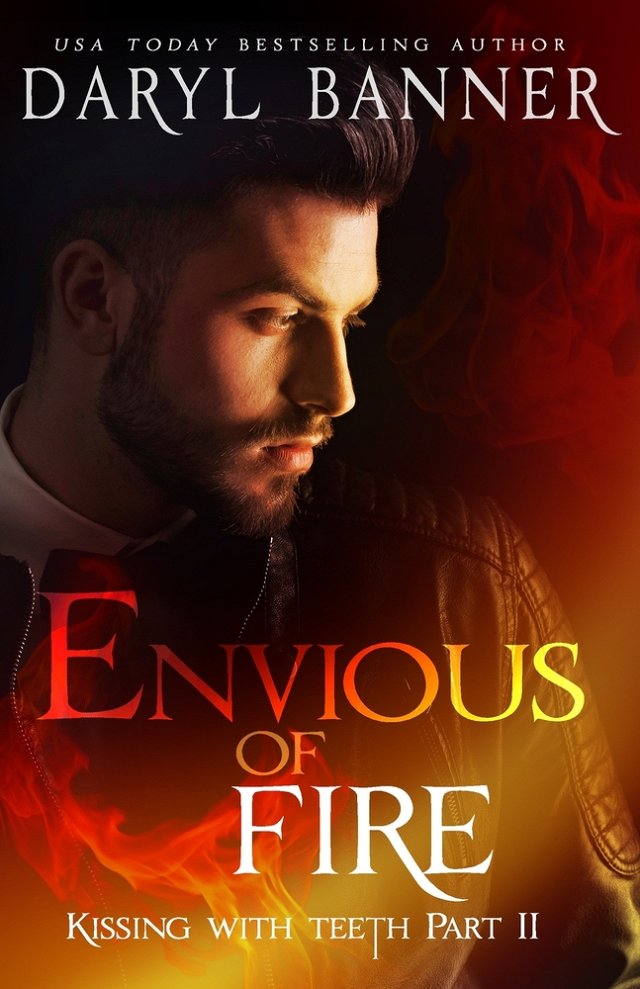
Daryl Banner: Life imitates art imitates life imitates art, right? Over the past ten years of writing romance, I have felt my understanding of real-life romance change and mature, but also my experiences in real life keep informing and evolving the way I write my romances. It’s difficult to say which is responsible for which. When I See You Again is a good example. The leads meet when they’re 5, and every chapter takes place 5 years later, spanning their lives. It was a very ambitious project and took me a few years to start, stop, and restart again, conceiving it.
But I can safely say that writing romance has been something like a therapeutic tool for me, to vicariously live the thrilling lives of these men falling in love with each other, experiencing their vulnerabilities, their comical disasters in love, their redeeming passions in the end, and then for me to experience how readers react to them as well. I feel significantly less alone in my life while writing romance.
A.J. Truman: The biggest relationship that writing romance has shaped for me is with my readers. Writing romance has helped me realize the power of meeting reader expectations. Readers come to romance, as they do any genre of fiction, for certain reasons. They’re subconsciously looking for certain things in their story. As an author, it’s my job to figure out what they want and deliver while also finding joy in the writing process for myself. The best books are ones that bring the author and the reader joy.
What advice would you give to male authors to foster a greater understanding of the romance genre?
Robert Thier: Perhaps disable the part of your brain that insists on permanent logical thinking? Judging from what I’ve seen in romance stories, that’s what seems to happen to fictional characters who fall in love, and getting yourself into the proper mindset will be of great help to empathize with your characters. The point of a romance is not thinking logically but feeling something deep inside, and no matter what kind of intricate plot you construct, it won’t help if it does not tug at your readers’ heartstrings.
Philip William Stover: Gay romance has a ton of variety in terms of the types of stories. I write what I call “kiki lit” — chick lit with gay leads. I write stories about becoming yourself and the power of loving yourself because that journey has been such a personal struggle. My books contain a romantic element but in something like The Problem with Perfect about a twin who has to take over his brother’s lifestyle TV show and the ambitious producer who falls for the wrong brother, the story is more about finding your way in the world and how a romantic partner can help you do that.
The idea that romance is going to be just a “kissing book” is outdated. Gay men want books that explore their role in the world. I try to find the fine line between showing how being gay informs who I am in the world and how being gay sometimes has nothing to do with it. I promise in my books gay men will recognize themselves and their friends. If there is one thing I am an expert on, it’s being gay, and also Patti LuPone and guacamole — those three things.
Liam Livings: Many people, not just men, are dismissive of romance. This is often without reading a single story, and simply based on the book covers, or an outdated view from a relative who read them decades ago. If anyone wants to understand romance, read it, read a lot of it. Watch all the romantic films too. Read category romances, where the main story, is the romance. There is a concentrated skill in telling a whole, emotional, uplifting story, in 50,000 words.
Write whatever you want to write. But don’t think you can “subvert” the romance genre by not ending your story optimistically. An optimistic ending and the story being about two people overcoming obstacles to be together are the two compulsory elements of a romance. If your story about a couple’s relationship doesn’t end optimistically, it’s a love story. All romances are love stories, but not all love stories are romances.
Daryl Banner: Assuming the hypothetical male author hasn’t written romance before, I’d say one of the most important tools you can wield when telling stories is honesty. Being self-aware of your identity as an author and sensing where a reader’s head might be at each point in the story is paramount to maintaining a connection with your characters. Be brave and look at your story and your characters honestly, leave every door open, try your craziest ideas, know when to edit back or pivot, and just “listen” to what your characters are telling you. So much of romance is feeling and tension (usually the good kind) so try your best to trust your instincts and not overthink.
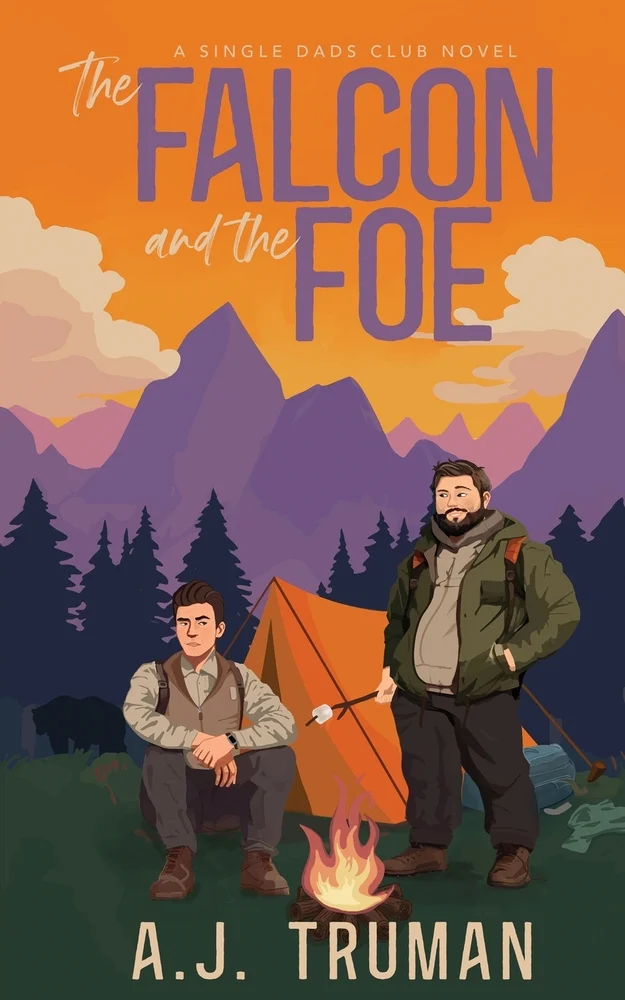
A.J. Truman: First and foremost: read in the genre. See what readers are looking for in terms of characters and story beats. Think about that TV show analogy I gave earlier: make it fresh but familiar. Also, don’t be afraid to bring your flavor to romance. I used to worry that readers wouldn’t like my offbeat sense of humor, but trying to write a book without being funny was torture. So I let my freak flag fly. And my books’ humor is something regularly mentioned as a favorite of readers.
Bonus Questions
Was there a particular romance author who inspired you to dive into romance writing?
Robert Thier: I can’t say there was a romance author who inspired me in that regard, because instead of seeing writing romances as an aspiration, I’ve always viewed it more as an unexplored mountain range to overcome: rather daunting to begin with, but immensely satisfying once you’ve done it. However, if you mean the first romance author whose work I dived into on my journey into the unknown, that would be Stephenie Meyer. One of my female relatives was into Twilight at the time I was looking for a romance novel to try out to see what romance writing is all about. So I got a copy of the book and, well… I was a teenage boy in high school at the time, who had never read anything but fantasy and adventure novels. Suffice to say, it was quite the culture shock — a truly unforgettable start to my journey into romance writing.
Philip William Stover: Two writers have had an impact on my writing. The first is Olivia Goldsmith for very personal reasons. The other is Fannie Flagg who writes beautiful small-town stories about all types of people.

Liam Livings: As a teenager, I’d read stories with gay main characters that would often end sadly. I longed to read a mirror book, reflecting someone similar to myself, with a happy ending. My friends Clare London and Sue Brown introduced me to the joy of male/male (m/m) romance. I also read lots of romantic fiction by Joanna Trollope, Marian Keyes, Penny Vincenzi, and Jacky Collins, and loved to read books, that showed me a window into a world different from my own. My Charlie Lyndhurst books similarly explore multiple characters, and relationships, often with a romantic thread or two.
Daryl Banner: Madeline Sheehan posed the question to me of why I hadn’t tried my hand at romance, which ultimately led me down a path toward it. I was also inspired by Chelsea Camaron, who invited me to write a short story for an anthology series, which literally focused me into writing my first romantic story (which at the time almost felt like writing a one-act play, as my story was literally one continuous scene). The two of them also gave me tons of advice about approaching the romance genre. Later on, I was lucky to (by way of circumstance and luck) become editor to #1 Amazon bestselling author Sabrina Paige, who shared so much of her own wisdom with me and helped me pivot in the romance genre when I hit a frustrating dry patch. Sabrina Paige was also the author who, after seeing the success of my book Hard For My Boss, pushed me to write my next one, Bromosexual, which turned out to be my first book to reach the top 100 overall on Amazon. I owe so much to so many authors who helped keep me motivated and on the right track.
A.J. Truman: I’d wanted to write a gay romance set in college that reminded me of the WB shows I used to watch (Felicity, Dawson’s Creek). Being newly out in college is a very unique experience for gay people as we didn’t have the benefit to experiment and explore in high school. I wasn’t sure if anyone would want to read a book like this. But then I found Social Skills by Sara Alva, a wonderful gay college romance. It was like proof of concept. It showed me that books like mine could find an audience.
Which romance trope(s) do you prefer? Why do you gravitate towards the trope(s)?
Robert Thier: Well, the fact that my most successful series is about the romance between a billionaire businessman and his secretary should give you a hint about one of my favorites. As for another, it’s quite easily apparent from how the heroine and hero in my books tend to go from being at each other’s throats to being in each other’s arms. I like stories with clashing contrasts, about protagonists with grit and determination. Stories that whisk you away into a world where hot meets cold, light confronts the dark and Cinderella gets her prince, even if she has to knock out her stepmother to get there.

Philip William Stover: I love an opposites attract romance. The Beautiful Things Shoppe is about a fine arts antique dealer and a collector of vintage kitsch who has to share a tiny store in downtown New Hope, Pennsylvania. My husband is a minimalist and I can’t have enough floral prints in my life, so that book was easy to write.
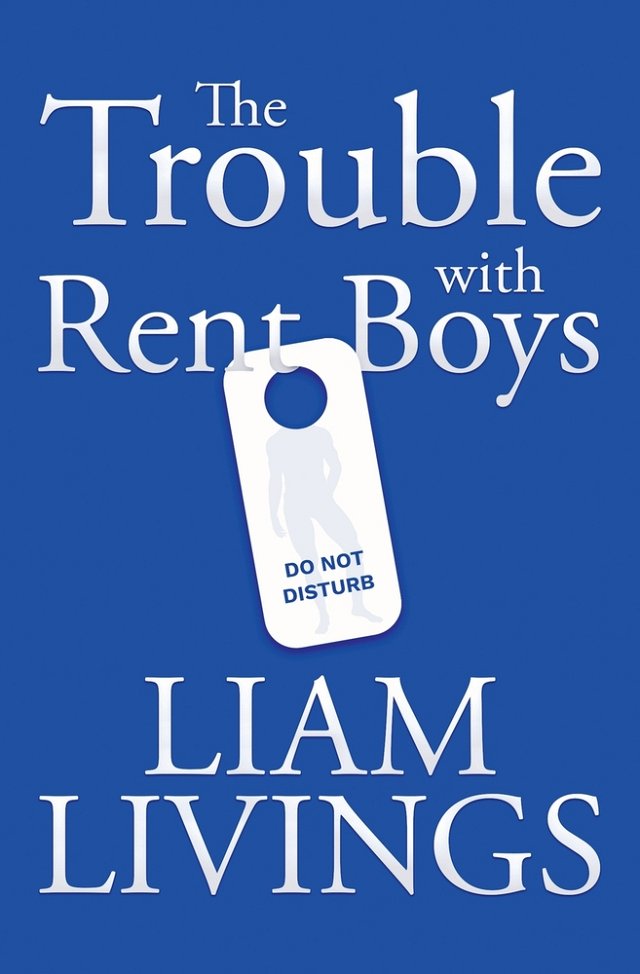
Liam Livings: I have a few hard yes tropes to read and some of these I like to write too: opposites attract, rent boy, out for you, friends to lovers, royalty, office/workplace romance, manual workers, cowboys, celebrity, beta hero. I gravitate towards them because I find them interesting and entertaining.
How do two people who look so different become lovers? How can two people who’ve been friends shift gears into a sexual relationship? Bear Best Friend explores this. Cowboys — basically rugged masculinity, difficult terrain, and if their heart melts at the sight of a strong-willed, buttoned-up, indoorsy partner, then I am very much here for it. I have gay friends who married women, had a family, and then in their thirties met a man and fell in love with them. That sort of complexity, and how someone’s identity isn’t always as clear as it appears, really fascinates me, so I’ve written quite a few “out for you” stories including I Should Be So Lucky
Manual workers — raw masculinity I suppose. Celebrity — I love a reality TV show; I love a gossip magazine. I particularly love celebrity with a non-celebrity partner for the opposites attract, and contrast. A beta hero, I am very much here for. A strong man who’s got a soft inside, who does all the sweet romantic things for his partner.
Daryl Banner: I’m not really a trope writer since I never stick to a formula, but I think my sweet spot is rom-com (in some form or another) because I just love hilarious meet/cutes and how quickly they can twist two lovestruck people together, and the rom-com genre can incorporate so many tropes — enemies-to-lovers, fake boyfriends, secret relationships, or any combination of them. I just love readers to feel the sparks, enjoy laughs along the way, get worked up in the steamy moments, and be left with something memorable and meaningful in the end.
A.J. Truman: I love enemies to lovers so much. My favorite thing to write is dialogue, and there’s nothing better than characters lobbing sharp, hate-soaked, hilarious barbs at each other. Those scenes where the one main character discovers that the other main character isn’t the completely heinous person they thought always make me smile. And then of course the hate sex is glorious to write, too!
A heartfelt thank you to the five featured authors for sharing their insights and passion for romance with us! Their dedication to crafting heartfelt, swoon-worthy stories proves that love knows no boundaries — on or off the page. By bringing insightful perspectives to the genre, they are exploring the landscape of romance, making it richer and more dynamic for readers everywhere.
Find Robert Thier here.
Find Philip William Stover here.
Find Liam Livings here.
Find Daryl Banner here.
Find A.J. Truman here.
Check out our 5×5 article about Korean American authors here.
Check out our book recommendations on Bookshop here.
