


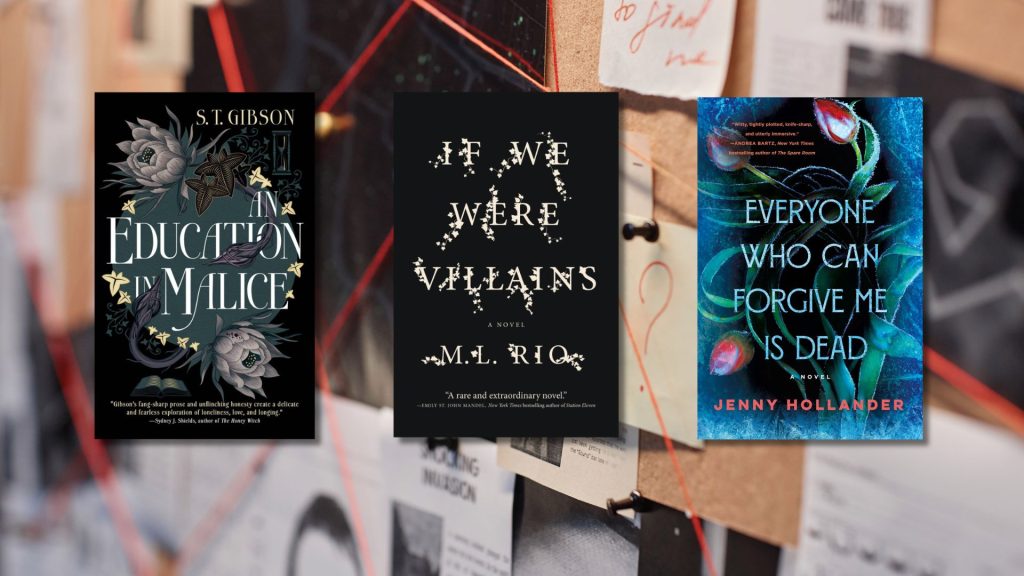

The national average of book challenges and bannings per year brought to the attention of the American Library Association from 2001-2020 was 273. In 2024, this average increased tenfold with 2,452 books. The big shift in these figures came after the pandemic. Before 2020, books being challenged or banned typically came from a single parent aiming to remove or restrict access to a book their child was reading that they did not agree with. However, recent censorship data reveals that the rise in library book and resource challenges is the result of organized movements campaigning to remove books centering on race, history, gender identity, sexuality, and reproductive health. Around 72% of censorship attempts in 2024 were instigated by pressure groups and elected officials who have been swayed by them. Multi-title challenges were critically expansive in 2024 with attempts to cut off books and resources to entire communities; 55% of these occurrences were at public libraries, 38% at school libraries, 5% at schools, and 2% at higher education institutes.
Alarms ring out from libraries and educational institutions across the US as the Trump administration has begun actively censoring various books and educational resources. Particularly those that highlight, or aid, LGBTQIA+ communities and those deemed as DEI “propaganda” (essentially any resources that recount racial atrocities, injustices, and prejudices throughout history carried out by the United States). As the Department of Education is on the brink of disbandment, schools are being threatened with loss of funding if they continue to educate with “illegal”, as deemed by the administration, DEI curricula. Despite the overwhelming and disheartening fight for information that lay ahead, across the United States, libraries, book publishers, higher education groups, and cities as a whole have stood tall against the widespread censorship infecting American soil.
Librarians Challenging Censorship
Libraries across the United States are actively fighting censorship by advocating for citizens’ rights to intellectual freedom and challenging mass book bans. Resources like the American Library Association, United Against Book Bans, PEN America, and more are countering censorship the best way possible: by providing information to the public. Detailing new policies, tracking yearly statistics on bannings and who initiates them, promoting books that have been silenced, and highlighting the voices targeted by various laws, Library associations are fighting back against mass censorship.

A stunning and poignant documentary by Kim A. Snyder entitled The Librarians captures the heroics of US librarians as they fight against mass book bannings and a targeted culture war waged by right-wingers in various US states. The filming took place shortly after Texas House Representative Matt Krause released a list of 850 books that libraries should remove based on “obscene”, “pornographic”, “race-related” content, and books containing positive attitudes towards LGBTQIA+, with a whopping 60% of the books being pushed to be banned falling in this category. Synder emphasizes the small acts of local heroes that go unnoticed and uncelebrated. We see local school board meetings where librarians, students, teachers, and parents vehemently defend freedom of speech, and we see the reality of well-organized and funded campaigns, such as Moms for Liberty, which not only condemn various books but also the librarians themselves.

Not only were some of these librarians the target of hate, they also lost their jobs, were doxxed and targeted by censorship fanatics, and were on the receiving end of attempts to file criminal charges. The documentary bravely compares the current climate of book bannings in the US to McCarthyism. It showcases the administrative fight local librarians wage every day with hardly any appreciation or recognition. After losing her job as a librarian in Llano County, Texas, following her refusal to hide an edition of “Critical Race Theory” behind the library desk, making it available only upon specific request, Suzette Baker is suing her county. Her lawsuit claims that she was fired so the county could discriminate against protected groups. Baker offers a profound recounting of her experience and the attempts at censorship as a whole:
“Libraries are neutral spaces. And they should be protected as that neutral space. There’s no protections for them (…) We need a free library, a library of everything, a library that reflects the good, the bad and the ugly.”
– Suzette Baker
For those who find the cries of censorship alarmist, consider the recent US Army and Air Force libraries that were ordered to comb through their collections for books related to DEI, gender ideology, and critical race theory and purge them from their shelves. Books on the history of feminism, the Holocaust, Civil Rights, and racism, including I Know Why the Caged Bird Sings, were among the 381 titles discarded from the US Naval Academy’s Nimitz Library. Interestingly, with the mass removal of DEI books and policies in the name of “equality”, white supremacist books were not among the books removed or flagged in US Army and Air Force Libraries.
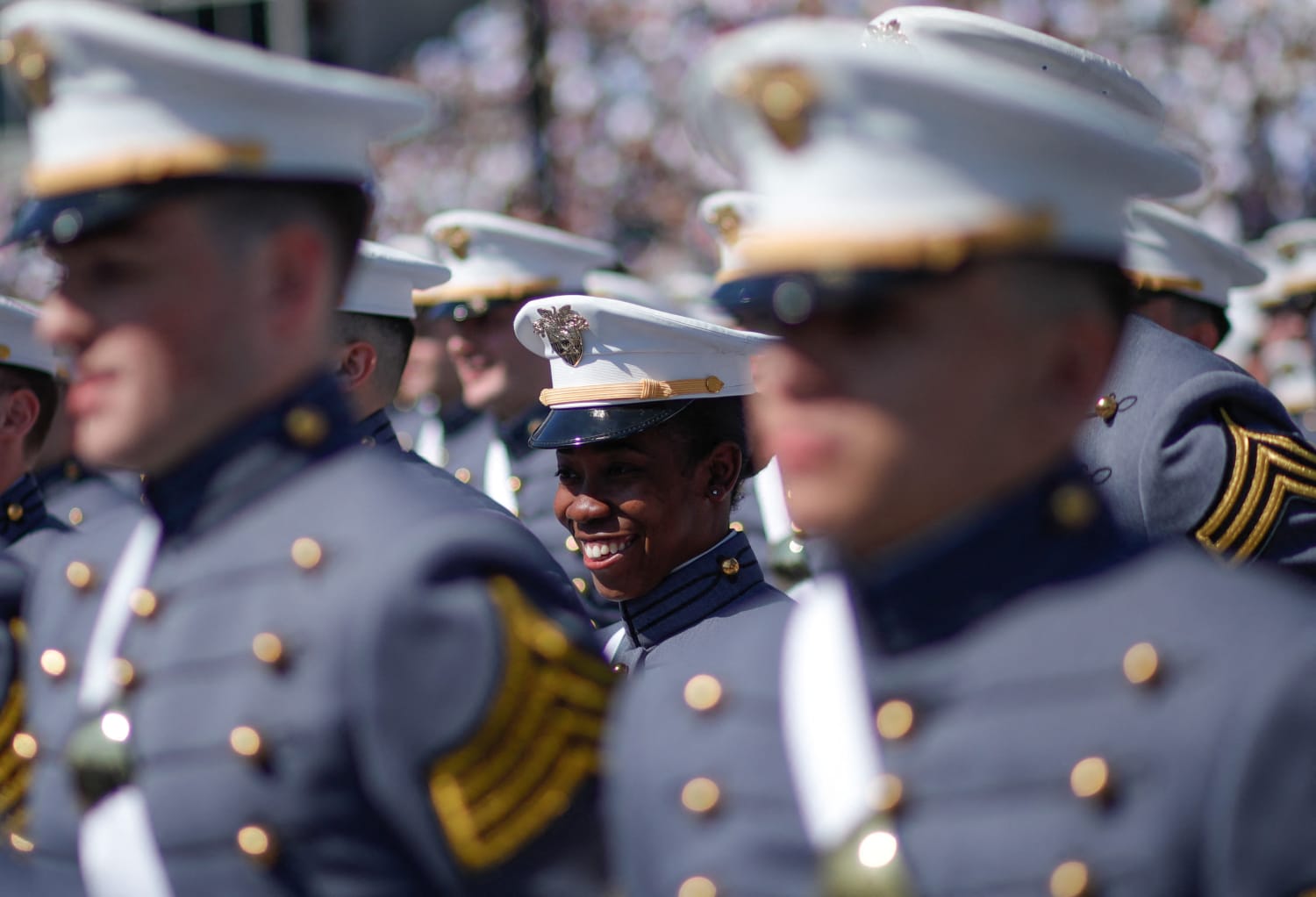
Well, those condemning white supremacy were removed, such as The Second Coming of the KKK: The Ku Klux Klan of the 1920s and the American Political Tradition by Linda Gordon, and Police Violence and Race: The Effects of Racial Focusing Events on Attitudes About Race Relations. Mein Kampf by Adolf Hitler still remains on the shelves, as does The Camp of the Saints by Jean Raspail, a novel envisioning the takeover of the Western world by immigrants from developing countries, as well as The Bell Curve, a text arguing that Black men and women are genetically intellectually inferior. However, a critique of this racist and absurd text has been removed from the shelves.
The Big 5 Fighting Back Against Bannings
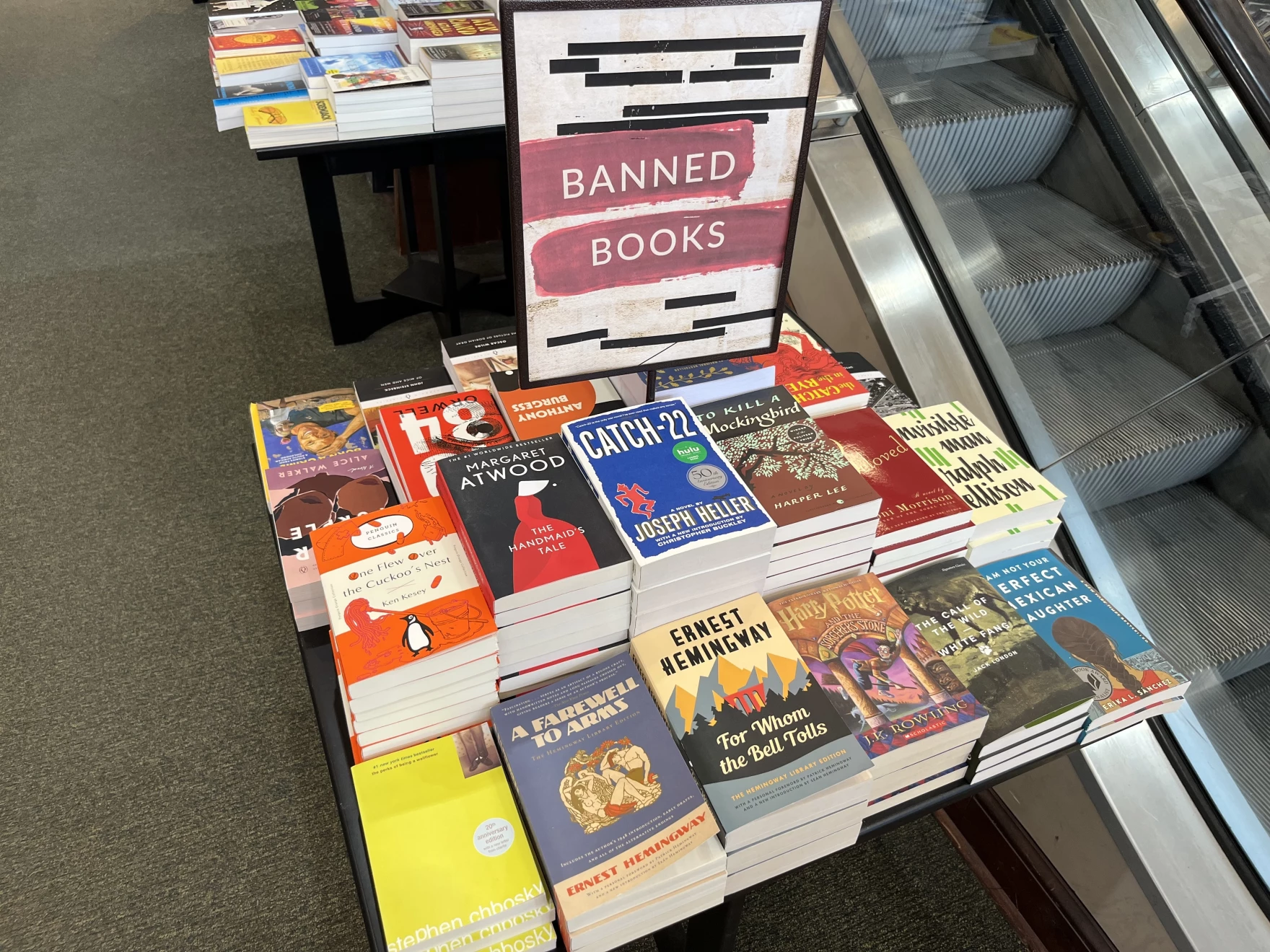
The biggest publishers in the United States, known as “The Big Five”, are banding together to fight an Iowa state law banning certain books in schools and restricting teachings on gender identity and sexual orientation. The law, SF 496, was signed last year by Iowa Republican Gov. Kim Reynolds and requires K-12 school libraries to only carry books that have been deemed age-appropriate and restricts access to any book with descriptions, written or visual, of a “sex act”. Many believe this law is a veiled attempt to remove literature depicting LGBTQIA+ perspectives and relationships. Hachette Book Group, HarperCollins Publishers, Macmillan Publishers, Simon & Schuster, and Penguin Random House released a joint statement:
“We as publishers are uniting in our unwavering commitment to stand with educators, librarians, students, authors, and readers against the unconstitutional censorship measures being imposed by the state of Iowa. The alarming rise of book bans across the country demands our collective action. Now, more than ever, we must stand firmly with our authors and readers to defend the fundamental right to read and the freedom of expression.”
-The Big Five, Joint Statement
The Big Five are joined in their lawsuit by best-selling authors, Iowa state teachers, a student, and the Iowa State Education Association. Their lawsuit argues that SF 496 strips students of the opportunity to learn from literature that portrays vital aspects of the human experience and discriminates against LGBTQIA+ perspectives and authors. Furthermore, the suit also highlights the erasure of LGBTQIA+ culture and students within public schools.
Higher Education Lawsuits and Condemnation
Harvard University has filed a lawsuit against the Trump administration, arguing that they are attempting to garner control of academic decision-making at the University. After a threat to review Harvard’s eligibility for their $9 billion worth of educational grants following their refusal to comply with new educational demands via the Trump administration, including an official overseer to ensure the university isn’t teaching “diverse” viewpoints, Harvard has had enough. The lawsuit comes on the heels of the Trump administration’s attempts to silence student activism regarding the war in Gaza at numerous Ivy League universities. Painted as anti-American, these protests have made the institutions a target for Trump’s economic blackmail, as they are labeled “antisemitic” for allowing students to advocate for the Palestinian people.
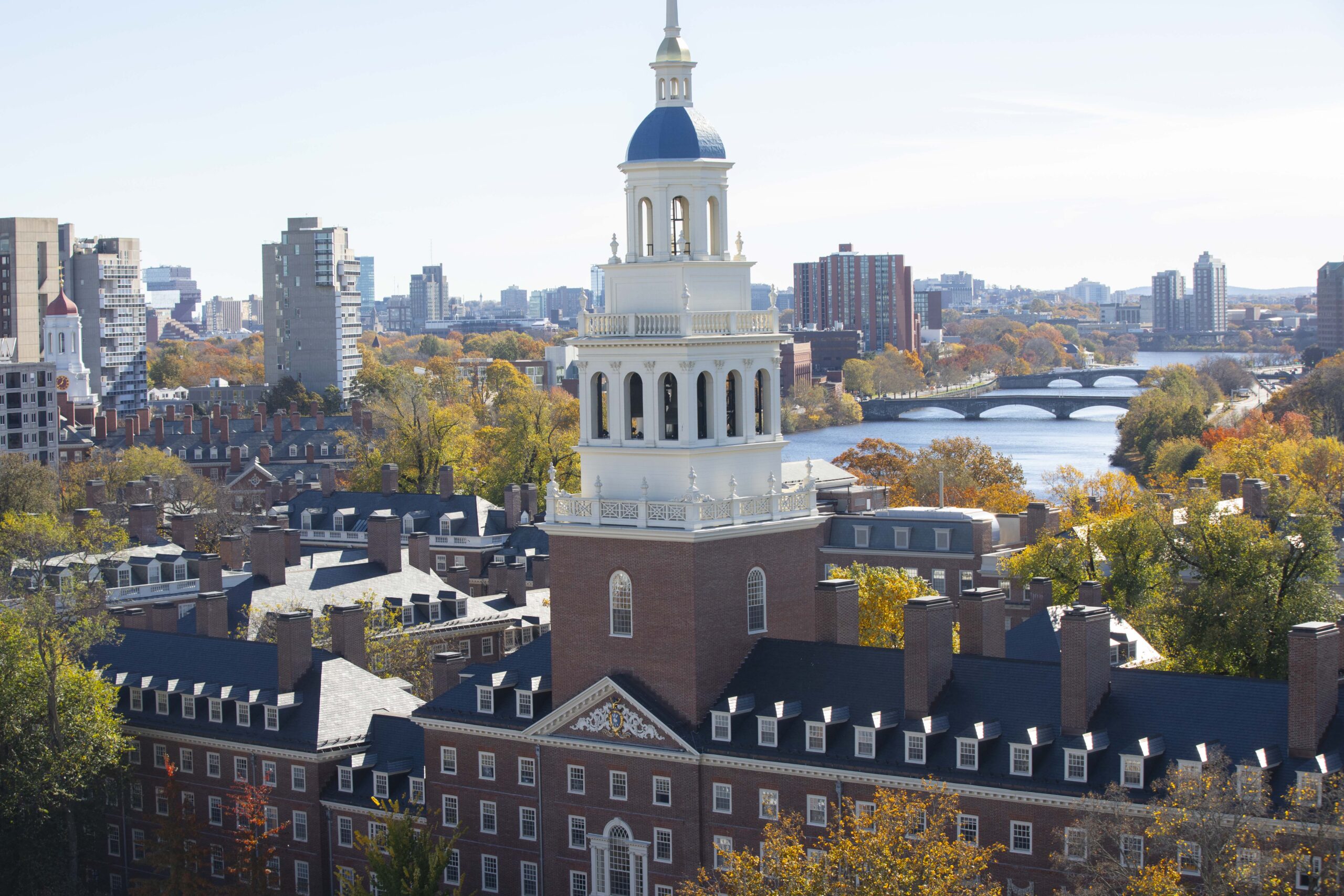
Harvard’s president, Alan Garber, wrote in his letter announcing Harvard’s decision to refuse the Trump administration’s threats:
“No government – regardless of which party is in power – should dictate what private universities can teach, whom they can admit and hire, and which areas of study and inquiry they can pursue (…) The government has, in addition to the initial freeze of $2.2bn in funding, considered taking steps to freeze an additional $1bn in grants, initiated numerous investigations of Harvard’s operations, threatened the education of international students, and announced that it is considering a revocation of Harvard’s 501(c)(3) tax-exempt status (…) These actions have stark real-life consequences for patients, students, faculty, staff, researchers, and the standing of American higher education in the world.”
– Alan Garber
A day after Garber’s letter was released to the public, 220, and counting, academic leaders have co-signed a letter, on April 22nd, condemning the Trump administration’s efforts to control the teachings and policies of private higher education institutions in exchange for federal funding. After pausing billions of dollars in federal grants to the most prestigious universities in the country as a means of cornering them into altering their admissions processes and punishing student protestors over the past several weeks, the US academic leaders have labeled the Trump administration’s acts as “coercive” and “unprecedented government overreach and political interference” which is now “endangering American higher education”.

A White House Spokesperson, Harrison Fields, argued that the Trump administration is “standing up for equality and fairness and will not be swayed by worthless letters by overpaid blowhards.” These “blowhards” are the leaders of our colleges, universities, and scholarly societies, and they are alerting the public to an unprecedented danger in our education system and the overwhelming attempts of censorship coming from our government.
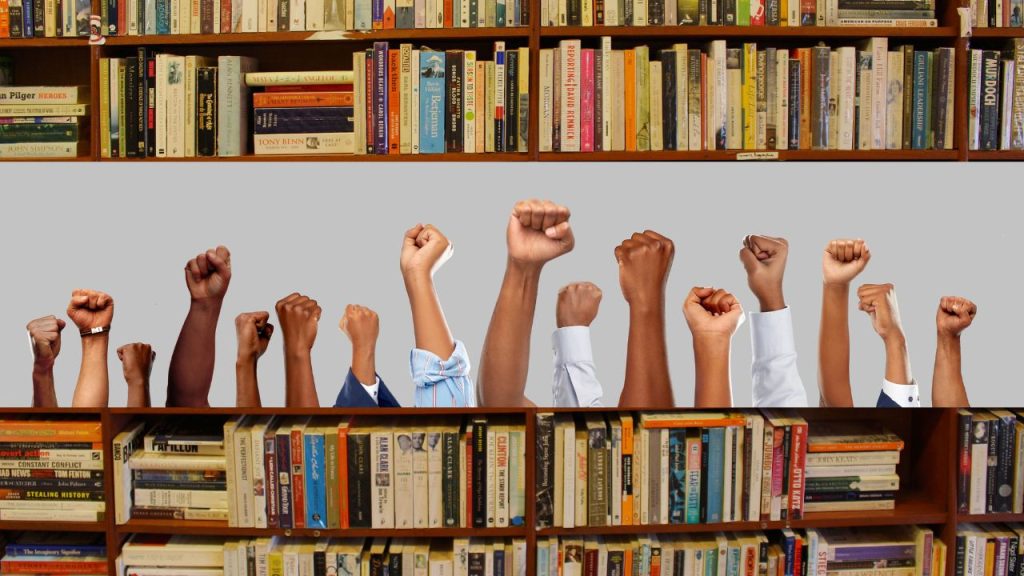
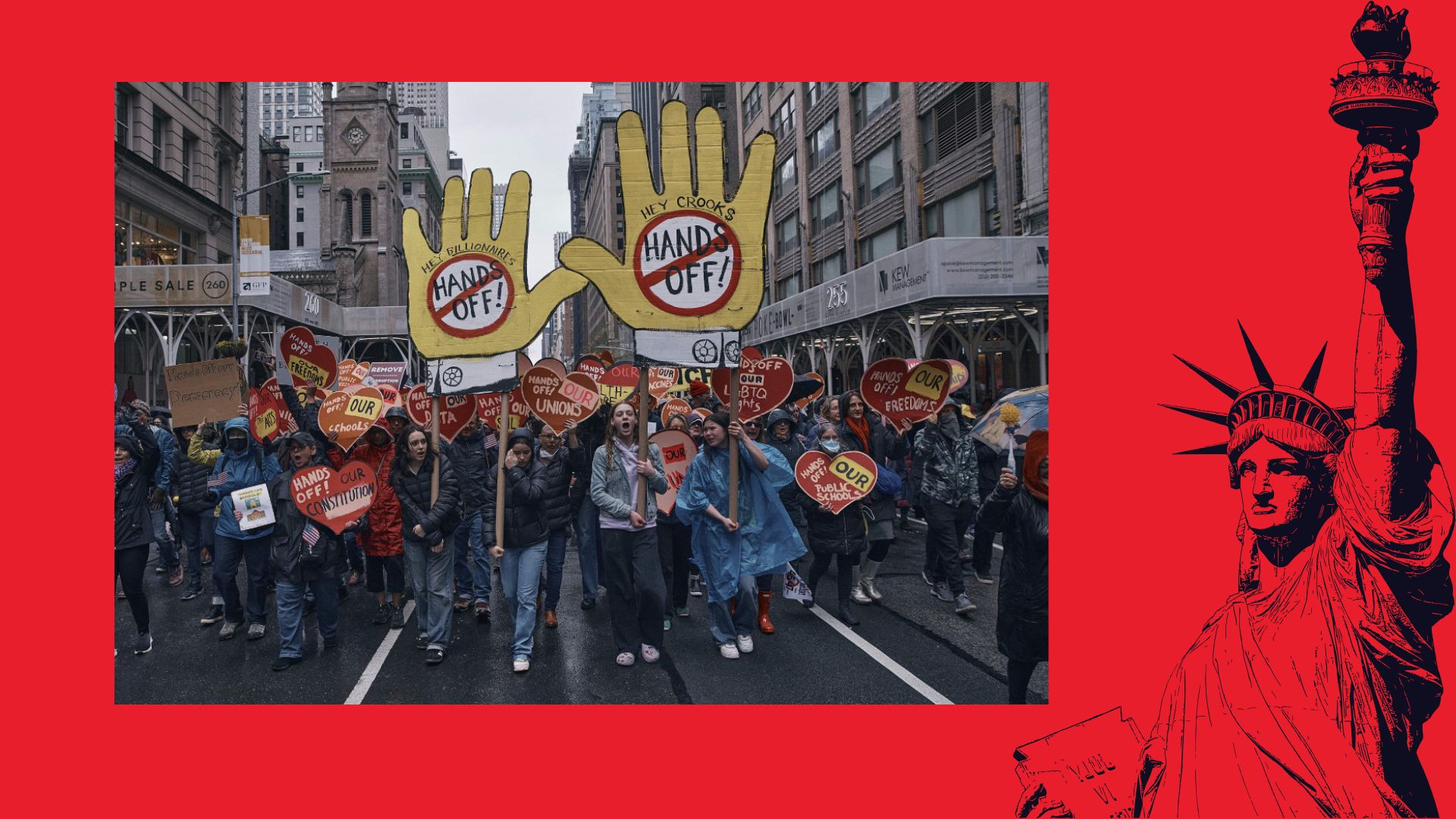
“Hands Off” protests against the Trump administration’s various policies, perspectives, actions, and agendas have been widespread across the United States and internationally in London, Paris, and Berlin. Citizens banded together to voice their discontent with the current administration; there was a massive influx of protestors with signs condemning Trump’s educational policies, his witch hunt against DEI initiatives and LGBTQIA+ groups, and the frightening battle for information that the political climate has situated the American public in.
Book bannings, controlling educational systems’ curricula, and a fragrant agenda to silence the voices of habitually mistreated groups, the access to information in the United States is becoming more and more precarious. But precarious doesn’t mean hopeless. There are hundreds of thousands of everyday citizens, librarians, authors, educators, schools, and cities challenging censorship and authoritarianism in the United States. Elevate their voices and read their stories. Read any story; read books being banned and ask yourself why, read queer stories, read immigrant stories, read people of colors’ stories. Just read.
Learn more about students against book bannings here.
Find your next read from our banned bookshelf on Bookshop.