

















Shyness can be tough, especially when you’re a kid. When life revolves around forming friendships and discovering one’s identity, the world can seem all the more massive when you’re feeling small on the inside. In Stacey Byer’s debut picture book as author and illustrator, Will and Krill, the main character is feeling particularly small — even though she’s a whale living in the Caribbean Sea (albeit a teeny-tiny one). We recently had the opportunity to sit down with Stacey to discuss her new book, how her heritage influences her art, and empowering young readers to speak up against bullying.
About Stacey Byer
Stacey Byer is a Caribbean author-illustrator who grew up on a volcanic island filled with folktales and adventure. After graduating from Ringling College of Art and Design with a degree in Illustration, Stacey used her skills to promote art education and literacy on her island and worked with different organizations such as Room to Read, UNDP, and Harper Collins UK. Stacey also serves on her local library’s board, where she advocates for the value of literacy and promotes a culture of reading. Her experiences working with children have inspired her to write and illustrate stories that all kids can enjoy.
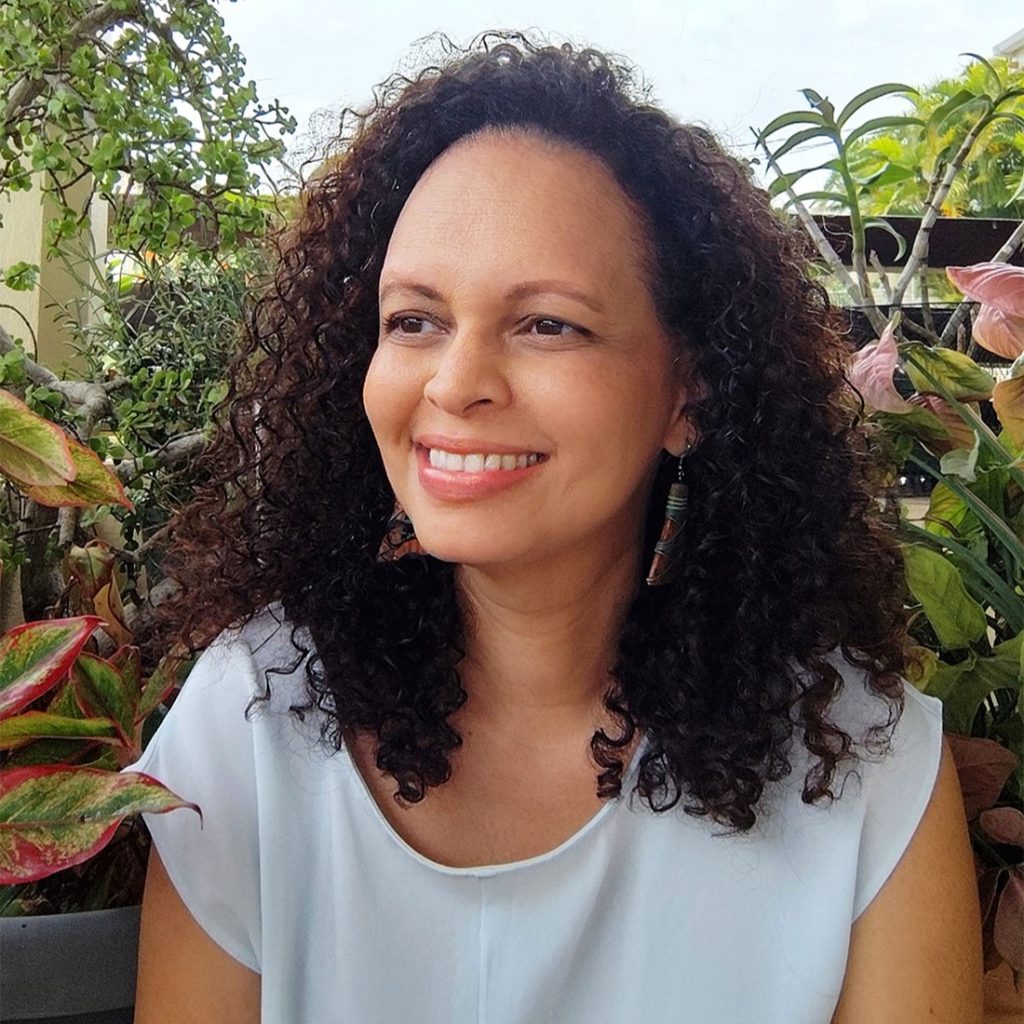
Thank you so much for joining us, Stacey! Let’s dive in.
Can you introduce our readers to Will and what’s happening with her at the beginning of Will and Krill?
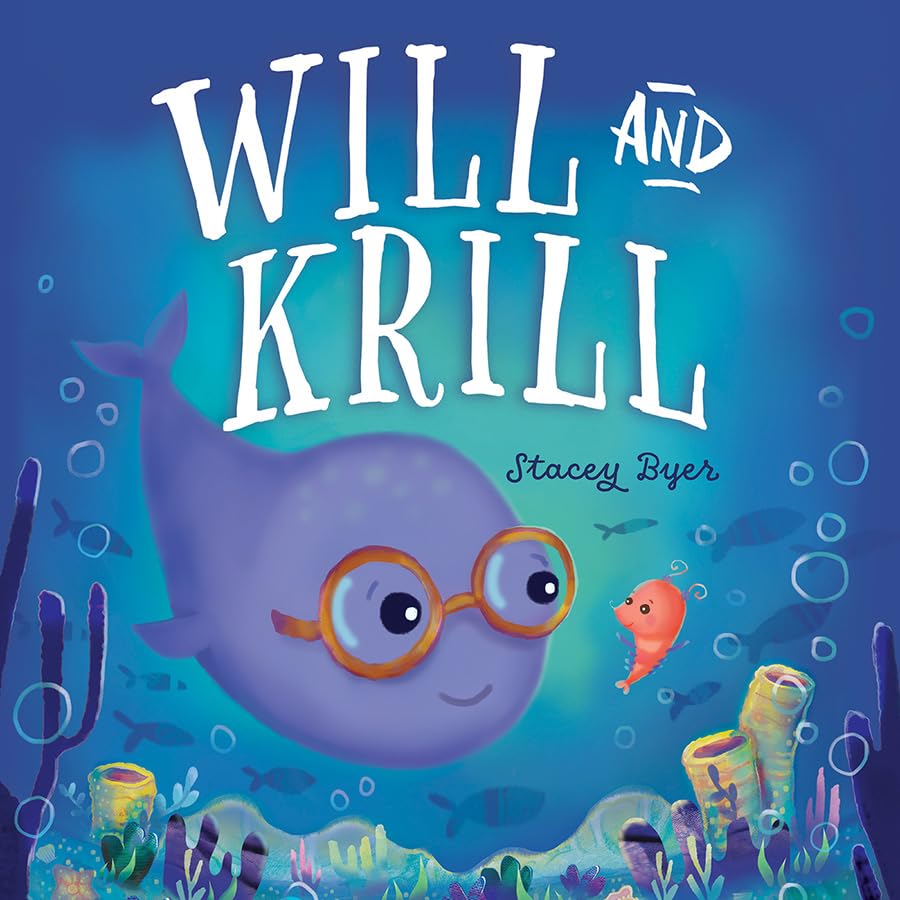
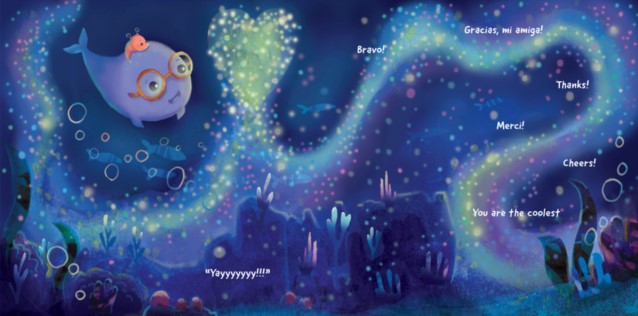
Will is a shy, tiny, whale who finds it challenging to make friends. Because of her size, she is excluded from activities with the other whales in her pod and never invited to participate in any games. So, one day she decides to go in search of a friend.
After being bullied by the other whales, Will finds new and supportive friendships with the krill. However, she must find it in herself to speak up for them when they are in danger. Why do you think it’s so important to talk to kids about the power of using one’s voice to advocate for others, even when it’s scary?
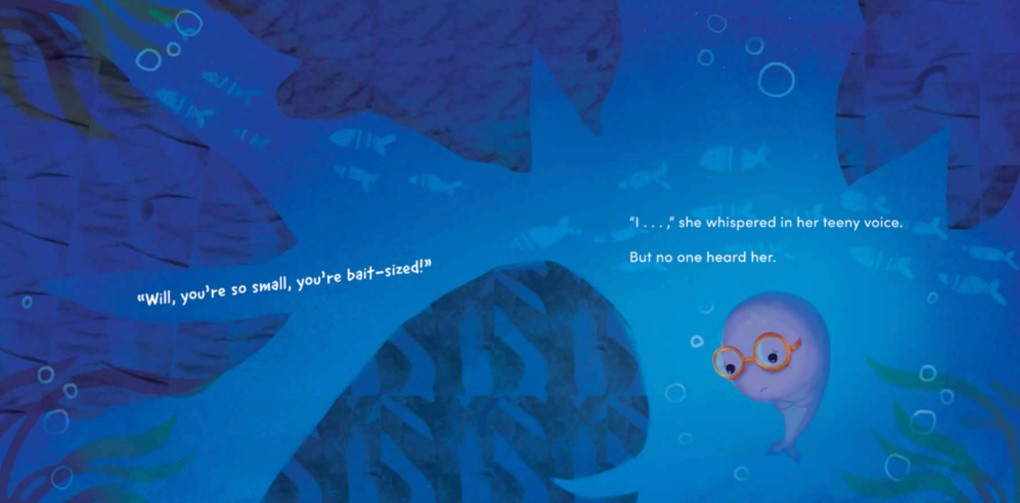
The act of speaking up is empowering, and I think it’s important for children to know that you can be afraid and still use your voice. Not only does this give children agency at a young age, it helps foster empathy for others. Ask your child: How would you feel if someone were unkind to you? This helps them develop an awareness of their surroundings and other children’s experiences. Children thrive when they have positive and supportive relationships with others, and learning to be a good friend is part of being a well-rounded person.
You’ve said that the story of Will and Krill was partially inspired by your relationship with your sibling. Can you tell us a little more about that?
My sister was the quiet child, and I was the loud one. When we were little, I saw how introverted children would sometimes be left out or overlooked. I wanted to tell a story that celebrated the value of different personalities and strengths, and show how those qualities make amazing friendships. Even today, while we are still very different, my sister and I have remained close friends because there’s a great balance in our relationship, which in turn also makes us stronger as individuals.
Will and Krill takes place in the Caribbean Sea, near where you grew up. How much of your relationship with the Caribbean made its way into the story and artwork of the book?
I’m very proud of my heritage and my island, so the Caribbean environment is hugely influential to my work. The Caribbean landscape was not just a setting but also symbolic of community. Having worked on past environmental projects about the Caribbean Sea, I thought about how the diversity and beauty of a Caribbean reef reflected our island community, and I wanted people to feel the warmth of that community in this book. Whales are important to the Caribbean; there are even whale sanctuaries here, and having their own unique social structures and kinship, their whale pods, also reminded me of Caribbean culture.
In addition to being an author and illustrator, you are a literacy and arts education advocate who works extensively with kids. Are there any interactions with young readers that have especially impacted you?
On my island, I’ve seen this recurring disbelief from some children when they discover that a Grenadian or Caribbean person wrote or illustrated a book. This disconnect shows that we have to continue to empower our young people and mentor them in the fields that we are advancing in. Art is a safe space and a powerful medium of expression for children to explore and define themselves and learn to create and change the world.
As a creator and a literacy advocate, what are your thoughts on the recent movements to ban certain children’s books from schools and public libraries, particularly ones that offer inclusive representation?
It’s an incredible loss for children. Books are passports to different worlds and lived experiences. They not only educate but can stimulate empathy and empower children to become future visionaries. Books help eliminate division and fear of others who are different from us. Libraries are also public spaces where everyone can go on a reading adventure, acquire knowledge and be nurtured and healed — these public spaces are so critical to childhood development.
We love to ask children’s authors about the books that inspired them when they were young readers. Are there any books or series from your childhood that you carry in your heart?

I loved Ramona Quimby, Age 8 by Beverley Cleary, Roald Dahl’s The Witches, Enid Blyton’s Secret Seven series and Faraway Tree series, and local Caribbean folktales like “Anansi the Spider Man.”
Lastly, in honor of Will and Krill, what advice would you give to young readers who are having trouble speaking up for themselves or others?
That it’s okay to feel scared and that asking for help is also brave. That you don’t have to do it alone, speaking up can be done with a friend, parent, or teacher. Know that your voice matters, and if you choose to speak up, you’re creating a safe space for others. And that powerful act can create change.
A whale of a thank you to Stacey for taking the time to talk with us! Be sure to find her online at StaceyByer.com, or on Instagram, Facebook, TikTok, Pinterest, and Bluesky. Lastly, don’t forget to add Will and Krill to your family’s TBR list!
For more books about speaking out against bullying, check out our article Stand Up to Bullying: 7 Powerful Picture Books That Can Help.
To see all of our recommendations for mini bookworms, check out our Bookshop bookshelf.
