













When Bram Stoker’s novel Dracula was first published in 1897, it changed the landscape of vampire literature forever. Though by no means the first vampire story, Dracula soon became the standard for all vampire content. Adaptations of the vicious Count’s tale abound, yet there are still iconic pieces of the novel that have failed to make it to the big screen. Read on for a look at the underrated parts of Dracula.
Content Warning: This article contains spoilers for the novel Dracula by Bram Stoker.
The Wreck of the Demeter
Dracula has a uniquely episodic writing style, so it’s odd that it’s only been adapted to a television series twice. And only one of these adaptations, the 2020 BBC mini-series, included the thrilling tale of the Demeter.
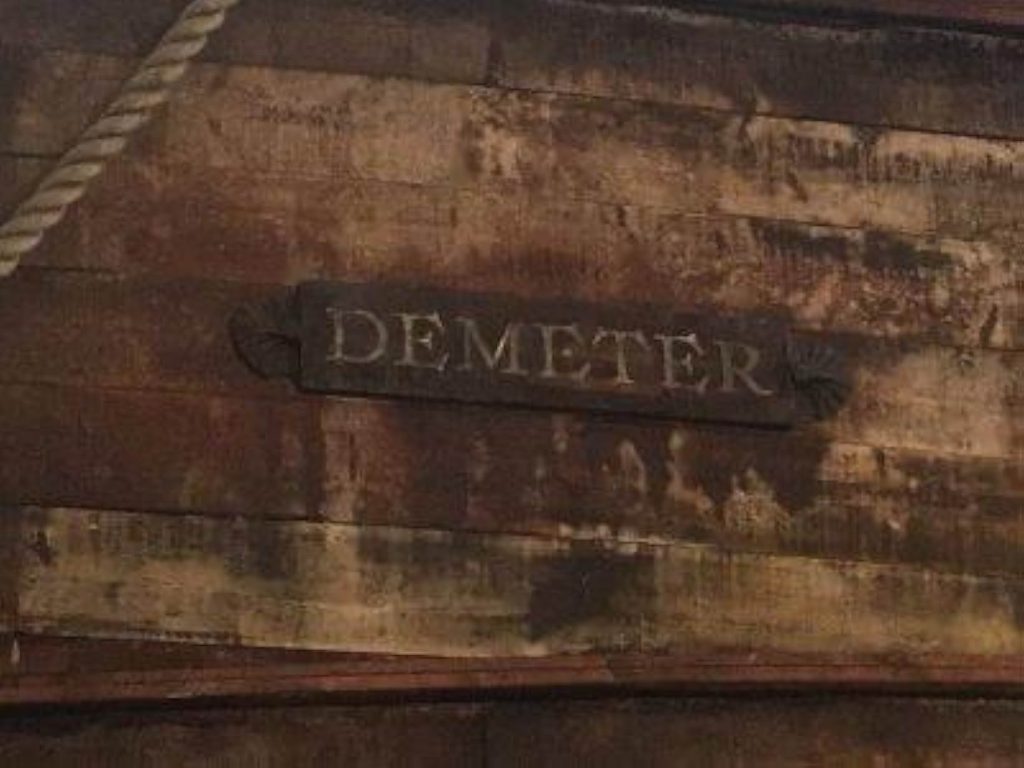
In Bram Stoker’s book, vampires require rest between their feedings in order to solidify and regain their strength. The only catch is that they must rest in coffins containing the soil of their birth region — in Count Dracula’s case, Transylvania. When the Count decides to expand his empire of destruction into London and its surrounding areas, he chooses to ship his body and multiple wooden boxes laden with Transylvanian soil aboard a Russian ship called the Demeter. As the ship makes its harrowing journey from Varna to Whitby, Dracula kills the sailors one by one in the night. The full account is detailed in the Captain’s log, which is discovered on his dead body when the ship crashes into the harbor.
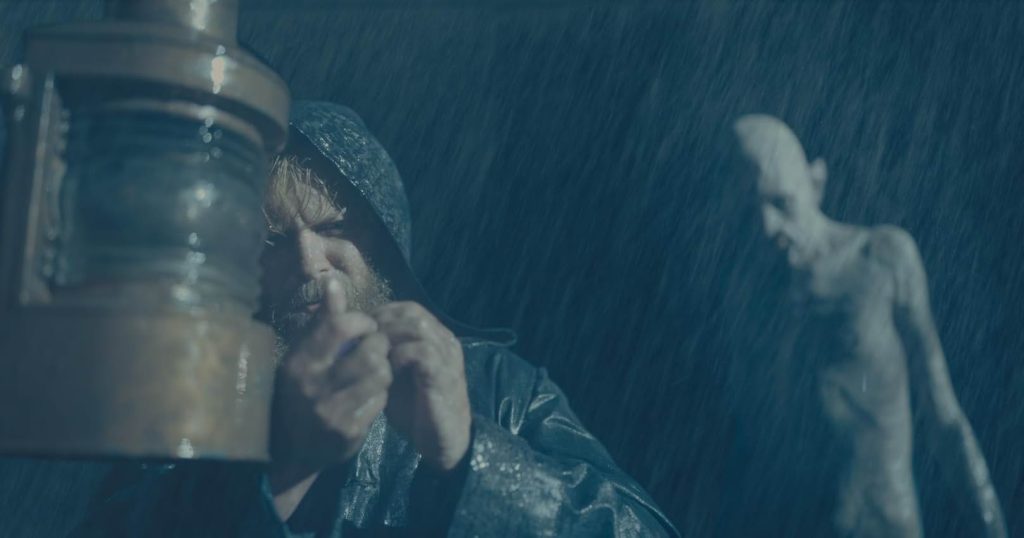
On the watch last night I saw It, like a man, tall and thin, and ghastly pale. It was in the bows, and looking out. I crept behind It, and gave It my knife; but the knife went through It, empty as the air.
— Bram Stoker, Dracula
Though this section of the book is brief, the horror story it tells is spine-tingling and helps build the terror surrounding the central vampire figure. The 2023 film The Last Voyage of the Demeter tells only this section of the novel. Admittedly, it was a box office failure, in part due to its unfortunate release time forcing it to compete against Barbie and Oppenheimer. Regardless of the reason for its demise, the existence of the movie speaks to a broader interest in adapting this particular portion of the Dracula tale.
The Jonathan and Mina Love Story
Due to its episodic nature and numerous narrators, Dracula doesn’t have a main character. However, of its protagonist list, the biggest leads are arguably Jonathan and Mina Harker. Jonathan Harker is the solicitor who meets Count Dracula first and unknowingly helps the vampire launch his nefarious business in London. Wilhelmina, or Mina, is his fiancée and eventual wife. Their devotion to one another only intensifies as their dealings with the vampire become more and more dangerous.
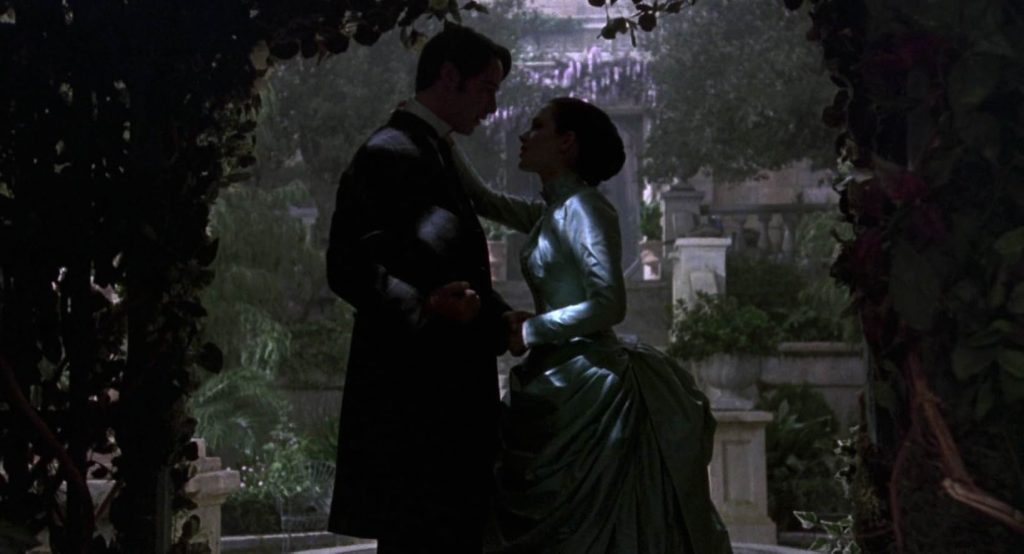
While Jonathan and Mina appear in most Dracula adaptations, the depth of their love story is rarely explored. Vampirism is traditionally a metaphor for shame and sexuality, and Bram Stoker’s novel is no exception to this. When Mina is bitten by Count Dracula, she wails that she is now “unclean.” Without hesitation, Jonathan goes to her side and holds her close to him, demonstrating that his love for her transcends his Christian belief in sin and damned souls.
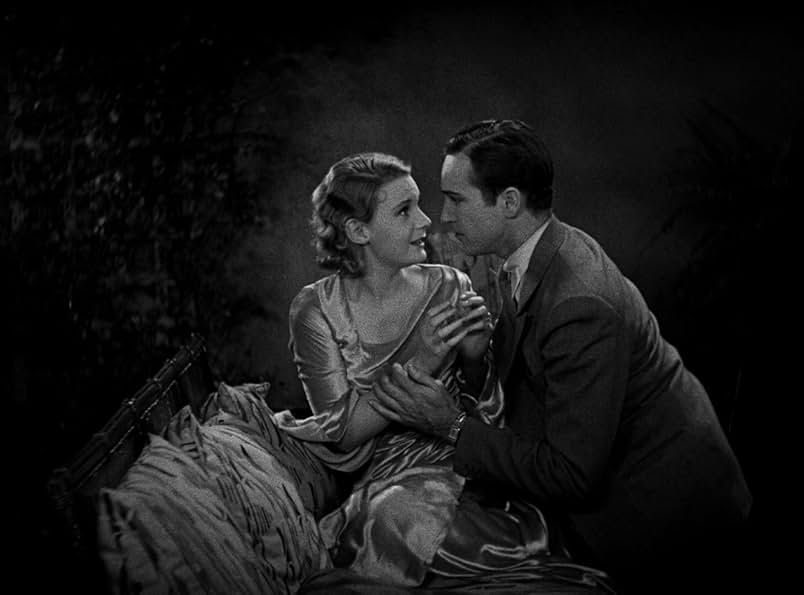
To one thing I have made up my mind: if we find out that Mina must be a vampire in the end, then she shall not go into that unknown and terrible land alone. I suppose it is thus that in old times one vampire meant many; just as their hideous bodies could only rest in sacred earth, so the holiest love was the recruiting sergeant for their ghastly ranks.
— Bram Stoker, Dracula
Jonathan’s love for Mina runs so deep that he is willing to join her in her “ruined” state and damn his soul to hell for all eternity. All this he risks without a second thought, just so he will never be separated from his true love. It is this particular aspect of their love story that rarely makes it to adaptation. This is a surprising omission, given how the theme of eternal love in vampire stories has risen exponentially in popularity in recent years.
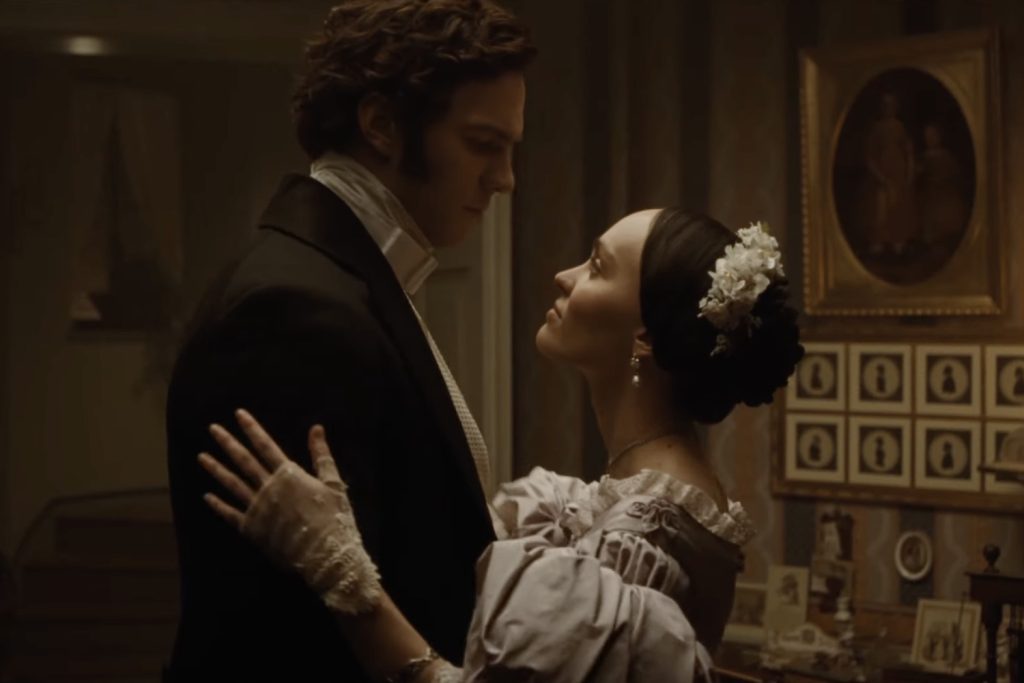
The 2024 Nosferatu remake is the closest a vampire tale has come to accurately portraying the Jonathan/Mina love story. The Nosferatu story is an unauthorized adaptation of Dracula, and as such, many of its characters correspond directly to those in Stoker’s book. In this film, Thomas and Ellen Hutter are the couple inspired by the Harkers. The 2024 remake devotes a considerable amount of screen time to the development of their relationship. Director Robert Eggers doesn’t shy away from the overt sexual theming, including having Thomas sleep with his wife after she is desecrated by the vampire, as a sign of his undying devotion to his true love.
A Brief Defense of Bram Stoker’s Dracula
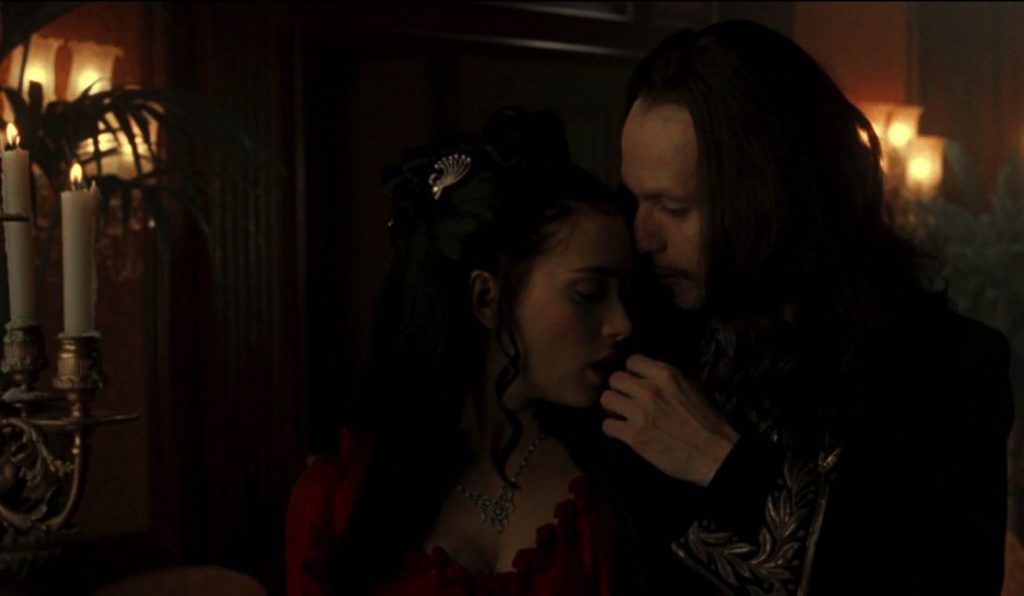
It would be remiss to discuss the unsung aspects of Dracula without mentioning the most popular invention to come from screen adaptations: the Dracula/Mina ship. Introduced by Francis Ford Coppola in his 1992 film, Bram Stoker’s Dracula, this unexpected romantic pairing has become wildly popular in ensuing adaptations. Though it is decidedly not canon, Stoker’s novel may hold a basis for its creation.
That poor soul who has wrought all this misery is the saddest case of all. Just think what will be his joy when he too is destroyed in his worser part that his better part may have spiritual immortality. You must be pitiful to him too, though it may not hold your hands from his destruction.
— Bram Stoker, Dracula
In the book, Mina is the only character who is sympathetic to Count Dracula and the only one to remember that he was once human, too. While the men are bent on vengeance, Mina considers the despair he must have felt to be forced to spend hundreds of years living a demonic life. Later, when he is finally killed, Mina notes that a look of peace settles on his face, and she is comforted that his soul has finally been redeemed.
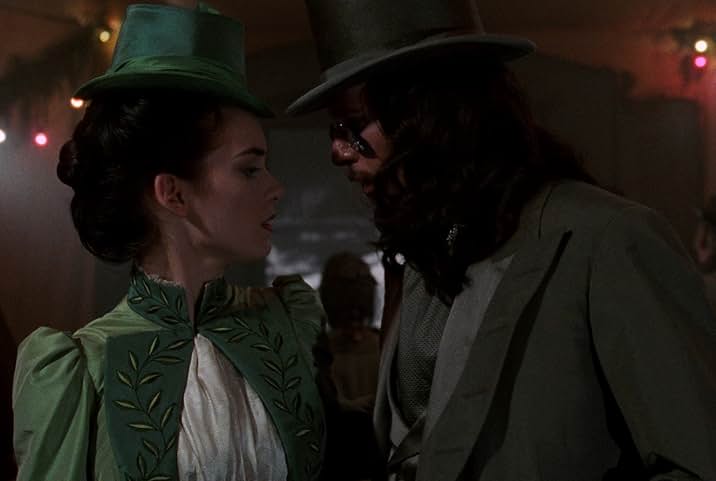
Inspired by this small, yet important aspect of the novel, Coppola’s movie has Dracula and Mina fall in love with each other when he first gets to London. As an added feature, Dracula largely falls for Mina because she is the reincarnation of his dead wife and first love, Elisabeta. This reincarnation theme (also a Coppola invention) has made its way into numerous adaptations since. Unfortunately, most iterations that go for the Dracula/Mina love story sacrifice the Jonathan/Mina dynamic in order to do so.
Bram Stoker’s novel and his vampire legends are still as timeless as ever. Hopefully, future adaptations will follow in the footsteps of Robert Eggers and properly portray these underappreciated, yet iconic parts of the story.
For a comprehensive list of Dracula interpretations, click here.
Check out our Classics bookshelf on Bookshop.org for more enduring stories.