








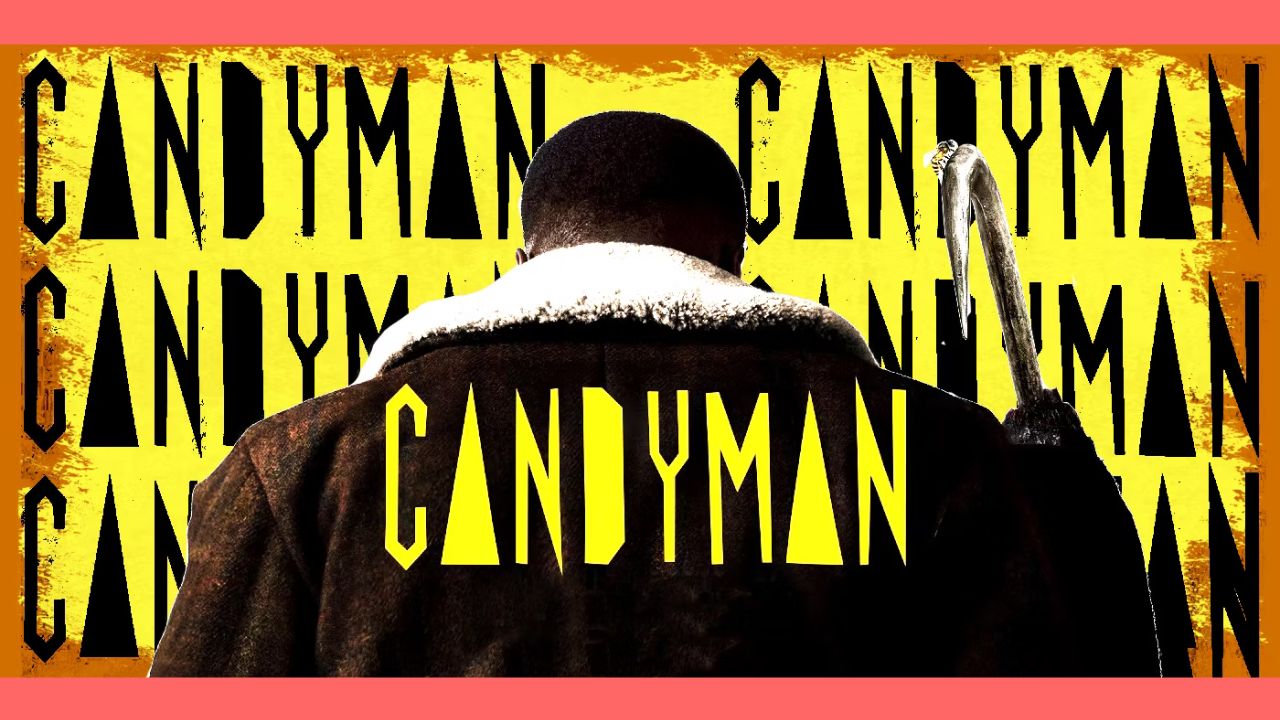
In 2021, the release of Candyman offered a fresh yet hauntingly familiar narrative that resonated with audiences both old and new. Co-written and produced by Jordan Peele and directed by Nia DaCosta, Candyman isn’t just a revival of a classic horror tale but a powerful commentary on racism and the cycles of trauma that haunt marginalized communities.
Revisiting a Classic
The original Candyman (1992), directed by Bernard Rose, was based on Clive Barker’s short story The Forbidden. It introduced readers to the terrifying figure of Candyman, a hook-wielding specter summoned by those brave enough to speak his name five times into a mirror. Bernard Rose decided to move the setting of Barker’s story from the author’s native Liverpool to Chicago. Rose specifically set the tale in Cabrini-Green, a public housing project that had become a national symbol of urban blight and failed housing policy due to poor planning, physical deterioration, and management neglect, coupled with gang violence, drugs, and chronic unemployment.

DaCosta and Peele’s reimagining is both a continuation and a recontextualization of the original. Rather than simply retelling the story, this new Candyman digs deeper into the social and historical underpinnings of the legend. The film cleverly navigates between being a horror movie and a social critique, using the Candyman legend as a means to examine issues of gentrification, systemic racism, and the lasting effects of violence on the Black community.
The Horror of History
One of the most compelling aspects of the new Candyman is its exploration of history as a form of horror. The film suggests that the true terror lies not just in the supernatural figure of Candyman but in the real history of racial violence and oppression in America. Candyman is portrayed not as a singular entity but as a collection of spirits who have suffered and died unjustly at the hands of a racist society. This concept of the “many Candymen” reflects the cyclical nature of trauma and violence — how it is passed down through generations and how it continues to haunt the present.
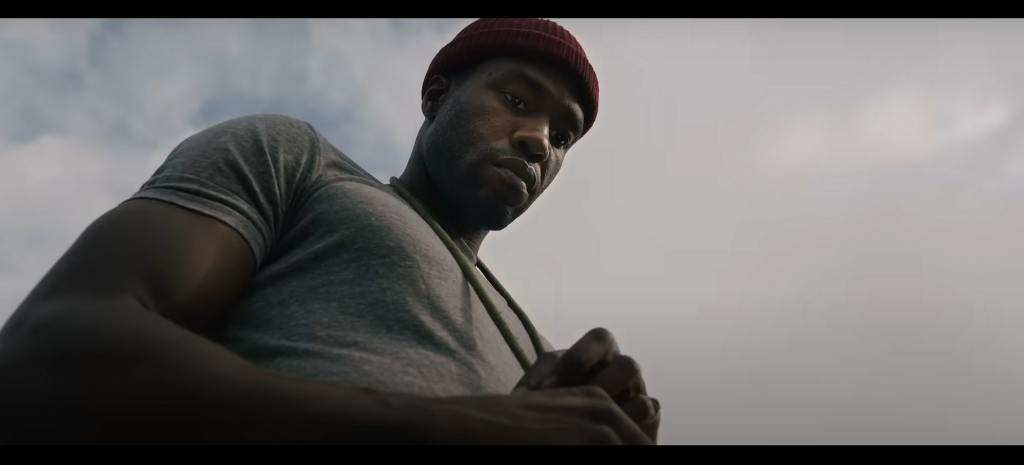
By recontextualizing Candyman as a manifestation of collective trauma, the film raises important questions about how society remembers and processes historical atrocities. In this way, Candyman can be seen as a horror film that doesn’t just seek to frighten its audience, but also challenge them to confront uncomfortable truths about the past and present.
Gentrification as Modern Horror
Another critical theme in Candyman is gentrification. The film’s protagonist, Anthony McCoy (played by Yahya Abdul-Mateen II), is an artist living with his girlfriend, Brianna (Teyonah Parris), in a gentrified neighborhood that once was the site of the Cabrini-Green housing projects. As Anthony becomes obsessed with the Candyman legend, he uncovers the layers of history buried beneath the newly developed urban landscape. This connection between the physical space of the city and the lingering presence of Candyman highlights the erasure of Black communities in the name of urban development.
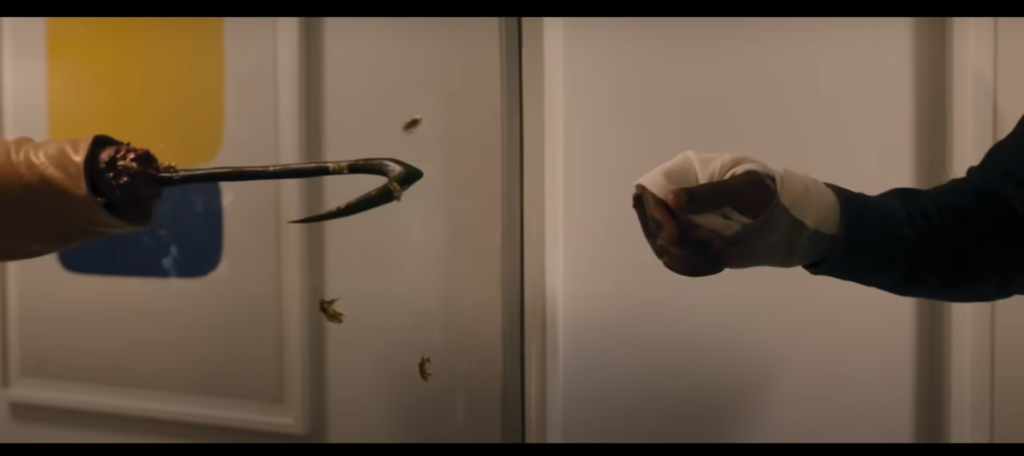
Gentrification is depicted not just as a process of economic and social change, but as a form of violence in itself. The displacement of longtime residents, the erasure of cultural landmarks, and the rewriting of history all serve to erase the identities and memories of the people who once lived there. In Candyman, this erasure is symbolized by the ghostly figure of Candyman, who emerges as a reminder that the past cannot be so easily forgotten or buried.
The Role of Art in Confronting Trauma
Art plays a crucial role in the film, serving as both a medium of expression and a means of confronting trauma. Anthony’s art, which is inspired by the Candyman legend, becomes a way for him to explore his own identity and the history of the community. However, as he delves deeper into the legend, he begins to lose himself, blurring the lines between reality and myth.
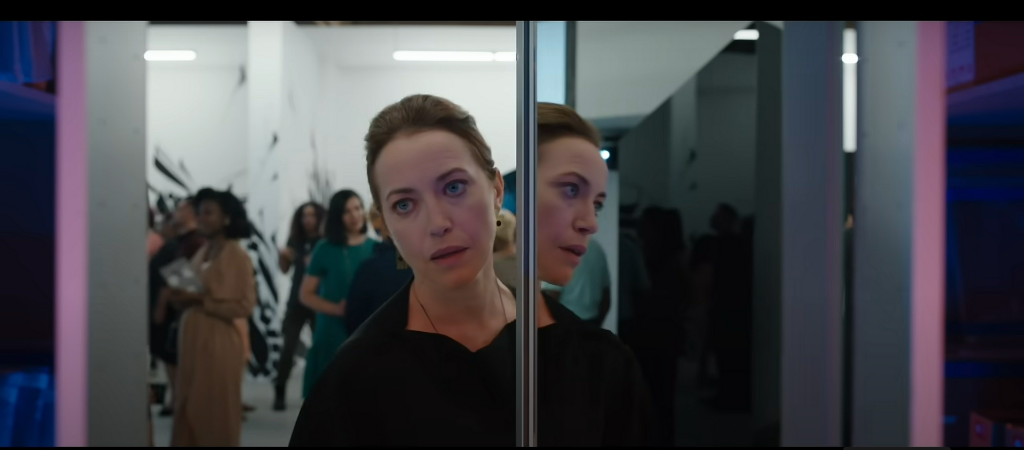
This depiction of art as a double-edged sword — both a tool for understanding and a potential source of madness — reflects the complexities of dealing with historical trauma. On one hand, art can give voice to those who have been silenced and bring hidden histories to light. On the other hand, it can also open old wounds and expose the artist to the very horrors they seek to depict.
In Candyman, the act of creation is fraught with danger, suggesting that confronting the past is not a straightforward process. It requires a willingness to engage with difficult and painful truths, and the outcome is never guaranteed.
Candyman as a Modern Myth
Perhaps one of the most intriguing aspects of the new Candyman is its portrayal of the titular character as a modern myth. Following its 1992 debut, the figure of Candyman has evolved over time as more films have released: one in 1995 directed by Bill Condon, and another in 1999 directed by Turi Meyer. These films further solidified Candyman’s iconic image, taking on new meanings and resonances with each retelling. In this sense, Candyman is not just a horror movie but a film about storytelling itself — about how myths are created, how they evolve, and how they continue to shape our understanding of the world.

The movie suggests that Candyman is more than just a ghost story. He is a symbol of the unresolved tensions and traumas that haunt society. By invoking Candyman, the characters are forced to confront these deeper issues, whether they want to or not. This makes Candyman a uniquely powerful horror film that uses the genre’s conventions to explore profound social and psychological themes.
In a time when issues of racial injustice and historical memory are more relevant than ever, Candyman serves as a powerful reminder that the ghosts of the past are never truly gone. Rather, they continue to haunt us in ways that are both seen and unseen. This makes Candyman not just a film, but a modern myth that will likely continue to resonate with audiences for years to come.
Did you know Jordan Peele also edited a volume of short horror stories? Find out more here!
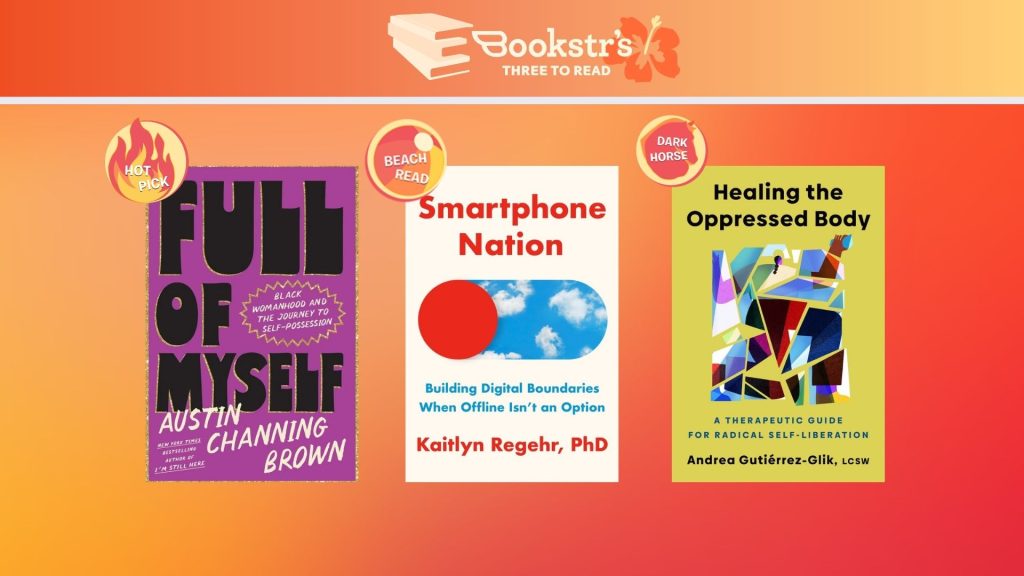
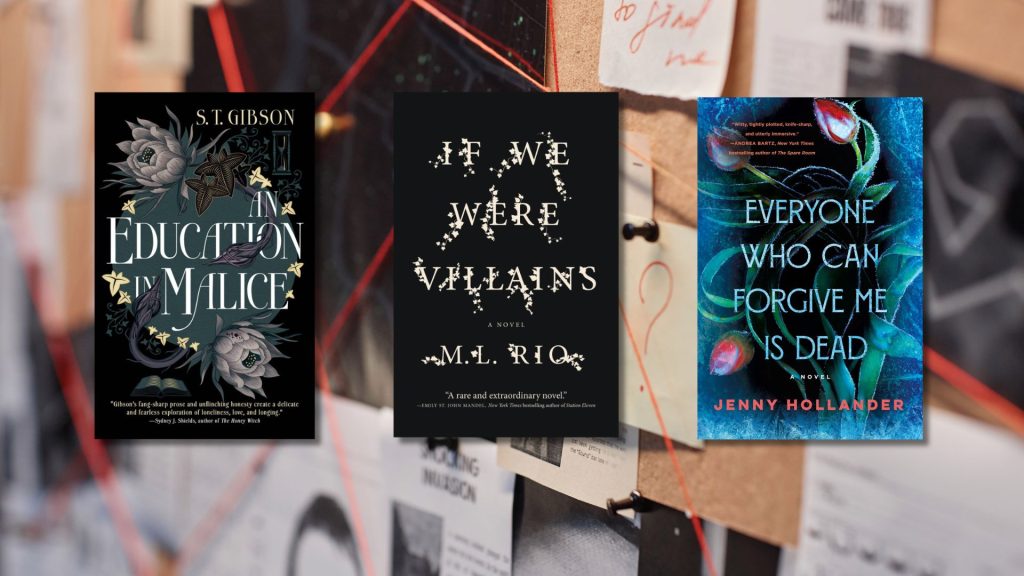
If you’re looking for your next horror read, check out our selection on Bookshop.