


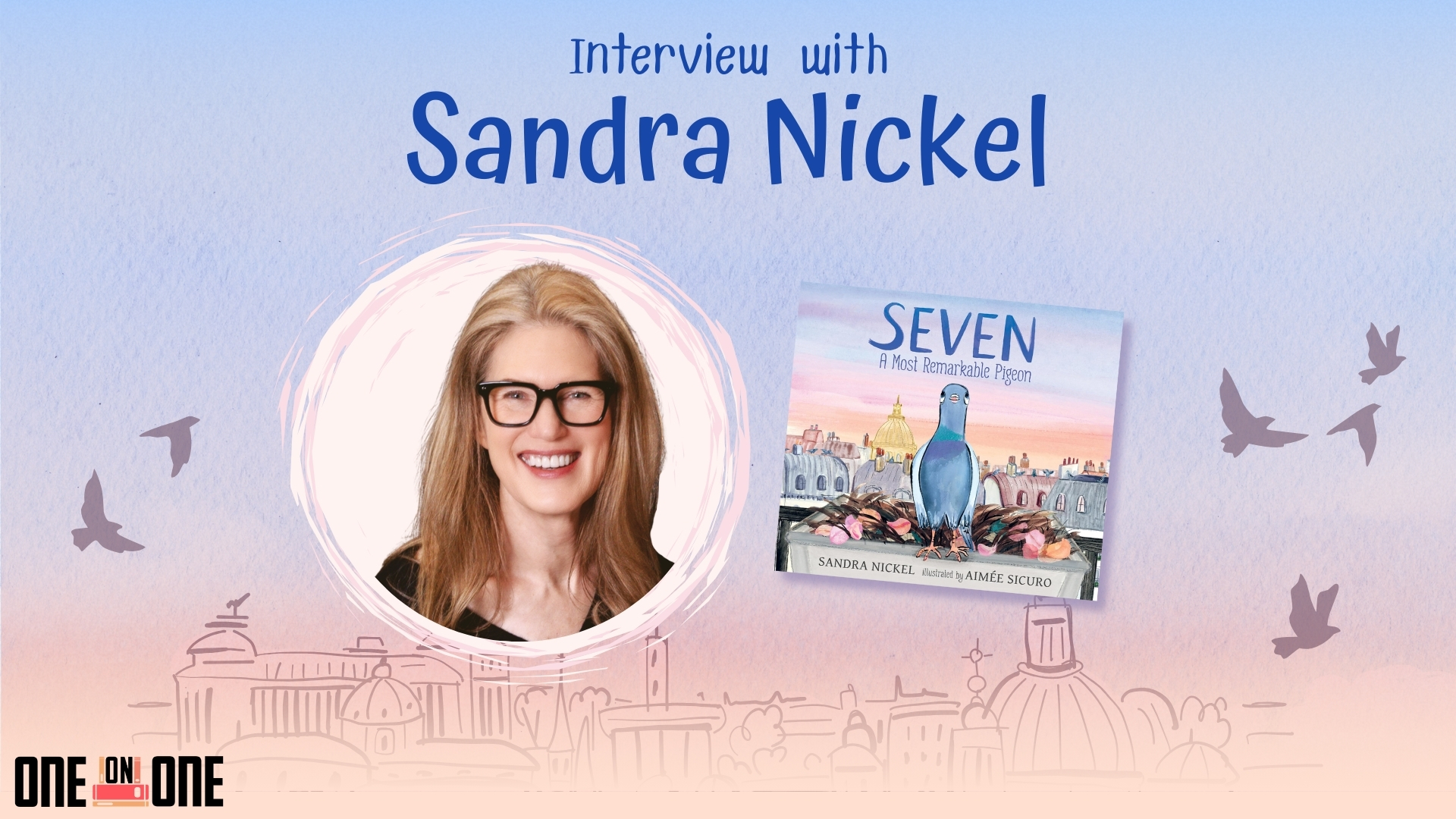
What would the world be like if everyone was the same? As children grow, they can often feel as though they are not conforming to certain expectations or metrics. For example, they may not feel that they are as good as their peers academically, athletically, or in artistic pursuits. They may be excluded for different abilities, appearances, interests, or neurologies. In Sandra Nickel’s new picture book, Seven: A Most Remarkable Pigeon, the titular character is dealing with a similar issue — even though he is a bird. We recently had the opportunity to talk to Sandra about her latest title, everyday superpowers, and the importance of fostering — and celebrating — diversity.
About Sandra Nickel
Sandra Nickel is an award-winning author of picture books and has two new books coming out in Spring 2025: Seven: A Most Remarkable Pigeon, an uplifting tale that celebrates differences; and Making Light Bloom: Clara Driscoll and the Tiffany Lamps, where Sandra continues her mission to celebrate extraordinary individuals who have been nearly forgotten by history.
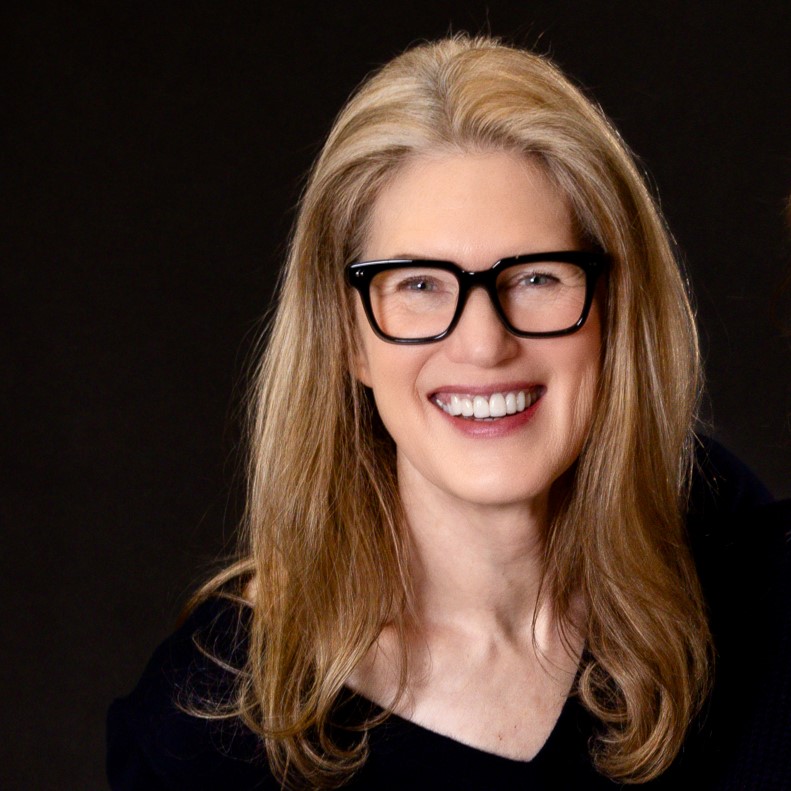
Sandra holds an MFA in Writing for Children and Young Adults and has presented workshops throughout Europe and the United States. She is honored to be the winner of a Christopher Award, the winner of the Society of Children’s Book Writers & Illustrators Crystal Kite Award, a finalist for the Golden Kite Award for Nonfiction for Younger Readers, a Junior Library Guild Gold Selection honoree, and a Charlotte Huck Award Recommended author.
Sandra, thank you so much for taking the time to talk to us. Let’s get started.
Can you give us an introduction to Seven and why he feels different from the other pigeons in his flock?
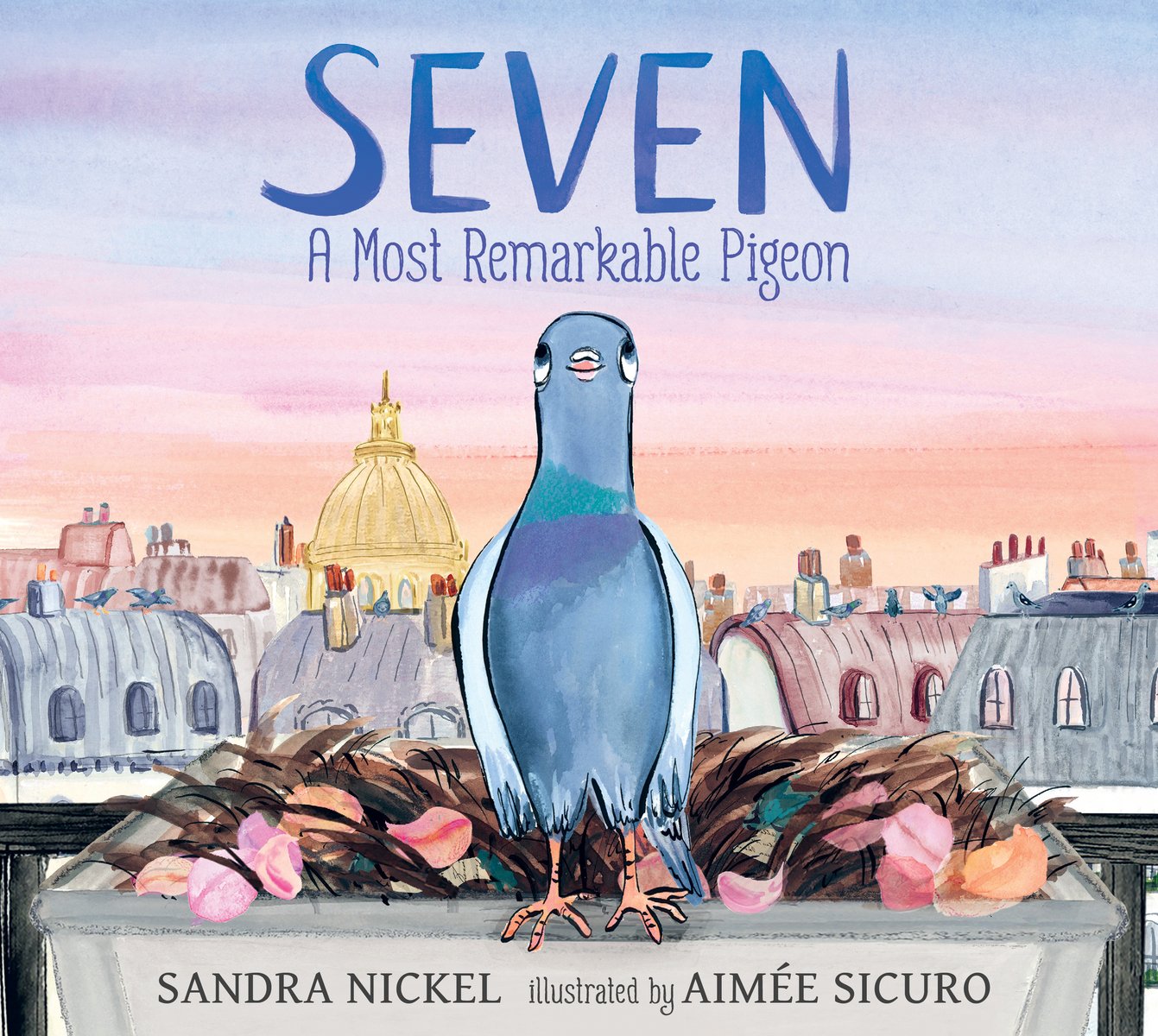
Seven is different from the day he is born. He not only arrives in the world by himself, when most pigeons arrive in pairs, but he is also born with an extraordinary sense of smell. As the other pigeons build their nests with twigs, eat breadcrumbs, and fly in a straight line, Seven builds his nest with roses, eats fragrant rice, and flies wherever the allure of fragrance takes him. This kind of behavior doesn’t go unnoticed, and the flock makes sure that Seven feels his differentness.
What inspired you to tell the story of Seven’s journey? And why pigeons?
The year my daughter was diagnosed as autistic, I found myself thinking about how different ones are portrayed in picture books and how they almost always change by the end of the story. Shy ones become less shy, late bloomers catch up to the others. But what about autistic kids? Change for them often means masking who they are, and this, in turn, often means depression and anxiety. I asked myself: Wouldn’t it be great to have more books where different ones stay different?

At the same time I was asking this question, I became fascinated by pigeons and read everything from academic papers to Pigeonpedia. When I discovered that pigeon eggs almost always arrive two at a time, I wondered what would happen if only one egg arrived. And with that, a story was hatched about a young pigeon who is different from the moment he is born and is revealed to be more and more different with each turn of the page.
Why do you think inclusivity and celebrating diversity is an especially important message for young readers right now?
My husband died of cancer four months ago. The big lesson I learned from that horrific yet, at times, beautiful cancer journey is that the opposite of joy is not unhappiness. The opposite of joy is fear — and there is a lot of fear in our world right now. Children, of course, feel this fear, so for them — and for us — it’s important to tackle fear straight on. The best way to do this is to talk to each other, build bonds, and learn about others who experience life differently than we do. After all, we’re in this world together. Why choose to be scared and exclude someone for not using twigs when we might actually love a nest with roses too, if we only gave it a try?
As both a children’s author and an autistic woman, are you concerned about the growing movements to ban books that celebrate diversity — especially neurodiversity — from schools and libraries?
Most children pretty much interact with the same people every day. So, how are they going to learn about the other people that live in this world? How are they going to understand people who are different from those in their immediate circle? Books are the answer. And we are doing a real disservice to children by limiting their access to them.

By banning books about diverse characters, we are teaching children that the world is smaller than it actually is, that the world is less varied, that everyone thinks in a certain way. We are priming them to be scared. Because it is truly frightening to grow up and find out the world and the people in it aren’t the way you were told they were. So, let’s help children. Let’s prepare them for life. Let’s let them read about all the incredible people in this big, beautiful, complex world of ours.
You’ve said that your fictional children’s book characters are often inspired by personal experiences and loved ones. Could you share why you’re drawn to translating elements of your real life to the page?
I believe the best fiction is written from truth. And which truths do we know better than those that come from our own hearts and the hearts of those we love? The funny thing is, as I am writing, I always think my stories are completely fictional. It’s only later, sometimes years later, that I realize that the story stepped straight out of my own life.
You’ve also written a number of picture book biographies. What is the most interesting fact about a subject’s life that you’ve learned from your research?
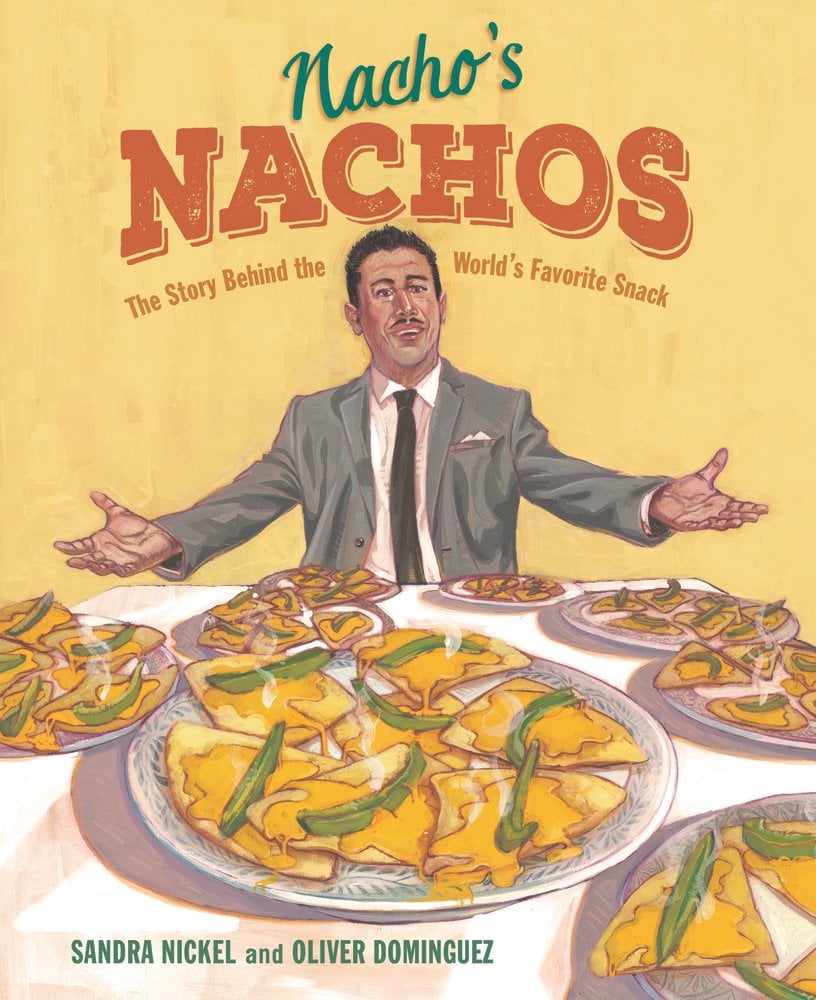
One of my favorite facts is one I learned in Mexico while researching Nacho’s Nachos. It turns out that nachos — that ultimate casual snack that we eat out of paper boxes at baseball games and pile up on platters for the Super Bowl — was invented by Ignacio “Nacho” Anaya in a very fancy restaurant. Think: white tablecloths, guests dressing to the nines, a menu with Lobster Thermador and Duck à l’Orange. And, for the appetizer, the original nachos, elegantly prepared one at a time. A single tortilla for crunch. Melted cheese for sumptuousness. A jalapeno for tang. (Is your mouth watering yet?)
We always love to ask children’s book authors which books inspired them as kids. Is there a book or series that was formative to your early years as a reader?

Arnold Lobel’s “A List,” the lead story in Frog and Toad Together, was one of my very favorites. In it, Toad makes a list of things to do and then rigorously follows it. Frog joins in without question, and when Toad loses his list and won’t leave his spot because he has lost the rules for his day, Frog sits with him in solidarity. It was a reassuring story for this undiagnosed autistic girl because I — like many autistic kids — am a rule-follower and find change in my routine challenging. But even more important than this, it was reassuring because Frog never once asks Toad to change or be different than who he is.
Lastly, in honor of Seven, what is your special superpower?
It’s not my sense of smell, that’s for sure! (I borrowed Seven’s superpower from my mother.) Mine is more visual. I notice small details. That particular superpower isn’t so great when I can’t ignore a tiny mustard stain on my favorite blouse. However, it is truly lovely when I spot a pink petal high in a tree, peeking out of a twiggy bird’s nest.
A huge thank you to Sandra for taking the time to talk to us about her work! Be sure to find her online at SandraNickel.com or on Instagram, Facebook, Twitter/X, and Bluesky! Lastly, don’t forget to pre-order Seven: A Most Remarkable Pigeon and add it to your family’s TBR list.
Want to learn about another children’s author creating neurodivergent visibility for young readers? Check out Bookstr’s exclusive One-on-One interview with Kaz Windness, creator of the Bitsy Bat series!
To see all of our recommendations for mini bookworms, check out our Bookshop bookshelf.