
















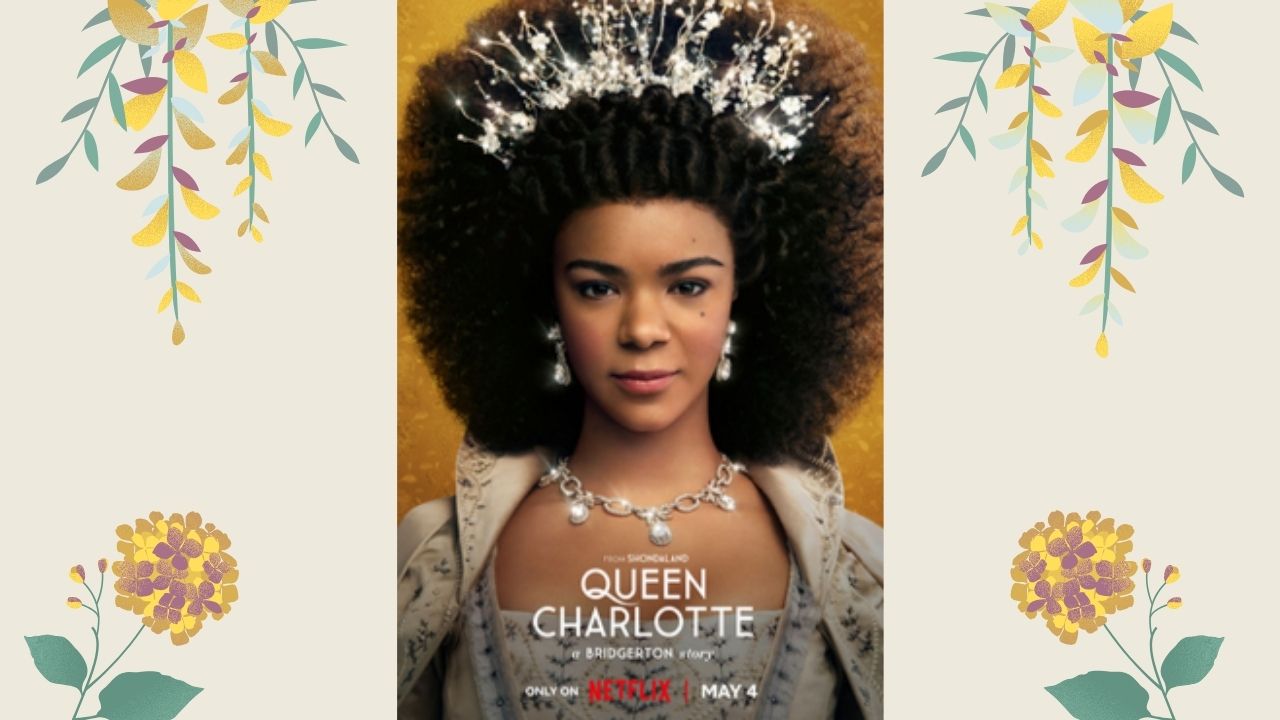
Queen Charlotte’s journey is a testament to resilience and strength, showcasing how a woman in a historical context can wield influence and challenge the status quo. Charlotte’s character defies the traditional limitations placed on women of her time, emerging as a figure of authority and agency. Her ability to navigate the treacherous waters of court politics while asserting her voice and vision illustrates the complexities of female empowerment in an era dominated by patriarchal norms.
Empowerment
The theme of empowerment in Queen Charlotte is intricately explored, presenting a compelling exploration of a woman’s journey to assert her authority in a male-dominated society. Charlotte embodies resilience and strength, navigating the complexities of her role as queen while challenging the limitations imposed upon her by tradition and societal expectations.
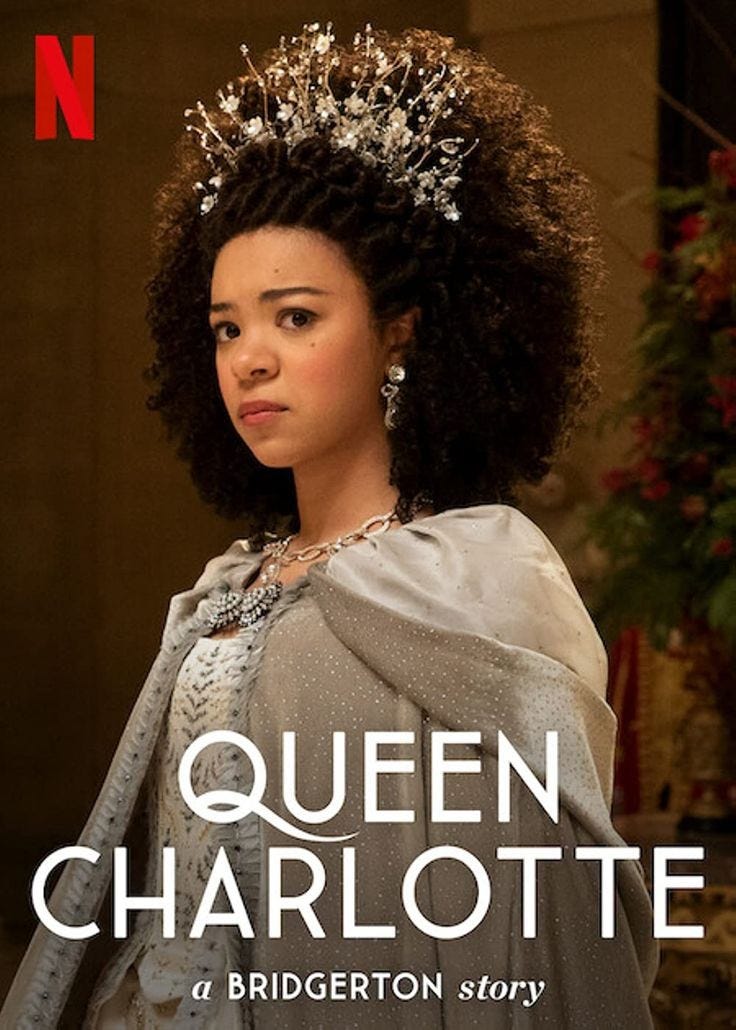
The series emphasizes the significance of self-advocacy and the courage to speak out and advocate for oneself. Charlotte’s journey inspires viewers to recognize the potential within themselves to challenge the status quo and advocate for change, making her a powerful symbol of empowerment. Overall, Queen Charlotte serves as a reminder of the strength that can emerge from defiance and the impact of a woman’s voice in shaping her destiny.

As she confronts the expectations of her role, Charlotte’s determination to forge her own identity becomes a powerful narrative thread. Her interactions with other characters reveal the nature of her strength as she balances personal desires with public responsibilities. This portrayal not only highlights her individual journey but also serves as a broader commentary on the potential for women to transcend societal constraints and redefine their roles within history. Charlotte stands as a symbol of empowerment, inspiring audiences to recognize the strength inherent in challenging the status quo.
Representation
The theme of representation plays a crucial role in highlighting the importance of diverse voices and experiences in historical narratives. By centering the story around a woman of color in a position of power, the series challenges traditional portrayals of royalty and nobility, which often overlook the contributions and perspectives of marginalized groups.
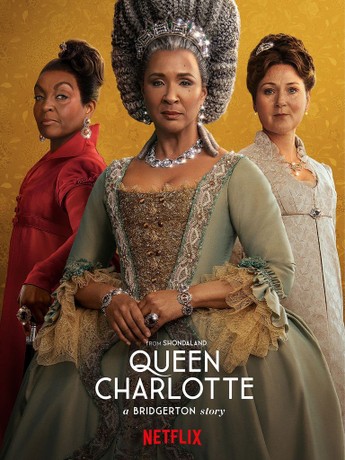
Charlotte’s character serves as a powerful representation of the complexities of identity as she navigates her role as queen while grappling with the expectations placed upon her. The inclusion of other characters from diverse backgrounds further enriches the narrative, showcasing the varied experiences within the royal court and emphasizing the need for inclusivity in storytelling.
This focus on representation not only allows for a more nuanced exploration of history but also resonates with contemporary audiences, encouraging discussions about the significance of diverse narratives in shaping our understanding of the past. Queen Charlotte serves as a reminder that representation matters, as it empowers individuals to see themselves reflected in stories of power, resilience, and agency.
Cultural Impact
The cultural impact of Queen Charlotte is significant as it reshapes narratives around historical figures and highlights the intersection of race, gender, and power. By portraying a strong, complex female lead, the series challenges traditional depictions of queens and royalty, offering a fresh perspective that resonates with modern audiences.

The show also sparks conversations about the representation of people of color in historical contexts, encouraging viewers to reconsider the narratives that have often excluded or marginalized these voices. This cultural reimagining not only boosts the understanding of history but also promotes inclusivity, inspiring future creators to explore diverse stories that reflect a broader range of experiences.
The show does a fantastic job at contributing to the ongoing dialogue about the importance of representation in media, showing how diverse narratives can influence societal perceptions and empower underrepresented communities. Its cultural impact extends beyond entertainment, serving as a catalyst for discussions about identity and the power of storytelling in shaping cultural consciousness.
Her Relationship with King George
Charlotte’s relationship with George enhances her power significantly, illustrating how love and dedication can create a formidable force. Their bond is rooted in a deep emotional connection, which empowers Charlotte to take on challenges with confidence. When she stands by George during his struggles, her support not only strengthens their relationship but also elevates her status as a leader who is willing to fight for her partner.

This love gives Charlotte a unique authority within the royal court. As she navigates her role, her dedication to George allows her to assert herself in discussions about governance and societal issues, showcasing her intelligence and capability. Her ability to influence decisions reflects the strength that comes from their partnership, demonstrating that love can be a source of power.
Charlotte’s commitment to George amplifies her presence as a queen. It highlights how the emotional depth of their relationship fuels her resilience and determination, making her not just a powerful monarch but also a compassionate and influential figure in her own right.
Queen Charlotte is significant, as it not only highlights the struggles and triumphs of a powerful woman but also emphasizes the importance of diversity in storytelling. By incorporating characters from various backgrounds, the show enriches the narrative and provides a more nuanced view of the Regency era. This representation allows viewers to see themselves reflected in the story, creating a sense of belonging and empowerment. The show challenges the often Eurocentric portrayal of history, paving the way for more inclusive narratives that celebrate the contributions of individuals from diverse cultures.
To discover more book to screen recommendations, click here.
Want to know more about the next season of Bridgerton? Click here.