







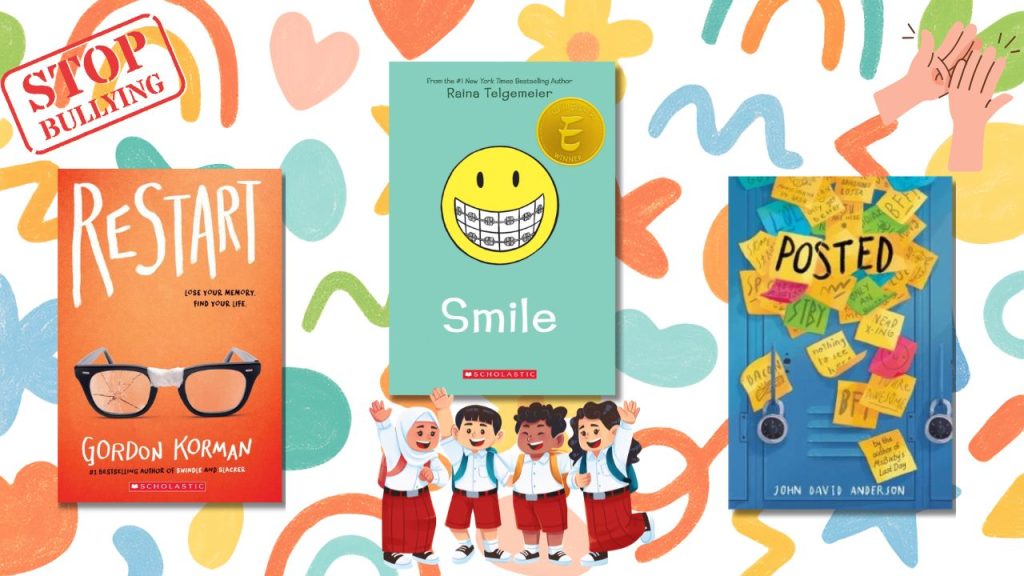


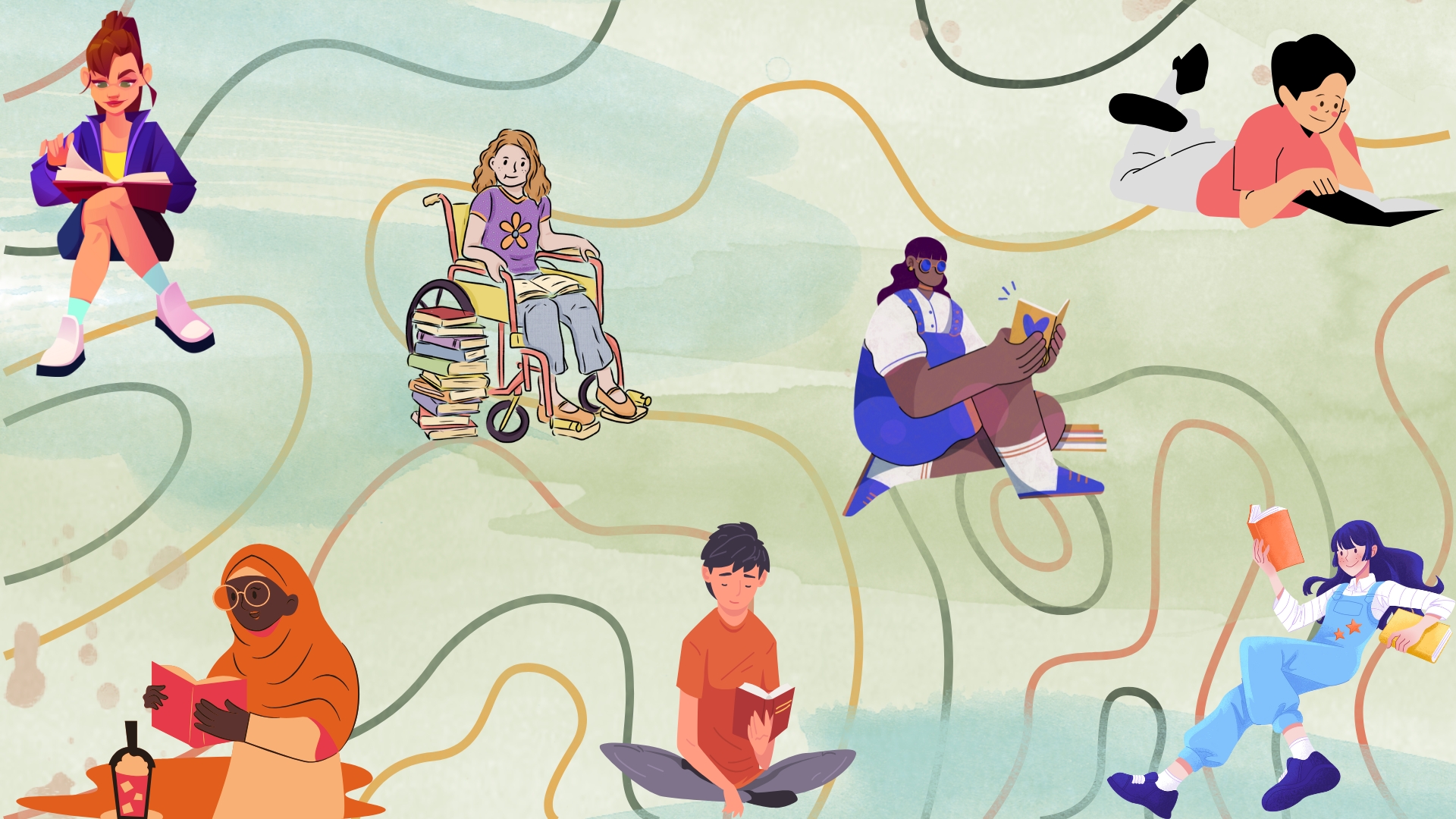
Being a teenager can be a confusing time, as everything around us changes while we transition from childhood to adulthood. Literature can offer teens a welcome escape when they need a break from their own lives, but it can also challenge their understanding of the world — helping them gain a better grasp of who they are and who they want to become. So, how does fiction give readers this kind of power, and how do authors manage to achieve it?
Finding Yourself in Books
Characters in novels are limitless, each shaped by their creator’s imagination. There’s always a book for someone to relate to, with every character carrying the story in their own way. Whether human, supernatural, or even extraterrestrial, each character can offer something meaningful about humanity and all it has to give. Reading about characters navigating their own ups and downs allows teens to feel comfortable being themselves, because their problems become normalized through the experiences of the characters they love.
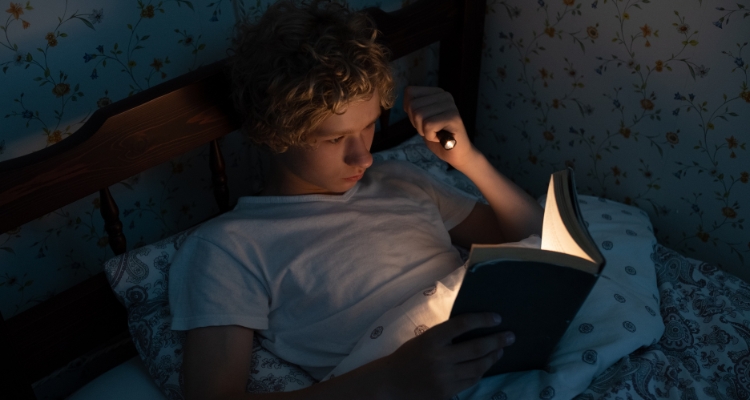
These characters are just as essential as those in visual media. Teens face a wide range of new challenges, and sometimes the quiet comfort of a book is more powerful than watching a show or movie. Reading offers a sense of privacy that allows the mind to wander and explore the ideas being presented. There’s an intimacy to reading, which is why it can become such an addictive hobby. We often grow deeply attached to books that hit close to home, which in turn shapes the way we see the world – as the advice in these books can help us understand who we are and what we aspire to become. There is more to books than just the characters on the page; they allow teen readers to create meaning and discover how they want to see themselves and the world around them.
Representation in Literature
Representation in literature is important, regardless what age the readers are, but it is essential when teens are seeking comfort in reads targeted at young adults. Having a variety of main and side characters to choose from helps readers get attached to the novels they read, as they can identify characters who relate to their lives, experiences, and struggles. Representation gives readers a chance to feel safe with a novel no matter who is being depicted in the stories. Ensuring accurate terminology, realistic situations that fit within the created worlds, and characters that feel true to their nature are all important details when incorporating representation into a story. These aspects are what make literature so beautiful in exploring the human condition.

When readers see representation in age, sexuality, race, gender, disability, and every other quality that makes us human, they’re able to connect with books on a personal level — no matter who they are. There’s always something out there for everyone. Seeing themselves reflected in fiction allows teens to better understand the world around them and feel comforted by the idea that others, just like them, exist and understand their struggles. It helps normalize their experiences and acknowledges emotions they may not yet be ready to express. Books can give readers confidence, especially when they feel seen in a positive light, as it motivates them to embrace who they are and pursue what they want. When readers recognize themselves on the page, it encourages them to keep reading, keep imagining, and keep believing in their own stories.
Advice for YA Authors
If you’re looking to write young adult fiction, there are a few things you may want to keep in mind. Always give your stories a clear direction. Younger readers can grow bored quickly if the plot doesn’t move forward. When worldbuilding, keep your characters active within the world, as this will help your readers become more invested in the story. The pace of the language is equally important — authors should aim for a fast-paced style that keeps the audience’s attention. Unless it serves a specific purpose, there’s little need for academic language, so keep it simple and accessible.Readers will stay engaged with the drama of the plot, and straightforward language will encourage them to read more. It’s also important to flesh out the plot, as readers are more likely to invest their time when the story feels detailed and well-developed.

It is also important to ensure the characters are relatable. This means remembering that teens are not protected from the world, and everything it has to offer, so do not be afraid to let teens be themselves when finding out more about the world around them. They go through puberty, deal with family struggles, are learning to navigate the world in preparation for their future. These are all key aspects of an average teenage life. Seeing these struggles reflected in books helps readers recognize the normalcy of their lives, giving them a place to feel seen and understood. This can be incredibly important for teenagers and their mental health.
If there’s one thing to remember, it’s to understand your audience and write with them in mind. There are countless ways to be a teenager, and while reading is one outlet, teens have all sorts of hobbies and experiences that make them who they are. If you’re writing sports fiction, be sure to research the terminology and seek help in capturing the action authentically. For readers who play the sport, accuracy is essential to their reading experience. If you’re writing a teen romance, remember how teens fall in love. The emotions, the thoughts, and the drama that may come with it. Keeping these details in mind will help readers feel seen and heard in your novel.
Literature will always be a powerful force in shaping readers’ opinions, not just about the world around them, but also about themselves and how they live their lives. Authors have the ability to make teens feel comfortable about who they are while also helping them figure out who they want to become. Fiction will never stop being a resource for teens, especially when they need it the most as they work through becoming adults in this next generation.
To find more on the power of literature click here.
If you are looking for some young adult fiction recommendations check out our Adventures Beyond Pages: A Young Adult Journey bookshelf on Bookshop.org.