

















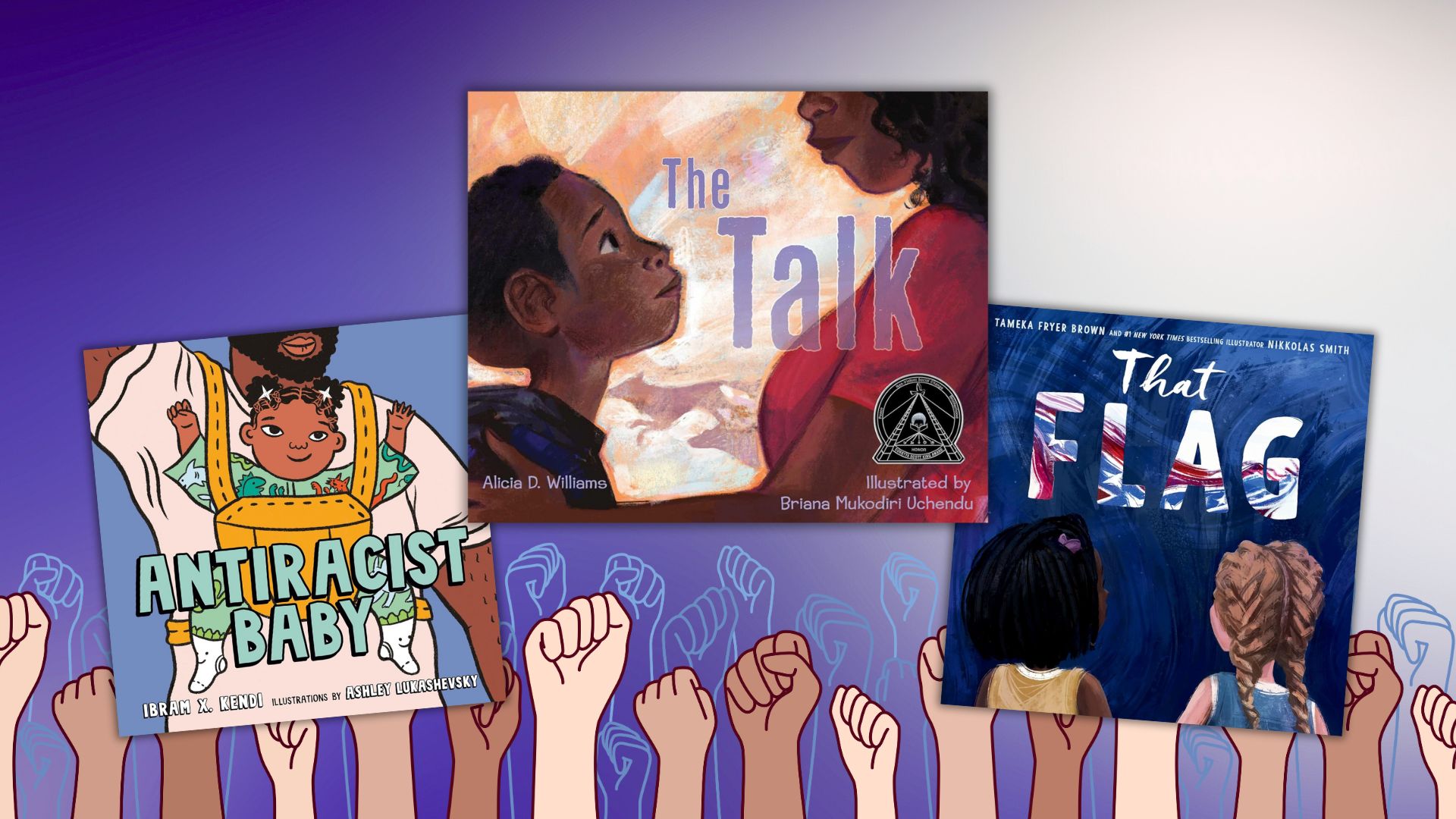
It’s a sad but undeniably true fact that racism and racial discrimination are something children often confront at a very early age. Whether they are witnesses, bystanders, or the target of racist treatment themselves, youngsters are often left with questions about systemic racism that can be difficult for the adults in their lives to answer for them. Still, these conversations should and must be had, as they can help children confront racism in their lives, forewarned and forearmed by knowing that it is born of hate and ignorance and that it is never okay. In that spirit, we’ve gathered ten books that confront the topic of systemic racism head-on with young readers.
Trigger Warning: This article discusses racism and police violence against people of color. Please exercise personal care when reading.
Abuelita and Me by Leonarda Carranza, Illustrated by Rafael Mayani
For the child narrator of this title, there is simply nothing as magical as spending the day inside with Abuelita. They read, play, draw monsters, and paint their nails. And while outside adventures with Abuelita are special, too, the narrator does not like the way some people act towards her beloved grandmother in public. They will often make mean faces at her or treat her meanly when they hear her speak.
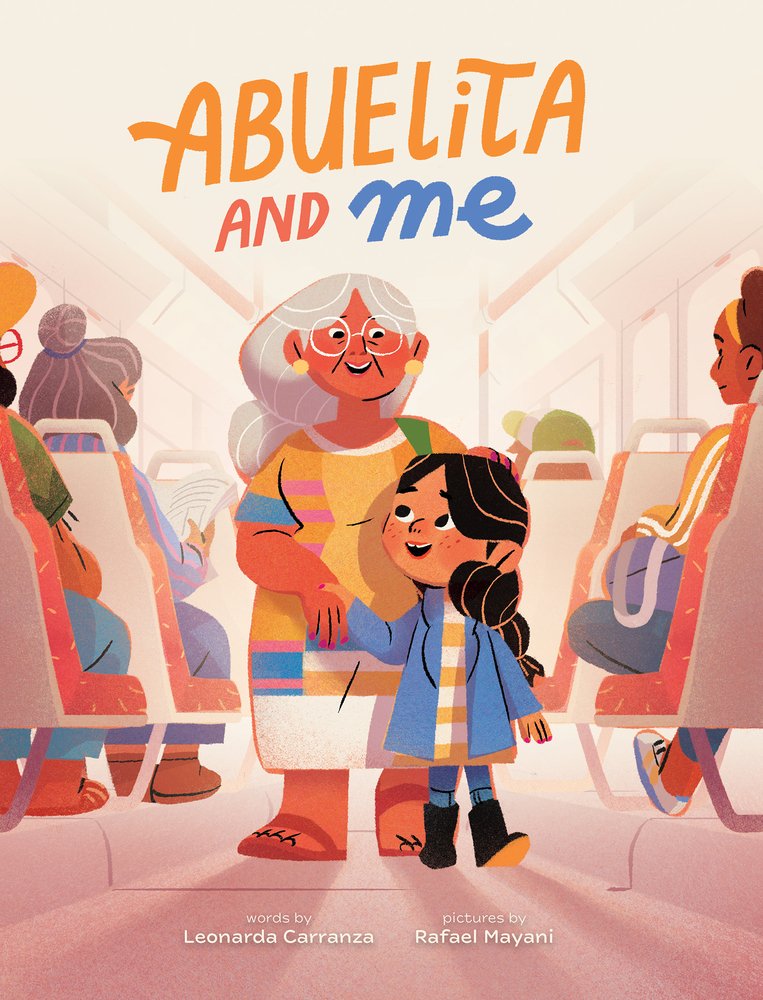
While Abuelita encourages the kiddo to pay no mind to these people, they make the outside world feel like a scary place, especially after a cruel outburst from their bus driver, and cause the child to fear going out in public. A gentle yet heartbreakingly honest look at the day-to-day microaggressions experienced by marginalized people, this book doesn’t skirt the issue of intolerance while still encouraging readers to find the courage to face a world that is often — too often — unkind.
Something Happened in Our Town: A Child’s Story about Racial Injustice by Marianne Celano, Marietta Collins & Ann Hazzard, Illustrated by Jennifer Zivoin
Written by psychologists Celano, Collins, and Hazzard, this is a powerful look at two families — one White and one Black — processing a local police shooting of a Black man. While the adults assume that the two young child protagonists are not aware of the news, they are — and they have questions. While both sets of parents initially try to skirt the issue, Emma (White) and Josh (Black) want to know why this happened. Why was the man shot? Will the policeman who shot him go to jail?

While Emma’s family briefly explains the history of White supremacy in the United States and how it has resulted in a pattern of discrimination against Black people, Josh’s family explains how racism is often systemic and underpenalized. Both families then encourage their children to recognize unfair treatment and stand up to it. A thoughtful, thorough, and moving book that encourages readers of all ages to change the world for the better.
Eden’s Light by Jessica McKay, Illustrated by Jestenia Southerland
Eden knows that she is strong — in fact, she’s a superkid! She’s confident, kind, and always ready to save the day… until the night she comes downstairs and sees something on TV that scares her a lot. A Black man — like her and her parents — was hurt by the police. Suddenly, Eden doesn’t feel very super; she just feels scared. She has trouble sleeping in the dark and feels afraid even in safe places like her school and the hair salon.
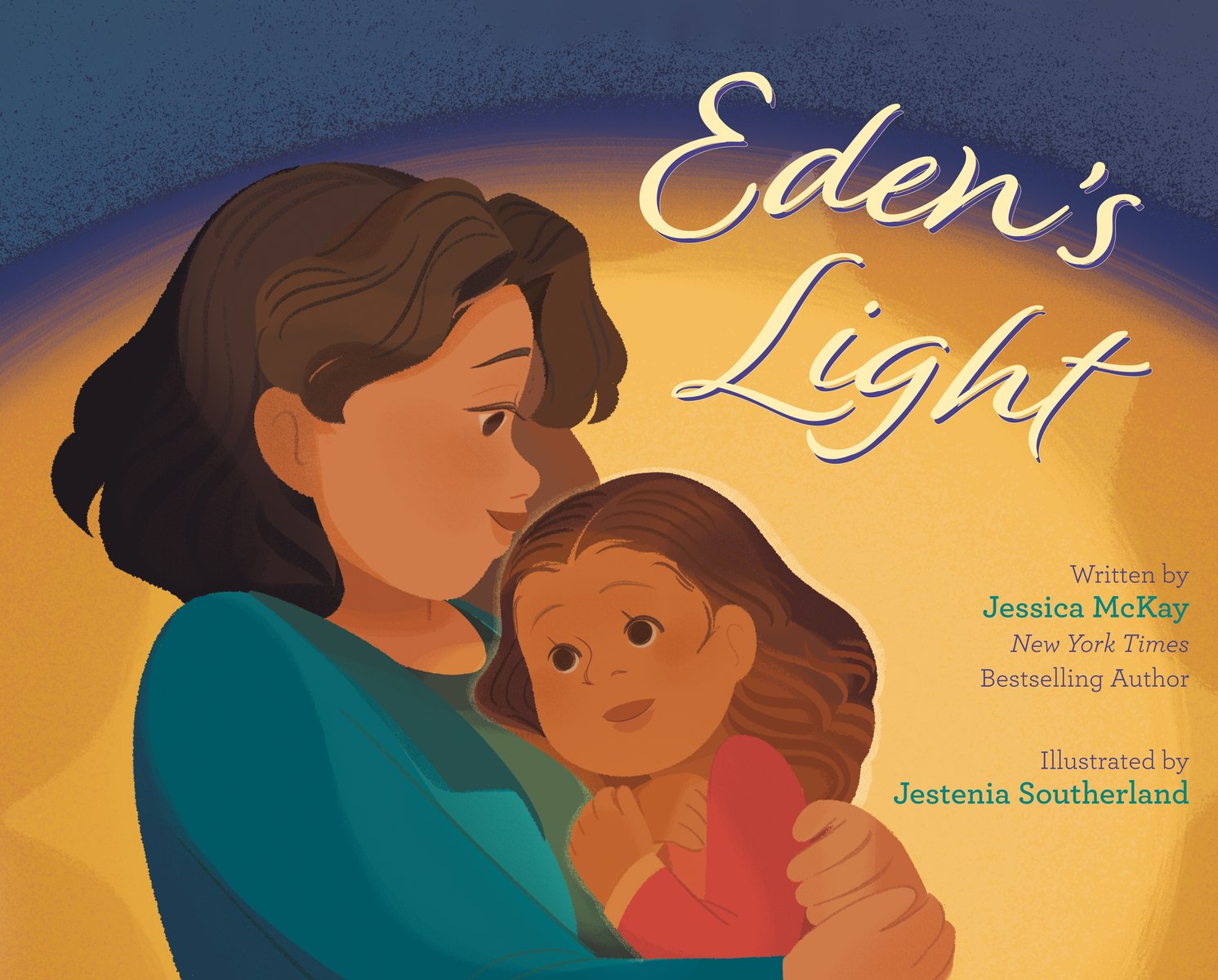
When she opens up to her mother, her mom offers words of comfort: It’s okay that Eden feels vulnerable and upset, especially because the world can be a scary place for people of color. However, she encourages Eden to embrace who she is as a person and the community she comes from; those are the things that give Eden her irrepressible inner light, the most formidable tool one can have to fight the dark.
The Talk by Alicia D. Williams, Illustrated by Briana Mukodiri Uchendu
Little Jay is growing up quick; the “shrimp”-y boy who loves racing down the street with his friends and pretending not to like his Grandma’s cheek pinches (even though he secretly does) is excited to find that he has grown a whole two inches since the last time his mom measures his height. However, with that growth comes a seriousness from the adults in his life: his Grandpa warns him not to gather in groups of four or more with his friends, his mom tells him how to behave in stores, and his dad tells him what to do if he’s ever stopped by the police.
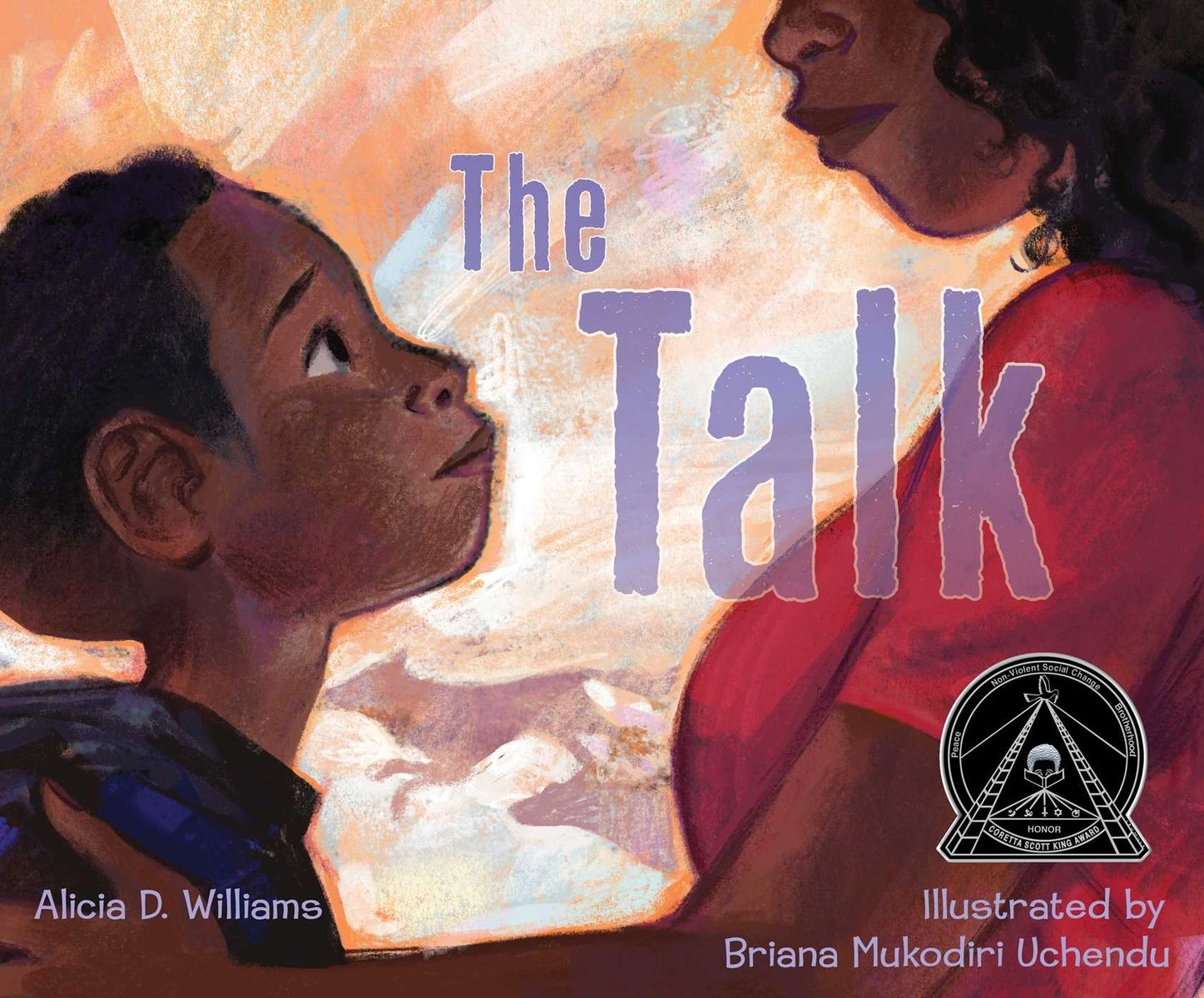
Even other adults are acting weird: he’s suddenly getting angry and suspicious looks from strangers. One day, when Jay tries to leave the house wearing headphones and his favorite black hoodie, his parents call him back and give him a somber talk about racism. A sensitive look at the unfortunately necessary conversation that Black and Brown caregivers must often have with their children, that can help break the ice.
That Flag by Tameka Fryer Brown, Illustrated by Nikkolas Smith
Bianca and Keira are such best friends that they’re practically twins, but only at school. Even though they live on the same street, Keira is not allowed to visit Bianca’s house or invite Bianca to hers. Keira knows why, too: it’s because of that flag. Keira’s parents tell her that it is a hate flag that symbolizes violence and oppression, but Bianca’s parents say that it is a flag of history and heritage. On a trip to the Southern Legacy Museum, Keira’s father explains the national history of the Confederate flag, as well as their own family’s history.
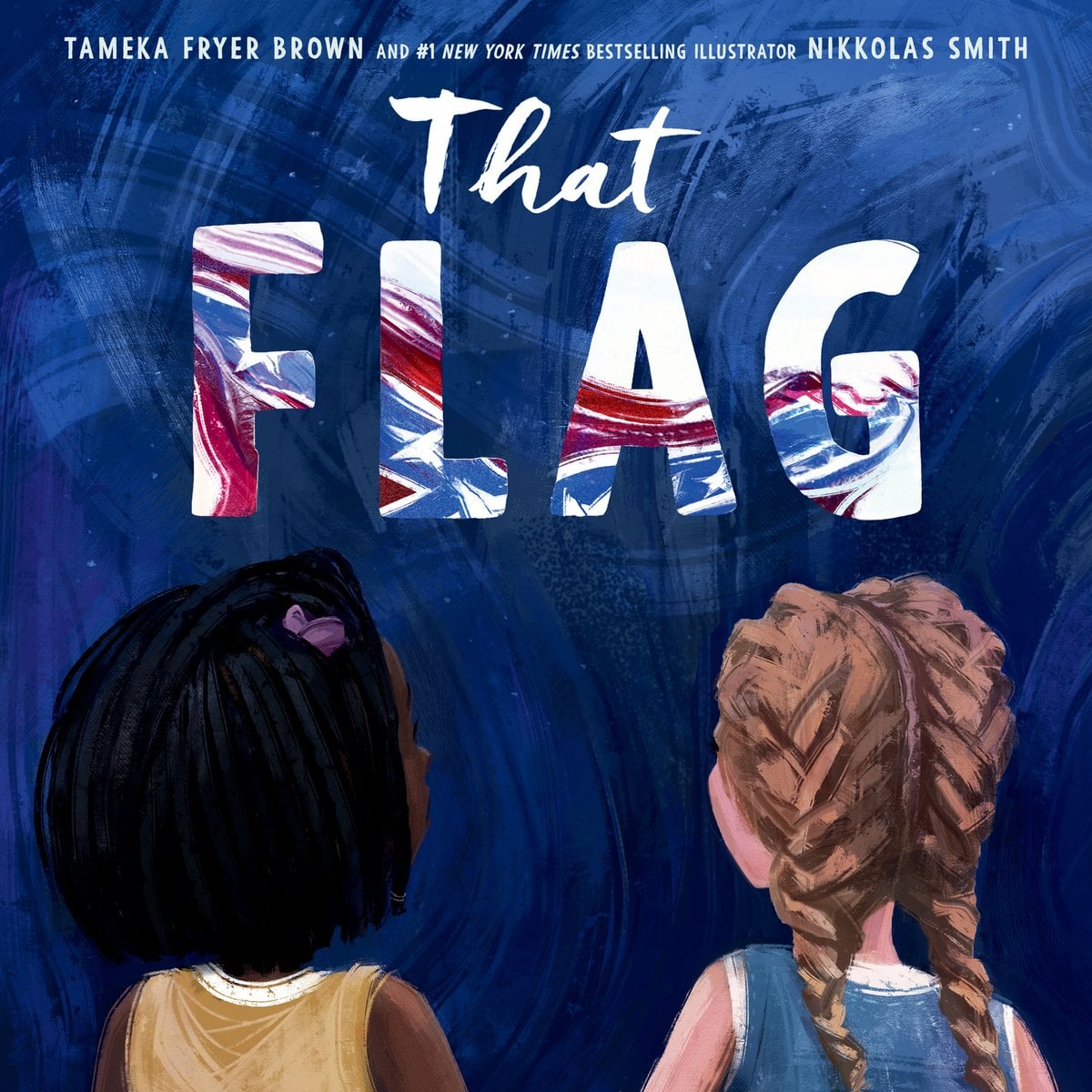
Keira is moved, but Bianca seems unaffected and then angered when Keira insists to their teacher that the flag is a hate flag. The girls’ friendship disintegrates until they both see an incident of racial violence on TV that prominently features the flag, and Bianca begins to understand it for what it is. An important look at how symbols of hatred can be just as damaging as overt racism, especially when people attempt to minimize their meaning.
The One and Only Question by Norma Charles & Andrea Charles, Illustrated by Ken Daley
Zeke is starting his first day at a new school today, and he’s expecting that it will be terrible. After all, things were terrible at his old school, so why should this one be any different? At first, it seems like he’s right: he can’t wear his favorite shirt because there’s a mustard stain on it, no one talks to him on the bus, his new teacher is kind of strict, and his sandwich at lunch is soggy.
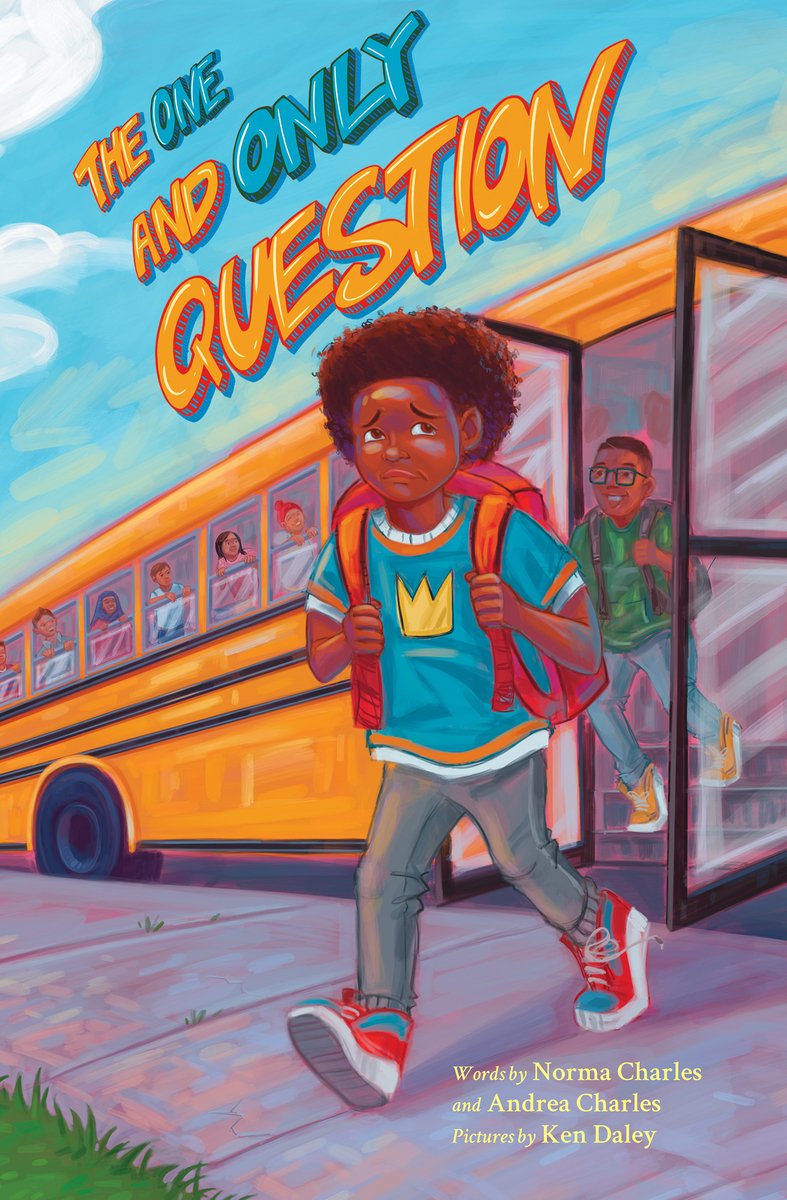
However, as the afternoon arrives, things begin to look up. He makes a new friend who compliments his athleticism, his new bus driver gives him a friendly greeting, and he suddenly realizes that no one has called him the N-word all day (something that happened frequently at his last school). Today was tough, but maybe tomorrow will be great; Zeke has hope. An effective yet reassuring examination of the lasting effects of racism on children that leaves young audiences with the hope that someday, things will get better.
I Am Golden by Eva Chen, Illustrated by Sophie Diao
This book opens on the young protagonist, Mei, being addressed by her Chinese American immigrant parents, who praise Mei’s beauty, potential, and strength. Mei’s parents are honest with her about the difficulties of being a child of Asian immigrants: the racism, the othering, the pressure to culturally assimilate, and the fact that her parents will often rely on her for translation and navigation through American culture.
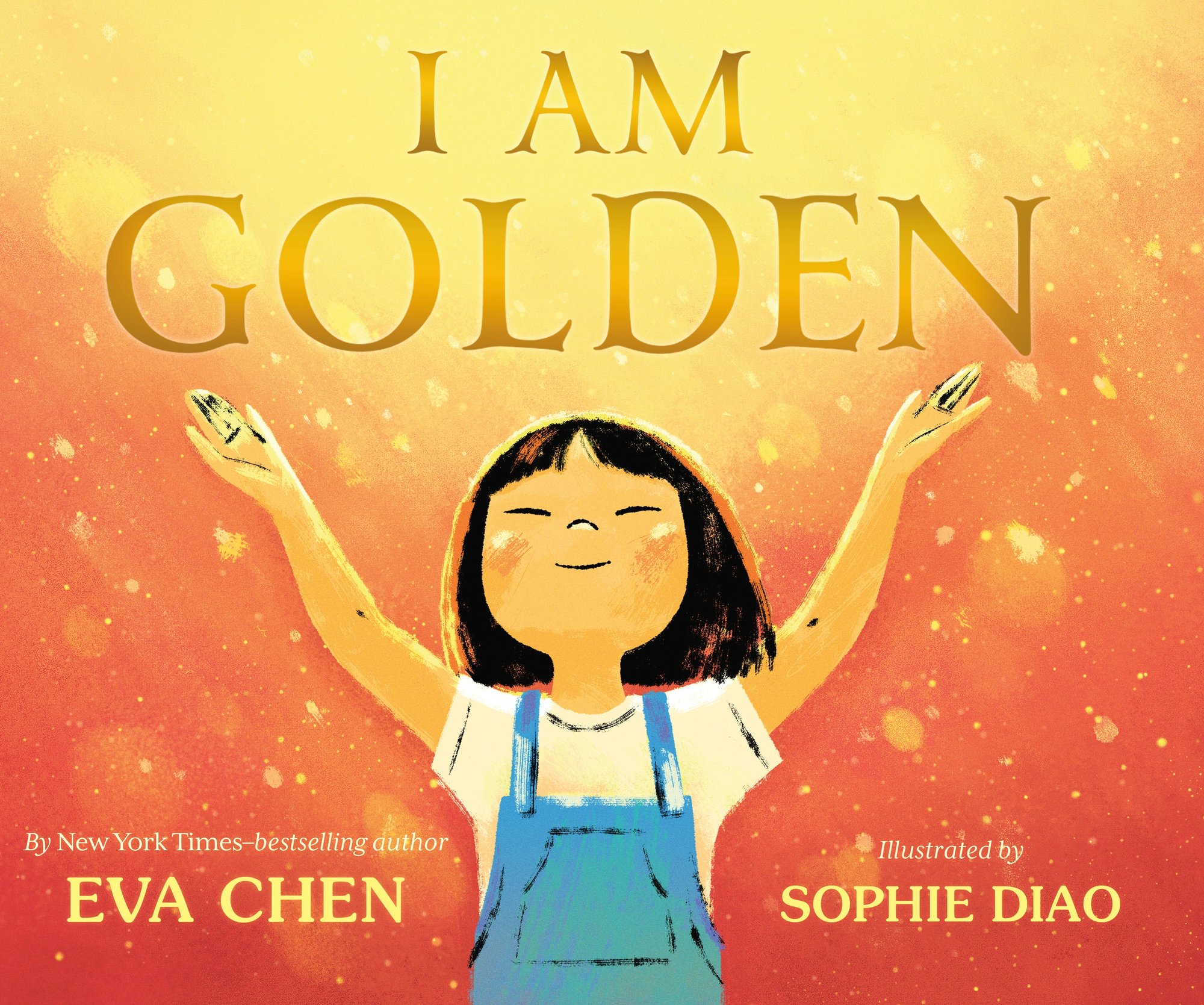
Cuttingly accurate statements on xenophobia — “people will call you different in one breath and then say that we all look the same with the next” — do not shy away from the reality of stereotypes while fearlessly pointing out their absurdity. But they want Mei to know that no matter what challenges she faces, she carries an immeasurable strength within her, one that has the power of her history, her culture, her ancestors, her family, and most of all, herself. A beautiful narrative that is heartrendingly honest, deeply empowering, and truly heartwarming.
Where Are You From? by Yamile Saied Méndez, Illustrated by Jaime Kim
The titular question is often asked of this story’s adorable, afro-puff-wearing child narrator, something that greatly confuses her: She’s from here, same as everyone else. “No, but where are you really from?” people insist, and she doesn’t know what to say. Naturally, she asks her abuelo — he knows everything — and he encourages her to look inside her heart for an answer.

After all, she does come from a legacy of Argentinean and Puerto Rican cultures, mixed-racial heritage, and all the people who loved her into being. However, she also comes from herself, someone only she can define. Lastly, she comes from here, as she already knows, and has every right to feel like she belongs, regardless of the ignorant questions of others. A poetic journey through Latinx diaspora identity mixed with an important examination of a common microaggression, and a lovely read.
A Kids Book About Systemic Racism by Jordan Thierry
Part of DK Children’s prolific A Kids Book About series, this title examines the concept of systemic racism through the powerful words of activist and filmmaker Thierry. As is par for the course with the series, the text is presented with no illustrations, just clear-cut text in age-appropriate language explaining how racist attitudes can leach into social beliefs, attitudes, policies, and laws.

Thierry expertly breaks down how dangerous systemic racism is because it is often so hard to spot, encouraging kids to question unfair rules and practices that place non-White people at a disadvantage or even put their lives in danger. A handy guidebook for kids — and adults — who may have trouble understanding how pervasive and harmful systemic racism can be, that treats the subject with the honesty and clarity that young audiences deserve.
Antiracist Baby by Ibram X. Kendi, Illustrated by Ashley Lukashevsky
How can caregivers raise kids who recognize systemic racism and dare to fight it? This title is a great way to start. Establishing early on that both racism and antiracism are not innate but learned — and that they are mutually exclusive — How To Be an Antiracist author Kendi distills nine steps of learning and teaching antiracism to the very youngest audiences.

Simple, actionable steps ask parents not only to teach things like recognizing the beautiful diversity of skin tone (no “color-blindness” for Antiracist Baby) but also encourage them to examine their own unconscious biases. Advice like using words to talk about race and racism as opposed to staying silent and fighting racist policies allow adult and child readers alike to confront systemic racism openly, bringing it into the light where it has far less power. An essential read for any caregiver hoping to raise antiracist kids, and a title that families can come back to again and again for encouragement and guidance.
While we all hope for a day in which racism is a thing of the past, it is part of our current reality, and one that adults should not be sheepish about addressing with children. We hope that you and your young readers take a look at these books, that they help to clarify the complexities of systemic racism that affect all of us, and especially that they encourage you to become agents of change by standing up against discrimination.
For more of our favorite kids’ books that celebrate diversity, check out our article on Picture Books on Diversity to Build a Better, More Inclusive World.
For all of our recommendations for young bookworms, check out our Bookshop bookshelf.
