









Trigger Warning: This article contains mentions of racism and slavery. Please exercise personal care while reading.
Let’s face it: Hollywood is and always has been overwhelmingly White. Whether it’s in front of the camera or behind the executive desk, Black people have disproportionately been excluded from key production decisions. As a consequence of this, representations of Black people on screen have historically ranged from racist caricatures to graphic suffering. Hollywood jumps at the opportunity to fund movies about Black pain, sometimes even going so far as to romanticize slavery itself. What started this concerning trend? And what does it mean for the future state of Black cinema?
Blackness in the Early Days of Film
Blackface and minstrelsy ran rampant in early cinema in both silent films, like 1915’s Birth of a Nation, and “talkies,” like 1927’s The Jazz Singer. While Black directors like the pioneering Oscar Micheaux fought to improve the image of Black folks in media, the progress, unfortunately, was slow. Micheaux’s movies, while groundbreaking, were produced independently of mainstream studios. It wasn’t until 1929 that Hollywood produced a movie with an all-Black cast, MGM’s Hallelujah. However, its work for representation was anything but a Godsend.
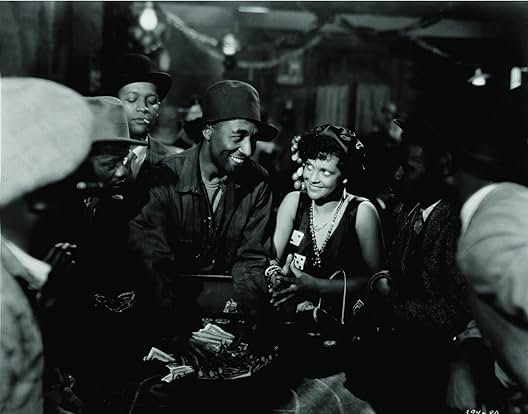
For starters, its director, King Vidor, was a White man from the South, and his misguided beliefs seeped their way into the text. As scholar Judith Weisenfeld put it, Hallelujah held a nostalgic view of the “antebellum ideal.” Its characters also leaned heavily into stereotype, portraying Black people as simpletons, neglecting to flesh them out into fully three-dimensional figures. While Hallelujah does hold historical significance in Black film history, it is also perhaps the earliest example of White Hollywood using Black actors to portray a narrative that really only suits a White audience.
Capitalizing on Black Suffering
If Hallelujah romanticized the antebellum South, 1939’s Gone With the Wind made love to it. Despite MGM assuring the NAACP that they would avoid problematic portrayals like those of Birth of a Nation, Gone With the Wind still proved to be an idealized depiction of the last era of American slavery. The opening crawl for the movie reads:
There was a land of Cavaliers and Cotton Fields called the Old South. Here in this pretty world, Gallantry took its last bow. Here was the last ever to be seen of Knights and their Ladies Fair, of Master and of Slave. Look for it only in books, for it is no more than a dream remembered, a Civilization gone with the wind…
— Sidney Howard, Gone With the Wind
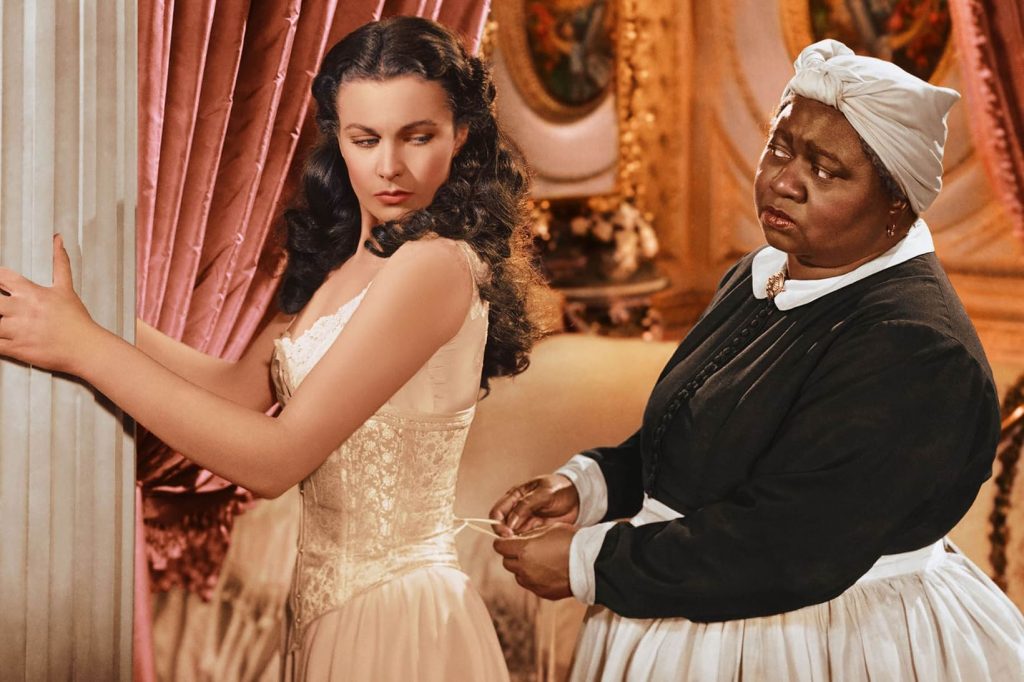
Words like “gallantry,” “knights,” and “ladies fair” cast this heinous portion of history within the same romantic annals as the epic tales of Camelot. The movie openly mourns the loss of these estates that were built upon the backs of slavery. The enslaved characters themselves mostly exist in service of the White characters (both literally and in terms of driving the plot). And the movie was a shattering success. When adjusted for inflation, it is still the highest-grossing movie of all time, with a total intake of over $3 billion.
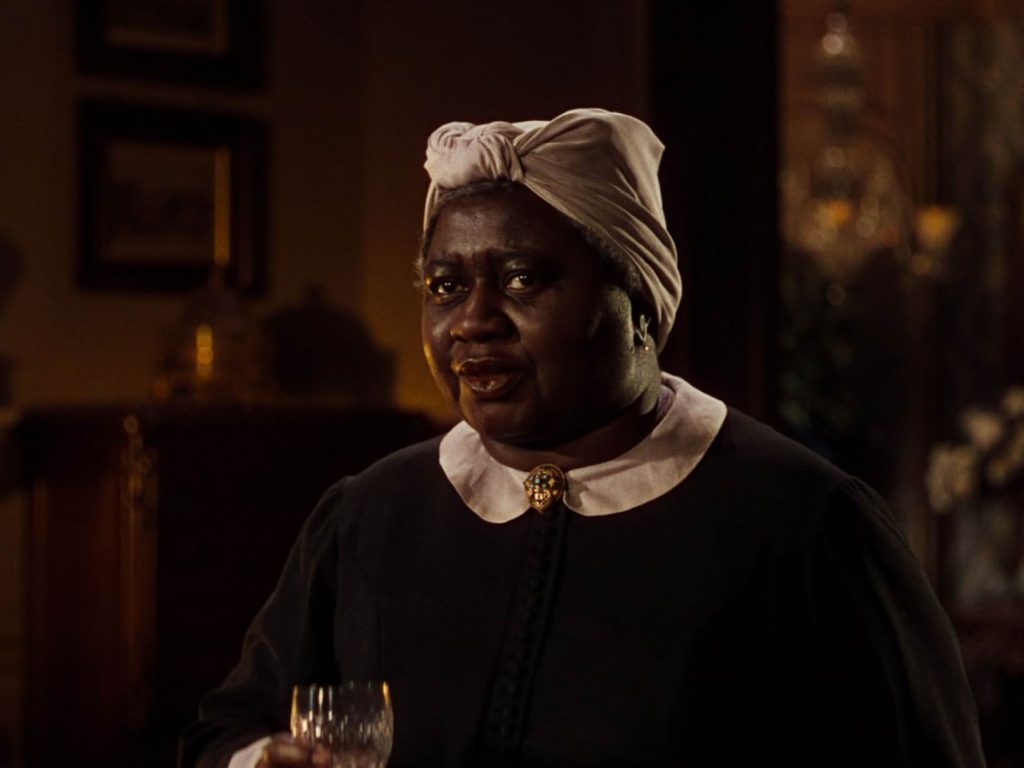
Gone With the Wind was also an Oscar darling, garnering a win for Best Supporting Actress for Hattie McDaniel as Mammy. McDaniel was the first Black person to ever win an Academy Award, setting up the ensuing legacy of Black actors being awarded for roles centered on Black suffering. Her performance received split reviews from the Black community, with many calling it an “Uncle Tom” caricature. Regardless of individual opinion, the damage was done. Hollywood had learned that there was a market to be had within stories about racism and Black pain, granted, of course, that they didn’t alienate the White folks in the audience too much.
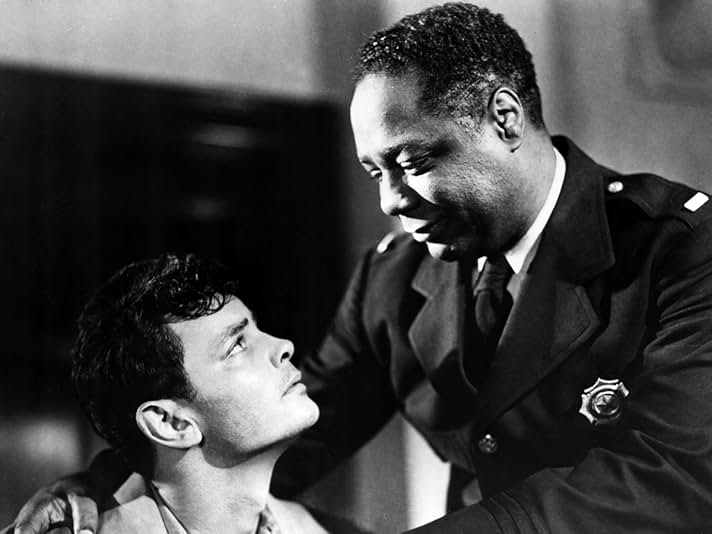
The 1940s were marked by a string of “Negro tolerance movies,” films that took a surface-level approach to tackling racism. In these stories, “White passing” Black characters (most often played by White actors) took advantage of White privilege while also exposing the inherent racism within society. As might be expected, these movies did little to no real deconstruction of racism, but only succeeded in spoonfeeding the “we are all the same” narrative to their White viewers. However, unlike Gone With the Wind, none of these performative projects were major box office hits.
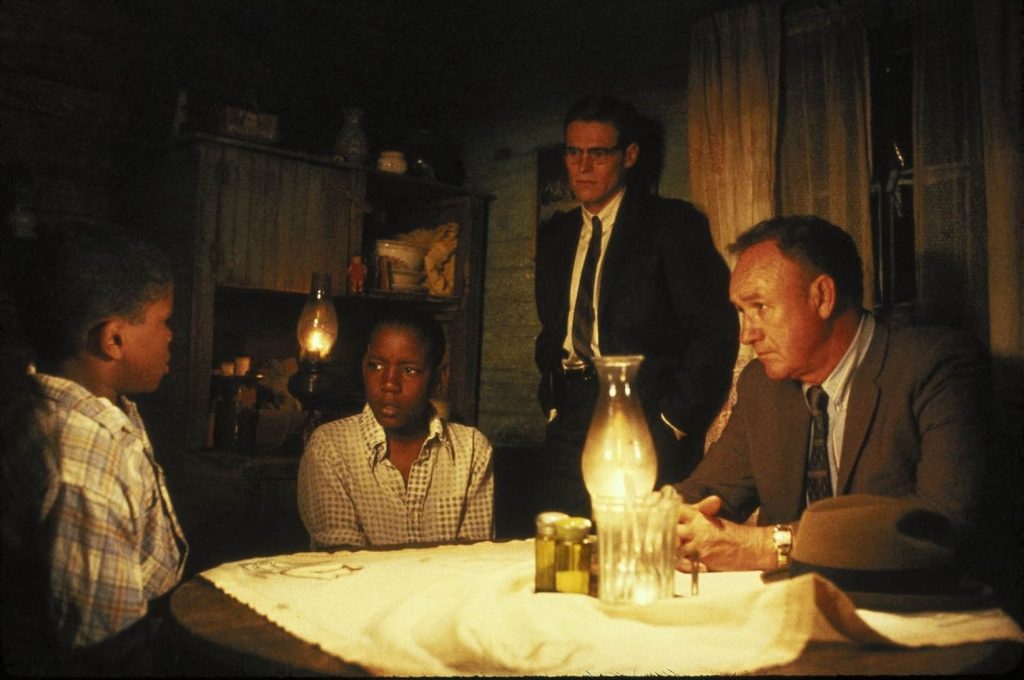
Following the Civil Rights movement, it was no longer in vogue to blatantly romanticize slavery and the Jim Crow era on screen. Instead, Hollywood began tilting toward hard-hitting movies on Black trauma, and the White Savior figure became a common staple. White teachers helping inner city Black students find their truth, and disenfranchised Black characters fighting against oppression beside their token White allies, became prime Oscar-bait fodder. And, boy, did the Academy eat it up…
A Skewed Oscar History
At the time of this article’s publication, 24 Black actors have won Oscars for both leading and supporting roles. Of these actors, half of them won their awards for movies with overt themes of racism, slavery, and/or Black pain. Between 2009 and 2021, every Black Academy Award winner in the acting categories was for films of this type (nine wins in total). The Best Picture nominations of the past ten years follow a similarly troubling trend. Of the 11 nominated films on the Black experience, nine featured explicit themes of racism, slavery, and/or Black pain.
Why do these statistics matter? To put it plainly, they reveal Hollywood’s “obsession with Black tragedy.” These Oscar winners and nominees were not the only Black roles or Black films of their respective award seasons. However, they are the only ones the Academy chose to recognize and celebrate. Clearly, the overwhelmingly White world of Hollywood is primarily interested in perpetuating the narrative of Black oppression over that of Black joy. The implication this leaves with viewers is that Black stories only matter when they are portrayed through the stereotypically racist lens of whatever degrading thing people, often White people, already believe them to be.
Where to Go From Here
The answer to this trend is not to cease making movies about Black oppression. Erasure is just as unhelpful as glorification. What actually helps is to include more members of the Black community at all stages of the production process. Jordan Peele, for example, has become a rising star director in recent years. His films, such as Get Out and Nope, skillfully blend humor and horror while also commenting on racial inequity. More importantly, Peele steers away from the “trauma porn” that White Hollywood seems so fond of. Peele’s movies accurately portray Black oppression without romanticizing suffering.
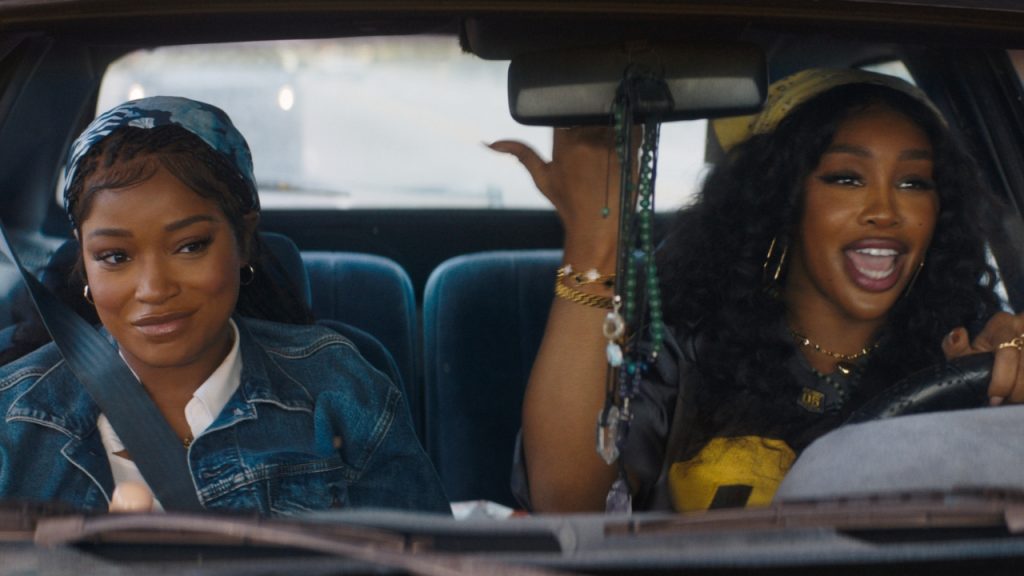
Aside from intentionally consuming Black cinema that touches on this delicate subject matter, we should also seek out more films that celebrate Black joy. It is important to remember that the Black experience is not just about pain. Check out the list below to get your viewing party started:
- One of Them Days
- The Incredible Jessica James
- House Party
- Rye Lane
- Barbershop
- How Stella Got Her Groove Back
If we truly want to change Hollywood as moviegoers, we must hit them where it hurts: the box office. Support films with nuanced portrayals of the Black experience over shilling out to hollow Oscar-bait features.
Read more about the importance of Black representation in media here.
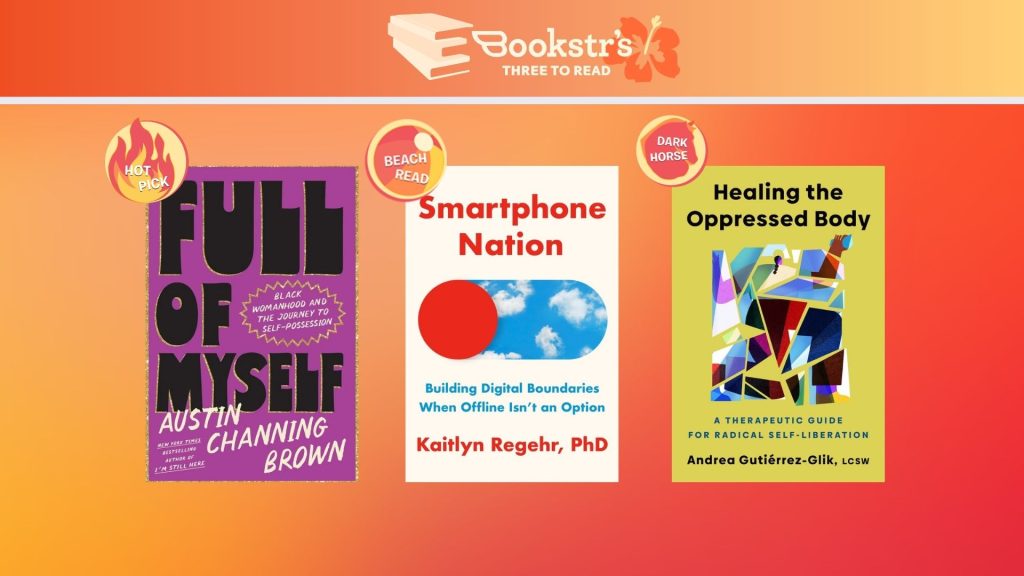
Visit our Black Voices bookshelf on Bookshop to find wonderful stories by Black authors.