


















The ASU Creative Writing Department has recently announced that it is officially removing its portfolio review as a requirement for undergraduates to finish their degrees. This is a big step towards making writing and education more accessible, but why is it so important? Furthermore, what does this mean for the future of creative writers and the current and past writers affected by the review?
What Was the Creative Writing Portfolio Review?
The portfolio review was part of ASU’s creative writing requirement to allow selective students to advance in the workshops. These workshops were a requirement to finish with an undergraduate degree in creative writing, but the portfolio was also available to students outside of the major. The review selected a certain number of students that could attend these classes due to the lack of funding and tenured professors available to teach these courses. This selection was said to provide higher education to those serious about their craft and led to at least half of the applicants being rejected each year. These workshops held about 15 students each and depending on what they could accommodate per semester, on average, 15 to 60 students would be accepted. With over 2,500 students in the English department alone, this portfolio became a competitive, and often stressful, environment for undergrads.

We were allowed two attempts in submitting our portfolios, which included a short story of up to 10 pages, a cover letter explaining who we were and why we should be accepted into the concentration, and a craft essay, varying from having to analyze literary books to short stories. While helping your students learn to put together a portfolio was an educational experience for us, the problem was that we were not told of a portfolio review before entering our major. The portfolio page on the ASU website was not in the English department section but rather the academic advising section, ready for students once they were told about it halfway through their first workshop class. This has been taken down since the elimination. For many students, this gave us as little as three weeks and up to a month or so to provide a full portfolio that was supposed to show the best of our abilities.
Problems With the Handling of the Review
One of the biggest issues students had with the portfolio was how it was handled. Since students found out about the portfolio through our first workshop class, Justin Petropoulos, the program manager, would come in to explain the portfolio to us. When asked about being able to contact Justin for more questions, some students recall him advising us not to contact him due to “superstition” that emailing him for questions would lead to not getting in. This information had been spread among students for those who did not ask about emailing when he visited them.
Others remember being told literary short stories were favorable over genre stories, which influenced less creativity in their stories that were meant to represent them and what they wished to write. Students such as fantasy and sci-fi writers transitioned into literary writers overnight to appeal to the deciders since many were worried about the possibility of not getting in if they decided to continue in their preferred writing for the portfolio.

When it came to submitting, some students felt their portfolios were not considered to the fullest extent, considering the influx of applicants and the short time they promised to report back. Confirmation emails took as little as the promised three weeks, while other semesters took as long as two months. Applicants typically did not know if they got in until after classes for the next semester opened, which caused another conflict on which classes we chose due to education and scholarship requirements. Students have expressed their mixed feelings about the review because while it did help us as students to put together a portfolio of our work, and some of us got helpful feedback from the professors that helped us work on them, the handling of the review left many feeling the bias pressure and the lingering unfairness to the time allotted.
For those who got rejected, a major change was required due to their inability to finish the course, resulting in the university getting more money from us, as this tended to add extra classes and a possible semester or two, depending on when we changed majors. Students who take another semester tend to pay at least $6000 in tuition along with other finances involved throughout their semesters. For such a risk to our finances, students wished the program was handled more appropriately and less carelessly.
The Elimination of the Portfolio Review
In the middle of the 2025 spring semester, Sally Ball, the director of the Creative Writing Department, along with Justin Petropoulos, sent an email relaying the news of their ability to eliminate the program. To the best of my knowledge, this email was not sent out to all English majors but only to select students already in the creative writing program. Current and past students who have stayed connected are circulating the email themselves and are deciding their best paths forward. In the email, it was relayed that there would be changes to the curriculum “depending on when you entered ASU and declared your major.”

I had the privilege to ask Sally Ball about this, and she said, “a change in the leadership and the ethos of the department… we can afford to hire additional instructors to teach these classes in a way that wasn’t possible before.” Director Ball mentioned that some added courses to the curriculum would involve “Reading as a Writer” and “Developing as Writers,” which are meant to “help train writers more rigorously as readers and thinkers about literature.” Along with these possible changes, workshop spaces will only be limited to those in the concentration before they are open to the masses.
What Is the Future for ASU Creative Writers?
For current students choosing to go forward with the major, many have expressed concern over the limited seating in the workshops for next fall due to the influx of students who have been waiting for this opportunity. Some peers have expressed concern over the future legitimacy of the concentration and the writers they produce, as eliminating the option for a review may lead to less dedicated writers joining the program. While many did not like the competitive and misguided aspects of the review, having a review itself did allow students to express their love for writing and the work they wish to produce from their degree.
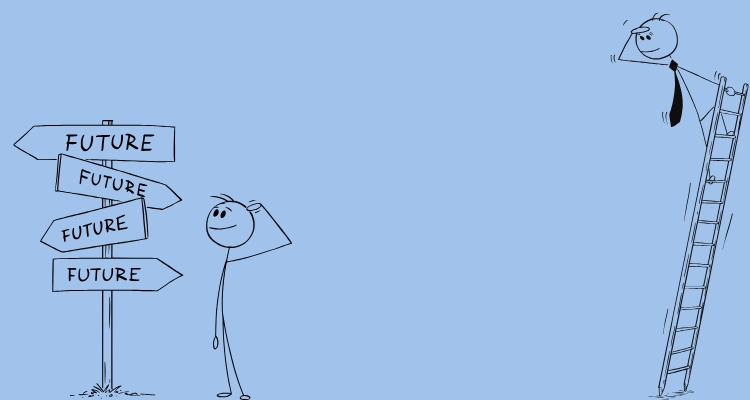
As for future ASU students looking to be creative writing majors, this change will be a positive amendment to the concentration as incoming students will not have to worry about this hidden obstacle that could prevent them from graduating in the major they already spent time and money on. This is a big step forward for writers in general, as it allows writing knowledge to be more accessible to aspiring writers who will further improve their craft. As more writers graduate from ASU, we will no doubt see a greater variety of significant works in the coming decades.
When asked if she had any comments for those affected by the portfolio review, Director Ball took careful consideration before expressing how “it’s never been anyone’s ideal having this hurdle between people and something that they want to study, so it’s exciting for the hurdle to go away… the universities own financial capacity to support the removal of portfolio review has changed… that’s no consolation to somebody who didn’t get in so I don’t know what would console them other than the fact that when it became possible to take this hurdle away we rushed to take it away. It’s quite a dash doing it in the middle of the semester. I guess that’s evidence of how eager we are to dismantle it… It’s not that we loved it and now we don’t like it, we never liked it, we just didn’t have the resources to remove it so we’re feeling lucky that the university is supporting creative writing in this way.”
The elimination of the portfolio review is a big step for ASU and the writers they produce in these next graduating years. This program is ongoing in its efforts to evolve to provide the best education its staff can provide to aspiring writers; however, remembering the treatment towards past students is important for aspiring ASU students and the ASU department heads. Accountability is essential to providing top education that does not repeat previous mistakes. For the amount of money students put into their education with ASU, we hope you can show us that you value our education as much as we do moving forward.
Looking to read more on writing? Click here.
Find resources to help your writing on our Writer Inspiration – Tips, Tricks, and Book Recs on Becoming a Better Writer bookshelf on Bookshop.org.
