

















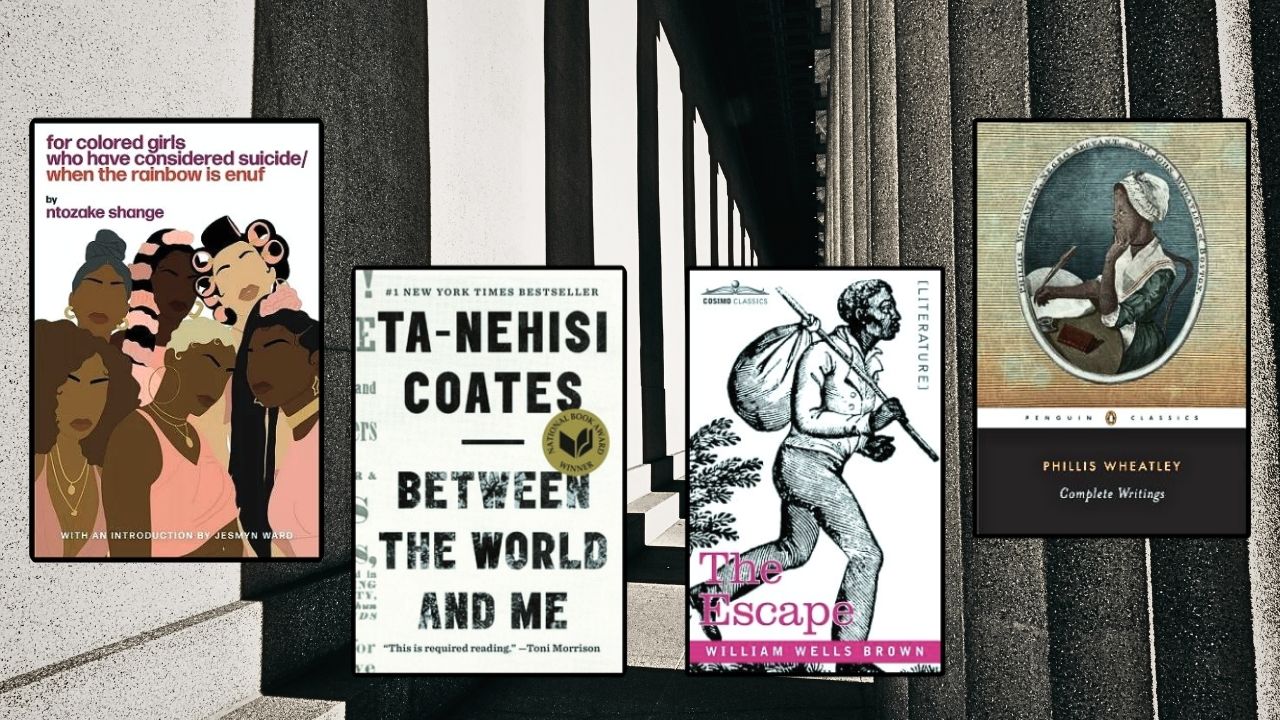
During the month of February, we’re reminded of the wealth of contributions Black people have made. While we can — and should — celebrate these contributions all year round, they are not so openly hailed on an everyday basis. This brings us to a corner of the world where written contributions by Black authors must be uplifted, especially during a period where their voices are being muffled due to the ongoing book bans across the country.
However, their books are important culturally and historically. Their voices and words are timeless and transcendent, reaching readers in our modern society, where the years may change but their impact continues to be felt. From Zora Neal Hurston’s Their Eyes Were Watching God to Ta-Nehisi Coates’s Between the World and Me, we take an in-depth look at some of these prolific Black authors whose prose has helped forever change people’s worldviews through literature.
Zora Neale Hurston’s Their Eyes Were Watching God
Born January 15, 1891, in Alabama, to former enslaved parents, she was an anthropologist and folklorist who wrote about the southern Black experience. Reintroducing Zora Neale Hurston, American novelist, playwright, and significant figure in the Harlem Renaissance Movement. She’s worked alongside other prominent figures in the movement, like fellow writer and friend Langston Hughes. Together, they penned the comedic 1930s play Mule Bone, which centered around Negro life in three acts.
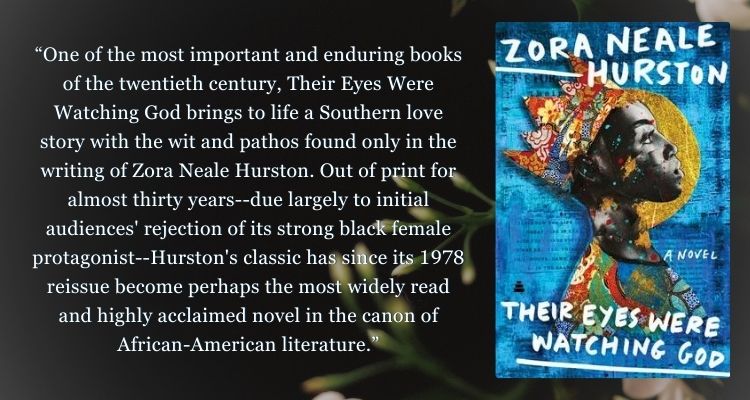
One of Hurston’s most notable works, her 1937 novel, Their Eyes Were Watching God, stands out as a classic read that moves through intersectional issues of gender and racial oppression Black women faced as they struggled for their own independence. While the novel was not initially well received due to its female lead, by the 1980s, it came to be recognized as one of the most important writings in the history of African American literature.
Langston Hughes’s I, Too
He was born February 1, 1901, in Joplin, Missouri, and was an influential leader of the Harlem Renaissance Movement. His poetic writings ushered in a new literary style known as jazz poetry, which incorporated jazz-like rhythms and improvisations. Reintroducing James Mercer Langston Hughes, American poet, activist, playwright, and novelist. Hughes was an instrumental figure in the African American revival of music, dance, art, and literature in the 1920s and 1930s.
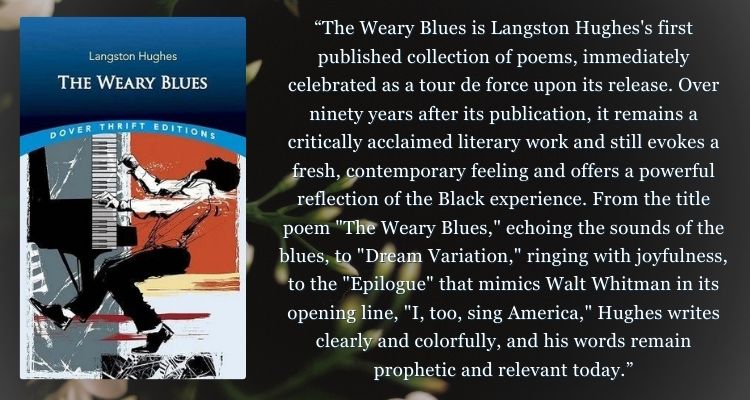
Hughes’s poetry focused on the social experiences of Black people, giving a glimpse into their joys and struggles, as well as issues surrounding racism. One of his most significant poems, I, Too, published in his first poetry collection, The Weary Blues, in 1926, speaks of equality and optimism, of gaining a seat at the table alongside his white counterparts. An important piece of literature that endures, Hughes’s words are engraved on the walls of the National Museum of African American History and Culture.
Phillis Wheatley’s Complete Writings
Kidnapped from her West African home and brought to America as a slave in 1761, she went on to become one of history’s most prolific Black poets. Taught how to read and write by the family that purchased her, she went on to publish her first poem at the ripe age of 14. Six years later, she gained her freedom and went on to become the first Black woman to publish a book in the US. Reintroducing Phillis Wheatley, American poet and author.
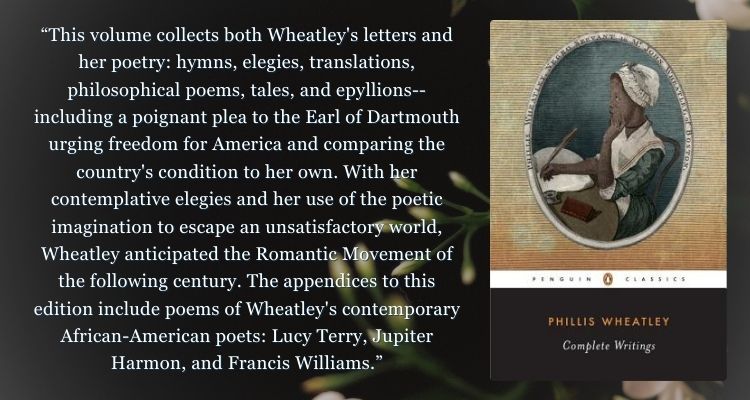
Her book Poems on Various Subjects, Religious and Moral, published in London in 1773, expressed pride in her African heritage as well as displayed her intellectual acuity during a time when Black people weren’t seen as intellectually capable. As a matter of fact, US publishers doubted the authenticity of Wheatley’s writings and rejected an initial collection of her poetry. It was only when she traveled to London that Wheatley found a publisher willing to disseminate her work. Today, Wheatley is recognized as one of America’s most renowned voices in literature.
Richard Wright’s Native Son
Born September 4, 1908, he hails from Roxie, Mississippi, and was an influential author who began his career working for the Federal Writers Project, a government-sponsored project created in 1935 during the Great Depression that provided jobs for out-of-work writers. Most notably, he’s known for his autobiographical book, Black Boy. Reintroducing Richard Wright, author and poet.
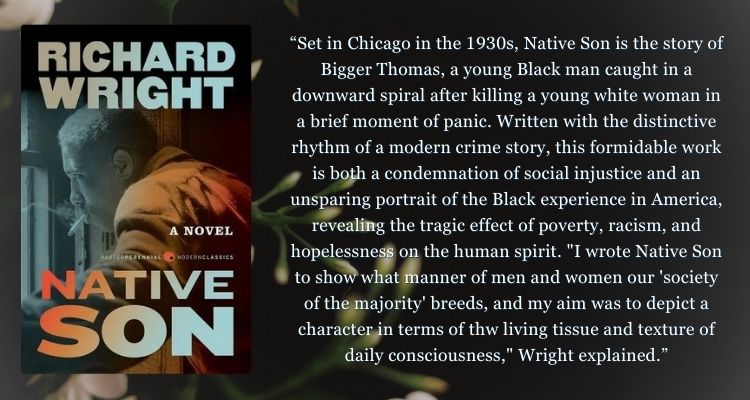
After writing a collection of short stories called Uncle Tom’s Children, which depicts the brutal conditions southern Black Americans faced during this time, Wright was ushered into literary prominence. One of his most noteworthy novels, Native Son, published in 1940, a tale that speaks about poverty, systemic racism, and disparity, solidified Wright’s place among influential literary greats of the 20th century.
Gwendolyn Brooks’s Selected Poems
She was born July 7, 1917, in Topeka, Kansas, and was the first Black American to receive a Pulitzer Prize for poetry for her 1949 Annie Allen poetry collection. She published her first poem at age 13 in the magazine American Childhood. Authoring more than 20 books, she is viewed as one of the most influential and widely read 20th-century American poets. Reintroducing Gwendolyn Brooks, poet, author, activist, and teacher.
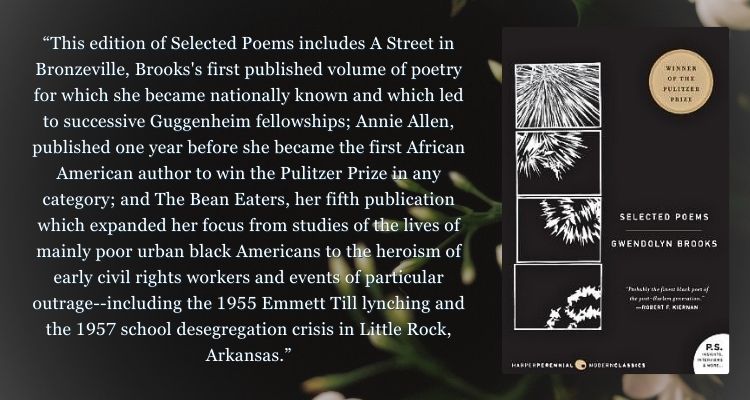
Brooks was the first Black woman to become the Poet Laureate Consultant (changed from Consultant of Poetry) for the Library of Congress, as well as serving 32 years as Illinois Poet Laureate. Out of the many books she’s penned, among them are two autobiographies and her only novel, Maud Martha. Brooks is hailed for her authentic depictions of the Black experience and universally praised for her literary works.
William Wells Brown’s The Escape; Or, a Leap for Freedom
Hailing from Lexington, Kentucky, he was born a slave and managed to escape in 1834 at the age of 19. He became the first Black person to publish a novel. His first novel, Clotel, was published in 1853. In 1858, he published his first play, The Escape. Reintroducing William Wells Brown, novelist, playwright, lecturer, and abolitionist. Brown was the first Black American to be published in several genres and also went on to depict the historical accounts of Black people during the Revolutionary War.
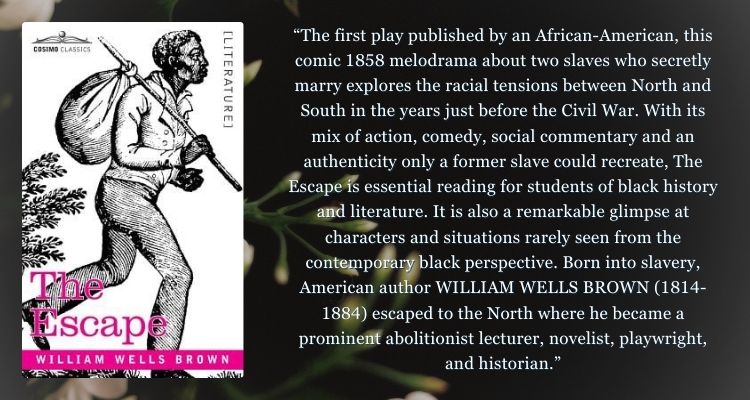
His play The Escape is an in-depth telling of the tensions between the North and South that would culminate in the start of the Civil War, as well as issues dealing with race and gender in contrast between white slave owners and enslaved Black people. The Escape is praised as one of Brown’s most prolific works, and Brown himself is praised by many as one of the literary greats of the 19th century.
Ntozake Shange’s For Colored Girls Who Have Considered Suicide When the Rainbow Is Enuf
She was born Paulette Williams on October 18, 1948, in Trenton, New Jersey, but later changed her name to show pride in and draw closer to her African heritage. Her 1976 play, For Colored Girls, won the prestigious Obi Award. Her work explores the Black experience through a Black feminist’s eyes, blending music, dance, and poetry using a unique style called a choreopoem, which she is credited for creating. Reintroducing Ntozake Shange, playwright and poet.
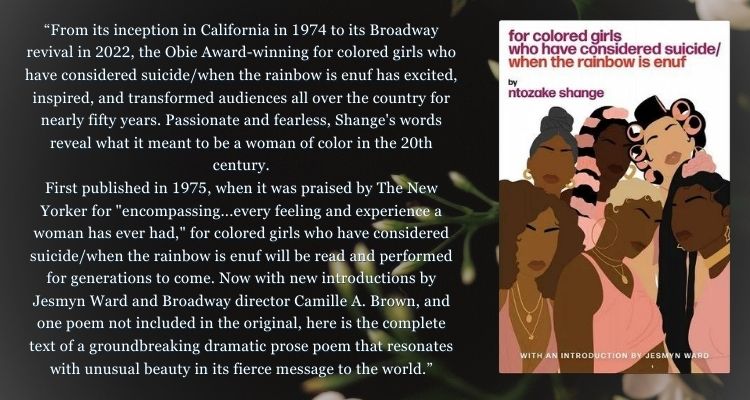
First appearing on Broadway, Shange’s powerful play highlighted racial issues and Black women’s parallel oppression in being both Black and female. Through the dramatization of dance and poetry, For Colored Girls bends genres as the play moves through Black women’s heartbreaking stories of abuse and disappointment but also their recognition in each other the promise of a better future. An inspiring and impactful piece of literature on display that stands the test of time.
Ta-Nehisi Coates’ Between the World and Me
Born September 30, 1975, in Baltimore, Maryland, he worked as a national correspondent for The Atlantic, where he gained a large following writing about cultural, social, and political issues concerning Black people. Though he penned his first book, The Beautiful Struggle: A Memoir, in 2008, it would be his award-winning 2015 novel, Between the World and Me, that would raise him up as one of the most influential modern Black writers. He’s penned four books, as well as the Black Panther comic book series. Reintroducing Ta-Nehisi Coates, American journalist, author, and activist.
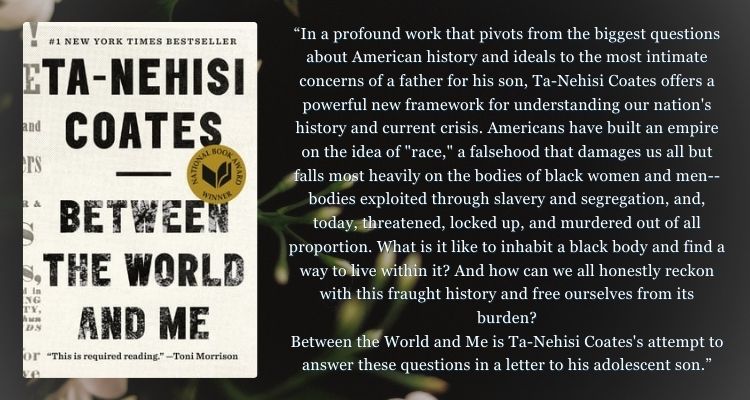
Coates’s Between the World and Me seeks to answer questions surrounding his personal experiences dealing with race, oppression, identity, and fear in the form of a letter to his son. The novel also presents ideas on how American society can improve and progress. Coates’s voice and extraordinary expression through words have remarkably impacted contemporary literature.
Black Authors Speak, Past and Present
Over the centuries, prominent Black American voices have given rise to today’s modern Black storytellers, who continue the trend to ensure their stories are told. From past to present, we celebrate these literary heroes for their moving truths and profound way of weaving together culture, experience, and etchings of history to tell their tales. During Black History Month, we raise a glass to these literary geniuses who’ve certainly imprinted upon us and forever changed literature.
I’ve known rivers:
I’ve known rivers ancient as the world and older than the flow of human blood in human veins.My soul has grown deep like the rivers.
I bathed in the Euphrates when dawns were young.
I built my hut near the Congo and it lulled me to sleep.
I looked upon the Nile and raised the pyramids above it.
I heard the singing of the Mississippi when Abe Lincoln went down to New Orleans, and I’ve seen its muddy bosom turn all golden in the sunset.I’ve known rivers:
Ancient, dusky rivers.My soul has grown deep like the rivers.
The Negro Speaks of Rivers, Langston Hughes
Check out the Poetry Foundation for more on Langston Hughes, Gwendolyn Brooks, and other notable poets.
Want to learn more about other Black authors that have changed literature? Click here.
Be sure to peruse our Diversifying Your TBR: Beautiful Black Voices in Literature bookshelf on Bookshop.org.
