















Trigger Warning: The mention of depression, suicidal thoughts, and suicide in this article may be triggering to some readers. Please engage in self-care as you read this article.
A common misconception is that talking about suicide will make people more likely to commit suicide. This is not true. Having an open, honest conversation can help tremendously. It can empower the person experiencing suicidal thoughts, show them that they are not alone, and reduce stigma. This article showcases five authors who started this conversation by writing a memoir about their struggles with depression and suicidal thoughts. Their unique perspectives shed light on the complexity of mental illness. They can also provide a deeper, multi-faceted understanding of mental illness.
Darkness Visible by William Styron
Most of us probably know William Styron as the author of Sophie’s Choice and The Confessions of Nat Turner. But during this high point in his career, Styron was also struggling with depression. This prompted him to write a memoir titled Darkness Visible, describing his battle with suicidal thoughts. A detailed description of his battle with depression is realistic, raw, and beautifully lyrical. Styron examines both the social stigma around depression and the different clinical treatments available. His memoir gives a glimpse into the complex and often isolating position a person with depression might find themselves in.
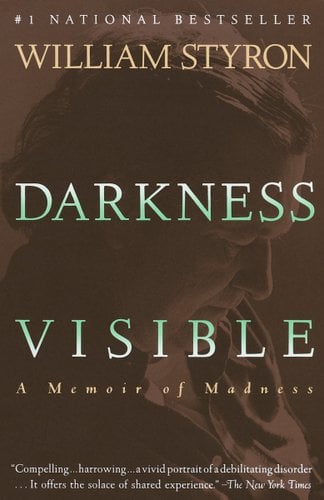
With his depression overwhelming him, Styron starts having suicidal thoughts. He eventually gets professional treatment. He begins a gradual recovery with the support of family, friends, and professionals. Styron’s memoir offers a glimpse into the debilitating and complex mental health issue that is depression. One of the main takeaways of this powerful memoir is that depression is a disease with many faces. Darkness Visible critiques the social stigma around mental illness and highlights the importance of professional support.
Reasons to Stay Alive by Matt Haig
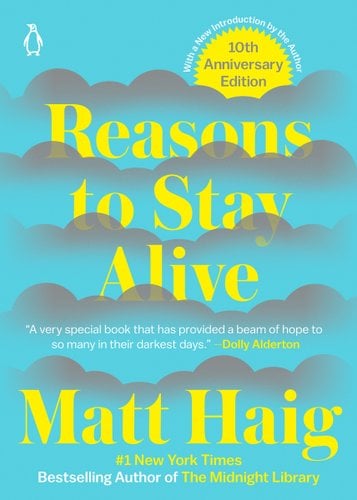
Matt Haig has struggled with depression since his 20s. This memoir, Reasons to Stay Alive, recounts his struggle with depression and how it led to feeling disconnected from reality and trapped in his own mind. But this is as much a memoir as it is a little guide to life. As the title suggests, it is filled with little lists that point out beautiful things that are worth living for. Haig uses this opportunity to showcase the habits that helped him in his recovery, such as reading. While giving a realistic glimpse into what it is like to struggle with depression, Reasons to Stay Alive is a guide filled with resources to reconnect with the world.
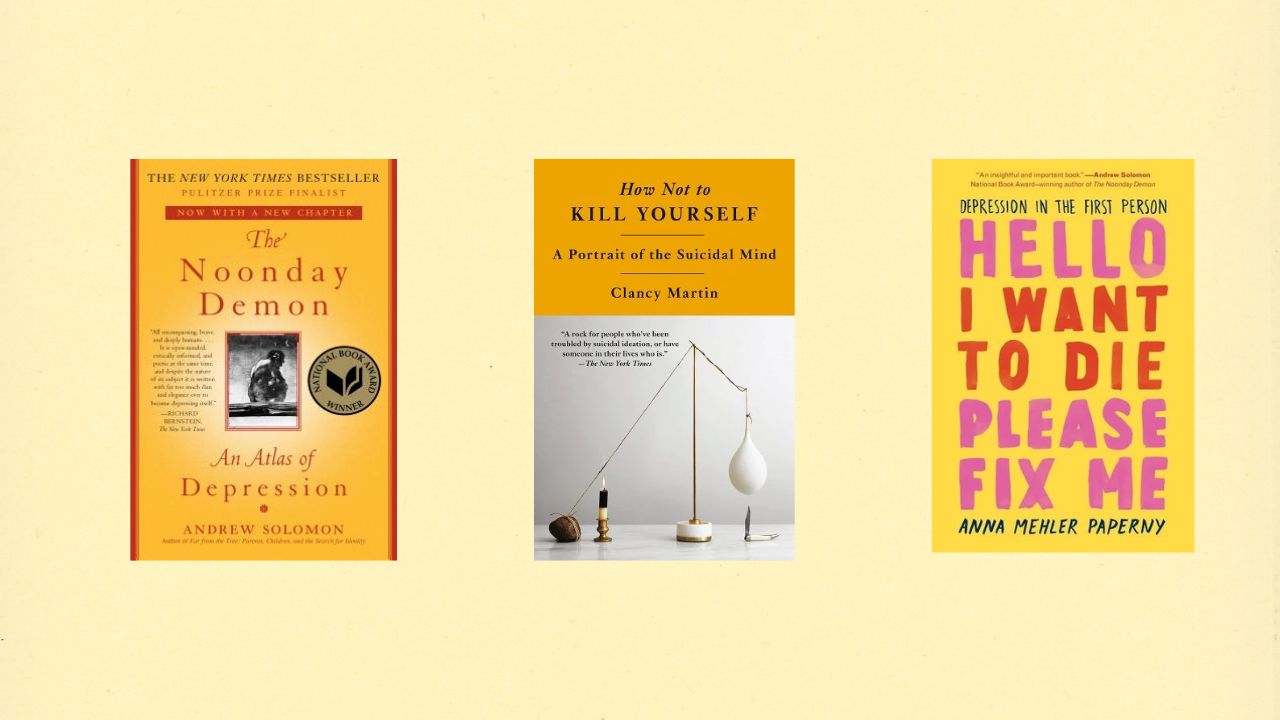
The Noonday Demon: An Atlas of Depression by Andrew Solomon
Andrew Solomon’s memoir The Noonday Demon illustrates a life suffering from anxiety and depression. His depressive episodes intensified after the death of his mother, leaving him unable to do even the most basic daily tasks. Feelings of suicide brought him close to taking his own life. Solomon says that his recovery is largely due to his decision to seek professional help and treatment. His unflinchingly honest recounting of his multiple breakdowns is only part of this memoir. It also includes interviews with people from all walks of life, from rich Upper East siders to people living in slums. Scientists, doctors, and psychologists are also among the people he interviewed.
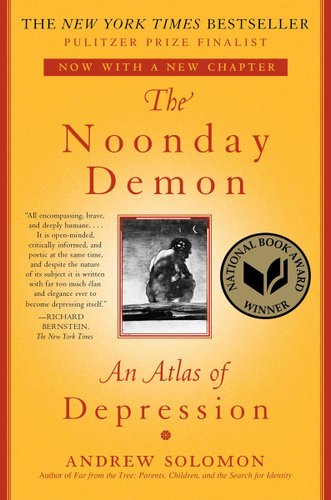
His own journey included many different kinds of treatments for depression, from medical to spiritual. And Solomon is not afraid to ask difficult questions. How do culture, politics, and economics change the way we view mental illness? What treatment options are available? While this is deeply personal, it is also a global exploration. Solomon advocates for reform change, and his book is a strong start. Depression is a big, messy, unidentifiable illness. A shapeshifter. It’s messy and complex. That’s the final message of the memoir. Depression is different for everyone. It feels and looks different, and the treatment will differ for everyone.
How Not to Kill Yourself: A Portrait of the Suicidal Mind by Clancy Martin
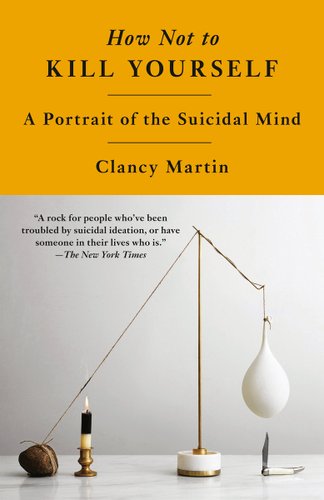
Clancy Martin’s memoir How Not to Kill Yourself offers a unique insight into suicidal ideation. After multiple attempts to take his own life, Martin’s own understanding of suicide creates the basis for this book. As a professor of philosophy, his book also explores the philosophical meanings of life and death. Trying to understand different perspectives, Martin turns to art and literature. In doing so, he also illustrates the different myths and stigmas surrounding suicide. The memoir is structured in a way that everyone whose life has somehow been touched by suicide can find helpful chapters. Throughout his memoir, Martin stresses openness and support. Reaching out and talking openly about suicide can save lives.
Hello I Want to Die Please Fix Me by Anna Mehler Paperny
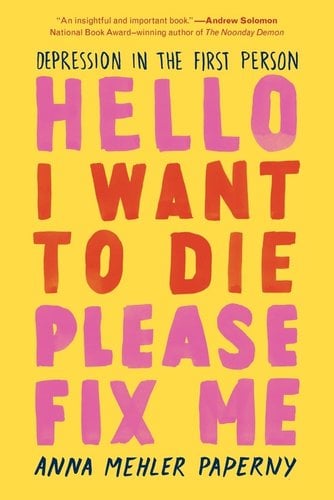
In Hello I Want to Die Please Fix Me, Anna Mehler Paperny offers a more journalistic approach on depression and suicide. As a journalist herself, Paperny gives the readers an account of her life struggling with depression which led to multiple suicide attempts. In her attempt to get professional help, she encounters a mental health system at the brink of collapse. Frustrated by the lack of accessible mental health support, Paperny takes it upon herself to investigate the system. In doing so, she interviews multiple doctors and mental health specialists, seeking answers as to why the system is failing people who are struggling. Open discussions and care reform are the important changes Paperny highlights in her book. Her own journey of getting professional support and treatment is interwoven into her journalistic investigation of the mental health system.
Talking openly about suicide can lower anxiety and encourages communication. The five authors in this article use their memoirs to do just that. These memoirs shine a light on the complex journey of dealing with depression and suicidal thoughts. The frank and honest approach of these authors is incredibly helpful in combating stigma and encouraging an open conversation about suicide.
To feel safe at all times is a basic human right; let’s work to make this world physically and mentally safe for everyone.
If you or someone you know is battling with mental health-related distress, we urge you to be kind and hold space for them, and contact the 988 Suicide and Crisis Lifeline (confidential, free, available 24/7/365):
→ Call or text 988
→ Chat at 988lifeline.org
→ Connect with a trained crisis counselor
European RNCE +44 (0)141 331 4180 or www.rcne.com/
List of Hotlines in 46 Countries: https://wave-network.org/list-of-helplines-in-46-countries/
If you would like some suggestions of interactive mental health books, click here.
For more mental health related content, check out our Bookshop bookshelf here.