













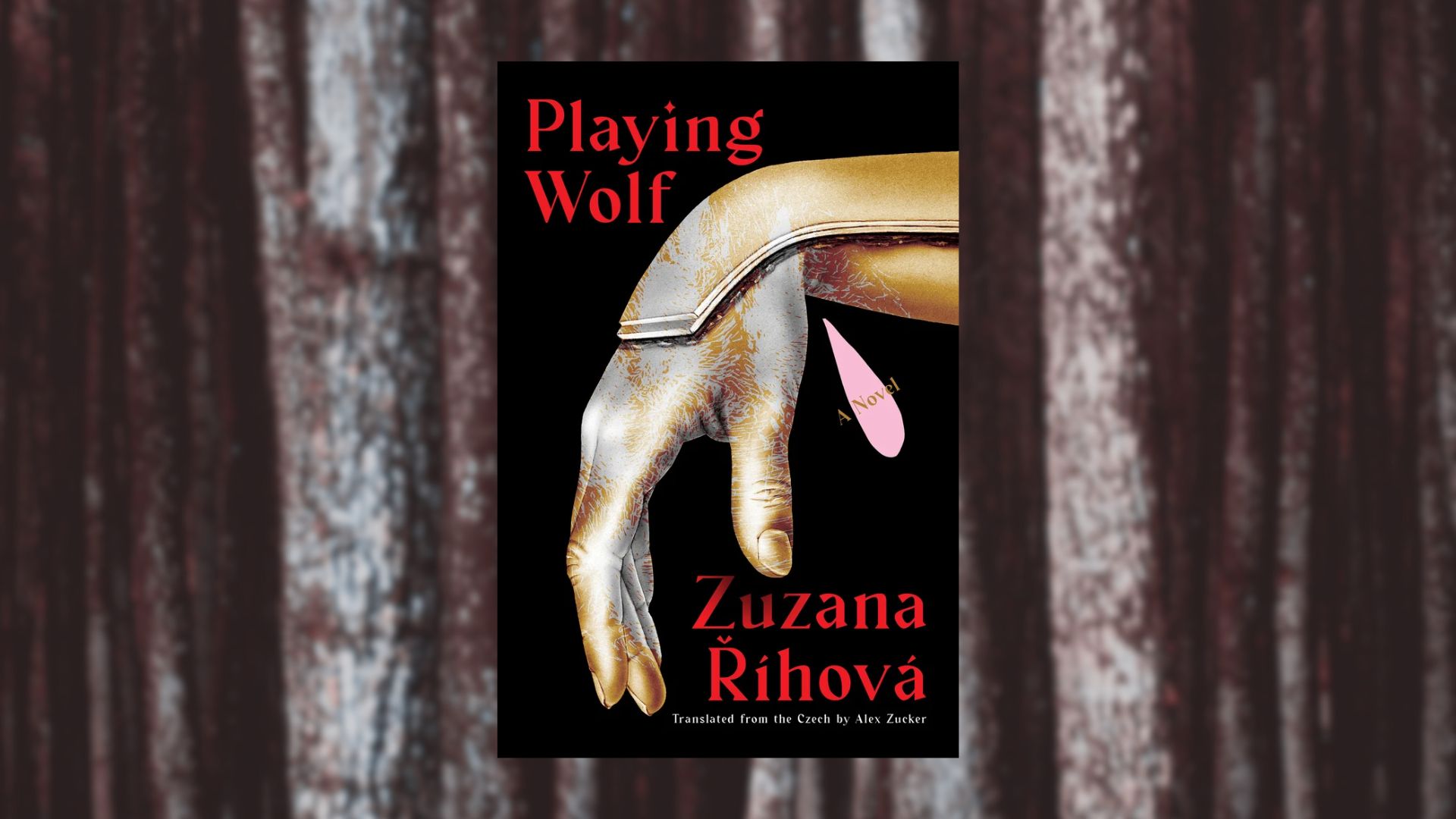
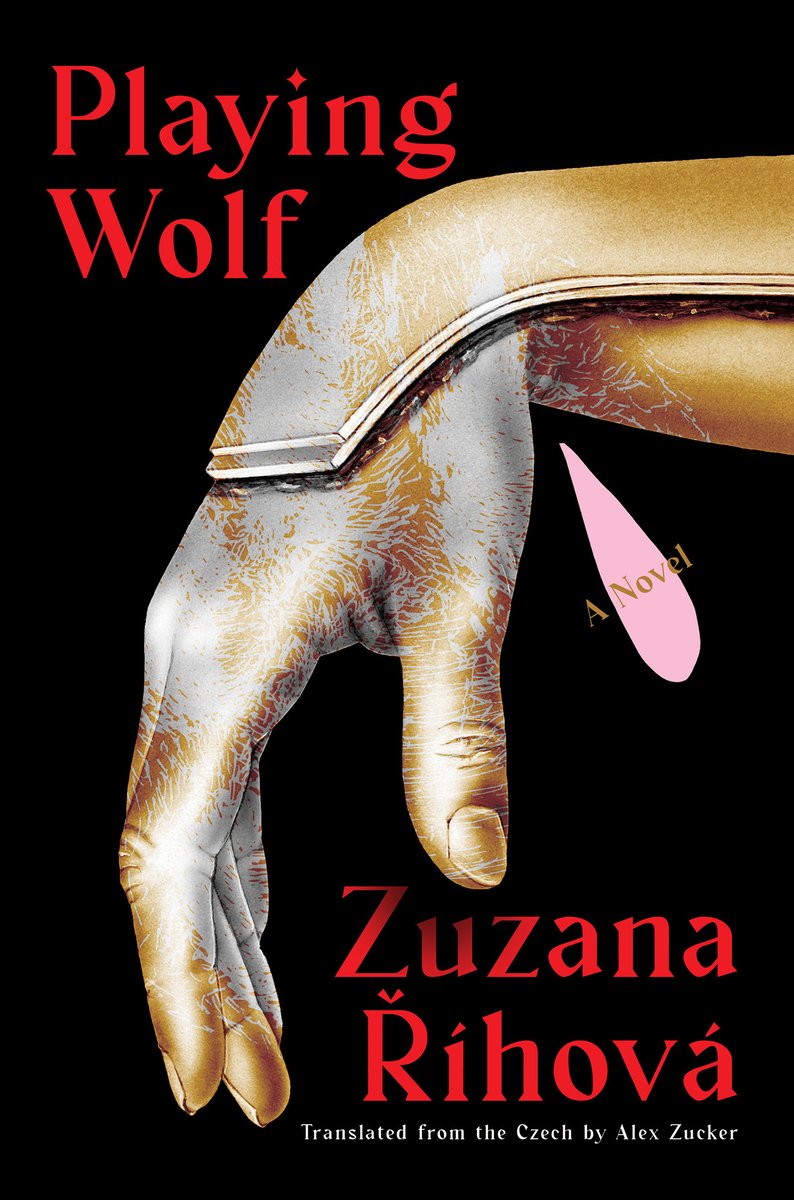
Playing Wolf by Zuzana Ríhová (translated from the Czech by Alex Zucker) is a psychological horror novel set in a remote village outside of Prague. The plot summary was the cause for my initial intrigue, but I was soon sucked into Ríhová’s eloquent and psychologically intense writing. I found myself drowning in the thick atmosphere of growing deceit. The building malice in this book feels like a suffocating film, threatening to encompass everything in its path. The gaslighting done by characters from the very first chapter and onwards is unrelenting, and I couldn’t help but be pulled along for the ride.
Read on to learn more about this fantastic psychological horror that exceeded my expectations tenfold with its atmosphere, prose, characters, tension, and themes.
Trigger Warning: This article contains mentions of ableism, sexual assault, self-harm, and animal cruelty. Reader discretion is advised.
Brief Plot Summary
In hopes of salvaging their failing marriage, a couple, Bohumil and Bohumila, and their son, referred to as the boy, move to the isolated countryside for a fresh start. While there, the village people do not welcome them with open arms or hearts, and Bohumil hears a sinister animal outside their cottage each night. Things come to a head when their disabled son disappears from the cottage one night, and the bizarre rituals and folkloric stories of the village people pervade the couple’s lives.
Writing Style and Characters
The narrative perspective bounces between multiple different characters. Third-person and first-person perspectives blend at times, giving the story an intimate and omnipresent quality. It feels like wading through a rough tide, thrown into the thoughts of one character, pushed back into a hazy, distant reality, and then thrust into the mind of a different character with a completely contradictory perspective. Getting a handle on the writing style, I came to terms with the fact that none of these characters are trustworthy. At all. Drenched in biases and personal anguishes, the narrative structure in Playing Wolf creates a story that is sinister, unreliable, and riddled with dread.

One of the main characters, husband Bohumil, slips into delusions of fitful loathing towards the village people and their customs (he is disgusted while watching the brutal birth of a calf), and he hears a wolf outside at night while he’s in bed, plagued with insomnia. The other main character, wife Bohumila, is secretly excited to be victimized by her circumstances (being forced to move to the countryside at her husband’s insistence) and is nearly at her wits’ end with the countryside isolation, housework, caring for her disabled son, and self-harming her wounded hand. Also, Bohumil and Bohumilia loathe each other, as if what’s on their plates isn’t enough.
There is a resentment towards the vulnerable that’s prevalent in this world. A plot I find heartbreaking and raw is how the couple’s feelings have silently corroded toward their disabled son. The nuance behind this building anger is not without thematic importance, but nonetheless, it’s a hefty, realistic perspective in the book that rears its ugly head.
Czech and Fairytale Influence
The elements of folklore in Playing Wolf pay homage to Czech childhood games and fairy tales such as Little Red Riding Hood. The tension that builds throughout the story is a string pulled taut, and the lives of these characters transcend the page, becoming a folkloric reality that questions social ideals. Being based on current-day reality through the mentions of YouTube, cellphones, and The Lord of the Rings movies, I was more surprised that it wasn’t set hundreds of years ago. The overall essence of the novel is similar to the eeriness of an A24 horror film.
My Closing Thoughts
Without explicit spoilers of anything that isn’t in the plot summary, the predatory nature of being hunted is a main theme in Playing Wolf. Animalistic and carnal, some violent scenes are just as perverted as they are grotesque. I think, judging by the suffocating quality of the story and Ríhová’s purposeful thematic elements, hunting an animal can also be an allegory for rape and coercion. The graphic urge of the predator to pounce on vulnerable beings, to ruin them in some way simply because they exist, and asserting dominance for the thrill of being able to disarm someone or something desperate for respite are evocative of this.
And yet, there’s a persistent, passive quality to these characters. A lack of initiative that holds them back lets their circumstances dominate them. It strips away personal autonomy from the subjects of violence. We see the passive masochism through the rising frustration the couple feels for their young, innocent son. The boy’s existence is so othered that he doesn’t even have a name in the story. To broaden the horizon of this tone, these circumstantial actions make me wonder if fates are predetermined or if they can be conquered. After finishing this novel, I’m not so sure, but I can’t stop weighing the question as if it were the Nature vs Nurture debate.
Playing Wolf by Zuzana Ríhová is a fantastic psychological horror that exceeded my expectations tenfold in creating atmosphere, prose, characters, tension, and themes. I can’t stop giving this book its flowers for how it wheedled its way into my psyche and made me squirm. I look forward to more of Ríhová’s writing being translated into English. Hell, I might have to learn Czech to get my hands on more of her novels (unfortunately, that’s a brave yet fruitless thought). Playing Wolf by Zuzana Ríhová comes out September 30th, 2025.
Want some horror recs? Check out some underrated werewolf reads here.
If you’re looking for more supernatural reads, we’ve got you covered here on our Bookshop bookshelf.