

















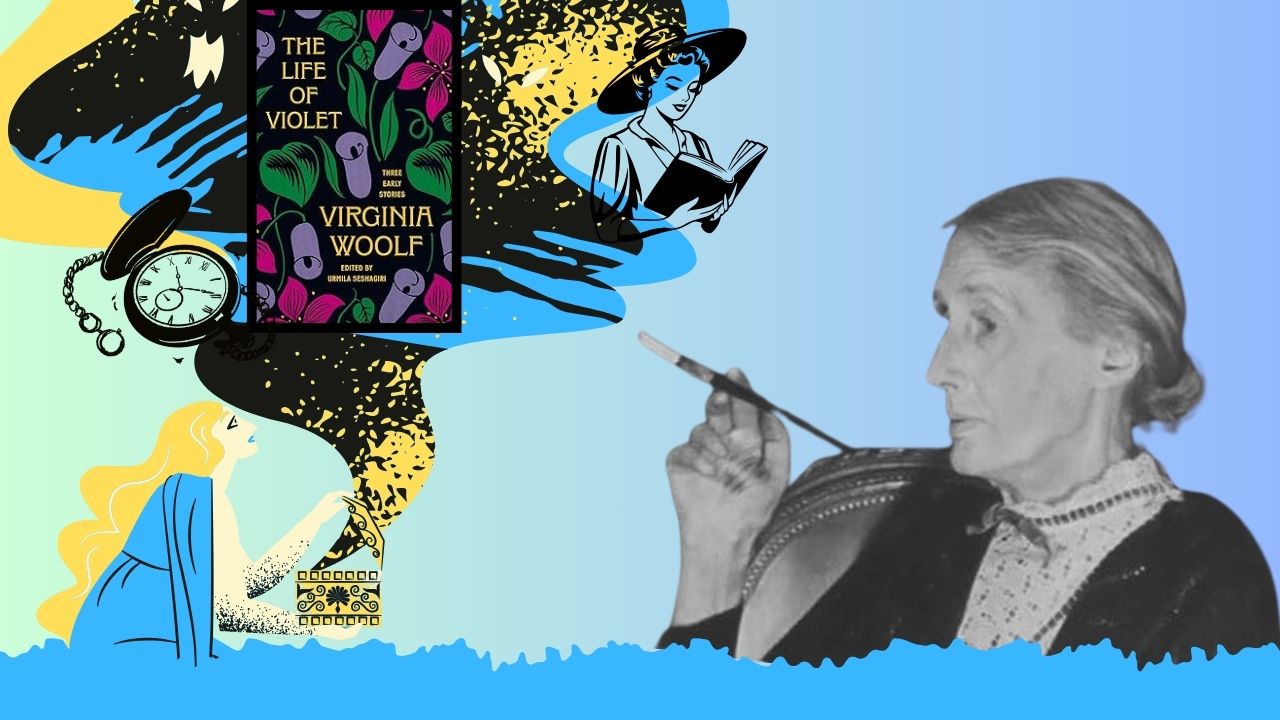
For over 100 years, we have believed that we’ve read all there is to be read by Virginia Woolf — that her last waves were cast long ago. But it seems the tide had another secret to deliver. Recently, tucked away in an English estate, a set of Woolf’s forgotten stories was discovered by a bookish hero. These newly unearthed pages may just change the way we see this great legend and the waves she’s still making.
What happens when a writer who once gave us A Room of One’s Own suddenly reclaims a few rooms we didn’t know existed? Let’s turn the page and find out.
Virginia Woolf (1882–1941)
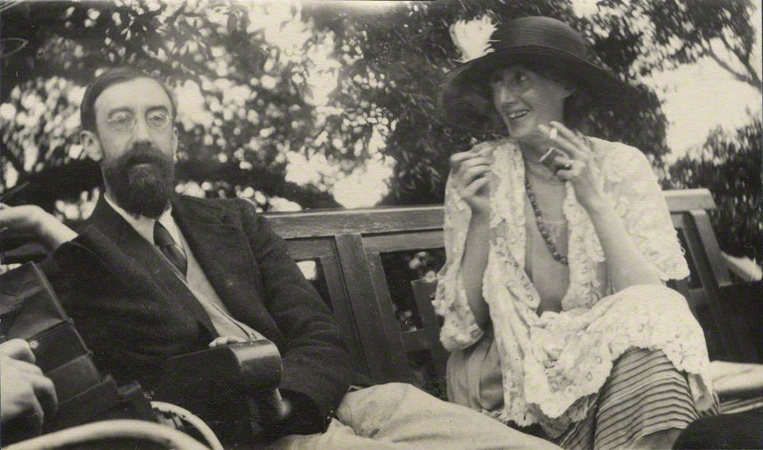
Virginia Woolf was the OG literary disrupter; her mastery over streams of consciousness is like tidal waves. Born in 1882 into a household brimming with books and intellect, she grew up to become one of the sharpest pens of the twentieth century. A founding member of the Bloomsbury Group, she turned salons into battlegrounds of ideas, challenging what it meant to be modern, feminine, and free. With hit novels like Mrs. Dalloway, To the Lighthouse, and Orlando, she rewrote the rules of narrative form — trading tidy plots for the messy brilliance of human thought.

Woolf was also a fierce feminist long before the term was fashionable, crafting A Room of One’s Own as both essay and anthem for creative independence. Her work ripples with irony, melancholy, and humor — her usual trifecta of timelessness. More than a century later, her voice continues to reach us because, like the tide, genius always returns.
In the Room Where It Happened
When Woolf scholars thought all her hidden manuscripts had been unearthed, along came Professor Urmila Seshagiri tiptoeing into the archives and flipping open a cream-colored box to rewrite that assumption. Back in 2022, while researching Woolf’s memoir, she was invited into the dusty reading room of Longleat House, where the papers of Mary Violet Dickinson (an old friend of the Woolf family) were made available to her. It was there, amidst stately portraits and the hush of Wiltshire air, that she stumbled across a typescript bearing Woolf’s handwriting — a meticulously revised manuscript of a never-before-seen story.
Some past archivist at Longleat had casually referred to the document as the Friendships Gallery, assuming it was a copy of the draft already known at the New York Public Library. But when Seshagiri cracked the binding, she knew it was no mere carbon copy: it carried hundreds of stylistic edits, showing Woolf had returned to this trio of stories with intention and care many times. So now the good professor was on a totally different literary hunt — but because of copyright restrictions and the global disruptions of the pandemic, she endured a multi-year delay before being allowed physical access to the manuscript.
“I followed the archivist up this magnificent wooden staircase, hung with ancestral portraits, into a reading room. She handed me a cream-coloured box, and when I lifted the lid, there was this typescript, in a saffron binding, by Virginia Woolf. It was magical.”
Urmila Seshagiri
Finally, the big day came, and she was led to the box, her heart pounding, and opened it to discover what no scholar had held before: a finished version of the Violet stories. Longleat had kept Woolf’s playful, satirical voice on ice, but now freed from obscurity, those pages offer more than historical curiosity: they show us the early flickers of Woolf’s imagination — humor, feminism, fantasy — in the years before she wrote her debut novel.
The Life of Violet: Three Early Stories

A rare glimpse of Virginia Woolf before she was Virginia Woolf™, the violet stories were written around 1907–1908, when she was in her mid-twenties and finding her literary footing. They predate The Voyage Out by several years, composed during a period of both artistic experimentation and emotional turbulence. Grieving over the deaths of her parents, this time period was when she began shaping the stream-of-consciousness voice that would later define her career.
At the heart of the collection is The Life of Violet, a witty and affectionate mock biography of Woolf’s best friend, Mary Violet Dickinson, who was a close confidante of the family. Far more than parody, it’s a gleeful glow-up of Victorian propriety and the sentimental biographies that treated women as moral ornaments rather than complex beings. Woolf’s Violet is larger than life — part social satire, part myth, part loving caricature — rendered with the kind of irony that hinted at the feminist precision she would sharpen later in A Room of One’s Own.
The accompanying tales continue this playful spirit. Friendships Gallery unfolds like a miniature comedy of manners, turning Woolf’s sharp eye on the delicate politics of affection and reputation within upper-class society. The Mysterious Case of Miss V. drifts closer to the uncanny, blending humor and mystery as if Jane Austen had met Edgar Allan Poe over tea. Together, the trio reads like Woolf’s rehearsal for the bold literary voice she would later perfect.
These early stories expand Woolf’s bibliography and her mythology. We meet a younger, more mischievous Woolf — one already poking fun at the rigid world she was born into, already building the intellectual tide that would, in time, sweep through modern literature.
A Century Late, Right on Time
And that’s how, a century after she first set pen to paper, Virginia Woolf is still making waves — and this time, they’ve carried a few forgotten pages ashore. They shimmer with the wit, wonder, and the kind of rebellion that made her timeless. If you’ve ever wanted to see where her genius first took shape, The Life of Violet is your invitation to dive in.
Take a deeper look at Virginia Woolf’s pioneering feminist works — click here.
Browse our bookshelf on Bookshop.org for more books written by exceptional women.
