










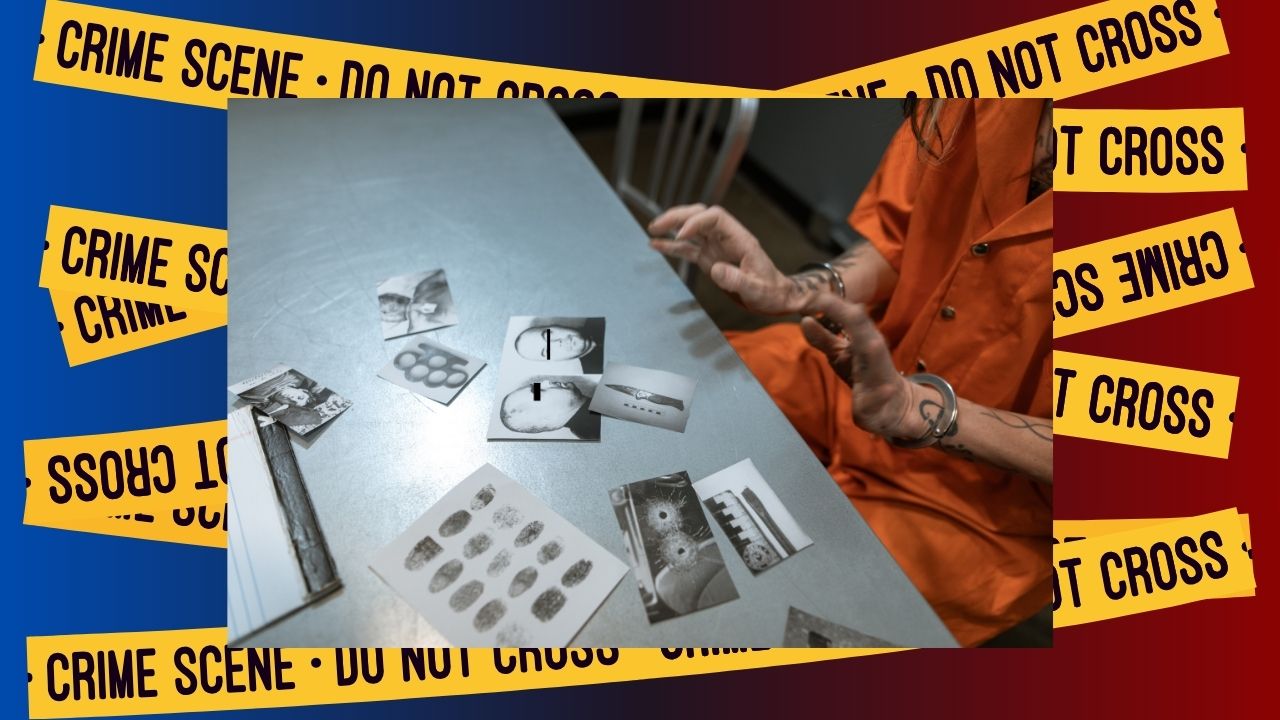
We can’t help but love it all: cults and their cult leaders, serial killers and the bad alibis that got them caught, successful jewel heists with diamonds and emeralds. True crime isn’t just a genre anymore — it’s a lifestyle, a conversation at the coffee shop, a podcast show, and, in many cases, a stack of paperbacks with Charles Manson or Ted Bundy smiling proudly on a nightstand.
But as many fanatics begin to put themselves in the shoes of a criminal — challenging themselves to figure out how they’d dispose of a body, lie to a police investigator, or fake-cry in front of journalists — it becomes clear that consuming true crime is surrounded by slippery slopes at every corner. The line between wanting to understand crime and feeding desensitized curiosity with trauma not theirs increasingly blurs.
With the category continuously expanding in all channels, true crime and its wide variety of media forms raise an array of ethical dilemmas: Who is the genre for, exactly? Whose stories are being told? And who is really benefiting from it?
Trigger Warning: The mention of certain content and topics in this article may be triggering to some readers.
Dilemma #1: Treating True Crime as Fiction
In an era where streaming giants like Netflix, YouTube, and Amazon Prime Video profit heavily from true crime content, and with 84% of the U.S. population consuming it, infamous crimes and felonies risk becoming nothing more than a race for entertainment and viewership.
American television writer and director Ryan Murphy is a prominent force in this trend. In his 2022 Netflix series Monsters, Murphy dedicates nearly ten episodes each to the cases of Jeffrey Dahmer and the Menendez brothers, offering stylized reenactments that eclipse the victims’ suffering. Instead, more screen time is given to Dahmer’s dark-humored lines, sex scenes, and cinematic tributes to Lyle Menendez’s body.

Viewers are repeatedly fed scenes of blood, death, and assault until they grow desensitized. This causes audiences to become more invested in Murphy’s scripted portrayals of how these criminals eat, curse, or kiss, all while the victims fade into background noise.
Although the families of Dahmer’s victims, along with Eric and Lyle Menendez, spoke against the inaccurate and exploitative nature of Monsters, each season reached the No. 1 most-watched series in 2022 and 2024, helping Netflix keep its crown for most consumed true-crime content.
Treating true crime as fictional storytelling with wiggle room for artistic liberty dehumanizes the victim experience and raises ethical questions: Who gets remembered, and who gets erased? Why are we so fascinated with killers — and not with the people they harmed?
Dilemma #2: Romanticizing Criminals
Another ethically skewed trend in true crime media is the romanticization of real-life crimes and the criminals who committed them.
With women making up the majority of true crime and dark romance consumers, there is a direct link between how true crime media often treats murderers and abusers as complex, misunderstood male criminals, depending on their physical conventional attractiveness, of course. The dark romance genre in literature especially mirrors and draws on real crime cases, involving plotlines like mafia sexual violence and kidnapping, framing these transgressions as desirable for both parties involved.
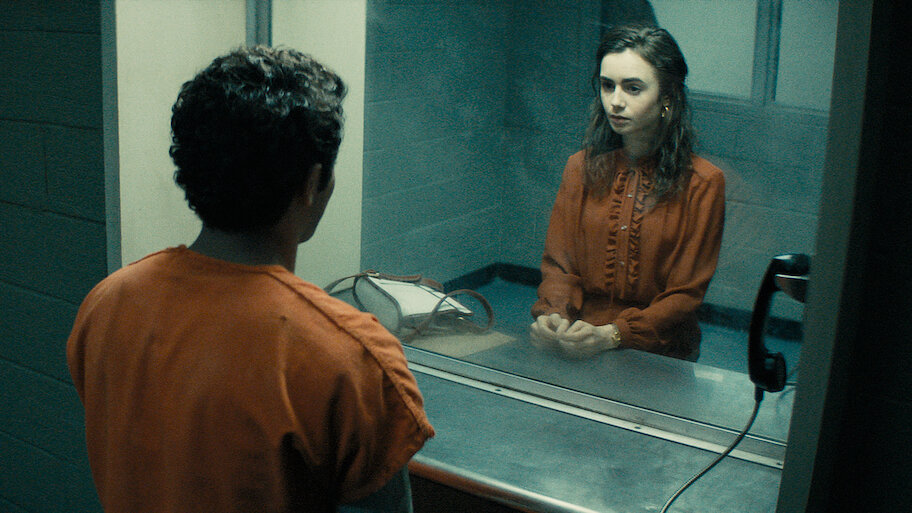
Evidentially, figures like Ted Bundy have been described as handsome and charming, even having fan girls supporting him during his rape and murder trials. It doesn’t help that in Extremely Wicked, Shockingly Evil and Vile, a film also produced by Netflix about Bundy’s crimes through his girlfriend’s perspective, it exploits an empathetic female gaze, using Zac Efron, a prominently attractive actor, to play a notorious serial killer who was also someone’s lover.
The true crime portrayal of criminals and their violations can place false narratives on victims, dampening the severity of crimes to frame criminals as objects of desire.
Dilemma #3: Invading Victims’ Privacy
Eventually, true crime content hits a wall. One case becomes so oversaturated with books, TV shows, and movies that it recycles the same details about how a criminal got caught by police again and again. The solution that many true crime fans find to this is simple — stalk the victims involved in a crime, or create conspiracy theories that spread misinformation.
The model for true crime allows its audience to believe that a crime is never truly “solved,” that there are loose ends, time frames that don’t add up, missing evidence, all designed to drive us wanting to play the role of investigator. With the expansion of social media, it is easy to trivialize trauma and transgress the privacy wishes of victims, witnesses, or the families of criminals.
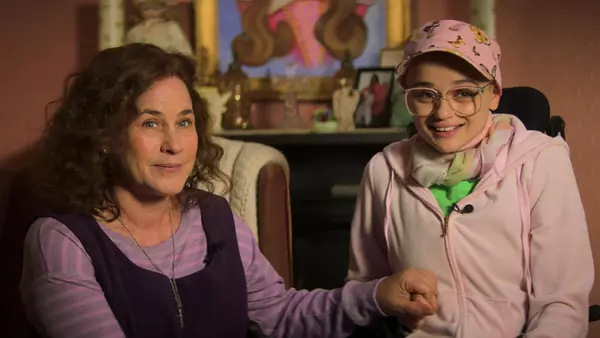
Figures like Gypsy Rose Blanchard, Casey Anthony, and Anna Delvey have active presences on TikTok or Instagram. Their stories are continuously resurfaced and reinterpreted by online communities, often in ways that ignore the wishes of those directly involved and reduce difficult situations to viral content.
If a case has been closed, with the victims trying to heal and move on with their lives, who is truly benefiting from this aspect of true crime culture?
True crime’s popularity forces us to ask: Are we trying to understand violence and injustice, or merely consuming stories that satisfy our need for certain narratives? As the genre continues to evolve and expand, it often reveals more about us as audiences — our desires, our curiosities — than it does about the victims and those behind bars.
Interested in more analyses of problematic genres and tropes? Click here.
Check out our Bookshop shelf to see our true crime and other nonfiction titles for people who love seeking truth grounded in real-world experiences.