



Trigger Warning: This article discusses the topics and includes visual images of racism, slavery, and derogatory depictions of Black and Indigenous peoples which may be triggering for some readers. Please engage in self-care as you read.
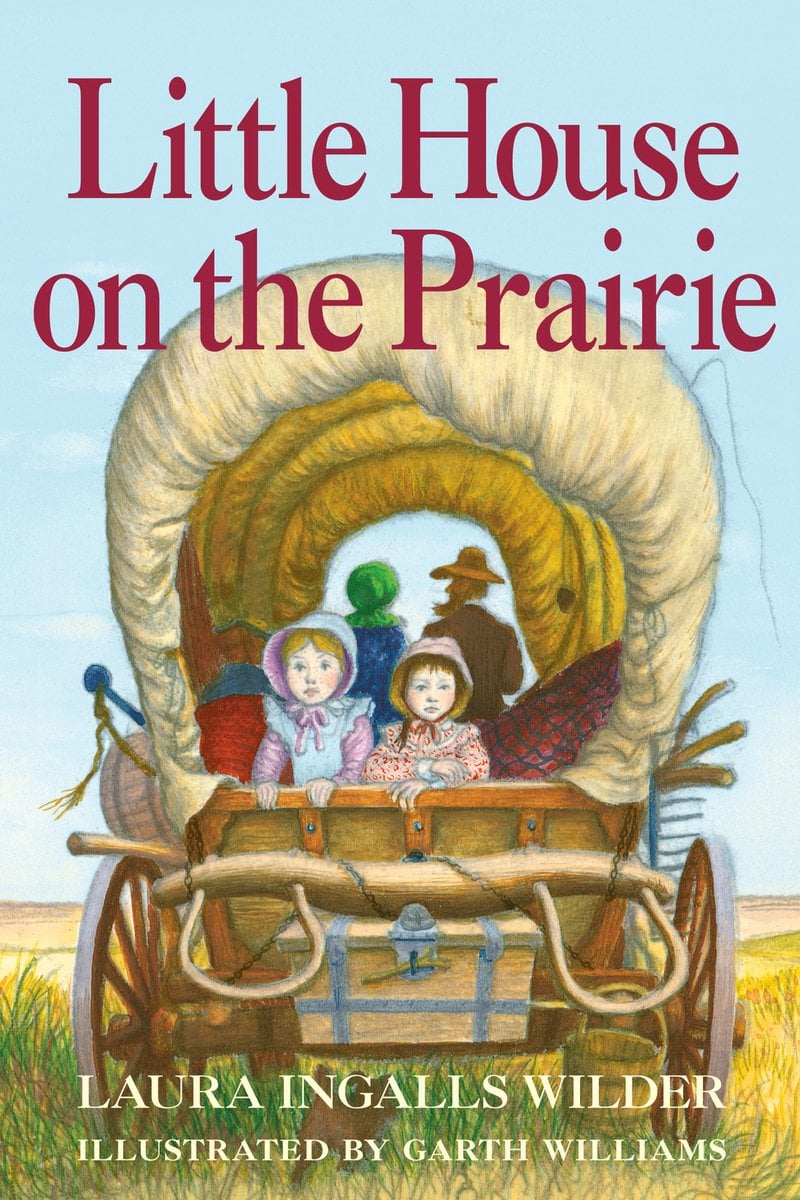
A friend who is the head librarian of an elementary school recently relayed an experience of theirs relating to Laura Ingalls Wilder, whose life and works are typically commemorated every February. In an ongoing effort to provide a more inclusive and diverse catalog for the students of the school, they had opted to weed Wilder’s Little House on the Prairie series from the library shelves.
This was much to the dismay and protest of a fellow staff member, who had adored the books as a child and felt that their removal was entirely unwarranted. The staff member argued her position passionately: The books are American classics! They are historically relevant to life during Westward expansion! They teach values like community, perseverance, and familial love!
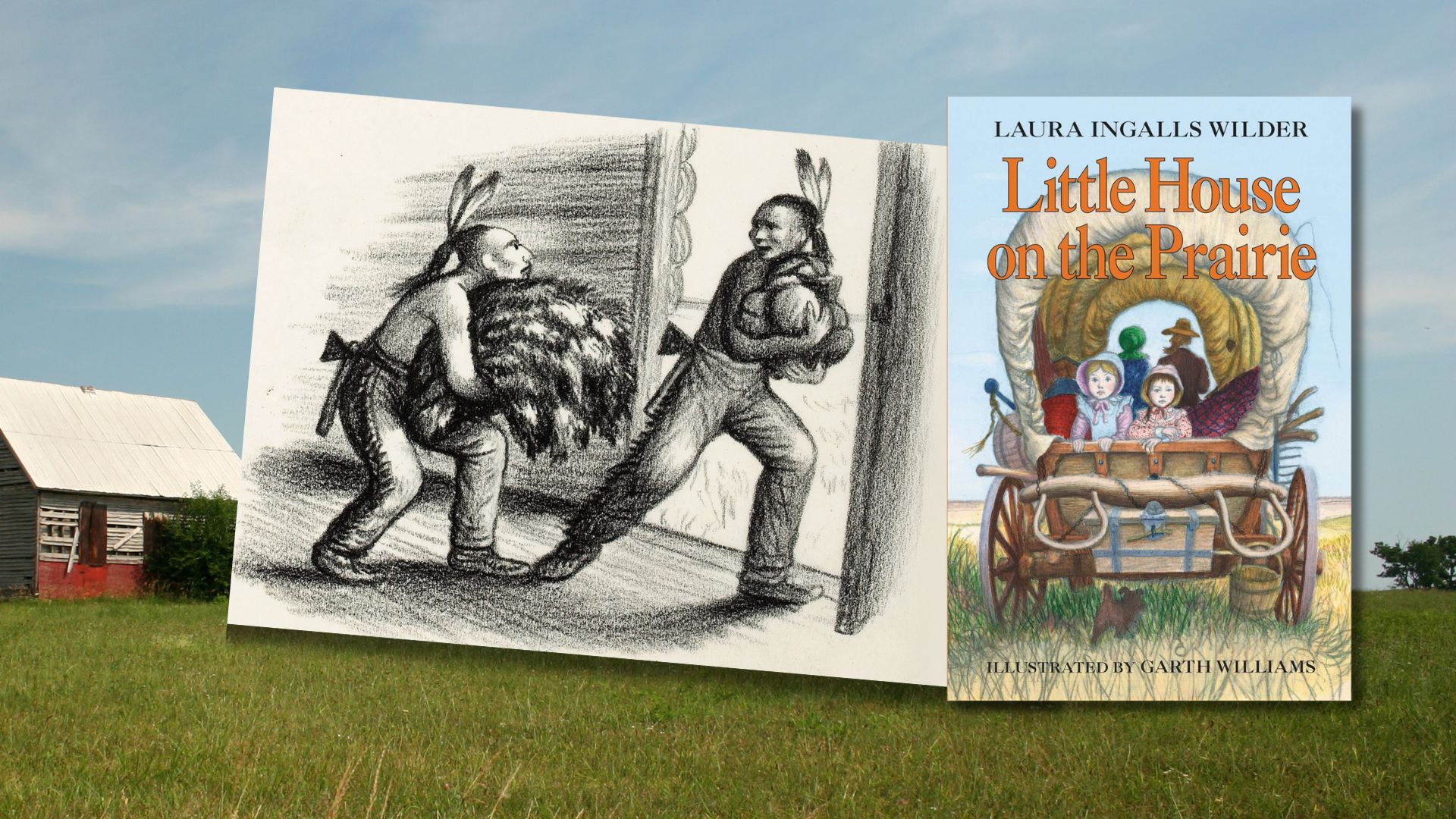
In response, my friend showed her the following passage from Little Town on the Prairie and its accompanying illustration:
“When the dancing stopped, the jokes began. The white-circled eyes rolled, the big red mouths blabbed questions and answers that were the funniest ever heard. Then there was music again, and even wilder dancing. When the five darkies suddenly raced down the aisle and were gone, everyone was weak from excitement and laughing.”
– Laura Ingalls Wilder, Little Town on the Prairie
Wilder's books are harmful to Black children, too. In LITTLE TOWN ON THE PRAIRIE, Pa does blackface. In the Kindle copies released recently, the illustrations have been colorized. pic.twitter.com/nQmUMbvl99
— Debbie Reese (tribally enrolled, Nambé Pueblo) (@debreese) July 5, 2018
The blackface performer at the center of that illustration? That’s the beloved Pa Ingalls, who is often perceived as a symbol of righteousness, integrity, and moral fortitude. In addition, the same man who says in Little House on the Prairie that “the only good Indian is a dead Indian.”
These, among Wilder’s numerous other problematic depictions of Black and Indigenous people, were not the type of representation that my friend felt comfortable promoting to a patronage of children aged five to eleven, many of whom were of Black and Indigenous heritage. “Censorship!” her colleague cried, but the books were removed all the same.
Laura Ingalls Wilder: Reexamining a Legacy Based on Privilege
Similar debates have become more prevalent of late in the community surrounding children’s literature and educators, often on a larger scale. In 2018, The Association for Library Service to Children — a division of the American Library Association — voted unanimously to remove Wilder’s name from a prestigious award for children’s literature. This stoked the ire of Wilder’s fans and supporters; a statement from the Laura Ingalls Wilder Legacy and Research Association argued that “the perspectives of racism that were representative of her time and place” should not diminish the “positive contributions to children’s literature” that Wilder’s work had made.
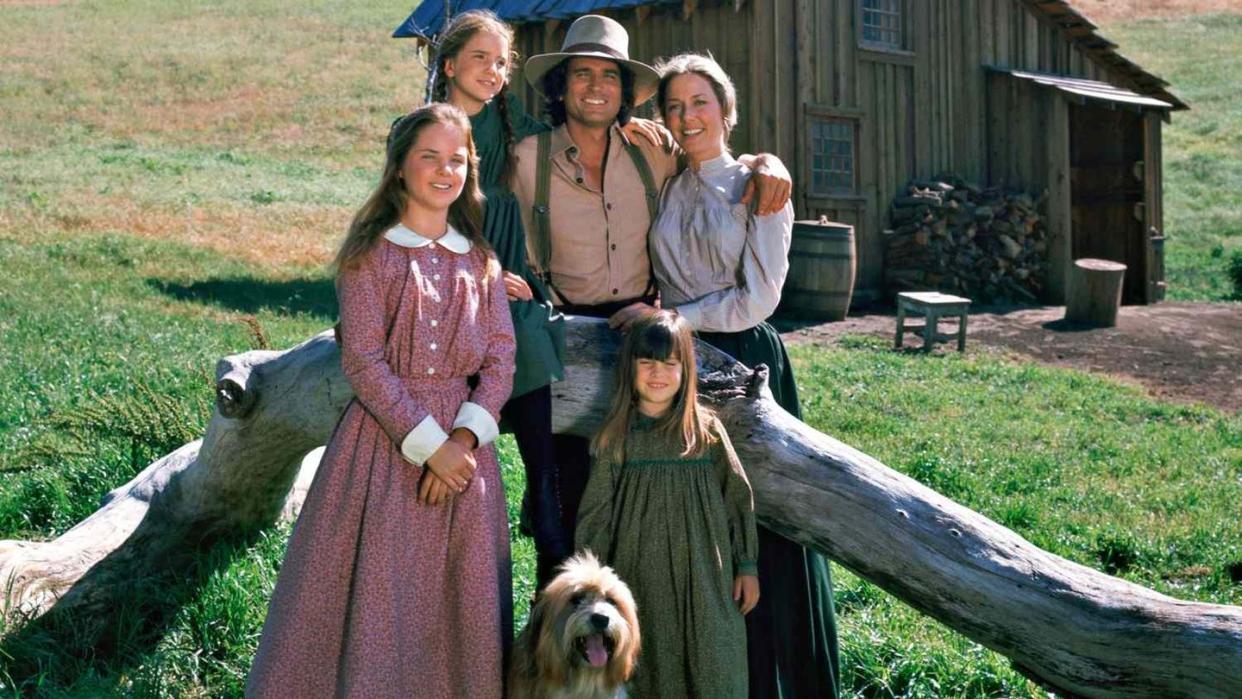
To an extent, the statement makes a salient point, though perhaps not the one that it intends. Wilder’s works have had an enormous cultural impact, via both her novels and the nine-season television show that they inspired — which had more than a few problematic elements of its own. Many who grew up with the Little House stories cite them as having a deeply meaningful impact on their lives, even into adulthood and/or parenthood.
And therein lies the problem: while these works are upheld as models of morality and ethics for young children, their demeaning and dehumanizing depictions of minorities are upheld alongside them. And whether fans of Wilder want to admit it or not, young children cannot differentiate between the two.
Seven-Year-Olds Don’t Understand Historical Context
A common argument for preserving accessibility to the work of Wilder and other problematic children’s authors is that racist depictions and language should be considered in their historical context versus their modern context. “That’s just the way things were back then!” defenders say, “Everybody spoke and acted that way.” Putting aside the ample evidence that people of marginalized groups in the past were, in fact, not totally chill with bigotry and discrimination, the hypothesis that these beliefs and perspectives can be separated from the “positive contributions” at an elementary-age developmental level is fundamentally flawed.
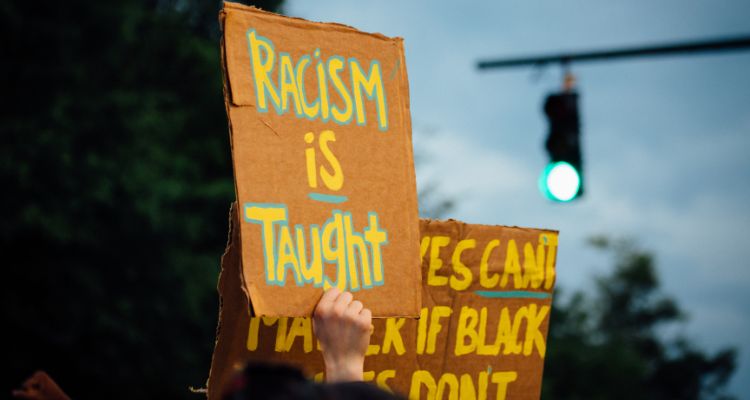
Children at that age don’t understand historical social context; in fact, studies have shown that children of those age groups over the last decade don’t even have a firm grasp of history in general. They aren’t able to separate the actions of “good” characters from bad viewpoints and beliefs because both were socially acceptable in the contemporary era of Wilder’s — or Twain’s or Lee’s or Suess’s — stories. All they understand is that they are being compelled by the narrative to emulate the moral compasses of characters who believed that Black and Indigenous people were less than human.
Racism Education for Children Shouldn’t Come From Past Perspectives
“Well, then we should use these books to teach children about racism!” the defense cries, to which the children’s literature community — myself included — would respond that there are plenty of quality children’s books that tackle racism from a contemporary perspective; i.e., the perspective that the children of Gen Alpha and beyond are currently experiencing it. And far better than learning about racism from a period that modern children cannot affect, the majority of these books give children actionable advice to enact change for the better in their own lifetimes.
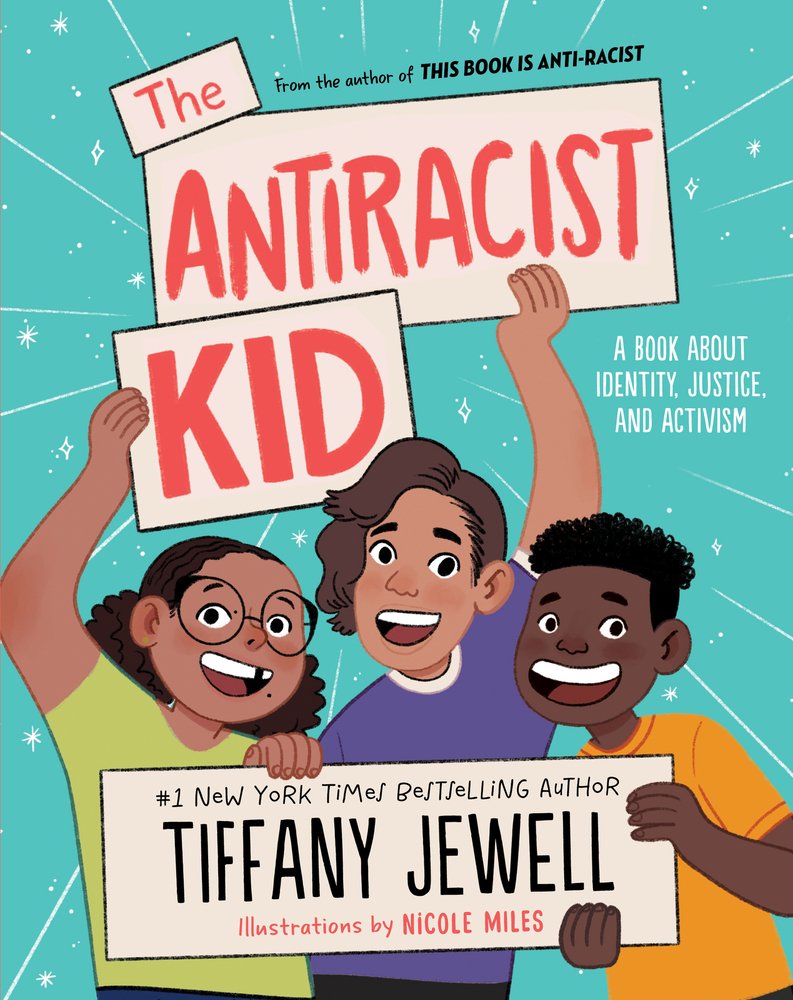
Interestingly, these are often the same books that conservative organizations and governments are trying to get pulled from public school shelves for containing “divisive concepts.” It’s quite telling that we don’t see these same movements objecting to racism when it is told from a perspective of “wholesome” frontier white privilege in the name of preserving historical viewpoints.
Censorship and Content Moderation Are Not the Same Thing
Then, of course, there is that dreaded c-word: censorship. “By taking these books from school shelves, you are censoring their content,” the Wilder-faithful declare. And perhaps that’s where the argument for weeding Wilder from elementary schools is most misunderstood.
In my experience, I have yet to meet an academic, historian, or lover of literature who believes that a book should be wiped from existence, no matter how offensive or controversial its content may be. Books are a vital way of preserving history, not only as a matter of record but as a peek into the evolution of human nature, beliefs, and ideas across history. Yes, many of those ideas are unpleasant and atrocious, but that is all the more reason to safeguard evidence of them — so that we may learn of and from the wrongs of the past, and hopefully act to prevent ourselves from repeating them.
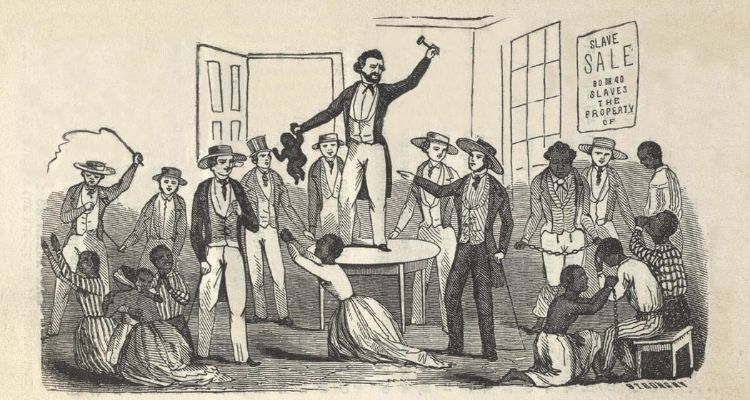
So yes, keep the Little House on the Prairie books. Put them on the shelves of universities and high schools, and learn from them as adolescents and adults. Yet understand that there is a difference between censorship and content moderation, and there is an enormous gulf between studying the works of Wilder and Twain and Dickens and so on as an adult — especially as one who is capable of taking into consideration elements like historical context and flawed protagonists — and studying them as a seven-year-old child.
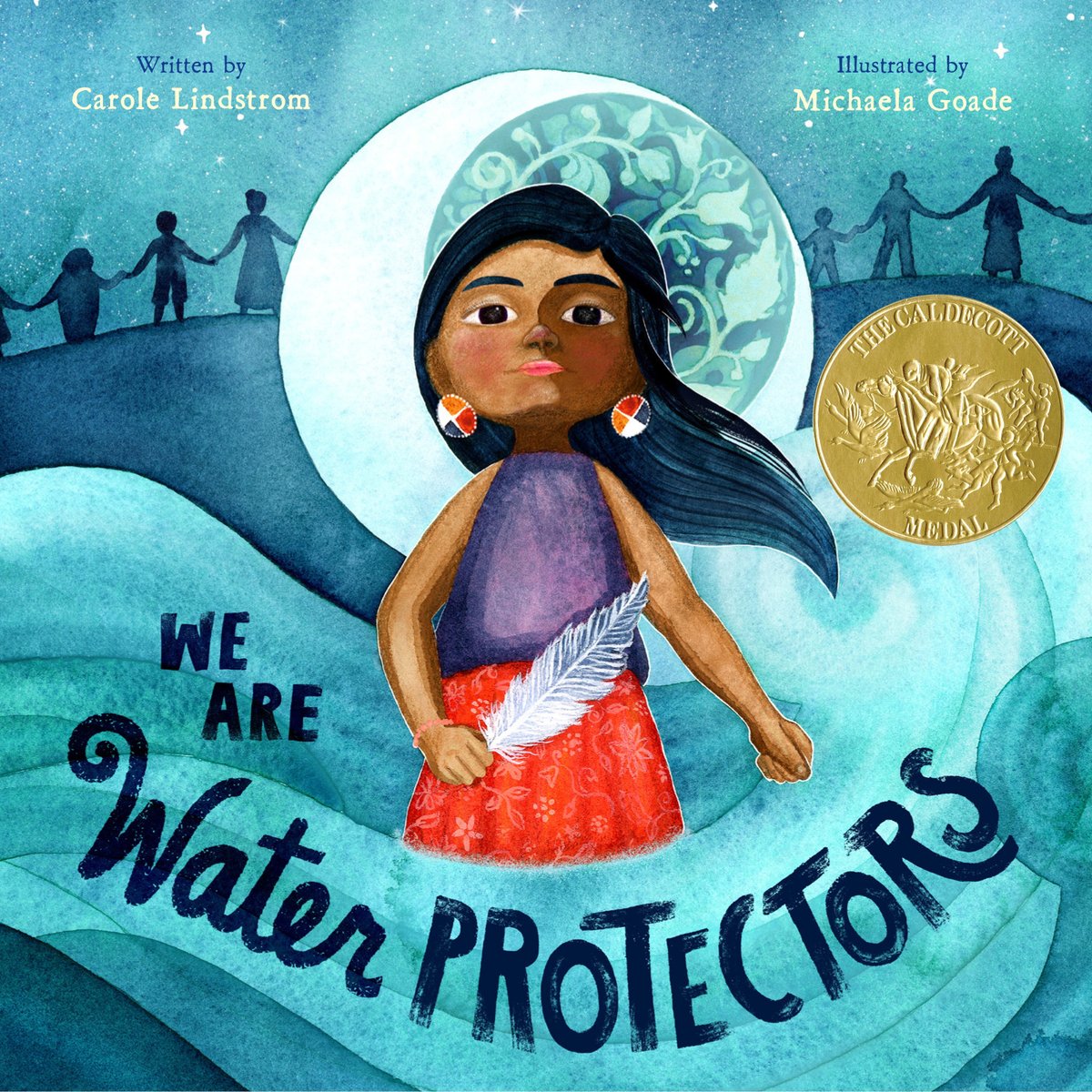
A small child is learning about the world and their place in it; they are developing social-emotional skills, learning how to treat others with kindness, and are only beginning to understand that those who come from backgrounds and cultures differing from theirs may experience the world differently than they do. And in the service of fostering that, books like The Proudest Blue and Antiracist Baby are a heck of a lot more effective than the works of Laura Ingalls Wilder.
By doing so, we empower young children to oppose and defy racism in the here and now and can leave the social norms of the Prairie in the past — where they belong.
To learn about children’s books from Black and Indigenous creators, check out these articles on Black Representation and Indigenous Representation in picture and middle-grade books.
To see all of our recommendations for mini bookworms, check out our Bookshop bookshelf.