





Katherine Faulkner has quickly become a must-read voice in the world of thrillers, captivating readers with her gripping plots, complex characters, and heart-pounding suspense. In this exclusive interview, she opens up about her approach to writing, the secrets behind crafting stories that keep readers on the edge of their seats, and the experiences that shape the twists and turns in her novels. Whether you’re a long-time fan of her work, or just discovering it for the first time — Katherine Faulkner is an expert at modern thriller storytelling.
About Katherine Faulkner
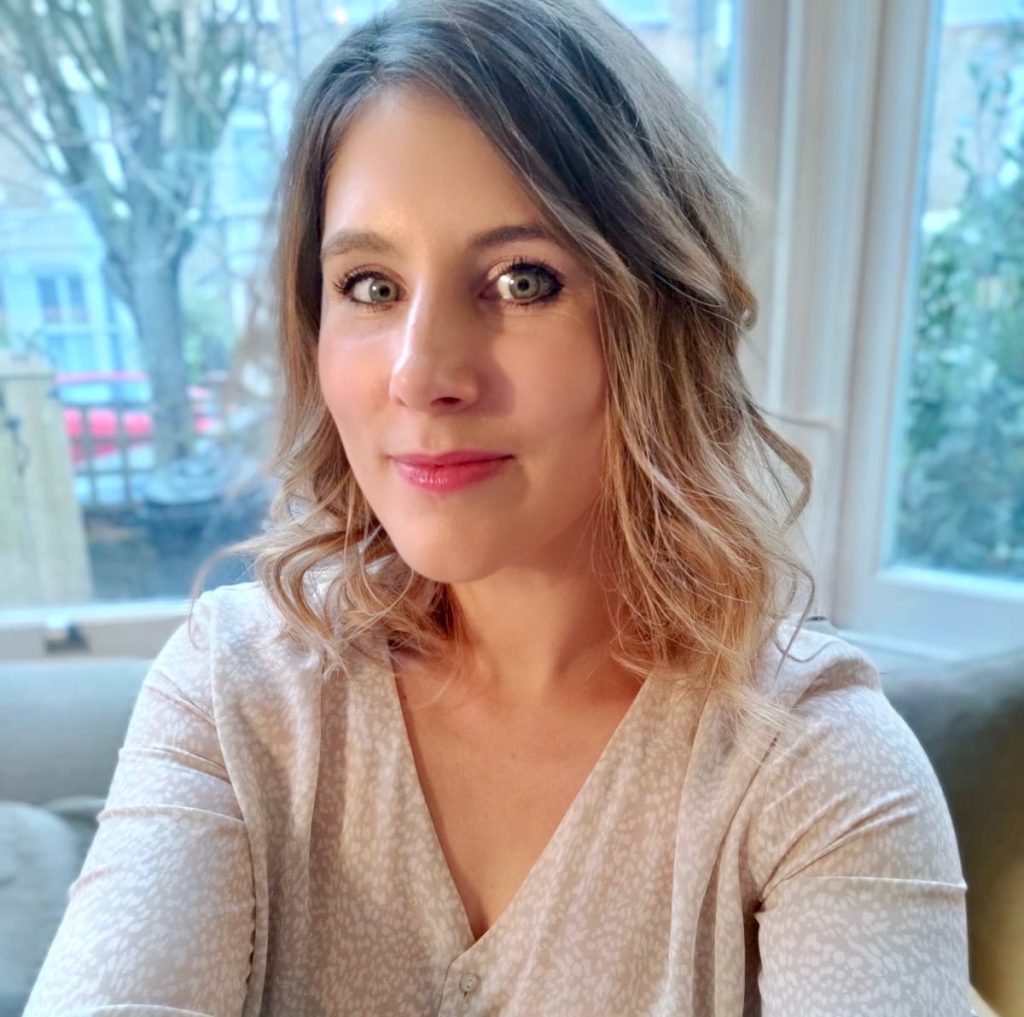
Katherine Faulkner, an award-winning journalist, studied history at Cambridge. She has worked as an investigative reporter and an editor and was formerly the joint Head of News at The Times (London). She lives in London, where she grew up, with her husband and two daughters. She is the author of The Break-In, The Other Mothers, and Greenwich Park.
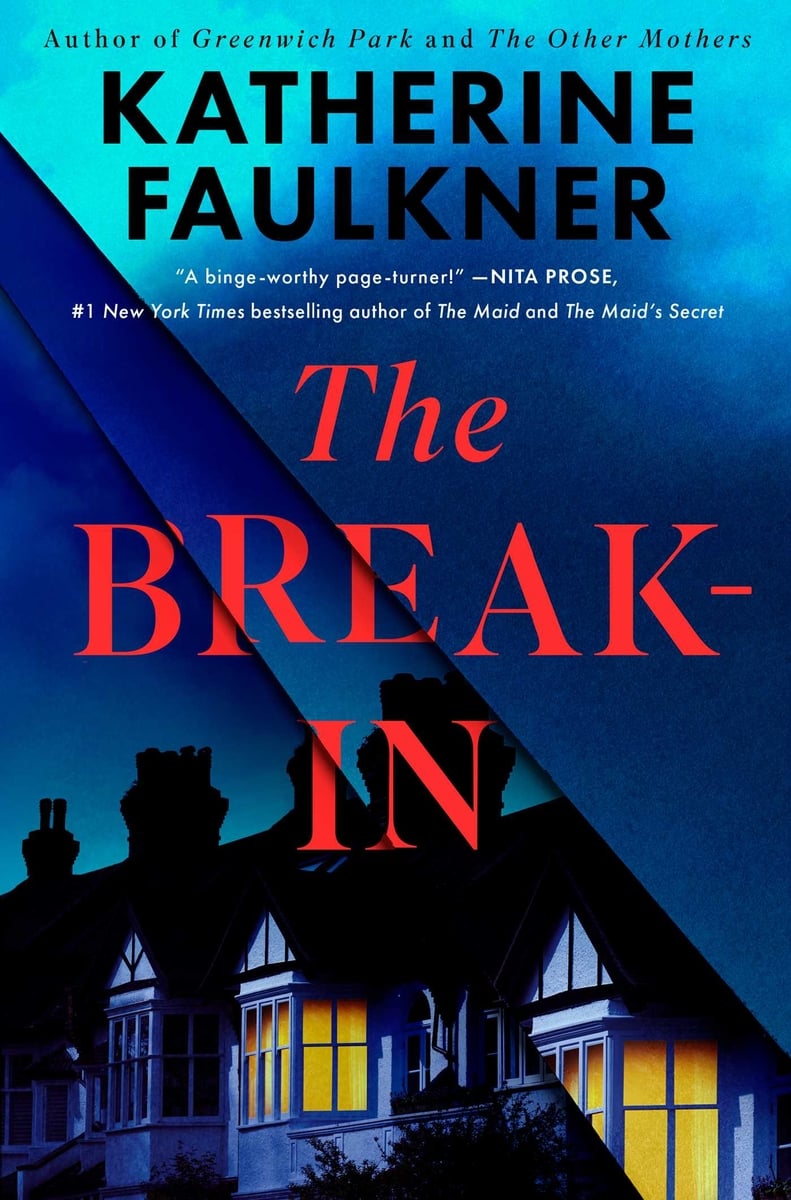
For those who may not be familiar with The Break-In, can you provide a brief overview of the plot?
When an intruder breaks into Alice’s home while she is hosting a play date, she acts on instinct, picking up a kitchen stool and hitting him in the back of his head. She only intends to stop him – she doesn’t mean to kill him. But while the police conclude that she acted in self-defense, wracked with guilt, Alice sets out to apologise to Linda, the mother of Ezra, the young man she killed – only to find she is unable to come clean about who she really is. Alice finds herself drawn more and more into Linda’s world, struggling to balance her growing obsession with starting a prestigious new job, caring for her daughter, and being there for her husband. But as Alice learns more about Ezra – and finds herself uncomfortably enmeshed with his family, she begins to wonder whether she really has the full picture about why he came to her house that day.
My favorite part of thriller/mystery novels is setting the scene for the story. What was the initial spark or inspiration for this story?
It was actually a short story I read, by Patricia Highsmith, called Something You Have To Live With. It’s about a woman who kills a burglar and then is unable to stop talking about it for the rest of her life. I couldn’t get it out of my head, and it became the spark of The Break-In, which is essentially the story of an ordinary person who commits this shocking but ultimately understandable out-of-character act of violence and then is so completely haunted by it that it starts to distort her whole life. Except that, in my version, Alice’s obsession with trying to understand what happened is only the beginning of the story, because it ultimately uncovers all sorts of things that were lurking under the surface of her apparently perfect life.
I think part of the inspiration was also my work as a news reporter, which made me think a lot about the nature of truth, especially in the context of something like a really terrible act of violence. All journalists know what “truth” means from a legal point of view, at least in criminal cases: facts established in a court of law beyond a reasonable doubt, or even just the version of events that a jury chooses to accept, becomes the “truth”. But of course, when you actually work as a journalist, you see people in extremis up close, and you realize how complicated and tricky a thing the truth really is. Sometimes there’s a gap between it and what you can actually report. The latter becomes the official record, or at least the first draft of history — but all the while the real truth sort of gets lost, because it’s too messy. I think the gap between the truth as experienced by people close to the event, and what becomes the accepted version of the truth, fascinates me — and that is something I love to explore in fiction.
At its heart, The Break-In explores how quickly trust can unravel. What drew you to that psychological territory?
I’m always interested in the idea of what happens to a person if they start to lose trust in the people who are close to them; I think that’s always fertile territory for psychological thrillers. Especially when you’re writing about a mother of a young child, there’s no external threat that could be as horrifying as the idea that you can’t trust the people closest to you — and to your child. The intensity of that vulnerability — which I’ve lived myself as a Mom to three young children — seems to me to lend itself so well to psychological drama! In The Break In, this starts with Alice almost losing her trust in herself, in her own essential goodness, her temper, her reactions and judgements, as a result of what she has done. And then as she uncovers more about the circumstances at the Break In she starts to ask all sorts of questions about the people around her — the friends who were there on the play date, her nanny, her husband…
The novel expertly builds tension through shifting perspectives and timelines. How did you structure the story to maintain suspense without revealing too much?
Honestly, I don’t think a lot about the structure when I start out. I just write the book and see what feels right structurally as I go along. It’s when I come to the end of that first draft that I do a lot of reverse engineering of the structure to make sure the pacing is correct, the reveals and twists land at the right points, and that it’s all working for the reader.
Were there any twists or reveals that surprised even you while writing?
Always! I’m not much of a plotter, so I always like to leave lots of creative space for my characters to do their thing. I can’t reveal too much, but Linda definitely had a darker side than I realised when I set out to write the book!
Do you ever write alternative endings, or did The Break-In always end the way it does now?
I’m fascinated by endings, and in The Break-In, I actually very deliberately begin the story after what is supposed to be “The End.” As the story opens, everyone is telling Alice the story is over — the case is closed, time to move on. But the closure of the case doesn’t feel like an ending for Alice. It simply is not over for her — in fact, it’s only just started. She can’t make sense of it — her world has been tipped completely off its axis. And so she refuses to accept that there has been an ending at all. She can’t let this event, that happened in the past, stay in the past, because it feels present for her. She feels she has to keep picking at it and picking at it until she actually ends up awakening something even darker in her future.
In terms of alternative endings — I never write alternative endings as such, but I do sometimes tweak things later on if a different twist occurs to me or if I read it back and it doesn’t work. As I write, I like to leave it fairly open what exactly has happened in terms of the murder until I get to a pretty advanced stage in the writing of the novel. I just find it more fun that way! And I also think thriller readers are pretty savvy, and if there was only one possible twist or outcome all along, they’re likely to sniff it out too early!
This is the kind of book readers finish and immediately want to discuss. Do you like leaving things open to interpretation?
I find that even if I feel I’ve tied up most of my loose ends, some readers will always surprise me with their questions or interpretations of what happened in my novels! And of course, stories never really “end” in any real sense; there’s always this hanging question of what would happen next, even if you don’t write a particularly open ending. I have found that one of the most exciting things about being published is your book becoming a thing that has a life of its own outside of your head — suddenly it also exists as a story in the minds of other people, all of whom bring their own ideas about what these characters might do next.
Imagine the world of The Break-In is real, and the mystery at its core has not been solved. You have the chance to assemble a dream team, three fictional characters from any universe, to crack the case. Who do you bring in, and why are they the perfect fit for this particular story?
Charlie from Poker Face; one of the best detectives of all time, and she has great hair. Obviously, she knows when anyone lies, so she would have these characters figured out on day one. I’d throw Jackson Brodie, from Kate Atkinson’s detective novels, into the mix, too — Charlie would probably fall in love with him due to his sexy British northern accent, which would be inconvenient, but he’d be great at spotting all sorts of clues Alice has missed around Ezra’s flat. Those two would probably be more than sufficient but if I had to bring in a third, I’d probably pull in journalist Katie from my own first novel, Greenwich Park — it would be nice to see her again, she’s very persuasive, and she could drive everyone around in her battered car with the Massive Attack CD stuck in her ancient car stereo.
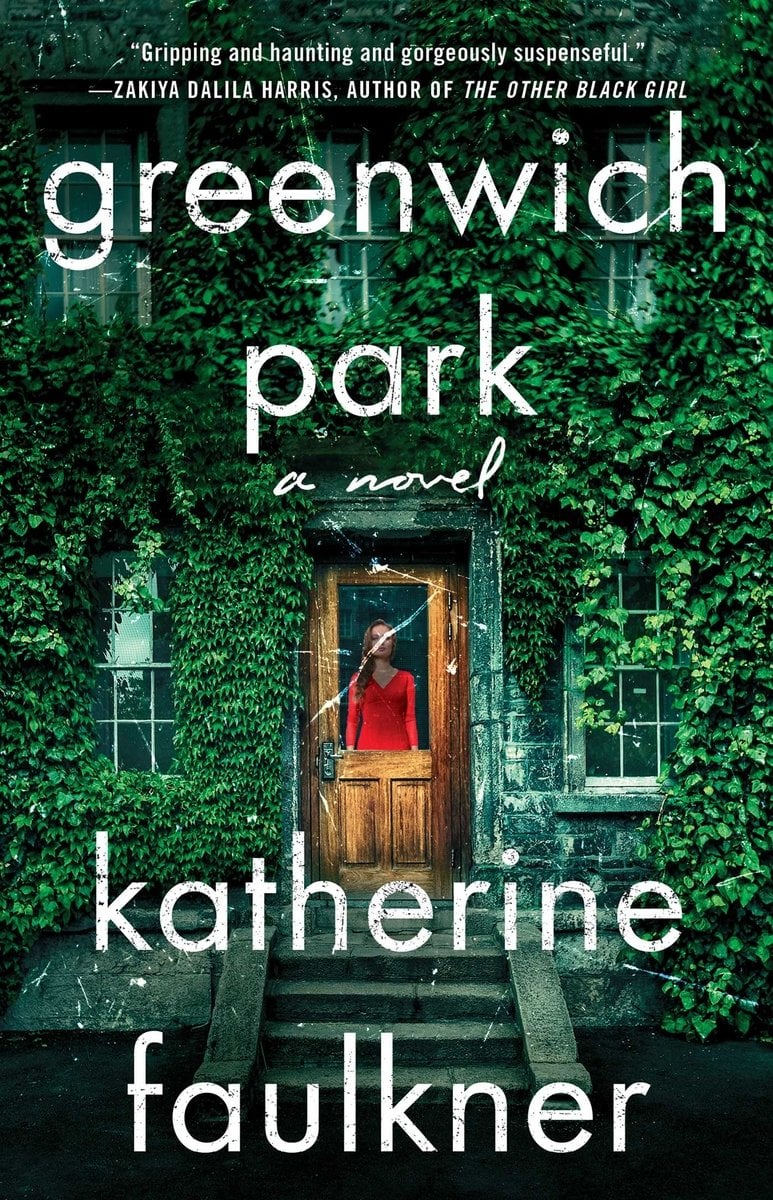
Katherine Faulkner’s insights show us why thrillers continue to captivate readers — it’s not just about suspense, but the skillful blending of emotion, tension, and unforgettable characters. With every twist and turn, she proves that storytelling is both an art and a craft, and her dedication to keeping readers hooked makes her a true master of the genre.
Check out our interview with thriller queen Helen Fields here.
Check out our bookshelf with more heart-racingly good thrillers on Bookshop.