






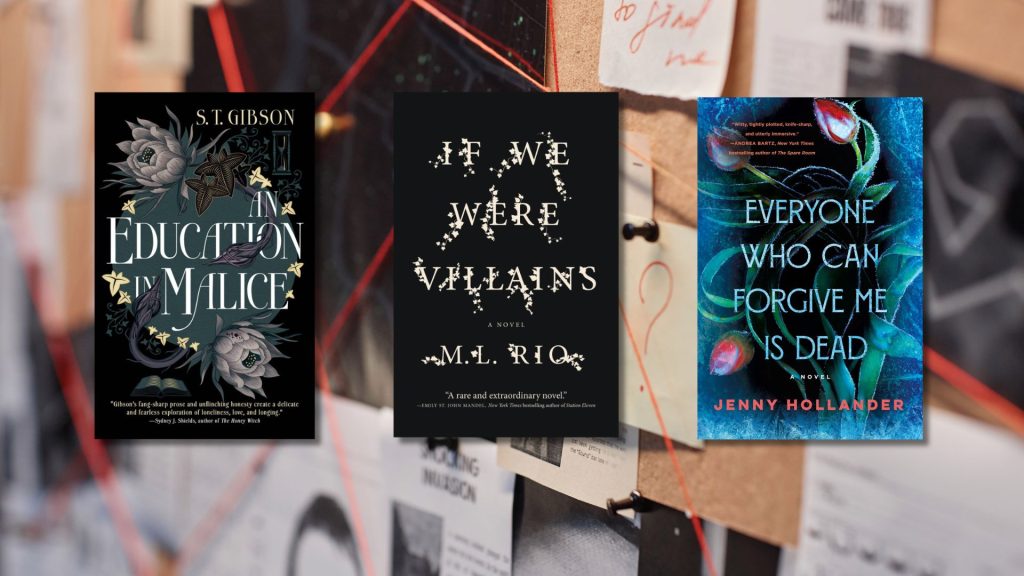



In the 21st century, it is easier than ever before to keep ourselves isolated in our own little bubbles. With the ease of access to the internet, streaming platforms, and social media, we have a seemingly never-ending supply of content without ever having to step outside or interact with another soul. Perhaps, for some out there, this solitary existence is ideal. But, if you are like me, you thrive on social interaction and perhaps struggle bridging the gap between the individualistic nature of your hobbies and your thirst for genuine human connection.
Connecting Over Literature
I graduated from college a year ago, and one of the things I took away from my education was my deep love for literature. Last fall, I was thinking about how much I loved one of my literature classes in particular, The Caribbean Novel. It was certainly not the first literature class I had taken, but this classroom experience stood apart from others. Not only was this class the only one I had seen in four years that zeroed in on Caribbean-American literature, but our professor herself was coming from a Caribbean background, and the majority of the students enrolled in her course were the same.
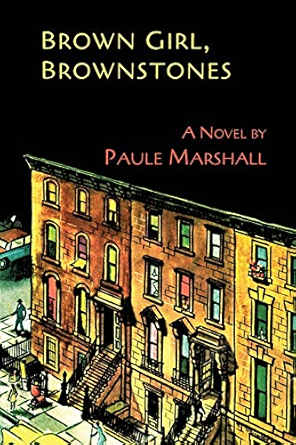
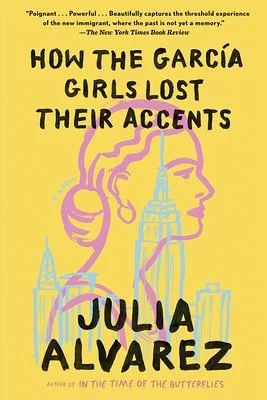
As we pondered how W.E.B. Du Bois’ theory of double consciousness can be reflected in Paule Marshall’s Brown Girls, Brownstones, or how Julia Alvarez paints the loss and reimagining of cultural identity through language in How the Garcia Girls Lost Their Accents, there was something of a community being created in our classroom. We weren’t just exploring literature, we were learning about ourselves and connecting with one another over shared identities and common experiences. In a time when SparkNotes is readily available, I have never seen a class in which all of the 25 students showed up fully prepared to engage with the text at 11 AM twice a week. And I suspect that it was due to the fact that this class was not just a class for many of us; the content felt more personal than that. We could see ourselves and each other in the characters these authors brought to life.
So, last fall, a couple of months post-grad, I sat thinking about that class and how badly I wanted to read more diaspora literature and, more than that, how badly I wanted to rekindle the feeling that class had elicited in me. I wanted to read more books reflecting my cultural experiences, and I wanted to connect with others in my community, especially those who are Indo-Caribbean-American like myself. I fantasized about a book club that would allow me to do just that, but I had no idea how I would get started, and I let self-doubt take the reins and convinced myself that I would not find many others who would be interested.
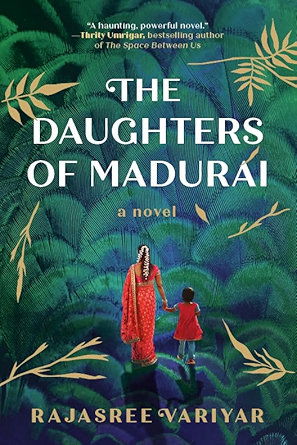
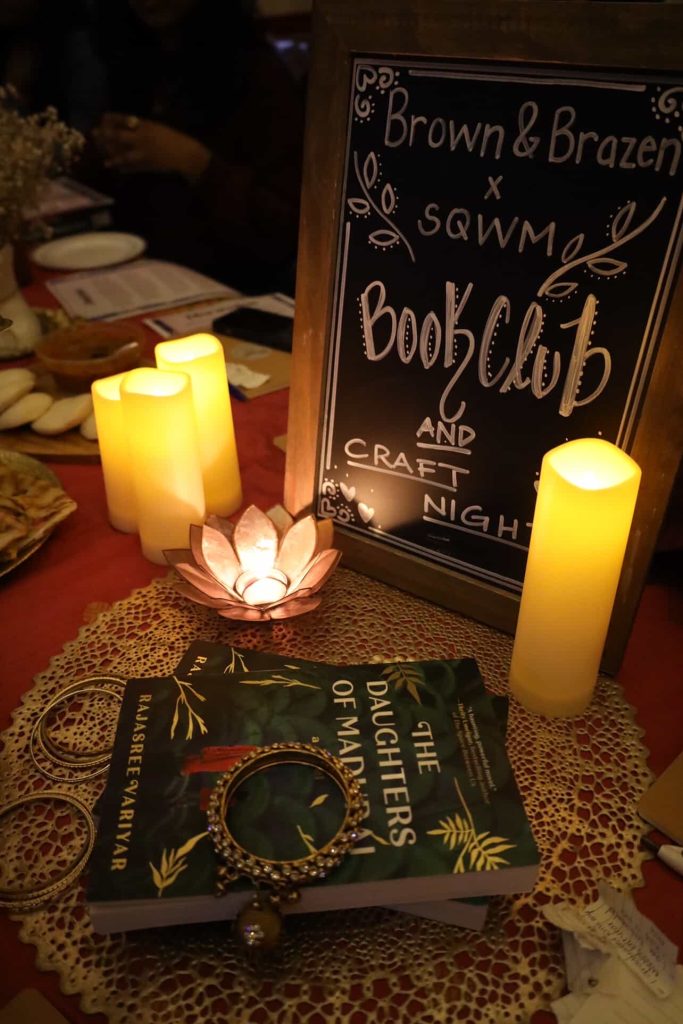
But then, this past February, I was scrolling on Instagram and I saw someone I follow post about starting a book club for Indo-Caribbean and South Asian Women: the Brown and Brazen Book Club, she named it. I immediately signed up; this was exactly what I had wanted. The first book we chose to read was The Daughters of Madurai by Rajasree Variyar, a haunting multi-generational story touching on topics like female infanticide, the complexities of the mother-daughter bond, the struggles of women, but also their resilience.
The Daughters of Madurai by Rajasree Variyar
Our first meeting was a beautiful evening. We got to know each other, ate dosas, drank chai, did some arts and crafts, and, of course, discussed the book. This book club is just as much about bonding over a shared love of literature as it is about bonding over shared experiences, culture, and identities. These things we shared informed our discussion of the text, and it allowed us to connect with each other and make sense of the nuances of the cultures we were all raised in.
Book Clubs as an Avenue for Community
But, beyond the book itself, forming a group based on shared interests and allotting a specific time and place to gather in person, inherently lends itself to connection and bonding. Additionally, it speaks volumes that only two months after I contemplated the idea of a book club, another member of my community chose to start one. Many young people are craving connection in 2025, and our little pockets of the internet are not enough.
Studies show that rates of mental health issues like depression and anxiety have been on the uptick in recent years. This can be due to a myriad of reasons, from the stresses of the pandemic to increased financial burdens to excessive screen time. Studies also show, however, that a positive sense of community can have better outcomes in terms of mental wellness.
According to Stephanie Gilbert at National Alliance on Mental Illness, “[c]ommunity is critical for us to thrive” and the most beneficial aspects of having a strong sense of community include a sense of belonging, a source of support, and a feeling of purpose. Gilbert also suggests that finding community can be best done by looking for people and groups with whom you share interests, values, and/or beliefs.
For book lovers of the world, a book club can be an excellent place to find community. The Brown and Brazen Book Club was formed out of a desire for Indo-Caribbean and South Asian Women to connect with literature that reflects our experiences. Your book club could be formed for very similar or vastly different reasons. Like us, you can create or join a book club for a specific affinity group of readers. Or perhaps, you can form or join a book club dedicated to a specific genre or even a specific author you love. Or maybe you just want to read more and explore new things, and you can form or join a more general book club. Whatever your motivations or interests are, there are certainly other readers like you seeking to turn their passion for reading into an opportunity for connection.
If you are interested in starting a book club, you can read more about how to set one up here!
Visit Bookshop.org to peruse our selection of books here!