

















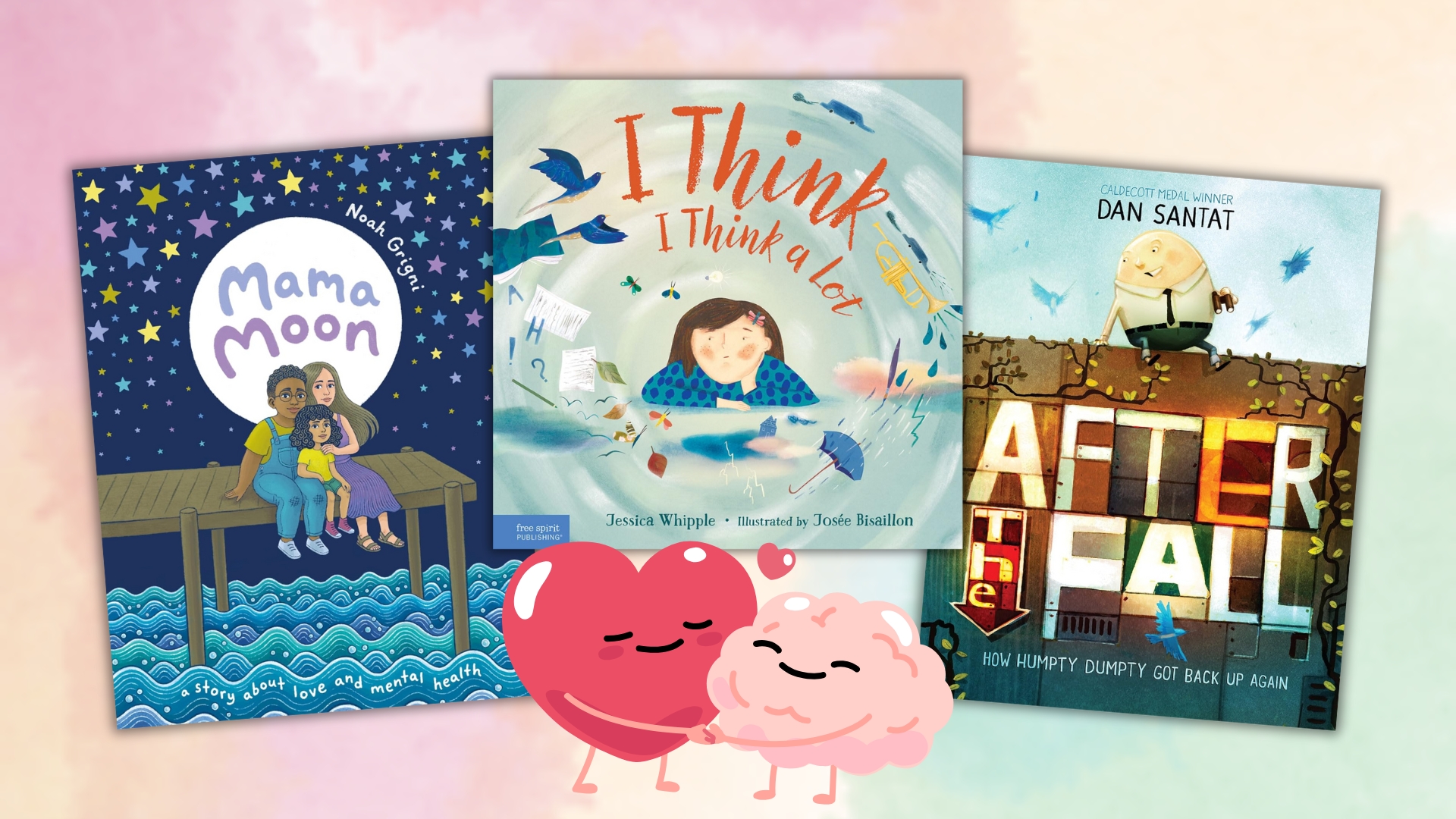
It’s no secret — or, at least, it shouldn’t be — that mental health issues and conditions can affect the lives of people regardless of their identity, culture, background, or age. This often includes children; according to the CDC, one in every seven children (13%) ages 3-17 has a diagnosed mental or behavioral health condition. Yet due to stigma around mental health issues, especially in young people, these children can often feel isolated. However, books that normalize dealing with mental health issues can be of great help, so we’ve gathered nine picture books that not only address these conditions with children but also provide validation and affirmation as kids navigate them.
Wheetle by Cindy Derby
In a shed on the edge of the forest lives a helpful little wagon named Wheetle. Wheetle has many friends in his neighborhood, and he loves to help them whenever he can by carrying whatever they need. He’s got a very special day coming up — his favorite day of the year — but he’s happy to pass the week leading up to it by hauling loads of increasingly larger sizes for his pals… all the while ignoring that one of his wheels is beginning to squeak in pain.
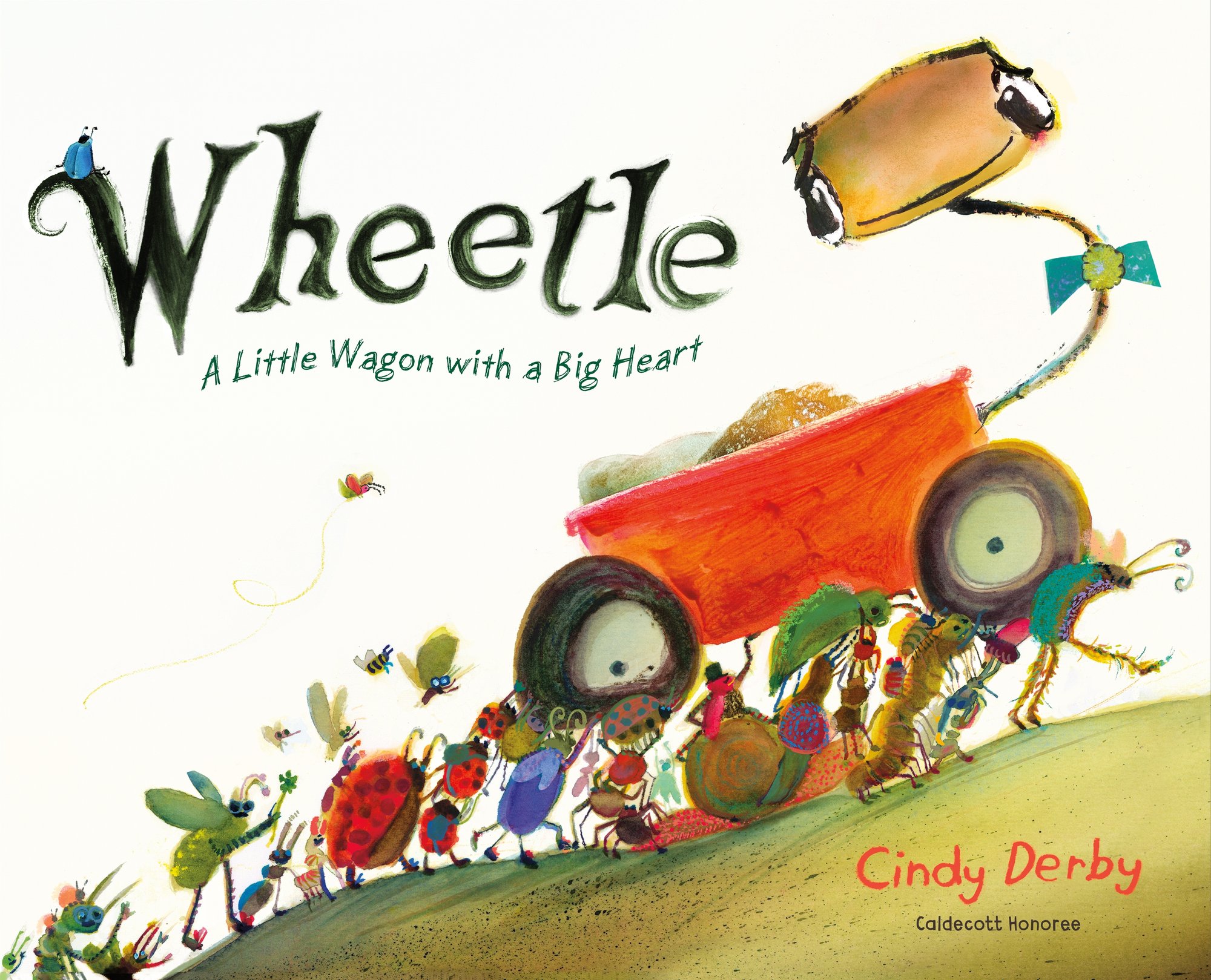
When at last his favorite day arrives, Wheetle’s tire finally pops, leaving him stranded and unable to make his appointment, until his friends pitch in to help. A crucial yet heartwarming look at the importance of self-care and setting boundaries, even with friends, and how to assist a chum when they don’t know how to ask for help.
I Think I Think a Lot by Jessica Whipple, Illustrated by Josée Bisaillon
“I think I think a lot,” notes the child narrator in the early pages of this title. “More than most other kids.” While her classmates seem relatively confident and carefree, the narrator feels as though she spends much of her time worrying over whether she’s getting everything right, planning out her every move, showing gratitude, and caring about the emotions of others.
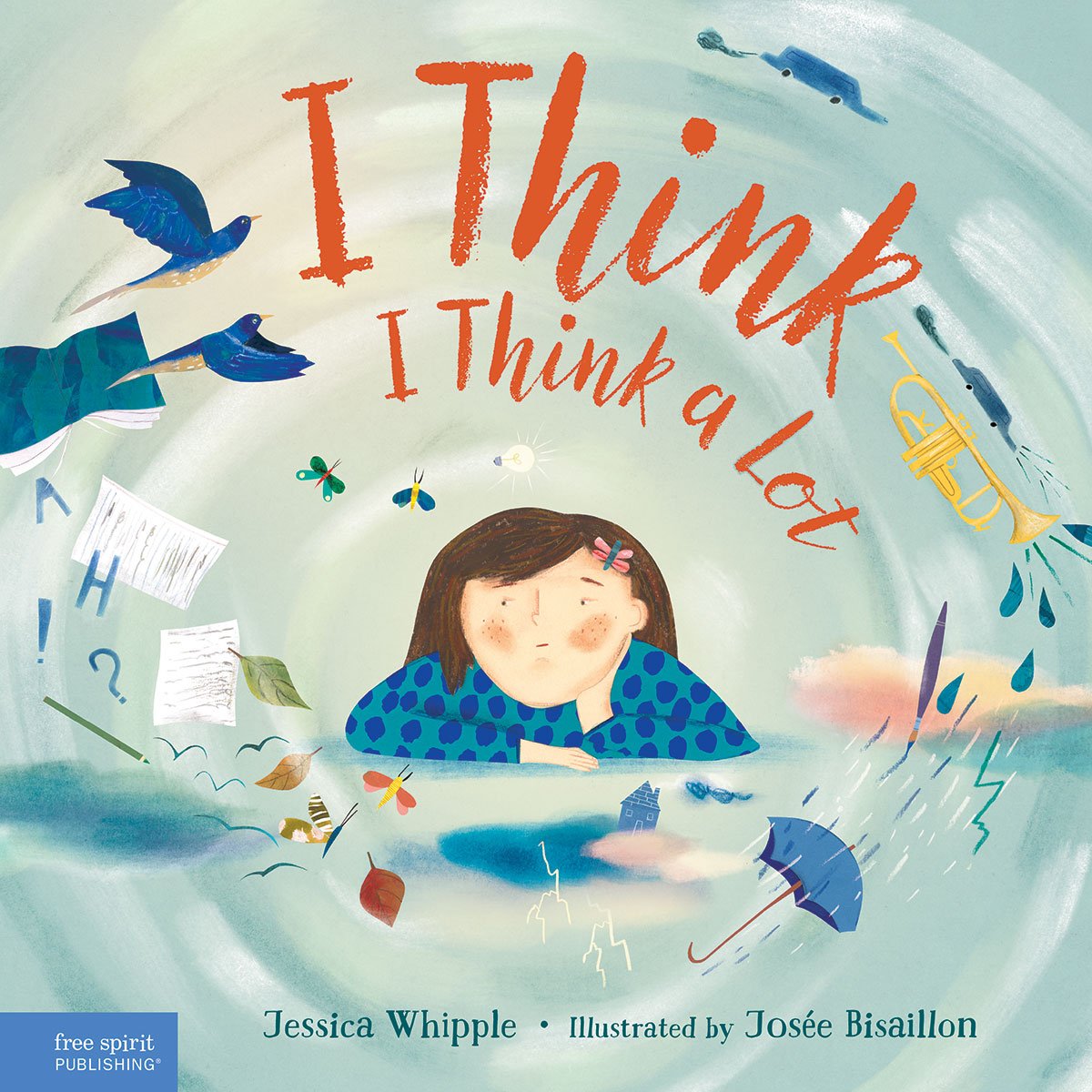
Based on the author’s experiences with obsessive-compulsive disorder (OCD), this story of self-acceptance lets children with anxiety disorders like OCD know that they are not alone in having obsessive or intrusive thoughts, while celebrating the diversity of minds and how they all perceive the world differently.
Mama Moon: A Story About Love and Mental Health by Noah Grigni
Mental health conditions can affect not only the individual who has them, but their loved ones as well. The young protagonist of this story explains that they love their life by the sea with Mama, Baba, and Miss Muffin the cat. There are all sorts of things they love to do as a family, like watching the waxing and waning of the moon from their pier.
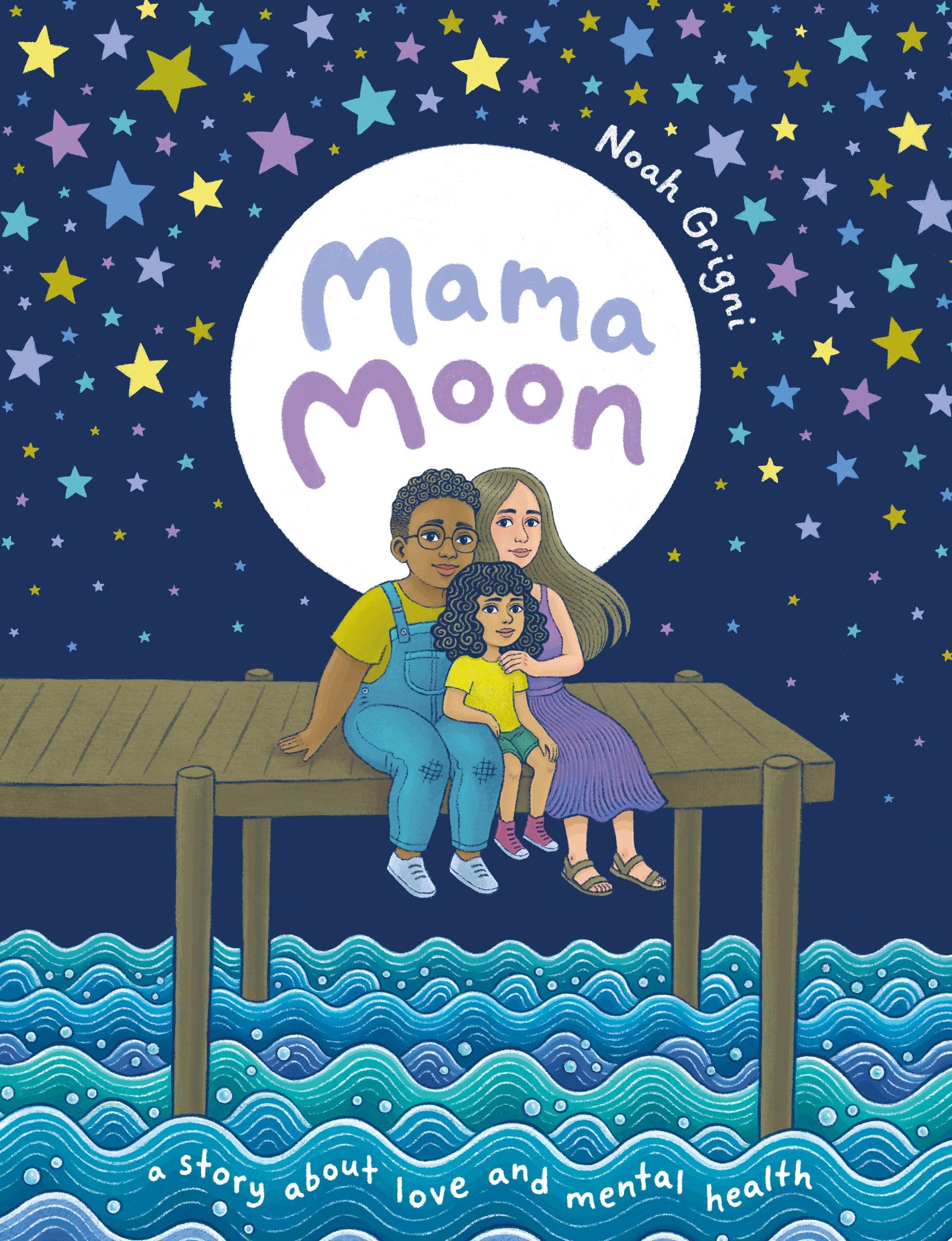
The child explains that Mama is sometimes like the moon; she has bipolar disorder, and can go through depressions where she can’t get out of bed, and manias in which she needs to spend time in the hospital. This delicate and sensitive look at how a caregiver’s mental health can affect children beautifully validates the child’s feelings of frustration and powerlessness without demonizing Mama’s condition. While she may struggle, like the moon, Mama is still a guiding light.
The Rough Patch by Brian Lies
Evan and his faithful dog did everything together, always side-by-side. The thing they loved the most was working in Evan’s lovely garden to grow vegetables and plants. That is, until one terrible morning when Evan’s dog is suddenly… gone, and the farmer must lay his friend to rest. Heartbroken, Evan shuts himself inside, no longer interested in tending his plants.

In desperate grief, he emerges one morning and hacks the garden to pieces, destroying the healthy, fertile plants and letting sharp and stinging weeds take over the soil. That is, until a small pumpkin vine pokes its way in and begins to change everything. Using a garden as a moving metaphor for emotional and mental state, this story encourages the reader not to let depression or grief poison what makes them happy, yet promises that if they do, it’s a normal and understandable reaction, and there is still hope.
How Jackson Found His Joy Again by Patrice Karst, Illustrated by Kristina Jones
Jackson has always been a joyful kid, full of bright colors that seem to hover around him like an aura. However, there are things that can cause those colors to dim: bullies at school, upsetting news stories, and his best friend moving away. After a series of bad things, all the colors seem to be gone from Jackson’s life, and he is left with dull gray emptiness.

After speaking with a counselor, who encourages him to try to find one color a day and concentrate on how it makes him feel, the boy begins to explore his emotions, pulling colors from the world and his life that help him find calm, hope, and even joy again. This is a poignant allegory for the gradual nature of managing depression, and is especially appreciated for its emphasis on seeking mental health support and providing actionable advice for young readers.
Tough Guys Have Feelings Too by Keith Negley
Superheroes have feelings! So do ninjas, wrestlers, big biker dudes, even daddies. When saving the world, sometimes tough guys feel sad, disappointed, scared, or lonely. Sometimes, they even cry. And that’s okay, because no matter how big or tough someone is, they are allowed to feel all those things. After all, feelings are something we all share.
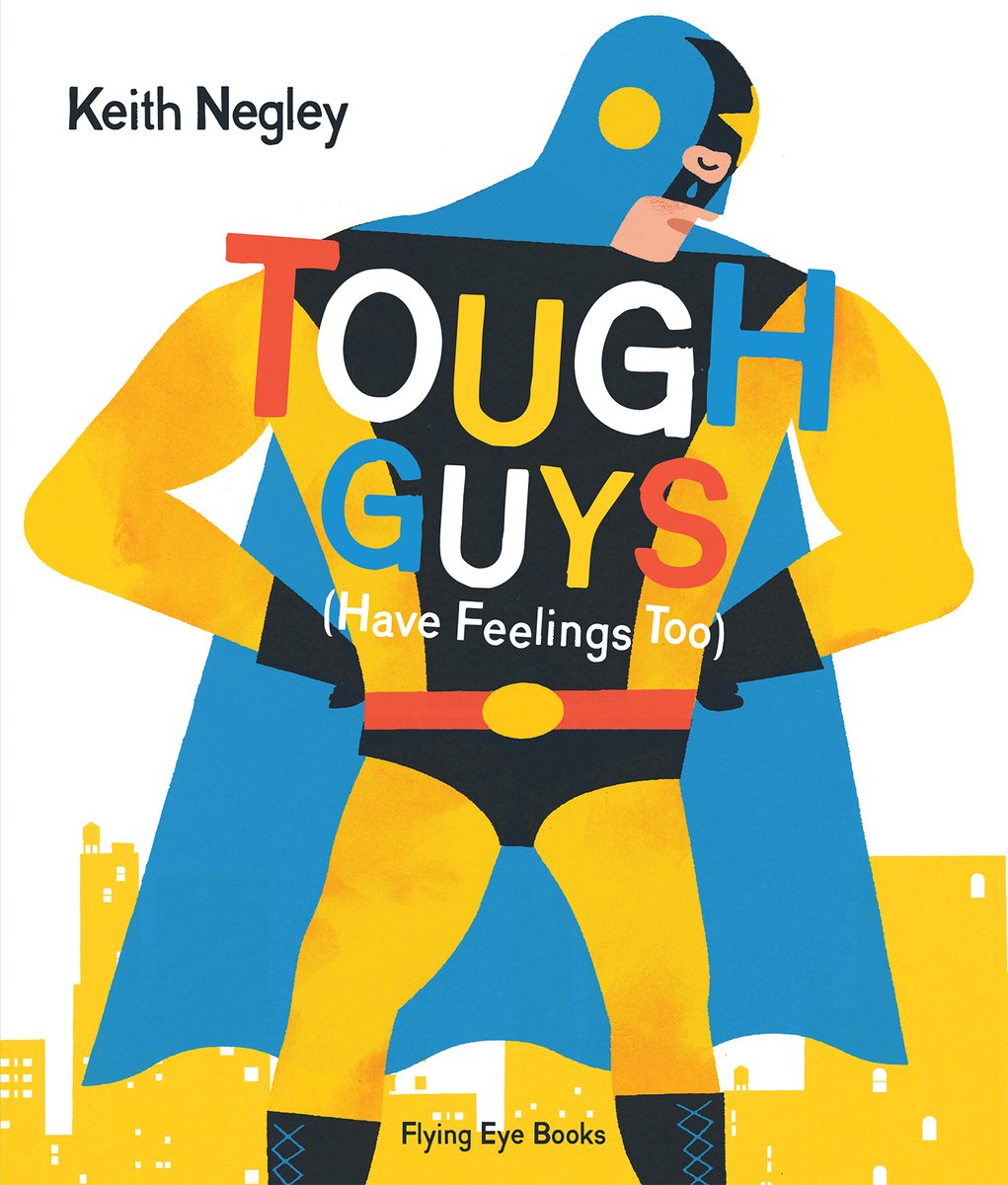
This gentle and tender title does an incredible job of smashing the gender stereotypes surrounding emotions, assuring young readers of all genders that there is no right or wrong way for someone to feel, and that expressing emotions is not a sign of weakness but of comfort in oneself. Wisely, Negley advises young readers that it’s also okay to need and ask for help, and provides hope that big feelings will pass with time, support, and self-care.
Good Night Thoughts by Max Greenfield, Illustrated by James Serafino
Those who have anxiety disorders are well familiar with one of its side effects: disordered sleep. Like the young narrator of this book can tell you, when the world quiets down, the dark descends, and a person is left alone with their thoughts, those thoughts can feel entirely overwhelming.
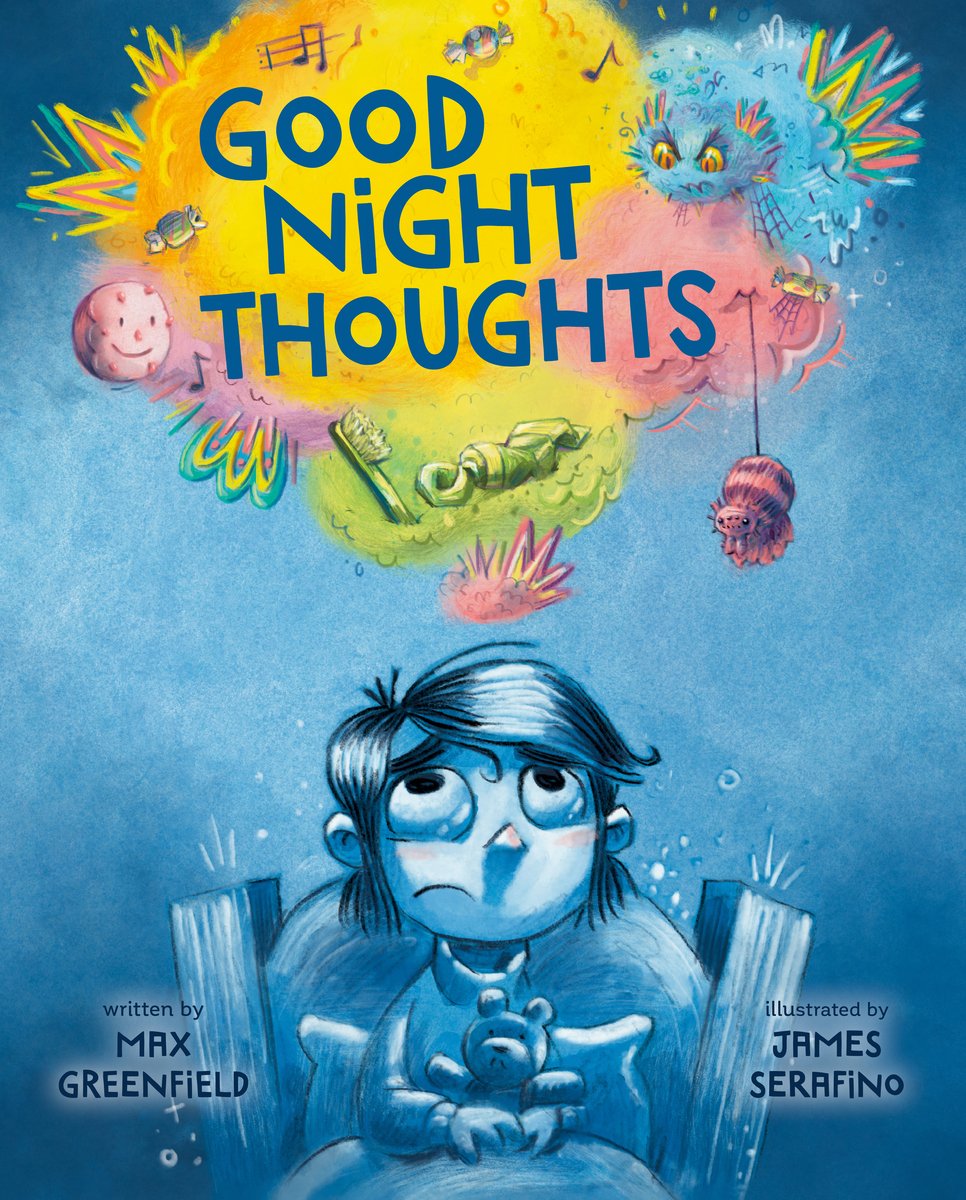
Fears and worries can balloon into oppressive imaginings: what if the whole world popped like a kernel of popcorn? What if your best friend sailed off on a pirate’s ship? What if you fell into the sun? The kid protagonist here does his best to settle, but his thoughts can be hard to control. Greenfield’s text and Serafino’s artwork skillfully tap into how immense and formidable childhood worries can be — especially at night — and provide solid guidance for kids who facing similar struggles.
Pandora by Victoria Turnbull
Pandora lives all alone in a land of broken things. She uses her ingenuity to build a cozy home and fix lost treasures, but she is still lonely. One day, a small bluebird injures itself nearby, and Pandora takes the little bird in. Pandora does her best to mend the broken bird, giving it lots of love and kindness to recuperate. The two grow close, and when the bird is healthy enough to fly away, it returns with treasures from far-off lands, fixing them into a nest as a gift for Pandora.

One day, the bird doesn’t return, and Pandora is brokenhearted. Having lost her only friend, she retreats to her bed and despairs. But when she wakes one sunny morning, she finds that once the seeds of friendship are planted and nourished, they will grow. Themes of depression, grief, and loneliness are handled subtly but with immense grace here, as well as the promise that broken things can, and do, heal in time.
After The Fall: How Humpty Dumpty Got Back Up Again by Dan Santat
You’ve heard the story: Humpty Dumpty did indeed enjoy sitting on top of the wall once. It gave him a beautiful view of the city and brought him closer to the birds, whom he loved to study and observe. But since the fall, he’s scared of heights. He misses the birds and the things he once loved, but he just can’t shake his fear. Determined to go on with life, he finds other ways to feel close to the birds: he builds a model plane in the shape of one, and it’s as good as when he was up high… but not quite.

When his painstakingly crafted model gets stuck on top of the very wall he once fell from, what will he do? Exploring the aftermath of trauma, the reader is made sympathetic to Humpty’s phobia and led to a stirring ending that is surprising, gratifying, and inspirational (author’s note: this is, without hyperbole, one of the most powerful books on trauma I’ve ever read).
We hope that you and your young readers check out the books on this list, and that they provide support, affirmation, and empathy for you or anyone you love who is dealing with mental health issues. We hope that you take care of yourselves and each other, and happy reading.
For our recommendations of kids’ titles that encourage empathy, check out our article on Wonderful Picture Books All About Being Kind to Others.
To see all of our recommendations for mini bookworms, check out our Bookshop bookshelf.
