

















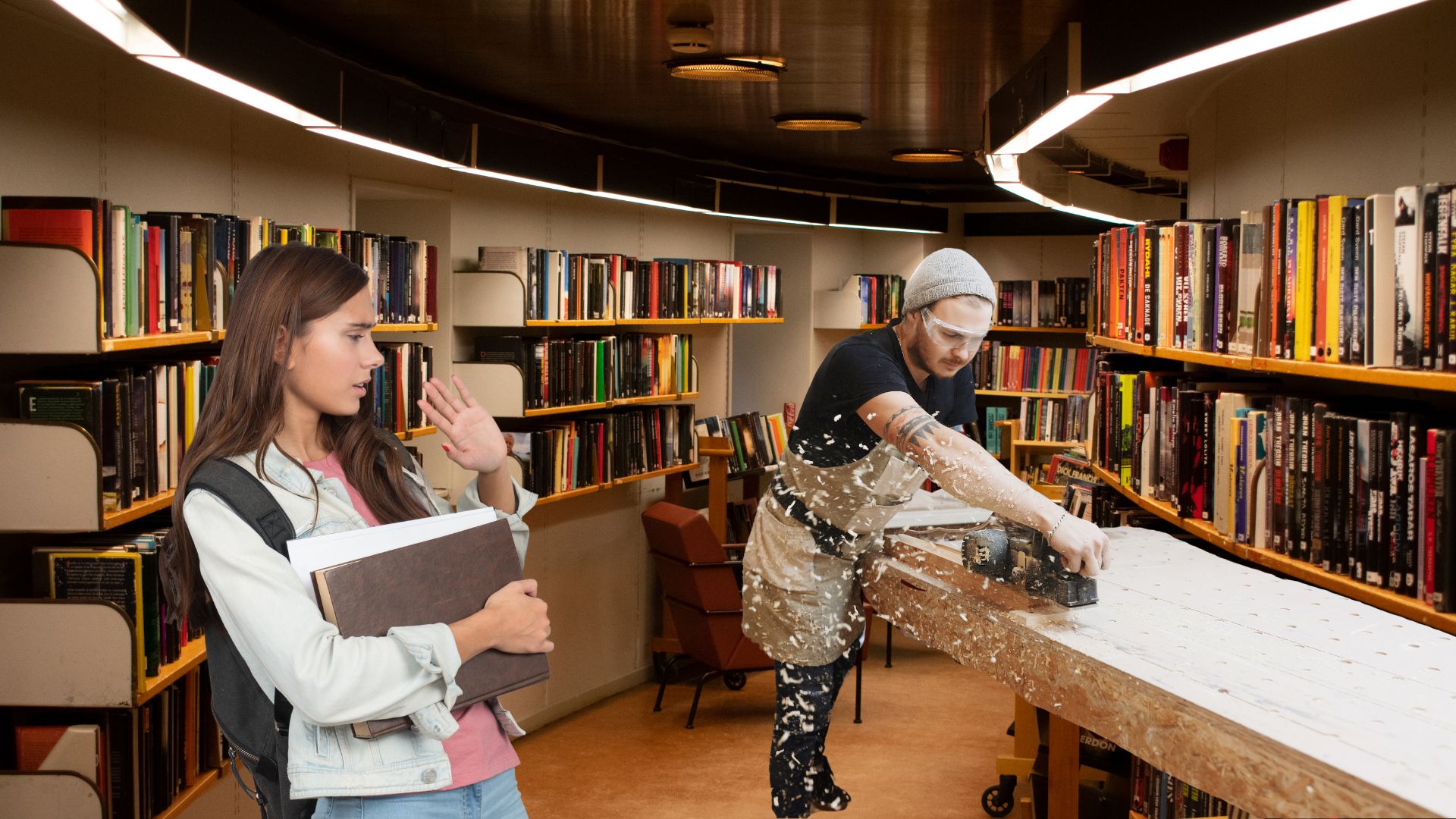
The first public library in the U.S. was built in Franklin, Massachusetts, in 1790 and was a great place to rent books and enjoy them for little to no cost. However, in today’s new and evolving age of technology, the modern library faces unique challenges that it must adapt to or be left behind. The Richland Public Library in Columbia, South Carolina, has taken that challenge personally and begun changing their library to acclimate to the ever-changing landscape.
A New Chapter for Libraries
Richland Library’s executive director, Melanie Huggins, has spearheaded the evolution of the library. Originally founded in 1895, Columbia’s first library branch hasn’t needed to evolve as direly as it needs to now. The advancements in recent technology have lowered the importance of the public library. Let’s be honest, the younger generation prefers the feel of their tablets or phones in their hands instead of a book. We can only hope they’re reading on those screens.
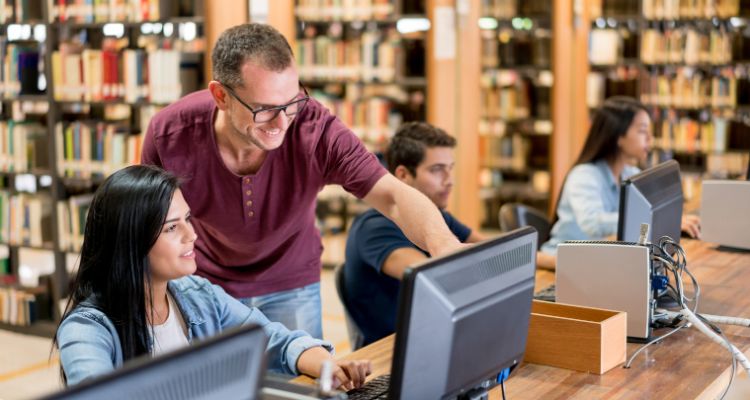
While public libraries commonly rent out books, they offer other services too, and the Richland Library has added even more things to its roster, such as a teaching kitchen, a fully equipped woodworking shop, a seed library, and a “library of things,” ranging from instruments to games and toys. By branching out their library, they are inviting more people to come and use it for its true purpose: learning! Offering these unique lessons helps the library stay relevant and keep attracting people to visit.
Public libraries serve as pillars of knowledge for their communities. With the fast advancement of technology, people can get answers to their questions from a device small enough to fit into their pockets. This doesn’t devalue libraries as centers of knowledge, but it does, in a way, remove their necessity. Huggins and her team at Columbia have taken that personally and are now striving to create a place that teaches new experiences that a cell phone can’t replicate.
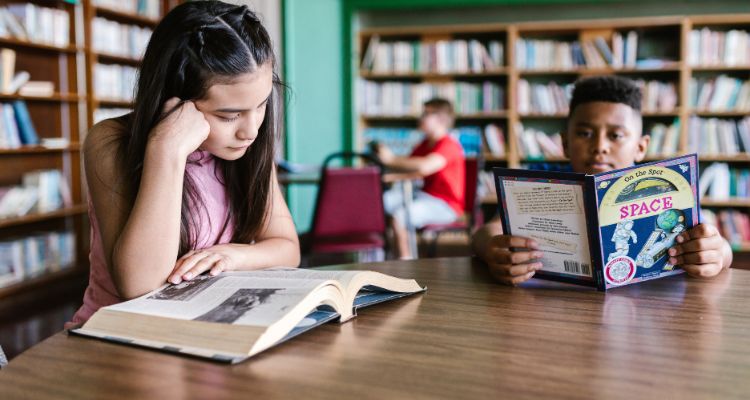
More and more libraries will have to learn from Huggins’ example and begin to evolve themselves. Libraries must develop innovative ways to stay relevant because they are pivotal to their communities. Some people rely on the library for internet access, education assistance, and connection with others. Other libraries across the country are slowly adding new areas to their libraries to help foster a healthy and productive community.
Check out more from Bookstr here!
Stop by Bookstr’s bookshop and check out our recommendations here!
