

















TRIGGER WARNING: This article contains references to Drug Use, Psychoactive Substances, and Getting High in historical and cultural contexts. Please exercise personal care when reading.
After a recent discovery deep beneath the highland ruins of Chavín de Huánt, archaeologists have annotated a particularly intoxicating footnote: the Chavín weren’t just making history — they were doing drugs! When archaeologists talk about tracing lines through history, this probably wasn’t quite what they thought they meant. Uncovered behind a concealed passage and packed with sacred chambers and mysterious tools, this story has some truly mind-expanding revelations, including a room that offers new insights into the sensory and spiritual practices of ancient elite societies.
What was once dismissed as myth or metaphor is now fact, and one that challenges how we interpret ancient states of mind. So, grab your Bookstr library card — we’re about to check out a lost chapter of pre-Incan culture that’s anything but sober reading.
Content Warning: This article will reference Ancient Drug Use and Ritual Inhalation. If topics like getting high (historically or otherwise) aren’t your vibe, consider this your heads-up before we head up.
In the Room Where It Happened
Archaeologists find an ancient drug den with a spiritually calibrated layout.
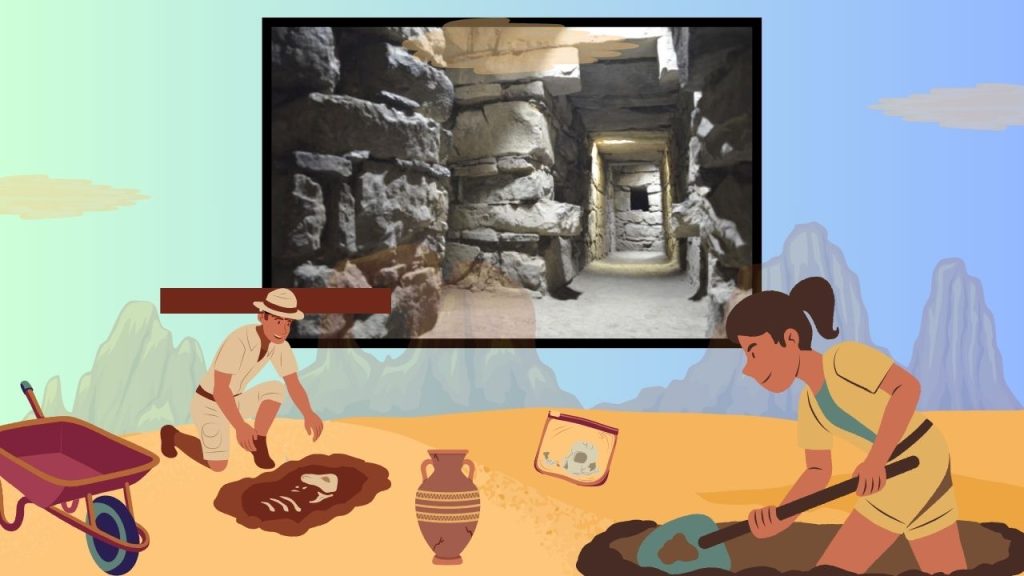
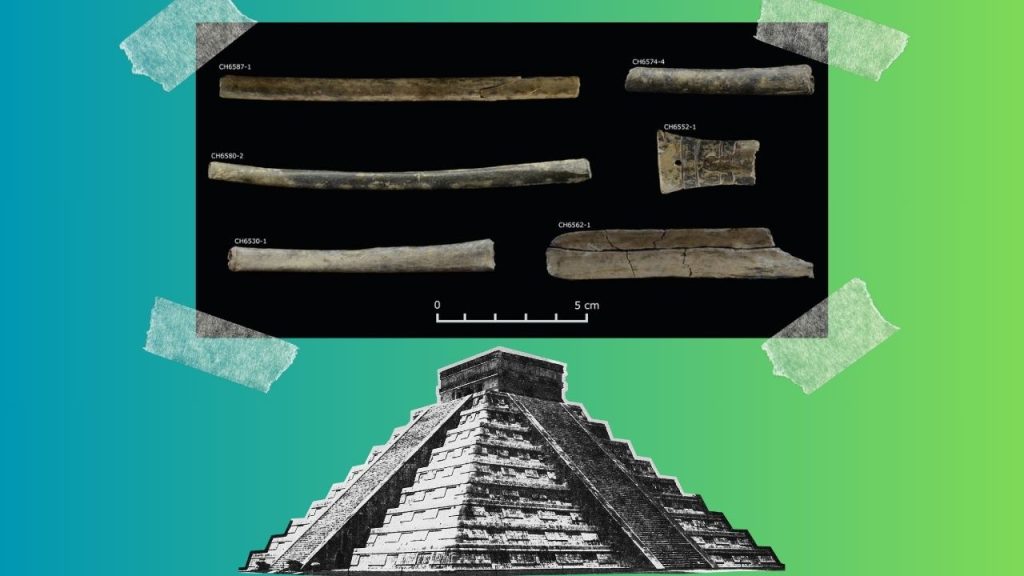
Hidden behind a previously unexplored wall, a narrow passageway revealed a room carefully curated with a cache of delicate bird bones, small, precise, and arranged in what can only be described as a trance-ready ritual configuration with perfect stoner symmetry. They belonged to Amazonian harpy eagles, macaws, and other jungle species not native to the Andes — a choice that suggests these weren’t just leftovers from dinner. Wear patterns suggested it, but later DNA analysis of plant remains found inside the hollow shafts confirmed that the bones were used for inhaling ground-up psychoactive substances.
They made a kind of snuff, basically, with the properties of DMT, which causes brief but intense episodic visual hallucinations. Now, scientists have published a study in the peer-reviewed journal Proceedings of the National Academy of Sciences with the clearest pieces of evidence that the Chavín engaged in hallucinogenic ceremonies, likely combining theology, power, and psychotropic performance art.
“The plant remains showed no sign of burning, indicating the tubes were more likely used for snorting the drugs, not smoking them.” – Science.org
Talk about controlled substances with controlled context! This site reframes our understanding of ancient Peruvian ritual practices. Move over, literary lines — these left a stronger impression.
For Elites Only: Peer-Reviewed Piety with a Side of Inhaled Enlightenment
Not all minds were meant to be expanded equally at Chavín de Huántar.
The chamber’s location was hidden and accessible only through a carefully concealed passage, which strongly suggests exclusivity. This clearly wasn’t a public forum space. For the ancient equivalent of open-mic spirituality, it was invite-only enlightenment — the kind of experience curated for the cultural one percent.
The imported bird bones serving as ceremonial instruments imply a well-organized supply chain, the kind only a powerful priestly or political class could maintain at that time. So, these feathers were status symbols in hollow-boned form, each one a kind of psychoactive ticket stamped with privilege. Further supporting the elite-only theory is the level of craftsmanship in the bone preparation: each instrument was cleaned, carved, and likely used in tandem with complex rituals involving light, sound, and altered states. Thus, spiritual access in ancient Chavín was likely tiered — your place in the cosmic order determined whether you got the good stuff or the seedy leftovers.
Book Recommendations for Learning about Peruvian Civilizations
For Knowledge With Altitude, Book It to the Andes!
From pre-Incan pioneers to colonial conquests and modern-day resilience, Peru’s history is anything but a quick read. But if all this talk of ancient drug dens, feathered snuff straws, and trippy temple rituals has you itching to dig deeper into the past, read up and vibe out with these far-out reads. These books aren’t just informative — they’re Incan-descent.
History of Peru: A Captivating Guide to Peruvian History by Captivating History

If you’re looking to traverse Peru’s rich history without getting lost in a sea of footnotes, History of Peru by Captivating History offers an enlightening journey at a brisk pace, a concise primer for those interested in the broader strokes of Peru’s past. This guidebook takes readers from the enigmatic Chavín civilization through the rise and fall of the Inca Empire and into the modern era, all in a narrative that focuses on the origins of Peruvian society, conquistadors, the resistance efforts of revolutionaries, and their struggle for independence.
While the book doesn’t focus specifically on ancient rituals involving psychoactive substances, it provides essential context for understanding the cultural and historical backdrop against which those practices occurred. So, if the whole secret-snuff-lounge-in-a-sacred-temple thing blew your mind, this book helps you connect the dots — who these folks were, what they believed, and why they built things. It won’t take you on a spirit journey (sorry, buddy!), but it’ll explain the context behind the recent heady discovery.
The Ancient Andean States: Political Landscapes in Pre-Hispanic Peru by Henry Tantaleán

Henry Tantaleán’s volume is an essential read for those interested in the political and social dynamics of ancient Peru. Embarking on a scholarly expedition through Peru’s pre-Hispanic political terrain, this book examines seven pivotal civilizations — Caral, Sechín, Chavín, Moche, Wari, Chimú, and Inca — and the complexities of their societies, exploring how they constructed monumental architecture, managed economies, and intertwined politics with religion to maintain control.
The author’s approach combines modern social theory with archaeological evidence, so readers get a comprehensive view of how these ancient states operated and interacted, the sociopolitical structures and ideological frameworks behind them, and the diverse ways power was exercised and legitimized in the Andes. By breaking down the power trips of ancient Peru — pun intended — this book helps you understand the vibes the rulers used to build up empires, keep their cosmic cred, and take an altogether different kind of trip, maaann.
High Priests, Higher Practices
Blessed Be the Buzzed!
So, the next time you think ancient history is mostly all broken clay pots and dusty scrolls, remember: some civilizations were achieving higher learning in more ways than one. In Peru, the past wasn’t just carved in stone — it was inhaled, exalted, and experienced in technicolor through holy smokes and ritual tokes. Thanks to some nosy archaeologists (and countless birds, R.I.P.), we now know that while the Chavín were building enlightened temples, they were also hosting trips of another kind. Far out, indeed.
Keep up the Latin-American history binge by reading my article: A Shot of History: New Book Unbottles Tequila’s Turbulent Past.
Keep feeding your bookish mind by browsing our Bookstr Trivia bookshelf.