








We’ve all done it: we see a word in the English language and think, “Where did that come from?” The answer is often rooted in other languages, and there are a lot of possibilities! Middle English, especially, was a developmental time for these fun and funky words to evolve and gave birth to many stories that stand the test of time.
English Language Evolutions
English’s extensive history has been influenced by French, German, Dutch, Latin, Greek, and even Old Norse. Interestingly enough, modern English as we know it today didn’t begin its development until the late 1400s, with the Great Vowel Shift and eventual progression into Early Modern English.
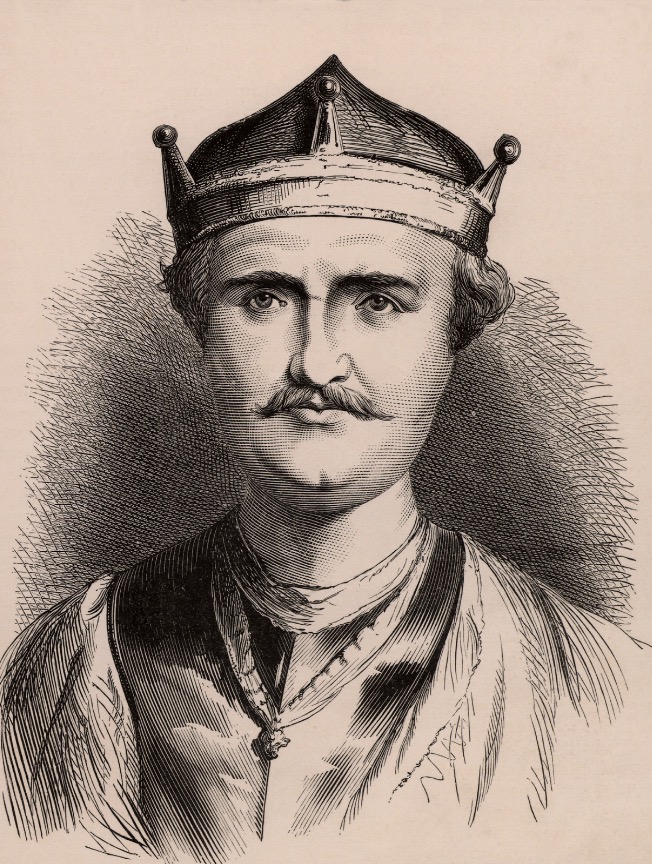
Before that, there were two other periods of time when English wasn’t quite English yet. The first was Old English, the original Anglo-Saxon language that existed in Scotland and England from the 5th century to the 12th century. Towards the end, Old English underwent significant changes, ushering in the period of Middle English. This time was Norman England, named for William the Conqueror’s conquest of England and his French influence.
Apart from a few of the well-known pieces, such as Geoffrey Chaucer’s The Canterbury Tales, not much Middle English literature has made its way into the mainstream. This is, in part, because Middle English is nearly impossible for modern English speakers to understand. I mean, look at it!
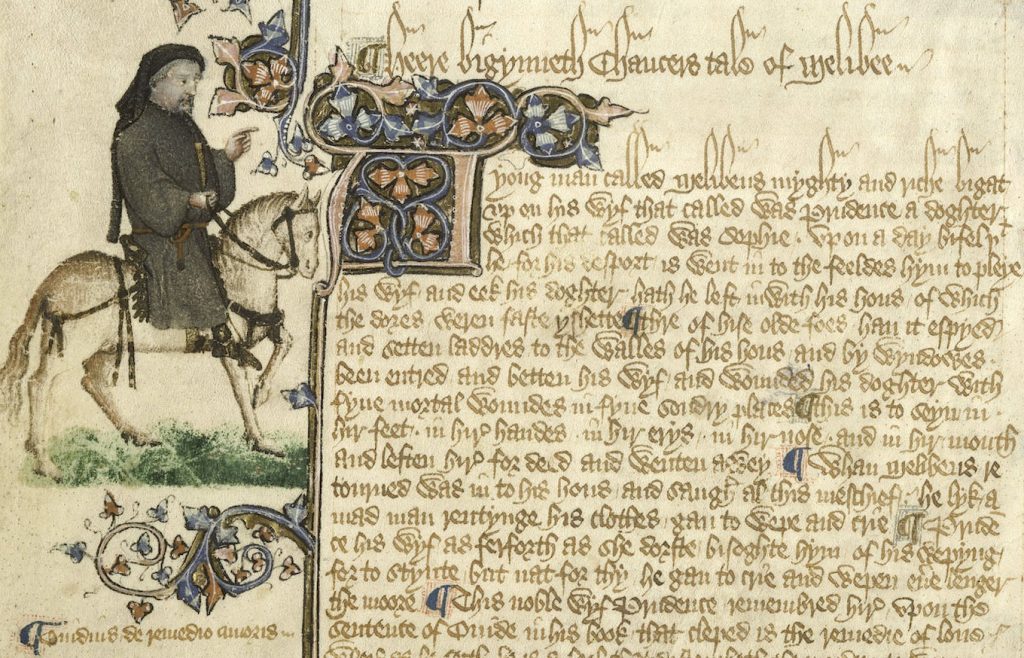
Luckily, we have translators, so new versions of these texts can be understood. As an example of how complicated English got at this time, the verb “to know” had a nearly endless number of synonyms. Just a few from the Middle English Compendium are “cǒnnen,” “acerten,” “aknouen,” and “tocnawæn.” Not only that, but each of these “to know” verbs had multiple different spellings and origins.
French heavily influenced the development of Middle English at the time, and the grammar and spelling of words reflect this. Of course, the remnants of Old English left behind also reflect Old Norse and German spellings and grammar.
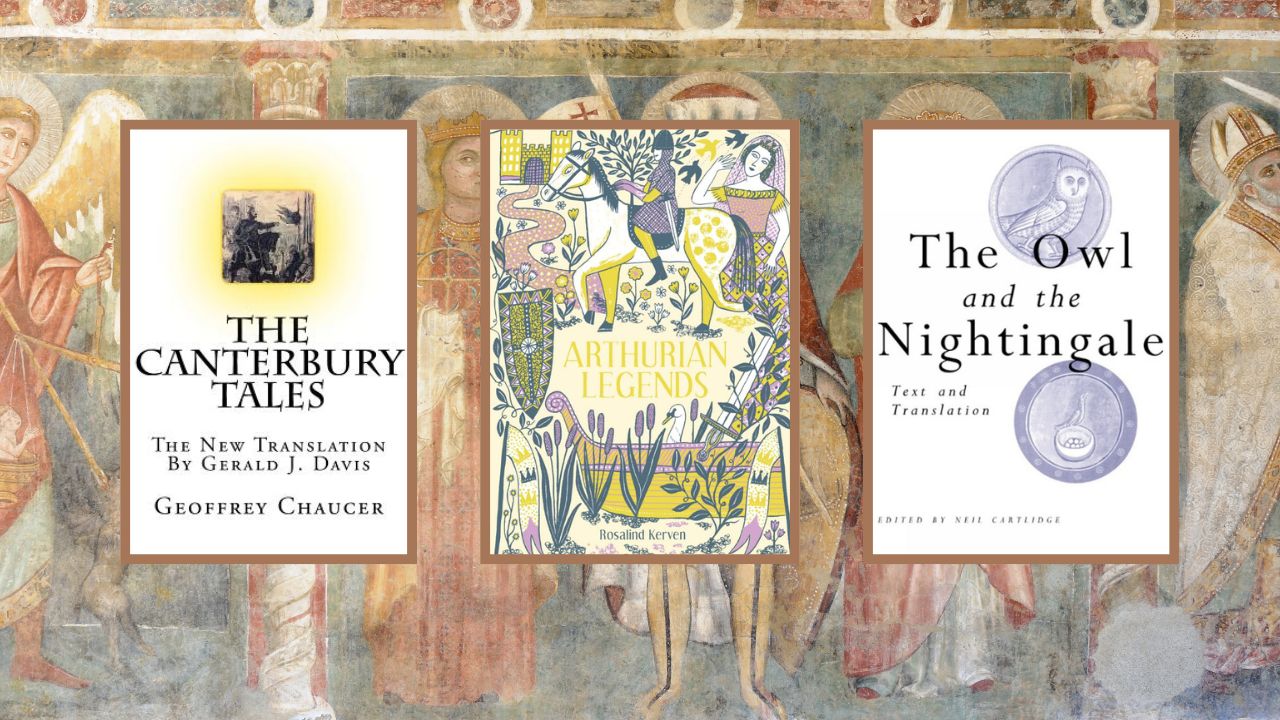
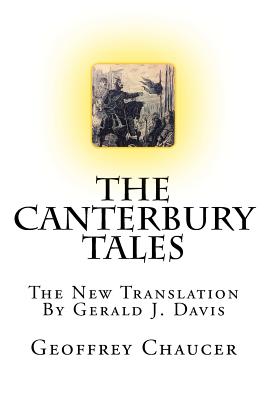
The Canterbury Tales: The New Translation by Geoffrey Chaucer, Translated by Gerald J. Davis
Middle English texts don’t get as much love as early modern English. The most well-known collection of work is Geoffrey Chaucer’s The Canterbury Tales. It is a set of 24 stories from different pilgrims traveling from London to Canterbury to see the shrine of Saint Thomas Becket—a collection of tales of varied length and significance.
The Canterbury Tales: The Wife of Bath’s Tale
One that is particularly interesting is The Wife of Bath’s Tale. It follows a middle-aged, ordinary woman, unlike many other depictions of women at this time. She is only one of two women in The Canterbury Tales, the other being The Priestess. What makes the Wife of Bath significant is how developed she is, which has led scholars to believe her to be one of Chaucer’s favorite characters.
Thow seyst we wyves wol oure vices hide
Til we be fast, and thanne we wol hem shewe
Wel may that be a proverbe of a shrewe!
Thou sayest we wives will hide our vices
The Canterbury Tales by Geoffrey Chaucer, lines 282-284
Until we be securely tied (in marriage), and then we will them show
Well may that be a proverb of a scoundrel!
(Original Middle English on top, translated English on bottom)
She is bold, intelligent, and an advocate for women’s autonomy against a Knight who must evade execution by answering the Queen’s riddle: What do women most desire? To get an answer, he asks a hag (the Wife of Bath), and after helping him solve it, she is turned into a beautiful woman. She answered that women desired control of their own marriage, which was hailed as a significant insight into women of the time.
The Canterbury Tales have more than 17,000 lines in total and have shaped a wide range of English language developmental knowledge.
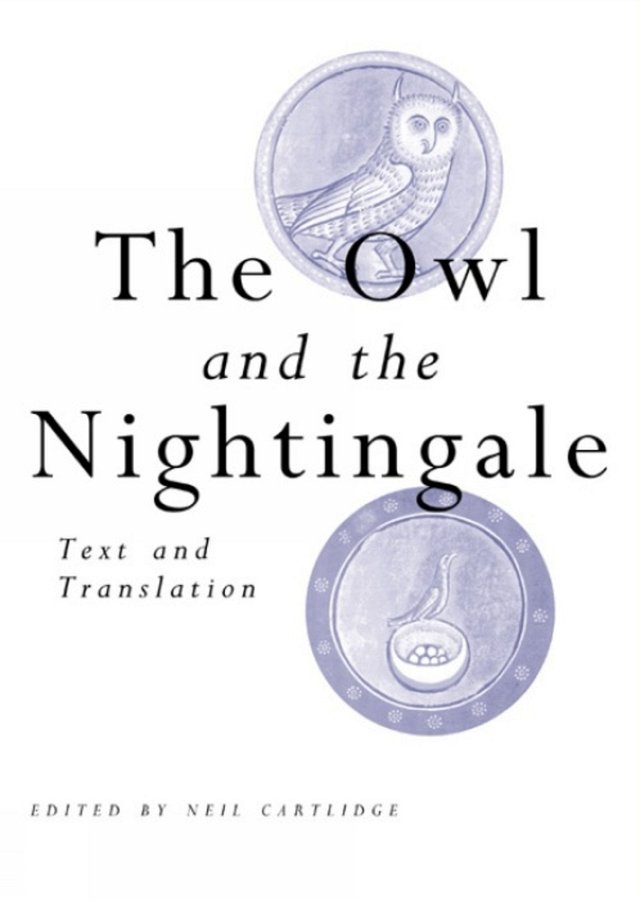
The Owl and the Nightingale: Text and Translation by Neil Cartilage
If you are a poetry lover, The Owl and the Nightingale should be on your list. It is one of the first long-form poems in English. As one of the most accomplished medieval texts, it is considered art of its own. The story follows two birds, an owl and a nightingale, or as it is in the original, “an hule and one niȝtingale,” as they argue about life while in the woods.
The Nightingale began the match
The Owl and the Nightingale, lines 13–18
Off in a corner, on a fallow patch,
sitting high on the branch of a tree
Where blossoms bloomed most handsomely
above a thick protective hedge
Grown up in rushes and green sedge.
The match between the birds is heated, and each bird tries to prove they are the better one. Medieval, poetic, and beautiful, the story is a lengthy debate worth reading. The Neil Cartilage edition is specifically noteworthy because it presents the original Middle English text alongside the modern and translated English.
The Matter of Britain: Arthurian Legends by Rosalind Kerven
Another classic from the time is the Arthurian legends. The Arthurian stories are not restricted to Norman England times, but they flourished in these centuries. One of the most famous, Sir Gawain and the Green Knight, is from Norman England. That being said, Arthur and his Knights remain part of pop culture to this day.
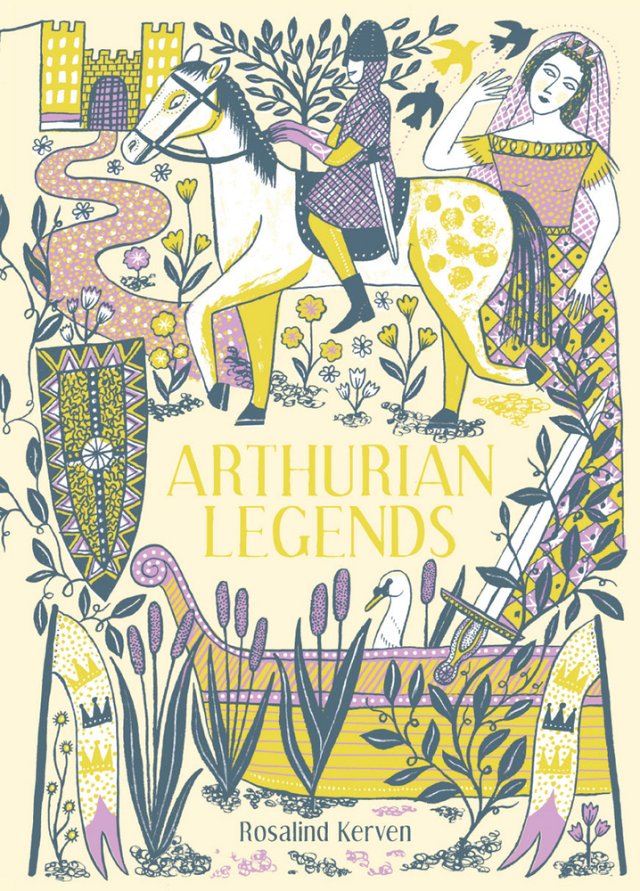
The tales range from intense battles between King Arthur and opposing armies to more down-to-earth moral questions conflicting with those in Camelot. They are brilliant shows of strength and power, and also a widespread display of English history.
There are many Middle English texts worth reading. These stories provide glimpses not only into what English used to look like but also into Norman England, in particular. They are not just epic stories, but also reflections of ordinary people. So, the next time a reference to King Arthur or anything related to the Middle Ages comes up, I urge you to think of how far this language has come.
Want to take a look at some other book culture articles? Check out On This Day!
Inspired by The Owl and the Nightingale? Here is our bookshelf for poetry.